
In the relentless heat of the Philippines, where ambient temperatures frequently exceed 35°C and urban traffic grinds to a halt, your vehicle’s cooling system faces extreme stress. To prevent catastrophic engine overheating, the most critical properties of a car radiator coolant are its boiling point elevation, heat transfer efficiency, and robust anti-corrosion chemistry. While many drivers associate coolant primarily with cold-weather “antifreeze,” its ability to remain stable under high thermal loads is what keeps your engine operating safely in a tropical climate. Understanding how these chemical properties interact with your vehicle’s cooling system is essential for maintaining reliability on the road.
How Tropical Heat Affects Engine Cooling Requirements
The primary function of an automotive cooling system is to manage the thermal energy generated by internal combustion. This process relies heavily on the temperature delta, which is the difference between the engine’s operating temperature and the temperature of the outside ambient air. Under normal conditions, a larger temperature delta allows the radiator to shed heat quickly and efficiently. However, in a tropical country like the Philippines, where daytime temperatures frequently hover between 30°C and 40°C, this temperature delta is significantly smaller. The reduced temperature difference means the radiator must work much harder to transfer heat from the coolant to the surrounding air.
This thermal challenge is compounded by the severe stop-and-go traffic characteristic of major urban centers such as Metro Manila, Cebu, and Davao. When a vehicle is moving at highway speeds, a continuous rush of ambient air passes through the radiator grille, facilitating rapid heat dissipation. In heavy traffic, this natural airflow drops to zero. The cooling system must rely entirely on electric cooling fans to pull air through the radiator fins. Under these stagnant conditions, the coolant’s capacity to absorb heat from the engine block and transport it to the radiator without boiling becomes your vehicle’s primary defense against catastrophic failure.
Products mentioned in this guide
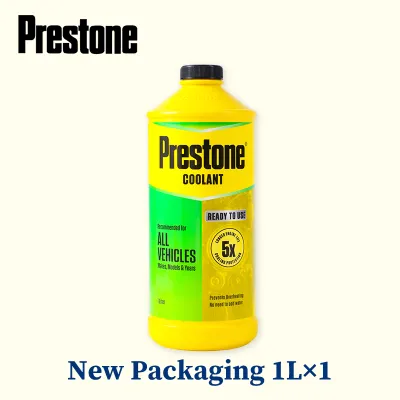
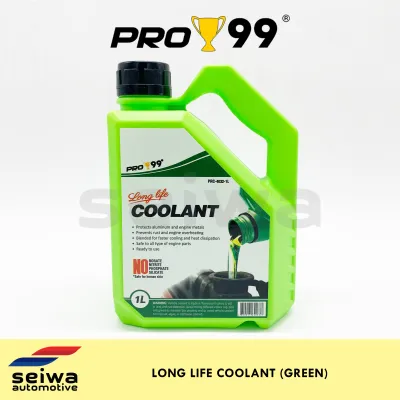
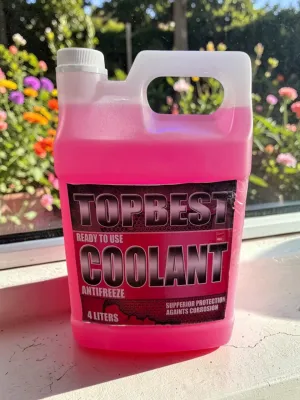
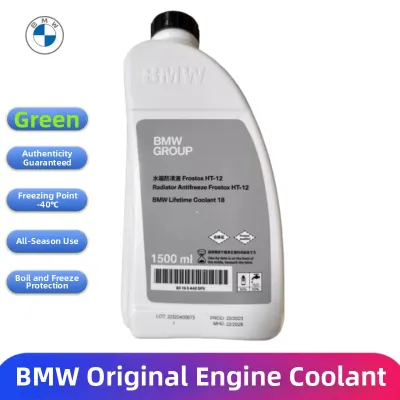
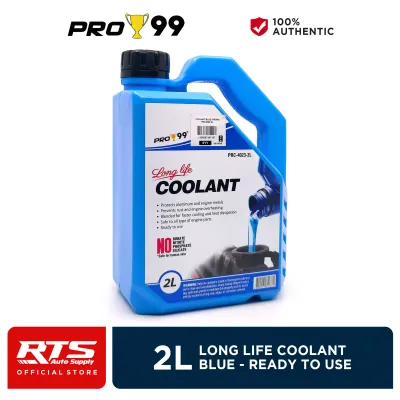
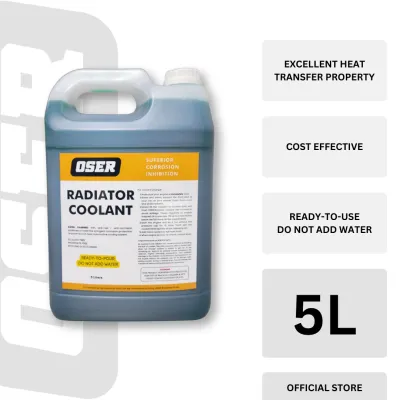
Prices are valid at publication and may change. Please refer to the product page for the latest price.
This environment highlights why the term “antifreeze” is a misnomer in tropical regions. While the glycol base of a car radiator coolant does indeed lower the freezing point of water, its boiling point elevation is what matters most in hot climates. Furthermore, high-quality coolants contain specialized lubrication agents and anti-corrosion additives. These components protect the water pump’s moving parts and prevent rust from building up inside the engine’s narrow cooling passages. Without these properties, a cooling system operating under sustained tropical heat would rapidly degrade, leading to localized hot spots and eventual engine seizure.
Critical Car Radiator Coolant Specifications to Verify on the Label
Selecting the right coolant requires a careful examination of the product label rather than relying on brand names or shelf placement. Because different engines utilize different metals and sealing materials, the fluid you choose must align precisely with your vehicle’s engineered specifications.

Boiling Point Elevation and System Pressure
Boiling point elevation is the chemical property that allows a coolant mixture to remain in a liquid state at temperatures where pure water would instantly flash into steam. If the coolant boils inside the engine block, it creates vapor pockets. Because vapor cannot absorb or transfer heat as effectively as liquid, these pockets cause rapid localized overheating. This localized heat can warp aluminum cylinder heads, crack engine blocks, or blow head gaskets.
The actual boiling point of the fluid in your vehicle is determined by both the chemical composition of the coolant and the pressure maintained by the cooling system. A standard 50/50 mixture of glycol and water has a base boiling point of approximately 108°C at sea level. However, when sealed inside a cooling system pressurized by a standard radiator cap (typically rated between 0.9 and 1.1 bar, or 13 to 16 psi), the effective boiling point of this mixture rises to over 125°C. This pressure-induced elevation provides a critical safety margin during periods of intense thermal load, such as climbing steep inclines or idling in midday traffic.
When purchasing a car radiator coolant, you must inspect the packaging for the certified boiling point specifications. These ratings are typically printed for both unpressurized and pressurized states. Always cross-reference these values with the requirements detailed in your vehicle owner’s manual to ensure compatibility. If the product label and your vehicle’s manual present conflicting specifications, or if the product’s suitability for your specific engine model is unclear, stop and consult the vehicle manufacturer or a qualified automotive professional before adding the fluid.
The Ideal Concentrate-to-Water Ratio for High Ambient Heat
A common misconception among some car owners in hot climates is that diluting coolant with extra water improves cooling performance because water has a higher specific heat capacity than glycol. While it is true that water transfers heat exceptionally well, using an overly diluted mixture or pure water severely lowers the boiling point of the system. It also dilutes the crucial corrosion inhibitors that protect the radiator’s internal surfaces. This practice leaves the cooling system highly vulnerable to boiling over and rapid internal rusting.
When mixing concentrated coolant, the quality of the water used is just as important as the coolant itself. You must use only distilled or demineralized water for dilution. Never use tap water, well water, or bottled drinking water. Tap water contains dissolved minerals, including calcium, magnesium, and chlorides. When subjected to the extreme heat and pressure inside an engine, these minerals precipitate out of the water, forming a hard scale on the inner walls of the radiator tubes and engine water jackets. This scale acts as an insulator, blocking heat transfer and eventually clogging the narrow passages of the radiator.
To avoid these risks, many automotive professionals recommend using pre-mixed or “ready-to-use” coolant formulations. These products are pre-diluted to the ideal 50/50 ratio using purified, demineralized water at the factory, eliminating the risk of mixing errors or mineral contamination. If you choose to mix a concentrate yourself, always adhere strictly to the vehicle manufacturer’s recommended ratio—typically between 50/50 and 60/40 glycol-to-water. Never alter this ratio based on seasonal weather changes, as maintaining the correct chemical balance is essential for year-round protection against both boiling and corrosion.
Choosing the Right Chemical Formulation for Sustained High Temperatures
Modern automotive cooling systems are highly sensitive to the chemical composition of the fluids running through them. To choose the correct product, you must understand the basic differences between the primary coolant technologies available on the market.
Inorganic Additive Technology (IAT) is the traditional formulation that typically uses silicates and phosphates to provide rapid corrosion protection. While effective, these additives deplete quickly, requiring the fluid to be flushed and replaced every two years or 40,000 kilometers. Organic Acid Technology (OAT) utilizes organic acids instead of silicates or phosphates, offering a much longer service life (often up to five years or 240,000 kilometers) and excellent protection for aluminum components. Hybrid Organic Acid Technology (HOAT) combines elements of both, using a small amount of silicates or phosphates alongside organic acids to provide rapid, long-lasting protection for multi-metal engines.
There is no single “best” formulation; the correct coolant is strictly the one specified by your vehicle’s manufacturer. Mixing incompatible coolant types is one of the most damaging mistakes you can make. For example, mixing an OAT coolant with an IAT coolant can cause a chemical reaction that precipitates the additives out of the solution, turning the mixture into a thick, gelatinous sludge. In the high-temperature environment of tropical driving, this sludge will quickly block the radiator tubes, restrict fluid flow, and cause immediate, severe engine overheating.
In addition to preventing boil-overs, these chemical formulations are packed with anti-corrosion and anti-foaming additives. Anti-foaming agents are critical because the rapid rotation of the water pump impeller can introduce air bubbles into the coolant. If these bubbles collapse violently against the metal surfaces of the pump or engine block—a phenomenon known as cavitation—they can physically erode the metal over time. Using an incorrect or degraded coolant allows these additives to break down rapidly under sustained high temperatures, leading to water pump failure, radiator leaks, and internal engine damage.
Maintenance Practices to Prevent Overheating in Tropical Traffic
Maintaining your vehicle’s cooling system is a continuous process that requires regular inspection and proactive care, especially when operating under the demanding driving conditions of the Philippines.
The most fundamental maintenance step is regularly checking the coolant level in the translucent overflow reservoir. This reservoir features “Min” and “Max” markings that allow you to verify the fluid level at a glance. Safety Warning: Always perform this visual check when the engine is completely cold. Never attempt to open the radiator cap or the pressurized expansion tank while the engine is hot or running. The cooling system operates under high pressure, and opening it prematurely can cause boiling coolant and steam to erupt from the filler neck, resulting in severe, life-altering burns.
While inspecting the fluid level, take a close look at the color and clarity of the coolant inside the reservoir. Healthy coolant should be clear and maintain its distinct original color. If the fluid appears muddy, brown, or contains floating debris, it is a clear sign of severe degradation or contamination. Furthermore, if you detect a milky appearance or a dark, oily film floating on the surface of the coolant, this often points to an internal engine leak, such as a failing head gasket allowing engine oil to mix with the cooling system. If you observe any of these conditions, stop operating the vehicle and seek a professional diagnostic inspection immediately.
The radiator cap itself is a critical pressure-control valve that requires periodic inspection. Over time, the rubber seals inside the cap can dry out, crack, or harden due to constant heat exposure, and the internal spring can lose its tension. A compromised radiator cap cannot maintain the system pressure required to elevate the coolant’s boiling point. This allows the coolant to boil at a lower temperature and escape into the overflow tank, leading to rapid fluid loss and sudden overheating during heavy traffic. Inspect the cap’s seals during routine maintenance, and replace it with an original-equipment manufacturer (OEM) part if any wear is detected.
Finally, always consult a qualified mechanic to perform a complete system flush and replacement at the intervals specified in your vehicle’s owner’s manual. A professional flush removes accumulated sediment, rust scale, and spent chemical additives that a simple drain-and-fill leaves behind. If your dashboard temperature gauge begins to rise above its normal midpoint, or if you notice coolant pooling beneath your parked vehicle, safely pull over to a secure location, turn off the engine, and contact a professional towing service. Continuing to drive an overheating vehicle can cause irreversible engine damage within minutes.
Frequently Asked Questions (FAQ)
Can I use pure water in my radiator during the hot summer months?
No, you should never use pure water in your radiator. Pure water boils at 100°C, which is too low to handle the operating temperatures of modern engines under intense tropical heat. Additionally, water lacks the necessary corrosion inhibitors and water pump lubricants, leading to rapid rust formation, mineral scale buildup, and premature water pump failure. Always use a properly formulated car radiator coolant to protect your engine.
How often should I flush the coolant in a tropical climate?
You should always follow the specific mileage or time intervals detailed in your vehicle’s owner’s manual. However, because driving in the Philippines often involves severe conditions—such as prolonged idling in high ambient temperatures and heavy urban traffic—the protective additives in your coolant may deplete faster. It is highly recommended to perform more frequent visual inspections and consult a qualified professional to test the fluid’s pH and protection levels annually.
Does the color of the coolant indicate its quality or boiling point?
No, the color of the coolant does not indicate its quality, chemical formulation, or boiling point. Manufacturers use dye colors (such as green, red, blue, pink, or yellow) for identification purposes, but these colors are not standardized across the automotive industry. To ensure compatibility and performance, always select coolant based on the specific technical standards (such as ASTM or OEM specifications) listed in your owner’s manual, rather than matching the color of the fluid.

Community discussion
Share your experience or ask a question. Comments are reviewed before publication.