
Finding a reliable rain coat for men motorcycle commuting in the Philippines requires balancing heavy tropical downpours with high humidity and dense urban traffic. A standard pedestrian poncho or a cheap plastic jacket will not withstand the wind pressure and sudden deluges typical of the local wet season. To stay dry and safe, riders must look for specific construction standards, aerodynamic fits, and high-visibility features. Choosing the right gear ensures you remain focused on the road rather than battling water leaks and flapping fabric.
Assessing Your Current Rain Gear and Commuting Needs
Before investing in new gear, it is practical to evaluate whether your current setup is still up to the task of daily commuting. Over time, even high-quality raincoats experience wear that compromises their protective qualities. You can identify early signs of failure by looking for damp spots on your clothes after a ride, which typically indicate seam leaks or degraded waterproof coatings. If the fabric feels heavy and saturated rather than shedding water, the outer water-repellent treatment has likely failed.
Daily commuting in urban areas demands gear that can handle frequent stops, sudden downpours, and high humidity. When you are idling in traffic, a low-quality raincoat can quickly turn into a personal sauna, trapping body heat and sweat. Furthermore, riding postures require a full range of motion that standard jackets cannot accommodate. If your current gear restricts your shoulders when reaching for the handlebars or pulls tight across your back, it compromises your control and comfort.
Products mentioned in this guide
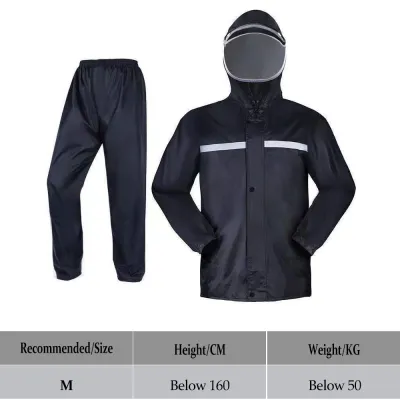
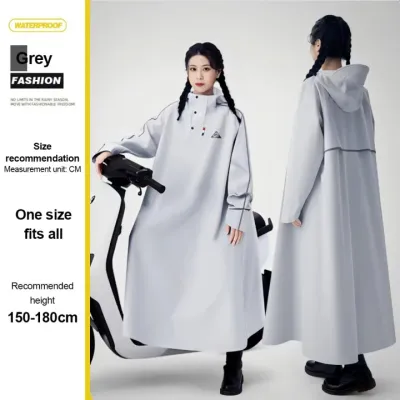
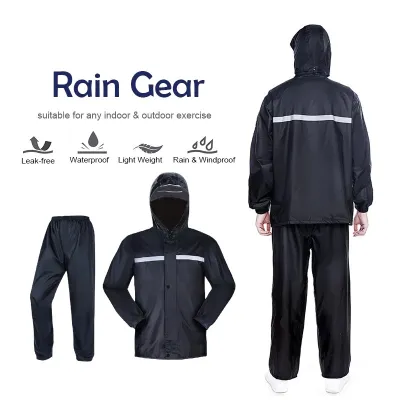
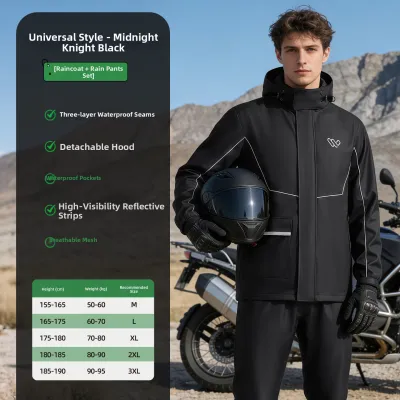

Prices are valid at publication and may change. Please refer to the product page for the latest price.
A quick diagnostic checklist can help determine if your gear needs an immediate upgrade. Check if water pools in the lap area and seeps through the zipper during a ride. Inspect the inner lining for any peeling, flaking, or bubbling of the waterproof membrane. Finally, observe if the jacket flaps excessively at moderate speeds, which causes rider fatigue and distracts you from surrounding traffic. If your gear fails any of these checks, it is time to look for a replacement.
Critical Waterproofing and Construction Checks
When shopping for a new motorcycle raincoat, understanding how to verify actual water resistance is crucial. Look for manufacturer labels that specify waterproof ratings, often measured in millimeters of water pressure. While water-resistant materials can handle light drizzles, daily commuting in tropical downpours requires fully waterproof fabrics, such as heavy-duty polyester or nylon coated with polyurethane. These materials are designed to block water even when subjected to the high wind speeds of motorcycle riding.

The stitching on a raincoat is a common entry point for water, making seam construction a top priority. High-quality riding gear features sealed or taped seams, where a waterproof tape is heat-applied to the inside of every stitched joint. During your physical inspection, turn the garment inside out to verify that this tape is fully adhered without any lifting or bubbling. Unsealed seams will inevitably allow water to seep through under the pressure of riding wind.
Zippers are another vulnerable area that requires robust protection. A reliable motorcycle raincoat should feature a heavy-duty main zipper shielded by a double storm flap. This flap overlaps the zipper and secures with hook-and-loop fasteners or snaps to block wind-driven rain. Additionally, look for reinforced panels in high-wear areas, particularly the seat of the pants and the crotch, where friction against the motorcycle seat can quickly wear down thin coatings.
Safety, Visibility, and Weather Protection
Riding in heavy rain drastically reduces visibility for all road users, making safety features a non-negotiable aspect of your gear. A dark raincoat blends into the gray, wet environment, increasing the risk of collisions. Opt for raincoats in high-visibility colors such as neon yellow, bright orange, or vibrant green. These colors help you stand out to other motorists even during torrential downpours when windshields are fogged.
In addition to bright colors, retroreflective strips are essential for low-light and nighttime riding. These strips reflect light back to vehicle headlights, making your silhouette visible from a distance. When choosing a raincoat, verify that the reflective panels are positioned across the upper back, chest, and sleeves. Ensure that these reflective elements are not obscured by your riding posture or when wearing a daily commuter backpack.
Proper weather protection also depends on the design of the collar and cuffs. The collar should be high enough to sit comfortably under the lower edge of your helmet, featuring an adjustable closure to prevent water from running down your neck. Cuffs should have elastic bands or adjustable hook-and-loop straps that seal tightly around your wrists. This prevents wind from forcing rain up your sleeves, keeping your arms dry throughout the commute.
Fit, Aerodynamics, and Helmet Compatibility
A proper fit is essential not only for comfort but also for aerodynamic stability on the road. Excessively loose fabric acts like a sail, catching the wind and creating drag that can destabilize your motorcycle at higher speeds. This constant flapping causes physical fatigue and creates distracting noise. Look for raincoats equipped with adjustable waist, arm, and leg straps that allow you to cinch down excess material for a streamlined profile.
To ensure a proper fit, always test the raincoat while mimicking your active riding posture. Reach forward as if gripping the handlebars and check if the sleeves still cover your wrists. Bend your knees to ensure the pants do not ride up too high, leaving your ankles exposed to the rain. The back of the jacket should also feature a longer hem to keep your lower back covered when leaning forward on your motorcycle.
Helmet compatibility is another critical factor when evaluating hood designs. Standard hoods can bunch up uncomfortably under a helmet, causing neck strain and restricting your ability to turn your head to check blind spots. If the raincoat has a hood, it should be thin enough to wear comfortably under your helmet, or completely stowable inside the collar. Many experienced commuters prefer collar-only designs that eliminate the hood entirely to avoid wind resistance and vision obstruction.
When to Maintain, Repair, or Replace Your Raincoat
Proper maintenance can significantly extend the lifespan of your motorcycle rain gear. After riding through road grime, salt, and oil, gently clean your raincoat using cool water and a mild soap recommended by the manufacturer. Avoid harsh detergents, fabric softeners, or machine washing, which can strip away waterproof coatings and damage reflective strips. Once clean, you can reapply a manufacturer-approved durable water repellent (DWR) spray to restore the fabric’s water-beading performance.
However, some forms of damage are irreversible and require immediate replacement of the gear. If you notice widespread delamination, where the inner waterproof membrane is peeling away from the outer fabric, the material can no longer block water. Torn seams, broken zippers that cannot be repaired, or severely faded reflective strips also compromise your safety on the road. Attempting to patch large tears in high-pressure areas like the crotch or shoulders rarely provides a lasting seal.
When deciding whether to repair or replace, consider your daily commuting frequency and the severity of local weather. If your daily route involves high-speed roads or prolonged exposure to heavy monsoons, relying on compromised gear is a safety hazard. Upgrading to a durable, highly visible, and properly fitted motorcycle rain suit ensures you remain dry, comfortable, and visible to other drivers, protecting your well-being on every wet commute.
Frequently Asked Questions (FAQ)
Can I use a standard walking raincoat for motorcycle commuting?
Standard walking raincoats are not built to withstand the wind pressure and physical demands of motorcycle riding. They lack aerodynamic adjustments, which causes them to flap violently, balloon with air, and distract the rider at speed. Furthermore, their seams are rarely reinforced for riding postures, leading to rapid water leakage at the crotch and shoulders, and they often lack the necessary high-visibility reflective elements required for road safety.
How should I clean and store my motorcycle raincoat to maintain its waterproofing?
To clean your raincoat, hand wash it gently using cool water and a mild, tech-wash detergent designed specifically for waterproof membranes. Avoid fabric softeners, bleach, and machine drying, as these harsh treatments can strip the waterproof coatings and peel off reflective strips. Always hang the gear to air-dry completely in a shaded, well-ventilated area before folding or storing it to prevent mold, mildew, and material degradation.
Are two-piece rain suits better than one-piece ponchos for daily riding?
Two-piece rain suits are far safer and more effective than one-piece ponchos for daily motorcycle commuting. Ponchos flap uncontrollably in the wind, which can catch on moving motorcycle parts, block your vision, or destabilize your balance. A two-piece suit provides a secure, contoured fit, superior wind resistance, and complete coverage, keeping you dry while allowing full control of your vehicle.

Community discussion
Share your experience or ask a question. Comments are reviewed before publication.