
To protect your motorcycle from the intense tropical climate of the Philippines, a high-quality motorcycle cover must offer more than just basic dust protection. The ideal cover needs to balance two demanding environmental factors: torrential monsoon rains that can saturate fabrics for days, and scorching, high-UV sunlight that degrades plastics and paint. To withstand these conditions, you must look for a cover with a high-density waterproof fabric, heat-sealed or taped seams, active ventilation panels to prevent condensation, a soft UV-reflective outer layer, and robust wind-securing straps.
Evaluating Waterproofing and Moisture Control
When evaluating a motorcycle cover for the rainy season, understanding the distinction between water-resistant and fully waterproof materials is crucial. Water-resistant covers can handle light showers, but they will quickly saturate and leak during heavy tropical downpours or prolonged monsoon rains. For reliable protection, look for covers made from heavy-duty synthetic fabrics, such as polyester or nylon, that feature a thick polyurethane (PU) or polyvinyl chloride (PVC) inner coating. These coatings act as a physical barrier, preventing water from penetrating the fabric even under the pressure of wind-driven rain.
However, the fabric itself is only part of the equation; the seams are often the weakest point. Standard stitched seams contain thousands of tiny needle holes that allow water to seep through over time. To prevent this, check the manufacturer’s specifications for heat-welded joints or taped seams. Taped seams feature a waterproof tape applied under high heat and pressure along the interior stitching, effectively sealing the needle holes and ensuring complete waterproof integrity.
Products mentioned in this guide
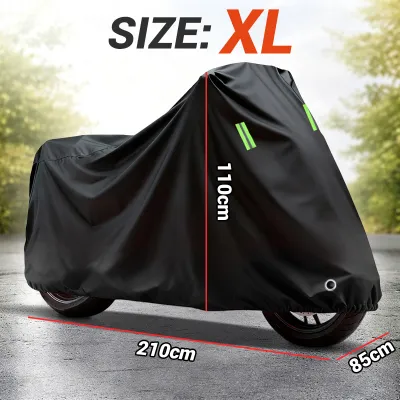
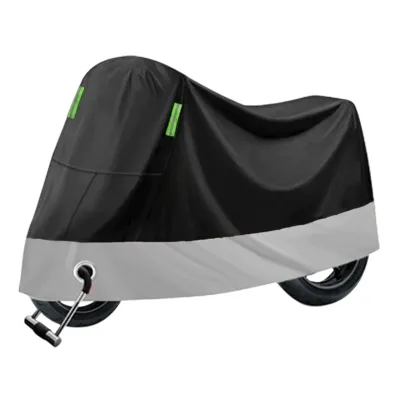
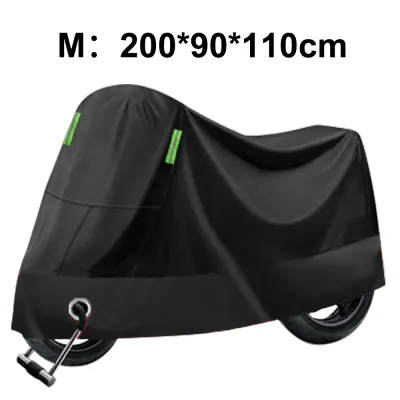
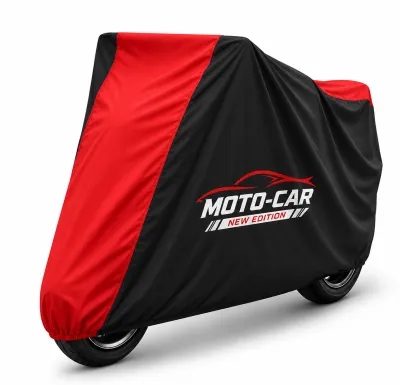
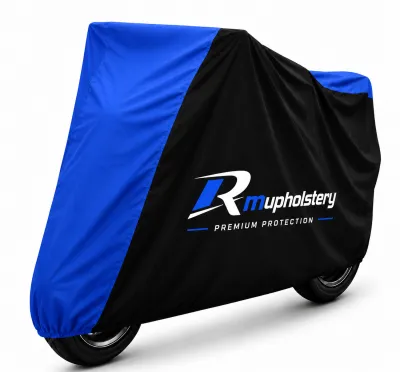
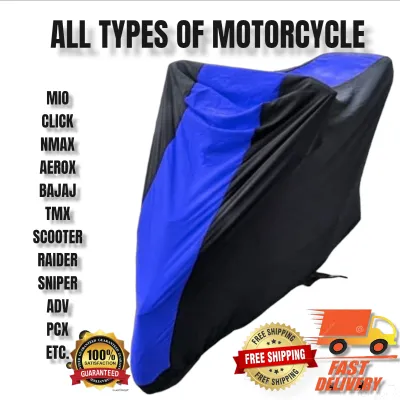
Prices are valid at publication and may change. Please refer to the product page for the latest price.
While keeping rain out is essential, managing internal moisture is equally critical. In high-humidity environments, temperature drops after a rainstorm cause moisture from the ground and the air to condense on the cold metal surfaces of your motorcycle. If a cover is completely sealed without ventilation, this moisture becomes trapped, creating a humid greenhouse effect that accelerates rust on the chain, frame, and electrical contacts, while encouraging mold growth on the seat. To prevent this, select a cover with strategically placed ventilation panels, typically located near the handlebars or the upper rear section. These vents should feature protective flaps or cowls that allow warm air and moisture to escape while preventing wind-driven rain from entering.
Assessing UV Protection and Heat Resistance
The tropical sun can be just as damaging to your motorcycle as heavy rain. High UV index levels degrade materials rapidly, causing paint to fade, plastic fairings to become brittle, and vinyl seats to crack. To shield your bike from intense sun exposure, look for covers with UV-reflective outer layers, often characterized by silver or light-colored coatings, or fabrics treated with specialized UV inhibitors. These treatments reflect solar radiation, keeping the temperature under the cover significantly lower than the ambient air and protecting your bike’s cosmetic finishes.

The inner lining of the cover also plays a vital role in protecting your motorcycle’s surfaces. A rough or stiff inner lining can cause micro-scratches on the clear coat of your paintwork or windshield as the cover shifts in the wind. Look for covers featuring a soft, non-abrasive inner lining, such as brushed polyester, fleece, or microfiber.
Additionally, ensure the lining material is heat-resistant, particularly around the lower sections that may come into contact with a warm engine or exhaust pipe. As a critical safety boundary, always refer to your original-vehicle instructions and allow your motorcycle’s engine and exhaust to cool down completely before applying any cover, even those labeled as heat-resistant, to prevent melting, fire hazards, or damage to the bike’s components. Over months of exposure, perform regular visual checks for signs of material degradation, such as fading, a stiff or “crispy” texture, or fine cracks in the inner waterproof coating, which indicate the cover is losing its protective capabilities.
Ensuring Secure Fit and Wind Resistance
Sudden squalls and tropical depressions bring strong winds that can easily turn a loose motorcycle cover into a sail. If a cover is not securely fastened, the wind can lift it off entirely, or worse, drag the motorcycle over, causing expensive structural damage. To prevent this, evaluate the securing mechanisms. A quality cover should feature a strong elastic hem around the front and rear bottoms to hug the tires closely.
In addition to elastic hems, adjustable belly straps that buckle underneath the frame are essential. These straps anchor the cover to the motorcycle, preventing wind from getting underneath and lifting it. Some designs also include front-wheel buckles or drawcords for a more customized fit.
Sizing is critical. Do not rely on generic “one-size-fits-all” claims. Measure your motorcycle’s length, width, and height, and compare them to the manufacturer’s sizing chart. If you have added aftermarket accessories such as a top box, side panniers, a tall windshield, or extended handlebars, you must account for these extra dimensions. A cover that is too small will not cover the wheels and lower engine components, while a cover that is too large will sag, collect puddles of water, and flap excessively in the wind.
Look for reinforced grommets or lock holes near the front and rear wheels. These allow you to pass a heavy-duty cable lock or U-lock through both the cover and the wheel. This serves a dual purpose: it secures the cover against theft and high winds, and it secures your motorcycle itself.
Verifying Material Quality and Construction Claims
When shopping online or in-store, it is easy to be misled by high-quality product photos and generic marketing buzzwords. To make an informed decision, read the care labels and material tags carefully. Look for specific fabric density ratings, typically measured in Denier (D). A higher Denier rating, such as 300D or 600D polyester, indicates a thicker, stronger thread and a tighter weave, which translates to better tear resistance and durability compared to cheap 150D alternatives.
Inspect the physical construction of the cover. Look for double-stitched seams, which offer much higher tensile strength than single-stitched seams. Check if the high-stress points—such as the areas that rest on the mirrors, handlebars, and the rear passenger grab rails—are reinforced with extra layers of fabric. A heavy fabric weight is often a good physical indicator of quality; lightweight, paper-thin covers rarely survive a single typhoon season.
Be wary of product listings that lack detailed material specifications, omit warranty information, or make unverifiable claims about “100% lifetime waterproofing” without explaining the technology or materials used. Legitimate manufacturers will clearly state the fabric composition (e.g., solution-dyed polyester), the coating type (e.g., polyurethane), and provide clear care instructions.
Maintaining Your Motorcycle Cover in a Tropical Climate
To maximize the lifespan of your motorcycle cover in a hot, humid environment, proper maintenance is essential. Never wash a waterproof cover in a washing machine with harsh laundry detergents or fabric softeners, as these chemicals can strip away the waterproof coatings and degrade the UV-resistant treatments. Instead, clean the cover while it is draped over the motorcycle. Use a soft sponge, cool water, and a mild, pH-neutral soap if necessary. Rinse thoroughly and allow it to air dry completely in a shaded area. Never use a high-heat clothes dryer, which can melt the synthetic fibers and ruin the inner lining.
Never put a wet cover on a wet motorcycle, and never cover a wet motorcycle with a dry cover. Trapping moisture between the cover and the bike creates an ideal environment for rapid rust formation, electrical corrosion, and mold growth on vinyl seats and grips. Always dry your motorcycle thoroughly with a microfiber cloth after a ride in the rain before applying the cover.
When the cover is not in use, do not leave it crumpled on the ground where it can collect dirt, insects, and moisture. Fold it loosely and store it in a cool, dry storage bag or cabinet. Periodically inspect the cover for small tears, loose stitching, or signs of coating degradation. Addressing minor wear early can prevent it from turning into a major tear during the next heavy storm.
Frequently Asked Questions (FAQ)
Can I use a standard tarp or car cover for my motorcycle?
Using a standard utility tarp or a cut-down car cover is highly discouraged. Tarps are made of stiff, abrasive polyethylene that can easily scratch your motorcycle’s paintwork and plastic fairings when moved by the wind. Furthermore, tarps lack the tailored shape, elastic hems, and belly straps required to stay secure, making them highly susceptible to blowing away or acting as a sail that can tip your bike over. They also lack ventilation panels, meaning they will trap heat and moisture directly against your engine and electrical components, accelerating rust.
How often should I replace my motorcycle cover in a tropical climate?
There is no fixed expiration date for a motorcycle cover, as its lifespan depends heavily on its material quality, maintenance, and the level of direct sun and rain exposure it receives. Instead of relying on a timeline, perform regular visual and tactile checks. You should replace your cover if you notice the inner waterproof coating peeling, flaking, or cracking; if water no longer beads on the outer surface and instead soaks through the fabric; or if the material becomes stiff, brittle, and prone to tearing under light tension. In the harsh tropical climate of the Philippines, a standard mid-range cover typically lasts between one to three years of continuous outdoor exposure before requiring replacement.

Community discussion
Share your experience or ask a question. Comments are reviewed before publication.