
Navigating the Philippine rainy season on two wheels requires gear that can handle sudden, torrential downpours while managing intense tropical heat. A standard lifestyle raincoat will quickly leave you drenched from the inside out due to trapped sweat and humidity. To stay dry and comfortable during your commute, a cycling-specific rain jacket must balance robust waterproofing with active ventilation, high visibility, and a cut tailored specifically for the riding position.
By focusing on technical fabric ratings, seam construction, mechanical vents, and safety features, you can find a jacket that keeps you dry without causing you to overheat. Evaluating these features systematically ensures your gear performs reliably through the wettest months of the year.
Core Waterproofing and Seam Construction
When evaluating a rain jacket, the fabric’s waterproof rating is your first line of defense against heavy monsoon rains. This rating, typically measured in millimeters (mm) using a hydrostatic head test, indicates how much water pressure the material can withstand before moisture penetrates. For the intense, wind-driven downpours common during the wet season, look for a jacket with a rating of at least 10,000mm. This level of resistance helps prevent water from forcing its way through the fabric, particularly under the high-pressure areas created by backpack straps.
Products mentioned in this guide
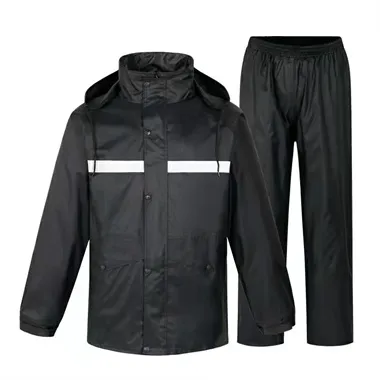
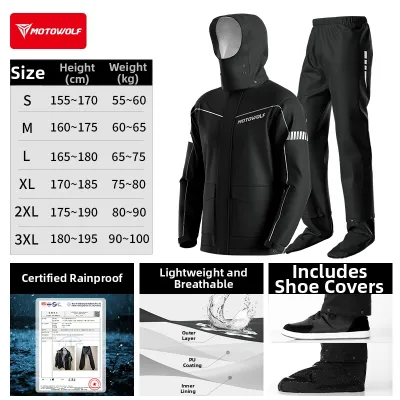
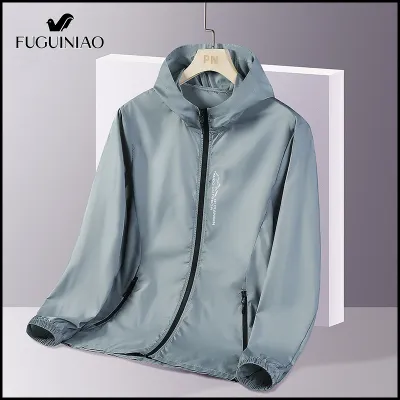
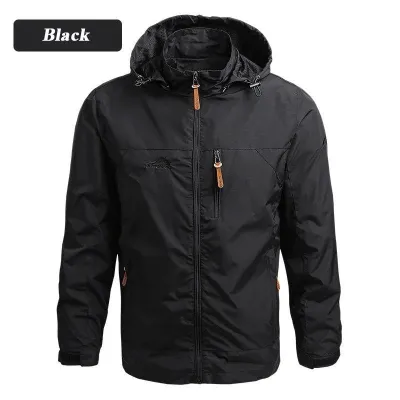
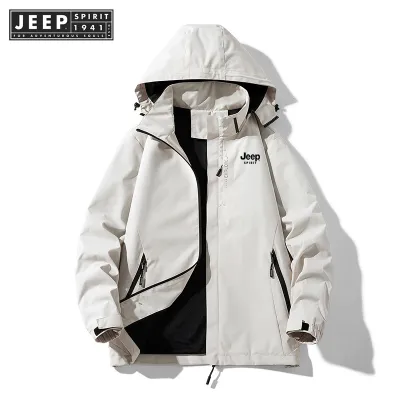
Prices are valid at publication and may change. Please refer to the product page for the latest price.
Even the most waterproof fabric will fail if the seams are not properly constructed. Standard stitching creates thousands of tiny holes that allow water to seep inside during prolonged exposure to rain. Inspect the garment specifications for fully taped seams, where a hot-melt waterproof tape is applied over every internal seam. Jackets labeled as having critically taped seams only seal high-exposure areas like the shoulders and neck, which may allow water to penetrate along the sides and arms during a heavy storm.
Secondary barriers are equally important for keeping water out. Look for jackets equipped with water-resistant zippers, often coated with polyurethane, or zippers protected by external storm flaps. Adjustable cuffs with hook-and-loop fasteners or snug elastic seals prevent wind and rain from blowing up your sleeves as you grip the handlebars. A high collar with a soft chin guard also helps seal the neck area, preventing water from running down your chest.
Breathability and Ventilation for Tropical Climates
In high-humidity environments, breathability is just as critical as waterproofing. When you pedal, your body generates significant heat and moisture. If this sweat cannot escape, it condenses on the inside of the jacket, leaving you damp and uncomfortable. While technical fabrics are designed to let moisture vapor escape while blocking liquid water, high ambient humidity can limit this passive transfer.

To counter this limitation, prioritize jackets with mechanical ventilation features. Pit zips—zippers located under the armpits—are highly effective because they allow you to dump excess body heat quickly without exposing your torso directly to falling rain. Back vents with overlapping fabric flaps across the shoulder blades allow warm air to rise and escape while keeping water rolling off your back. Mesh-lined pockets that double as zippered vents offer additional airflow customization during strenuous climbs.
Additionally, check the interior lining of the jacket. A 2.5-layer or 3-layer construction often features a textured print or a raised inner pattern. This design prevents the wet fabric from sticking directly to your skin or arms, maintaining a comfortable microclimate inside the jacket even when you are sweating during a warm, humid commute.
Cycling-Specific Fit, Mobility, and Visibility
A standard jacket is designed for standing upright, which causes the fabric to bunch at the chest and ride up at the back when you lean forward over the handlebars. Cycling-specific jackets feature an elongated back panel, known as a dropped rear hem, to protect your lower back and seat from dirty road spray kicked up by your rear tire. Articulated sleeves and gusseted underarms allow your shoulders to move freely without pulling the cuffs down your wrists.
Monsoon downpours drastically reduce road visibility, making it difficult for motorists to see cyclists through wet windshields. Opt for jackets in high-visibility colors such as neon yellow, vibrant orange, or bright green. Ensure the jacket features reflective elements or strips on the back, shoulders, and cuffs. These placements are highly visible to drivers approaching from behind or turning at intersections in low-light conditions.
If you prefer riding with a hood, verify its compatibility with your helmet. Some hoods are designed to fit over a helmet, featuring adjustable drawcords to secure the fabric against strong winds. Others are cut slim to fit snugly under the helmet. Whichever style you choose, ensure the hood does not block your peripheral vision when you turn your head to check for passing traffic.
Durability, Storage, and Daily Maintenance
Daily commuting during the wet season subjects your gear to road grit, oil, and frequent wear. Check the fabric’s denier rating, which indicates the thickness and durability of the individual threads. Reinforced panels on the shoulders and lower back are highly beneficial if you regularly ride with a backpack, as they prevent the straps and back panel from wearing down the waterproof membrane over time.
Secure, water-resistant storage is essential for protecting your electronics and personal items. Look for zippered chest or rear pockets protected by storm flaps to keep your phone, wallet, and keys dry and accessible. Internal mesh pockets are also useful for storing dry gloves or a cap when they are not in use.
To maintain the performance of your rain jacket, always follow the manufacturer’s care label. Most technical rain gear relies on a Durable Water Repellent (DWR) chemical treatment on the outer fabric, which causes water to bead up and roll off. Over time, dirt, sweat, and friction will degrade this coating. Wash the jacket regularly using a technical liquid detergent designed for waterproof outerwear, and avoid fabric softeners, which can clog the breathable membrane. When water stops beading on the surface, restore the performance by applying a spray-on or wash-in DWR reproofing treatment.
Frequently Asked Questions (FAQ)
Is a rain poncho a better alternative to a rain jacket for cycling?
While rain ponchos are highly packable and offer excellent airflow due to their open design, they are generally less suitable for active cycling in stormy conditions. The loose, billowing fabric of a poncho acts like a sail in strong winds, which can destabilize your balance and create dangerous aerodynamic drag. Additionally, loose fabric runs the risk of getting caught in your wheels, chain, or brake components. A structured rain jacket offers a streamlined fit that keeps you safer and more agile on the road, making it the preferred choice for dedicated commuting.
How should I layer clothing under a waterproof cycling jacket?
To manage body temperature and moisture effectively, wear a lightweight, moisture-wicking synthetic or merino wool base layer beneath your rain jacket. Avoid cotton t-shirts, as cotton absorbs sweat and holds moisture against your skin, making you feel cold and clammy once you stop pedaling. Because the tropical climate remains warm even during heavy rains, a single thin base layer is usually sufficient to prevent the jacket from sticking to your skin while allowing your body to regulate its temperature naturally.

Community discussion
Share your experience or ask a question. Comments are reviewed before publication.