
Commuting on a motorcycle during the rainy season in the Philippines presents a unique set of challenges, from sudden tropical downpours to intense humidity. To stay safe and comfortable, you need a complete, integrated waterproof system rather than a single protective layer. A single weak point—such as water seeping into your boots or soaking through your collar—can quickly lead to shivering, loss of concentration, and compromised control of your motorcycle.
An effective wet-weather commuting kit consists of several specialized components:
- Helmet protection: A dedicated helmet raincoat waterproof cover or a high-quality anti-fog visor system to maintain clear vision.
- Body protection: A breathable, two-piece waterproof riding suit designed to fit over your standard protective armor.
- Extremity protection: Waterproof riding gloves (or over-gloves) and durable shoe covers or waterproof riding boots.
- Cargo protection: Roll-top dry bags or heavy-duty waterproof backpack covers to keep your electronics and daily essentials dry.
In the tropical climate of the Philippines, balancing waterproofing with breathability is critical. Standard plastic gear often traps body heat, turning your rain suit into a personal sauna and leaving you soaked in sweat. Selecting gear that manages both external rain and internal moisture is the key to a safe, comfortable daily commute.
Products mentioned in this guide
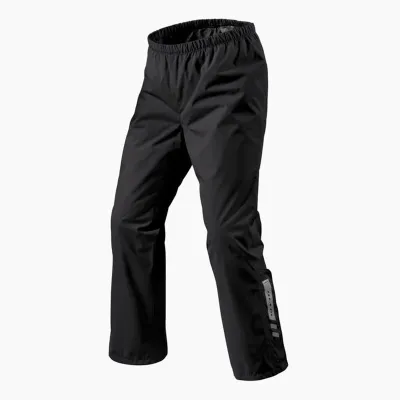
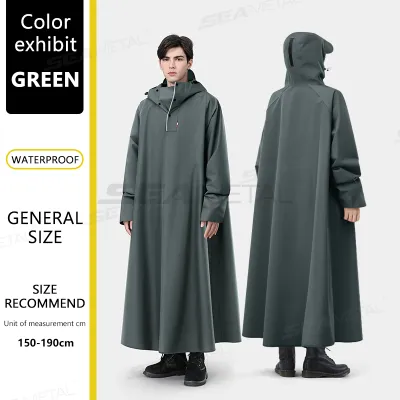
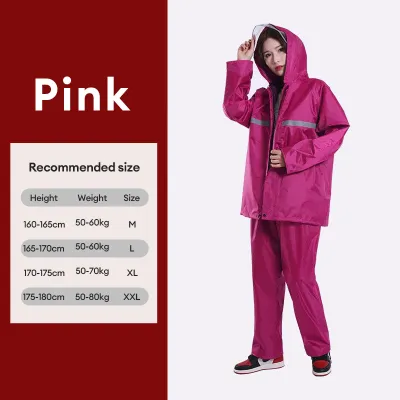
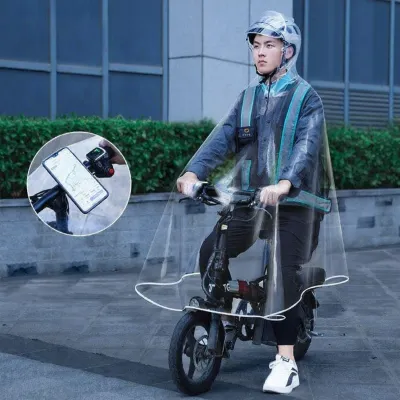
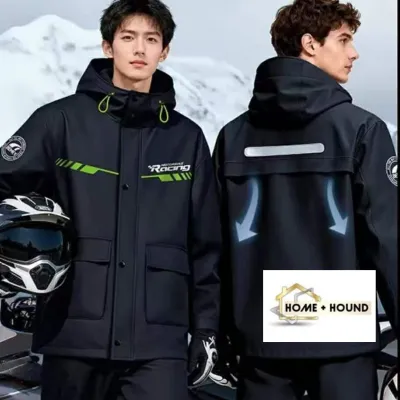
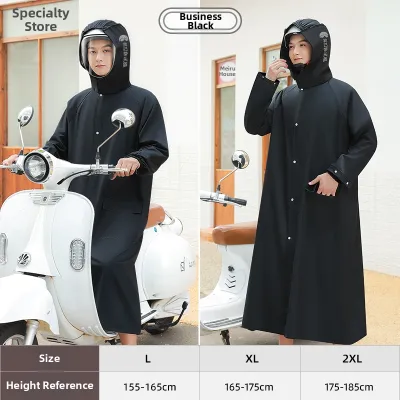
Prices are valid at publication and may change. Please refer to the product page for the latest price.
How to Choose Waterproof Riding Gear for Monsoon Rides
Choosing the right gear requires looking past generic marketing terms and understanding the materials that keep water out while letting air circulate. Fully waterproof gear typically features polyurethane (PU) coatings or advanced membrane technologies that block liquid water while allowing microscopic vapor molecules to escape. When evaluating rain gear, check the manufacturer’s specifications for taped or heat-sealed seams, as standard stitching creates thousands of tiny needle holes where water can easily penetrate under the pressure of riding wind. Always verify the specific waterproof ratings on the product label—often measured in millimeters of water column (such as 5,000mm to 10,000mm)—to ensure the material can withstand high-speed wind and rain.
Managing tropical humidity is one of the most difficult aspects of monsoon riding in the Philippines. To prevent sweat buildup, look for riding rainwear equipped with dedicated ventilation zippers that feature waterproof backings or storm flaps. These vents are strategically placed—usually under the arms, across the chest, or on the upper back—to allow airflow without letting rain inside, helping to regulate your body temperature during slow-moving traffic in Metro Manila. Breathable fabrics are highly recommended because they allow perspiration to escape, keeping your skin dry and preventing the clammy feeling that often leads to discomfort and distraction.
Visibility drops dramatically during heavy downpours, making high-visibility colors and reflective elements a non-negotiable safety feature. Opt for neon yellow, bright orange, or high-contrast green rain gear equipped with retroreflective strips along the chest, back, and sleeves. These materials catch the headlights of surrounding vehicles, ensuring you remain visible to other motorists even when heavy rain and road spray obscure the road ahead. When purchasing gear, check that the reflective piping or panels meet recognized safety standards for visibility, as low-quality reflective paint can quickly peel or fade after a few rides.
Finally, the fit of your wet-weather gear directly impacts your safety and control. Rain suits must be loose enough to layer comfortably over your daily riding jacket and protective armor without compressing or displacing the impact pads. However, avoid excessively baggy gear; loose fabric will flap violently at highway speeds, causing fatigue, distracting you, and potentially snagging on your motorcycle’s handlebars, mirrors, or footpegs. Look for garments with adjustable straps at the waist, biceps, and cuffs, which allow you to customize the fit and prevent wind from ballooning the suit while you ride.
Recommended Helmet Raincoats and Visor Solutions for Clear Vision
Maintaining a clear view of the road is your first line of defense when riding in the rain, making head and face protection a top priority. A specialized helmet raincoat waterproof cover is designed to stretch securely over the outer shell of your helmet, blocking rain from entering open ventilation ports. These covers typically feature elasticized hems and adjustable drawstrings or chin straps to ensure they remain firmly attached at commuting speeds, protecting the internal EPS liner and comfort padding from getting soaked. When choosing a cover, verify that its material is highly tear-resistant and does not block your peripheral vision or physical head movement. Ensure the cover is compatible with your specific helmet model and size to prevent it from slipping off or flapping dangerously in the wind.

Even if your helmet shell stays dry, internal visor fogging can quickly blind you due to the temperature differential between the cool rain outside and your warm breath inside. Installing a physical anti-fog insert, such as a Pinlock-style double-pane lens, creates a sealed pocket of air that prevents condensation from forming on the visor. For the exterior of the visor, applying a specialized water-repellent coating helps rain bead up and slide off instantly under wind pressure, keeping your field of view clear during active downpours. Always check your helmet manufacturer’s instructions before applying any chemical treatments, as some visor materials or coatings can be damaged by unauthorized cleaning agents or water-repellent sprays.
Your choice of helmet also dictates how you manage water entry around your neck and collar. Full-face helmets offer the best natural protection against driving rain, but water can still run down your chin and seep into your jacket collar. To prevent this, consider wearing a lightweight, waterproof balaclava or a dedicated neck gaiter that tucks deeply inside your rain jacket’s collar. If you ride with an open-face helmet, a comprehensive waterproof face shield or a helmet cover with an integrated extended neck guard is essential to keep water from driving directly onto your face and chest. Be sure to verify that any added neck protection does not restrict your ability to turn your head and perform vital blind-spot checks.
Top Riding Raincoats and Ponchos for Daily Commuting
When selecting your primary body protection, you will generally choose between a structured two-piece rain suit and a simple riding poncho, each offering distinct advantages and trade-offs. A two-piece rain suit, consisting of a separate waterproof jacket and pants, is the superior option for high-speed, long-distance, or highway commuting. This design offers complete coverage, minimizes wind resistance, and allows you to retain your standard riding pants and knee armor underneath. Look for suits featuring double storm flaps over the main zippers, adjustable hook-and-loop cuffs at the wrists and ankles, and a high collar to seal out wind-driven water. The separate pants should also feature wide leg openings with zippers or gussets, allowing you to pull them on quickly over your riding boots without struggling on the roadside.
Riding ponchos are often favored by urban commuters for their convenience, low cost, and ease of putting on during sudden roadside stops. However, ponchos carry significant safety risks at commuting speeds because the loose, unanchored fabric can flap violently, block your mirrors, or even catch on moving parts like your motorcycle’s rear wheel or chain. Furthermore, ponchos offer virtually no protection for your lower legs and feet against heavy road spray, and they cannot accommodate or protect standard riding armor effectively. If you must use a poncho, limit its use to very low-speed, short-distance trips, and ensure it is secured tightly around your body to prevent it from ballooning or interfering with your control of the motorcycle.
Regardless of the style you choose, ensure your rain gear integrates seamlessly with your existing protective equipment. Never wear your waterproof layer under your protective riding jacket, as the outer jacket will absorb water, become extremely heavy, and cause rapid cooling. The waterproof suit must act as the outermost shell, sized correctly to slide over your shoulder, elbow, and back protectors without restricting your physical ability to steer, lean, or react to road hazards. Before setting off, perform a quick mobility check to confirm that the layered gear does not restrict your arm movement or compress your safety armor, which could compromise its impact-protection capabilities.
Essential Waterproof Accessories for Complete Protection
Protecting your hands and feet is critical for maintaining precise control of your motorcycle’s clutch, brakes, and gear shifter during wet conditions. Dedicated waterproof riding gloves feature integrated waterproof membranes and reinforced palms to ensure a secure grip on wet handlebars. Alternatively, you can use lightweight waterproof over-gloves worn over your standard leather or textile riding gloves, though this setup can sometimes reduce tactile feedback and dexterity. Whichever option you choose, verify that the gloves fit securely and do not slip on the grips or levers. Cold, wet hands can quickly become stiff, reducing your reaction time and braking force, so keeping your hands dry is a fundamental safety requirement.
Your feet are highly vulnerable to road spray, deep puddles, and water pooling near curbs, making robust footwear protection essential. While dedicated waterproof riding boots offer the best combination of impact protection and weather resistance, heavy-duty silicone or PVC shoe covers are a highly practical alternative for daily commuters. Ensure any shoe covers you select have slip-resistant soles to prevent your feet from sliding when you stop on wet asphalt, and verify that they do not interfere with your motorcycle’s gear shifter or rear brake pedal. Always check that the shoe covers fit snugly around your ankles to prevent water from running down your legs and pooling inside your shoes.
Keeping your personal belongings, electronics, and work documents dry is another major concern for daily commuters. Standard backpacks rarely survive a tropical downpour, so investing in a roll-top dry bag made of heavy-duty PVC or TPU is highly recommended. If you prefer to use your existing backpack, ensure you protect it with a fitted waterproof backpack cover, or pack your sensitive electronics inside individual, sealed dry sacks before placing them in your bag. Secure any external bags tightly to your motorcycle’s luggage rack or pillion seat using heavy-duty bungee cords or cargo nets, verifying that they do not block your tail lights, turn signals, or exhaust pipe.
How to Clean and Maintain Your Waterproof Riding Gear
Proper maintenance is key to preserving the performance, safety, and longevity of your waterproof riding gear. After riding through a rainstorm, always rinse your gear with clean, fresh water to remove road grime, salt, and mud, which can degrade waterproof coatings over time. When a deeper clean is necessary, hand wash the gear using mild, technical soaps specifically formulated for waterproof fabrics; avoid standard household detergents, fabric softeners, or bleach, as these chemical agents can strip away the durable water repellent (DWR) finish and damage internal membranes. Always refer to the manufacturer’s care label on your specific gear before washing, as instructions may vary based on the fabric blend.
Never place your waterproof riding gear in a mechanical dryer or expose it to direct, intense sunlight, as extreme heat can melt PU coatings, delaminate taped seams, and weaken the fabric. Instead, hang your gear to air dry in a well-ventilated, shaded indoor area or a covered outdoor space. Ensure the gear is completely dry inside and out before storing it to prevent the growth of mold, mildew, and unpleasant odors. Storing damp gear in a closed closet or under-seat compartment can permanently ruin the waterproof membranes and cause the fabric to rot.
Over time, even the highest-quality gear may begin to “wet out,” a condition where the outer fabric absorbs water instead of letting it bead and roll off. When you notice the outer fabric holding moisture, it is time to restore the water-repellent barrier. Apply a high-quality aftermarket DWR spray evenly across the clean, dry outer surface of the gear according to the manufacturer’s label instructions, paying extra attention to high-wear areas like the shoulders, knees, and seat. Ensure you perform this application in a well-ventilated area, and allow the treatment to cure fully before exposing the gear to rain again.
Frequently Asked Questions (FAQ)
Can I use a regular plastic raincoat for motorcycle riding?
No, regular plastic raincoats or generic disposable ponchos are highly unsafe for motorcycle riding. They are not designed to withstand riding winds, meaning they will flap violently, tear easily at speed, and potentially block your vision or wrap around your motorcycle’s moving parts. Additionally, these materials lack any abrasion resistance in the event of a slide and do not breathe, quickly leaving you soaked in sweat.
How do I stop my helmet visor from fogging up in the rain?
The most effective way to prevent visor fogging is to install a physical anti-fog insert, such as a Pinlock lens, which attaches to the inside of your visor to create a sealed insulation barrier. You can also apply specialized anti-fog sprays or treatments to the inner surface of your visor according to the product instructions. Always keep your helmet’s ventilation ports slightly open to maintain airflow, rather than riding with your visor cracked open, which allows rain to enter and compromise your vision.
Is it safe to ride a motorcycle during a severe typhoon?
No, it is extremely dangerous to ride a motorcycle during a severe typhoon or heavy tropical storm. No amount of waterproof gear can protect you from the extreme hazards of high crosswinds, flying debris, fallen power lines, or deep, unpredictable flash floods. If a typhoon warning is active or if you encounter severe flooding, seek safe shelter immediately or choose alternative, enclosed public transportation.

Community discussion
Share your experience or ask a question. Comments are reviewed before publication.