
Determining whether Preston coolant is suitable for your vehicle in the Philippines depends on matching its specific chemical formulation and boiling point with your engine’s operational requirements. While the brand offers products capable of handling high thermal loads, suitability is never a blanket guarantee. You must verify the product’s labeled specifications, OEM approvals, and mixing ratios against your vehicle manufacturer’s guidelines to ensure adequate protection against the country’s intense heat and humidity.
In the Philippines, vehicles regularly face a challenging combination of high ambient temperatures, elevated humidity, and severe stop-and-go traffic in dense urban areas. These environmental factors place immense thermal stress on the engine’s cooling system. To prevent overheating and long-term component damage, car owners must look beyond brand reputation and actively evaluate how a specific fluid performs under tropical driving conditions.
Understanding Tropical Climate Demands on Engine Cooling
High ambient temperatures directly reduce the radiator’s heat exchange efficiency. The radiator relies on the temperature difference between the hot coolant flowing through its internal tubes and the cooler outside air passing through its external fins. When ambient temperatures consistently exceed 30°C, this temperature differential shrinks, which significantly slows down the rate of heat transfer away from the engine.
Products mentioned in this guide
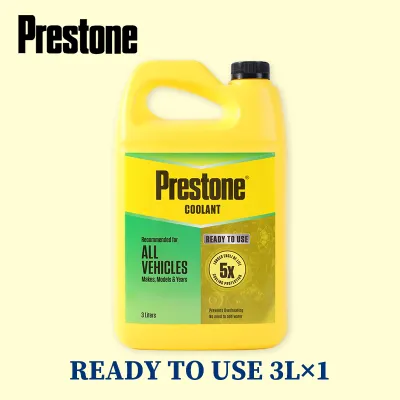
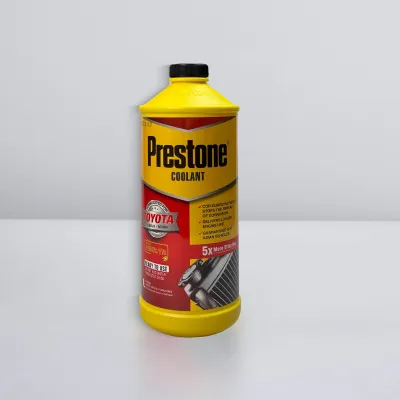
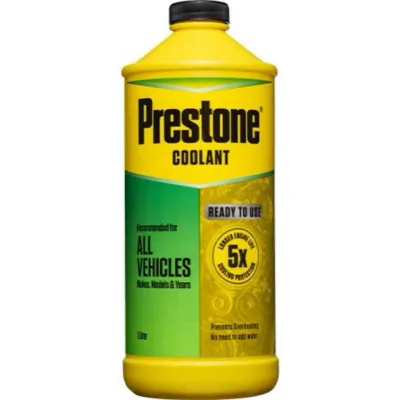
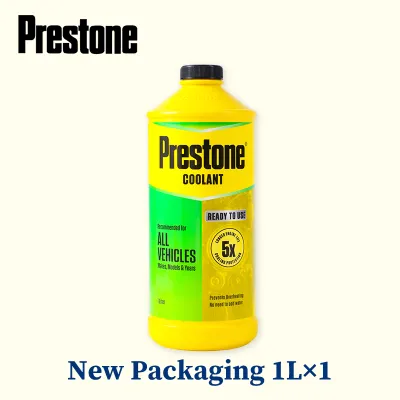
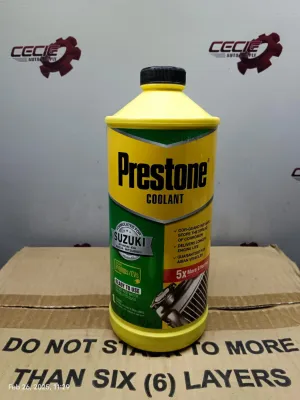
Prices are valid at publication and may change. Please refer to the product page for the latest price.
Because of this reduced efficiency, the cooling fluid must carry heat away from the engine block more effectively and resist boiling under elevated operating temperatures. If a coolant’s boiling point is too low, it can vaporize within the system, creating steam pockets and localized hot spots. These hot spots can lead to rapid engine overheating, warped cylinder heads, and blown head gaskets.
Heavy traffic, prolonged idling, and low airflow further compound this thermal stress. When a vehicle is stuck in gridlock on major thoroughfares, there is very little natural ram air passing through the front grille. The cooling system must rely entirely on the radiator fan to pull air through the core, which is far less efficient than the airflow generated at highway speeds.
Under these low-airflow conditions, heat builds up rapidly in the engine bay. The coolant must remain chemically stable under continuous high-temperature cycles without breaking down, forming sludge, or losing its protective additives.
Furthermore, the cooling fluid must provide robust corrosion protection for the diverse metals found in modern engines, including aluminum, cast iron, brass, copper, and solder. High heat and humidity accelerate electrochemical reactions that cause rust and scale, which can clog the narrow passages of the radiator and heater core.
How to Verify Preston Coolant Specifications for High Heat
To determine if a specific Preston coolant variant is suitable for your vehicle, start by examining the product label for its protected boiling point. This specification is typically listed for a specific mixture ratio, such as a 50/50 pre-mixed solution or a 50% concentrate mixed with water. Ensure the boiling point under a standard radiator cap pressure (often 15 psi) meets or exceeds the operating temperature requirements of your engine.

Next, cross-reference the coolant’s listed Original Equipment Manufacturer (OEM) approvals and industry standards with your vehicle owner’s manual. Standards such as ASTM D3306 or ASTM D4985, along with specific manufacturer specifications (like Toyota Super Long Life, Honda Type 2, or Ford WSS-M97B44-D), indicate whether the chemical formulation is safe for your engine’s seals, gaskets, and metal alloys.
Using a coolant with the wrong chemistry can lead to rapid degradation of internal components. For example, older vehicles may require traditional Inorganic Additive Technology (IAT) with silicates and phosphates, while newer models typically require Organic Acid Technology (OAT) or Hybrid Organic Acid Technology (HOAT) which are free of these compounds to protect sensitive aluminum components.
It is also critical to understand the differences between pre-mixed (50/50) and concentrated formulas. Pre-mixed formulas are ready to pour directly into the radiator or expansion tank, as they are already diluted with demineralized water to the optimal ratio. They offer convenience and eliminate the risk of mixing errors.
Concentrated formulas, on the other hand, require manual dilution before use. While they offer flexibility, altering the mix ratio away from the manufacturer’s recommendation directly affects the fluid’s thermal properties. A mixture that is too weak will not provide adequate boiling or corrosion protection, while a mixture that is too strong can actually reduce heat transfer efficiency.
Proper Mixing and Maintenance for Maximum Heat Dissipation
When using concentrated coolant, proper preparation is essential to maintain the integrity of your cooling system. You must always dilute the concentrate using distilled or deionized water rather than tap water or mineral water. Tap water contains minerals like calcium and magnesium that precipitate out of solution under high heat, forming scale deposits on the internal walls of the radiator tubes.
These scale deposits act as an insulating layer, severely restricting heat transfer from the coolant to the radiator fins. Over time, mineral buildup can also clog the radiator passages entirely, leading to localized overheating and water pump failure due to abrasive particles wearing down the pump seals.
Routine visual inspections are a vital part of tropical vehicle maintenance. Check the coolant level in the translucent plastic reservoir at least once a month, ensuring the fluid rests between the “Min” and “Max” or “Cold” and “Hot” markings.
Observe the color and clarity of the fluid through the reservoir tank. The coolant should be bright and clear; if it appears cloudy, rusty, or has a muddy brown color, it indicates that the corrosion inhibitors have depleted and the fluid is contaminated with rust or scale.
Inspect the physical condition of the rubber hoses, clamps, and connections. Look for signs of swelling, cracking, softening, or crusty white or colored residue around the joints, which indicates slow, weeping leaks that can depressurize the system and lower the boiling point.
To maintain optimal heat dissipation, follow the vehicle manufacturer’s recommended intervals for flushing and replacing the coolant. While some modern long-life coolants claim extended service intervals, the harsh operating conditions of tropical climates and heavy traffic may necessitate more frequent flushes to prevent additive depletion and contaminant accumulation.
Warning Signs of Cooling System Stress in Heavy Traffic
Operating a vehicle in dense tropical traffic requires constant vigilance. Keep a close eye on your dashboard instruments, particularly the temperature gauge. If the needle begins to creep past its normal operating midpoint toward the red zone, or if the coolant temperature warning light illuminates, your cooling system is struggling to cope with the thermal load.
Another early warning sign is a sweet, syrupy odor entering the cabin through the air conditioning vents. This smell is characteristic of vaporized ethylene glycol and often indicates a small leak in the engine bay or the heater core.
Under the hood, look for physical signs of stress such as visible crusty, colorful deposits around the water pump, radiator seams, or hose connections. These deposits are left behind when leaking coolant evaporates on hot engine surfaces.
If you notice that the radiator hoses feel excessively hard or are visibly swollen, the system may be operating under abnormally high pressure, or the rubber has degraded from prolonged exposure to extreme heat.
If your engine begins to overheat while you are stuck in traffic, take immediate action to prevent catastrophic damage. Turn off the air conditioning to reduce the load on the engine, and turn on the heater to its maximum setting with the fan on high; this helps draw some heat away from the engine block into the cabin.
If the temperature continues to rise, safely pull over to the shoulder or a parking area, turn off the engine, and open the hood to allow heat to escape. Never attempt to open the radiator cap or the coolant reservoir while the engine is hot, as the pressurized, boiling liquid can spray out and cause severe, life-threatening burns. Allow the system to cool completely before checking fluid levels or seeking professional mechanical assistance.
Frequently Asked Questions (FAQ)
Can I mix different Preston coolant colors or types?
No, you should avoid mixing different coolant colors or chemical formulations, even within the same brand. Coolants are formulated with distinct additive packages—such as Inorganic Additive Technology (IAT), Organic Acid Technology (OAT), or Hybrid Organic Acid Technology (HOAT)—that are chemically incompatible. Mixing them can cause a chemical reaction that forms a thick, gelatinous sludge. This gel can clog the radiator core, water pump, and heater passages, drastically reducing heat transfer and leading to severe engine overheating. If you need to switch coolant types, perform a complete system flush with distilled water first.
Does using a higher concentration of coolant improve boiling protection?
No, increasing the coolant concentration beyond the recommended ratio does not improve heat dissipation. While pure ethylene glycol has a higher boiling point than water, it is significantly less efficient at transferring heat. Water is the primary agent responsible for carrying heat away from the engine block. Exceeding a 50/50 or 60/40 coolant-to-water ratio reduces the fluid’s overall heat transfer capacity, which can actually cause the engine to run hotter in tropical conditions. Always adhere to the manufacturer’s specified mixing ratio to balance boiling protection with optimal thermal transfer.
How often should I check my coolant level in the Philippines?
In the hot and humid climate of the Philippines, it is highly recommended to check your coolant level at least once a month and always before embarking on long provincial trips. Regular checks allow you to detect slow leaks or gradual fluid loss before they lead to an overheating emergency on the road. Always perform this check when the engine is completely cold, such as in the morning before starting the vehicle. Opening a hot cooling system can release pressurized steam and boiling fluid, causing severe injuries.

Community discussion
Share your experience or ask a question. Comments are reviewed before publication.