
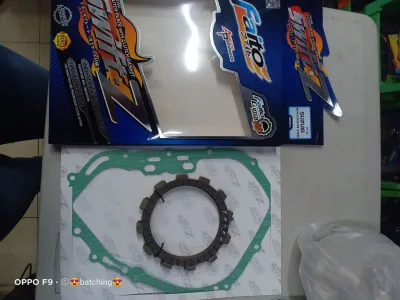
Finding the correct Faito clutch lining for your Suzuki Raider R150 Fi is essential to maintaining the motorcycle’s signature acceleration and high-RPM power delivery. Because the fuel-injected (Fi) variant of this popular underbone motorcycle features specific engine tolerances and clutch basket dimensions, installing an incorrect or mismatched clutch plate can lead to immediate transmission slipping, accelerated wear, and costly engine damage. To ensure a precise fit, riders must verify physical dimensions, confirm the exact plate count, and cross-reference Faito’s official part numbers before purchasing.
Why Exact Fitment Matters for the Raider Fi
The Suzuki Raider Fi is powered by a high-performance, double overhead camshaft (DOHC) engine that revs significantly higher than standard underbone motorcycles. This high-RPM nature places immense thermal and mechanical stress on the wet clutch system. The clutch assembly relies on a precise balance of friction and clamping force to transfer power from the crankshaft to the gearbox. If you install a clutch lining that is even slightly off in thickness, diameter, or friction material composition, the clutch plates will fail to engage fully.
This incomplete engagement causes clutch slippage, where the engine revs up but the motorcycle does not accelerate proportionally. In the tropical climate of the Philippines, where ambient temperatures and humidity are consistently high, a slipping clutch generates extreme heat. This thermal buildup rapidly degrades the engine oil, warps the steel separator plates, and can even crack the clutch pressure plate or damage the clutch basket.
Products mentioned in this guide

Prices are valid at publication and may change. Please refer to the product page for the latest price.
Furthermore, as mismatched friction material wears down prematurely, it sheds fine debris into the engine oil. This debris can clog the oil strainer and passages, starving the cylinder head and crankshaft of lubrication, which can lead to catastrophic engine failure. Universal or loosely matched linings often lack the specific friction coefficient required to handle the torque curve of the Raider Fi, making exact fitment a non-negotiable requirement for reliable operation.
Key Specifications to Verify Before Purchasing
Before ordering any aftermarket clutch lining, you must perform a physical and technical audit of your motorcycle’s clutch assembly. The Suzuki Raider Fi typically utilizes a five-plate clutch configuration, but you must physically count the friction plates in your specific model year to confirm. Do not rely solely on online listings, as some modified setups or transitional model years may differ.

Using a digital vernier caliper, measure the key dimensions of your existing friction plates. This includes the outer diameter (measured from the outer edge of the friction tabs), the inner diameter, and the thickness of the friction material itself. Compare these measurements against the original equipment manufacturer (OEM) specifications found in your Suzuki Raider Fi service manual.
The standard thickness of a new clutch plate is highly precise, and even a variance of a fraction of a millimeter can prevent the clutch from disengaging or engaging properly. Additionally, check the service manual for the wear limit of the plates. If your current plates are near or below this limit, replacement is urgent. Understanding these physical dimensions allows you to verify that the Faito lining you purchase matches the exact physical footprint of the OEM parts, ensuring seamless integration with your stock clutch basket and pressure plate.
How to Identify the Correct Faito Part Number
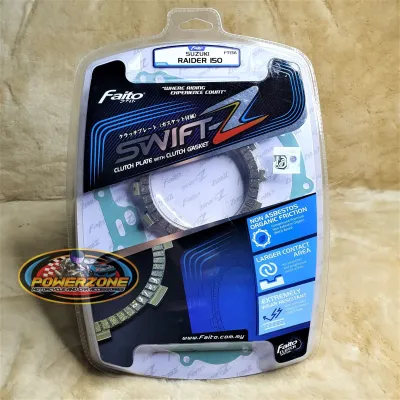
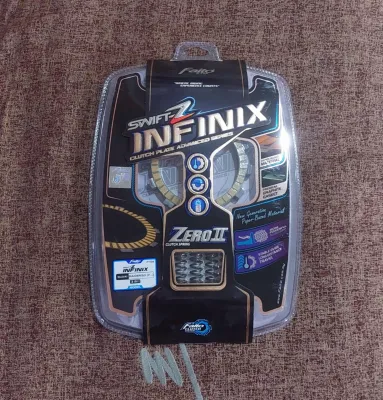
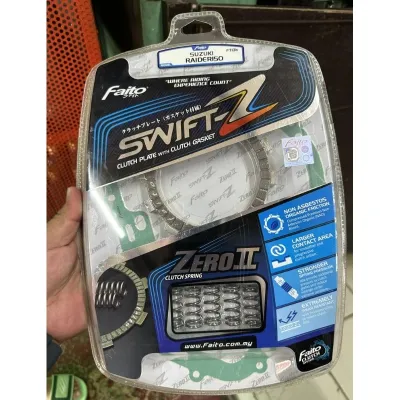
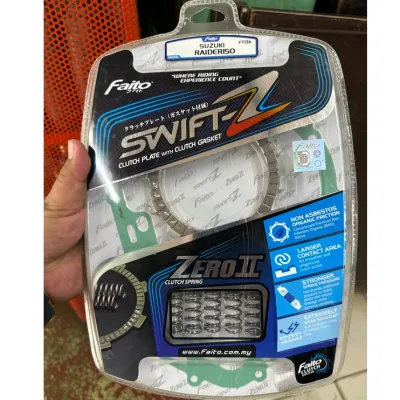
To guarantee you are purchasing the correct Faito clutch lining variant, you must locate and verify the manufacturer’s specific part number. Faito produces several lines of clutch components, such as the Swift Active and Zero II series, each engineered with different friction compounds and intended use cases. Start by inspecting your motorcycle’s existing clutch plates during disassembly; look for any stamped numbers, brand markings, or unique identifiers on the metal core of the plates.
Next, consult Faito’s official fitment catalog or contact an authorized distributor in the Philippines. These catalogs list parts by motorcycle make, model, engine type, and production year. When searching, ensure you specifically select the “Raider 150 Fi” (fuel-injected) category, as parts designed for the older carburetor-equipped Raider 150 (often referred to as the Raider Carb or Raider 150 XC) may have different dimensions, tab patterns, or plate thicknesses.
Before finalizing your purchase, whether at a local motorcycle parts shop or through an online marketplace, inspect the product packaging. The label should explicitly state compatibility with the Suzuki Raider Fi and display a unique part number. If you are purchasing online, message the seller directly to confirm that the part number matches Faito’s official designation for the fuel-injected model, as generic listings often conflate the carburetor and fuel-injected variants.
Clutch Kit vs. Lining Only: What You Actually Need
When servicing your transmission, you must decide whether to replace only the friction linings or invest in a complete clutch kit. A thorough inspection of the entire clutch assembly is necessary to make this decision. Remove the steel separator plates that sit between each friction lining and inspect them for signs of damage.
Look for warping by placing each steel plate on a perfectly flat surface, such as a sheet of glass, and attempting to slide a feeler gauge underneath. Any noticeable gap indicates warping, which will cause uneven clutch engagement and persistent slipping even with brand-new linings. Additionally, check the steel plates for “bluing”—a distinct blue or dark discoloration caused by extreme heat. If the steel plates are warped or discolored, you must replace them alongside the friction linings.
You must also inspect the clutch springs. Over time, these springs lose their tension and compress, reducing the clamping force on the clutch pack. Use a caliper to measure the free length of each spring and compare it to the service manual’s wear limit. If the springs are fatigued, installing new linings alone will not resolve clutch slippage.
While replacing only the friction linings is a cost-effective solution for routine maintenance when other components are pristine, installing a complete kit—including new friction plates, steel plates, and heavy-duty clutch springs—ensures long-term reliability, consistent lever feel, and optimal power transfer, especially under demanding riding conditions.
Installation and Break-In Best Practices
Proper installation and break-in procedures are critical to the performance and longevity of your new Faito clutch linings. Before assembling the clutch, you must pre-soak the new friction plates in clean engine oil for at least one to two hours, though overnight soaking is highly recommended. Because wet clutches rely on oil to cool the friction material and control engagement, installing dry plates can cause immediate burning and permanent damage upon the first engine start.
Use the same grade and type of engine oil that you plan to run in your motorcycle, ensuring it meets the JASO MA2 standard required for wet clutch systems. When assembling the clutch pack, alternate between friction plates and steel plates, starting and ending with a friction plate. When tightening the clutch spring bolts and the center hub nut, you must use a calibrated torque wrench and adhere strictly to the torque specifications outlined in the Suzuki Raider Fi service manual.
Tighten the bolts in a progressive, star pattern to ensure even pressure distribution and prevent cracking the fragile aluminum pressure plate. If you do not have the proper tools or experience, seek assistance from a qualified motorcycle mechanic. Once installed, a proper break-in period is essential.
For the first 100 to 200 kilometers, ride the motorcycle gently. Avoid sudden high-RPM launches, aggressive downshifting, or carrying heavy loads. This allows the new friction material to bed in evenly against the steel plates, establishing a consistent wear pattern and maximizing the lifespan of your transmission components.
Frequently Asked Questions (FAQ)
Can I use a clutch lining meant for the Suzuki Satria F150 on the Raider Fi?
The Suzuki Satria F150 is the regional name used for the Raider 150 in neighboring Southeast Asian markets like Indonesia. While they share the same core engine platform, you cannot assume universal compatibility across all model years. Suzuki has updated the clutch design, plate count, and thickness over various generations, particularly when transitioning from carburetor to fuel injection. A clutch lining designed for an older, carbureted Satria F150 may not fit the modern Raider Fi. Always verify the exact part number and physical dimensions of the lining to ensure it is rated specifically for the fuel-injected engine variant, rather than relying on regional model names.
How do I know if my clutch lining is genuine Faito?
Due to the popularity of the Suzuki Raider Fi in the Philippines, counterfeit motorcycle parts are common on online marketplaces and unauthorized physical shops. To ensure you are purchasing a genuine Faito clutch lining, inspect the packaging carefully. Authentic Faito products feature high-quality printing, clear labeling, and a holographic security sticker that shifts colors under light. Many genuine packages also include a scratch-off area with a unique QR code or serial number that you can verify on Faito’s official website. To protect your motorcycle’s transmission, avoid purchasing from unverified sellers offering prices significantly lower than the standard market rate, and buy exclusively from authorized Faito dealers or reputable, established motorcycle parts distributors.

Community discussion
Share your experience or ask a question. Comments are reviewed before publication.