
Riding a motorcycle through the busy streets of Manila or along provincial highways requires a reliable line of defense against road hazards. A full-face helmet offers the most comprehensive coverage for your head, face, and jaw, making it an indispensable piece of safety gear for every Filipino rider. Whether you are looking at popular local options like a helmet full face Evo model or exploring international brands, verifying safety certifications is the single most critical step before making a purchase.
In the Philippines, safety standards are legally mandated to protect riders from substandard gear that fails during an impact. Navigating the market requires balancing your personal budget with these strict safety requirements. By understanding how safety certifications work, what features are available at different price points, and how to verify the authenticity of a helmet, you can make an informed decision that protects both your head and your wallet.
This guide outlines the essential decision logic for selecting a certified full-face helmet. We will examine the legal and physical safety baselines required by Philippine law, evaluate the feature trade-offs across budget tiers, and detail the physical checks you must perform. Finally, we will cover how to avoid counterfeit products on online marketplaces and calculate the true cost of ownership.
Products mentioned in this guide
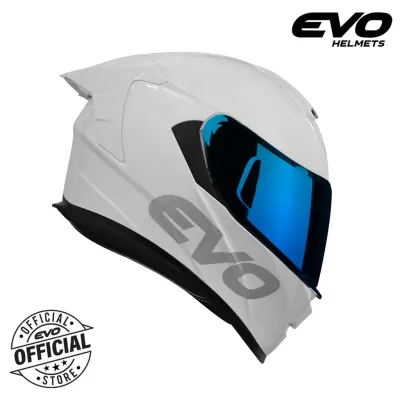
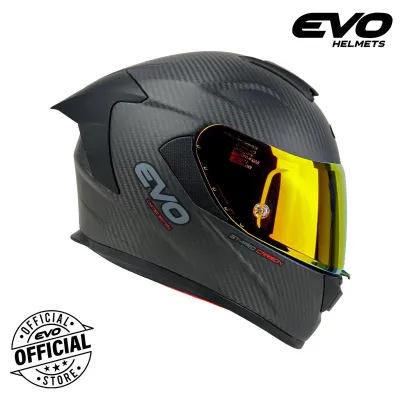
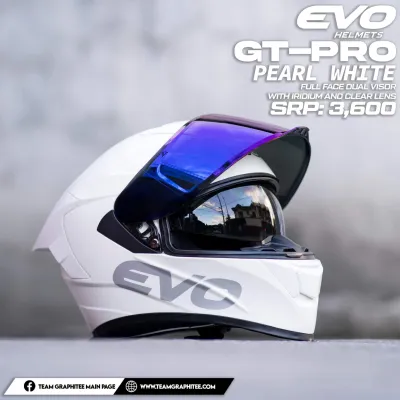
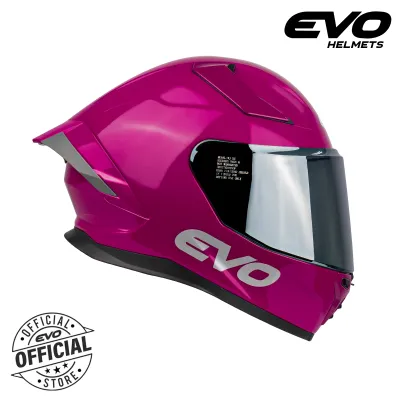
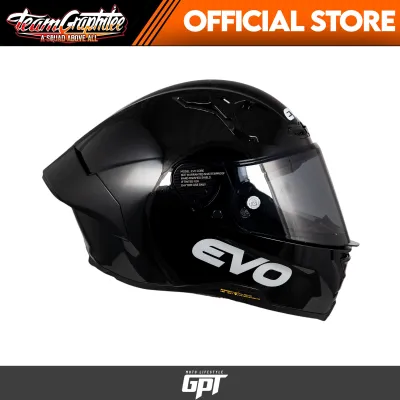
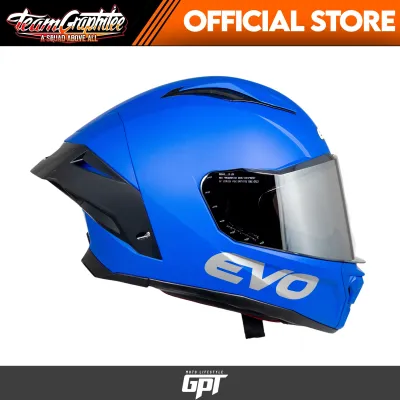
Prices are valid at publication and may change. Please refer to the product page for the latest price.
Why PSB and ICC Certifications Are Non-Negotiable
The Philippine government enforces strict standards for motorcycle helmets to ensure they can withstand significant impact forces. The two primary marks of compliance you will encounter are the Philippine Standard (PSB) mark and the Import Commodity Clearance (ICC) sticker. Understanding the distinction between these two certifications helps you verify that a helmet has undergone rigorous testing before it reaches the retail shelf.
The PSB certification is typically issued for helmets that are manufactured or assembled locally within the Philippines. This mark indicates that the production facility and the helmets themselves conform to the Bureau of Philippine Standards (BPS) guidelines. On the other hand, the ICC sticker is issued for imported helmets. Authorized importers must submit samples from each shipment to the Department of Trade and Industry (DTI) for testing and verification before the ICC stickers are released and affixed to the helmets.
To verify these certifications physically, you must inspect the rear or lower portion of the helmet shell. Authentic ICC stickers feature a unique serial number, a holographic security pattern that shifts under light, and clear, crisp printing. Fake stickers are often poorly printed, lack the holographic depth, or are easily peeled off with a fingernail. Some counterfeit sellers even print the logo directly onto the helmet graphic rather than applying the official government-issued sticker.
No budget constraint should ever justify bypassing these safety marks. Riding with an uncertified helmet not only exposes you to severe head injuries in an accident but also violates Republic Act No. 10054, otherwise known as the Motorcycle Helmet Act of 2009. Law enforcement officers regularly conduct checkpoints, and riding without a certified helmet can result in heavy fines and confiscation of your driver’s license.
Budget Priorities: What to Expect at Different Price Tiers
When shopping for a full-face helmet, your budget determines the materials, comfort features, and overall refinement of the product. However, safety certification remains a constant across all tiers. Understanding what features to expect at each price bracket allows you to identify practical trade-offs and avoid overpaying for cosmetic upgrades.

Entry-level certified helmets focus primarily on meeting the baseline safety requirements. At this tier, manufacturers typically use injection-molded ABS plastic for the outer shell, which is highly impact-resistant but tends to be heavier than advanced composites. These helmets usually come with standard clear visors, basic foam padding, and limited ventilation ports. While they provide the necessary legal and physical protection, they may feel heavier on long rides and offer less noise isolation. Acceptable compromises include simpler graphics and basic strap mechanisms, but you should never compromise on a secure fit or a valid certification sticker.
The mid-range tier represents the practical sweet spot for daily commuters in the Philippines. Helmets in this category often utilize lighter polycarbonate blends or advanced thermoplastic shells, reducing neck fatigue during long hours in traffic. You can expect improved ventilation channels that help manage heat and humidity, anti-scratch visors, and occasionally dual-visor systems with an integrated sun shield. The interior padding is usually more contoured and uses moisture-wicking fabrics that dry faster after a sweaty ride.
Premium helmets introduce advanced shell materials such as fiberglass, carbon fiber, or complex organic fiber composites. These materials offer exceptional strength-to-weight ratios, making the helmet significantly lighter while maintaining high impact absorption. Premium options also feature advanced international safety ratings, such as the European ECE 22.06 or Snell standards, alongside the local ICC sticker. You will find highly engineered ventilation systems, quick-release visor mechanisms, emergency cheek pad removal systems, and premium, antibacterial interior liners designed for maximum comfort.
If you are working with a tight budget, prioritize functional safety over aesthetic appeal. Choosing a solid-color helmet instead of one with complex, licensed graphics can save you a significant amount of money without reducing protection. Similarly, opting for a single-visor model rather than a dual-visor system reduces weight and mechanical complexity, allowing you to allocate your budget toward a higher-quality shell or better-fitting interior padding.
Evaluating Full-Face Options: Fit, Features, and Brand Verification
A safety certification is only effective if the helmet fits your head correctly. A loose helmet can shift or fly off during an impact, while an overly tight helmet can cause severe headaches and distract you while riding. Finding the right fit requires measuring your head shape and understanding how different brands structure their sizing.
To determine your helmet size, wrap a flexible measuring tape around the widest part of your head, about one inch above your eyebrows and ears. Compare this measurement to the specific size chart provided by the manufacturer, as sizing can vary significantly between brands. Additionally, consider your head shape; some helmets are designed for intermediate oval heads, while others favor round oval or long oval shapes. When trying on a helmet, it should feel snug against your cheeks and forehead without creating painful pressure points.
It is crucial to verify the certification status of the specific model you intend to buy. Do not assume that because a brand is well-known, every single model in their lineup is automatically certified for use in the Philippines. Manufacturers often produce different versions of the same helmet for various global markets. You can cross-reference the model name with the official list of certified helmet brands and models maintained by the DTI to ensure it has been officially cleared for local roads.
When inspecting a helmet in-store or upon delivery, perform several physical checks to ensure its quality. Examine the visor seal integrity by closing the visor completely; there should be no gaps between the visor and the rubber eyeport gasket, which prevents rainwater from leaking inside during heavy monsoon downpours. Test the strap mechanism, whether it is a traditional double D-ring or a micrometric quick-release buckle, to ensure it locks securely and does not slip under tension. Finally, verify that the interior padding is fully removable and washable, which is essential for maintaining hygiene in the hot and humid Philippine climate.
Smart Purchasing: Avoiding Fakes and Hidden Costs
The popularity of motorcycle riding has led to an increase in counterfeit riding gear, particularly on online marketplaces. Protecting yourself from fake products requires vigilance and a clear understanding of where to buy authentic gear.
When browsing online marketplaces, look out for common red flags that indicate a counterfeit helmet. Be suspicious of listings that use generic stock photos instead of actual product images, or those that fail to display the ICC or PSB sticker clearly. Unusually low prices that seem too good to be true are a major warning sign, as genuine certified helmets require quality materials and testing that prevent them from being sold at rock-bottom prices. Avoid sellers that lack official brand verification tags or have poor customer reviews mentioning flimsy construction or missing safety labels.
To guarantee authenticity, purchase your helmet directly from authorized physical dealers or verified official brand stores on ecommerce platforms. Buying from authorized channels ensures that you receive a genuine product that complies with local safety standards. It also secures your access to manufacturer warranties, return policies, and official replacement parts, such as visors, cheek pads, and ventilation covers.
When planning your budget, remember to factor in potential hidden costs that extend beyond the initial purchase price of the helmet. If you are buying online, shipping fees for bulky items like helmets can add to the total cost. Additionally, you may need to purchase a replacement clear visor if the helmet only comes with a dark smoke visor, as riding with a tinted visor at night is highly dangerous and illegal in many areas. Investing in an anti-fog insert, such as a Pinlock lens, is also highly recommended to prevent your visor from fogging up during heavy rains, ensuring clear visibility at all times.
Frequently Asked Questions (FAQ)
Can I use a helmet without a PSB or ICC sticker if it has a DOT or ECE mark?
Under Philippine law, having a foreign safety rating like DOT or ECE is not sufficient on its own for road legality. The Land Transportation Office (LTO) and local traffic enforcers specifically look for the physical PSB or ICC sticker during inspections. Riding without these local stickers can result in apprehension, fines, and temporary confiscation of your license, even if the helmet is a high-end international model. If you purchase an imported helmet with an ECE or DOT rating, ensure it has gone through the proper DTI clearance process and carries a valid ICC sticker.
How often should I replace my full-face helmet?
As a general rule, you should replace your full-face helmet every three to five years of regular use, or five years from the date of manufacture. Over time, exposure to sweat, hair oils, UV rays, and extreme tropical heat degrades the protective expanded polystyrene (EPS) liner and the outer shell materials, reducing their ability to absorb impacts. More importantly, you must replace your helmet immediately after any significant impact or drop, even if there is no visible damage on the outer shell. The internal EPS liner is designed to compress once to absorb impact energy, and it cannot provide the same level of protection in a subsequent crash.

Community discussion
Share your experience or ask a question. Comments are reviewed before publication.