
Finding a pink Spyder helmet to match your personal style and riding gear requires navigating the brand’s evolving lineup of open-face, full-face, and modular designs. Because helmet availability, colorways, and retail prices fluctuate based on seasonal releases and dealer stock, the most reliable way to secure a pink model is to understand the brand’s design categories and verify current inventory through official channels. Whether you are looking for a vibrant magenta, a soft pastel pink, or a high-visibility graphic pattern that incorporates pink accents, matching your aesthetic preference with the correct helmet style ensures you do not compromise on safety or comfort during your daily commute or weekend rides.
Understanding Spyder Helmet Styles for Your Ride
Selecting the right helmet style is the first and most critical step before diving into specific color options. Spyder offers several shell configurations, primarily divided into full-face and open-face designs, each serving distinct riding needs and safety profiles. A full-face helmet provides the highest level of protection by enclosing the entire head, including the chin and jaw area, which are highly vulnerable during an impact. For riders who frequently travel on high-speed highways or navigate busy arterial roads, a full-face model is highly recommended to shield against wind, road debris, and severe weather.
In contrast, open-face helmets offer superior peripheral vision and maximum airflow, making them a popular choice for low-speed city commuting and short errands. However, because they lack a chin bar, they leave the lower face exposed to potential impacts and environmental elements. When choosing between these styles, riders must weigh the convenience and cooling benefits of an open-face shell against the comprehensive protection of a full-face design, especially when riding in unpredictable traffic conditions.
Products mentioned in this guide
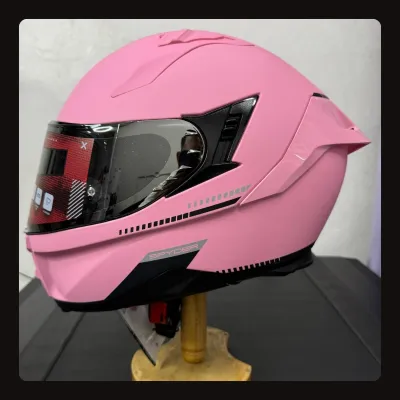
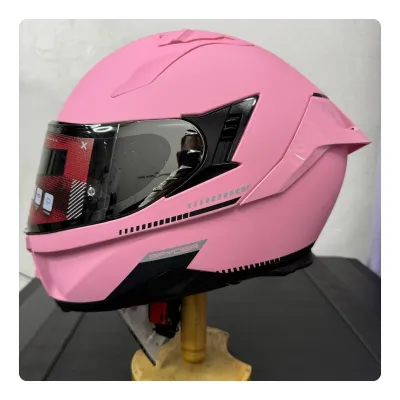
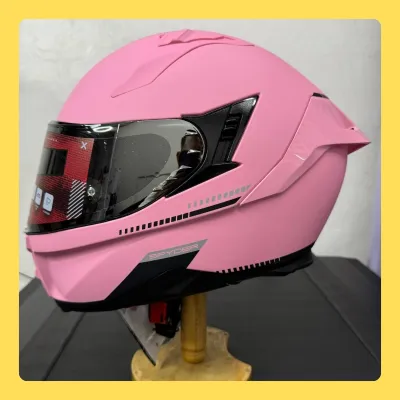
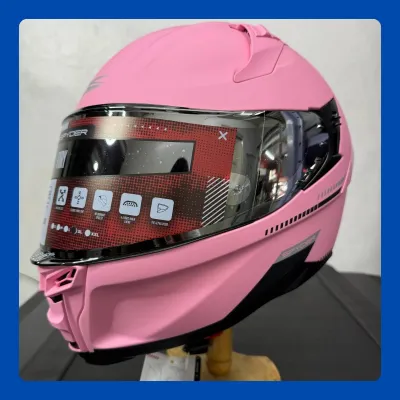
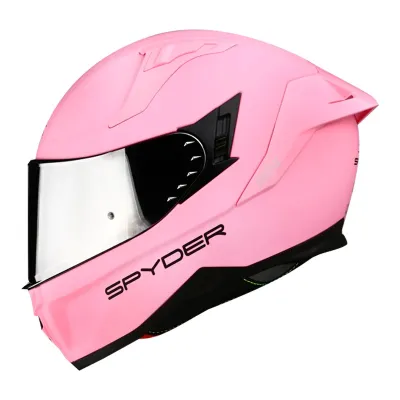
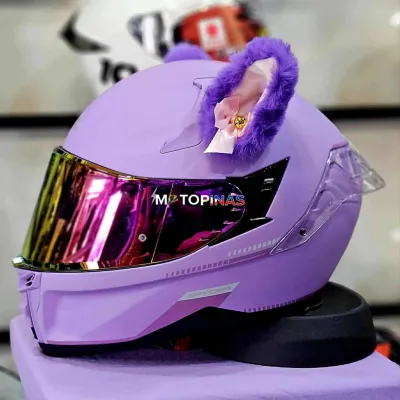
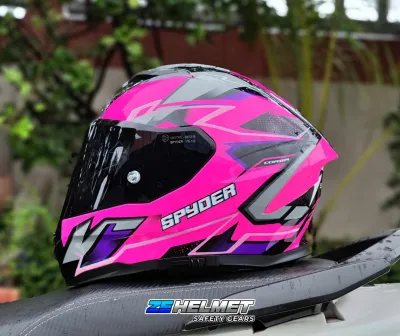
Prices are valid at publication and may change. Please refer to the product page for the latest price.
Ventilation is a crucial factor to consider, particularly in tropical climates where high humidity and intense heat are daily challenges. Full-face Spyder helmets are typically engineered with multiple intake vents on the chin and forehead, paired with rear exhaust vents to pull hot air and moisture away from the scalp. A well-designed ventilation system prevents the interior from becoming uncomfortably hot and reduces sweat buildup, which can degrade the comfort liner over time. Open-face models naturally excel in airflow, but riders should still look for designs with adjustable top vents to manage heat during prolonged stops in traffic.
Shell shape and visor mechanisms also play a significant role in overall comfort and weight distribution. Most modern helmets utilize lightweight polycarbonate or ABS plastic shells, which offer excellent impact resistance without adding excessive weight to the rider’s neck. Visor systems, such as dual-visor configurations that feature a drop-down inner sun shield, add convenience for daytime riding but can slightly increase the helmet’s overall weight. Before making a purchase, riders should check the manufacturer’s specifications for the exact weight of the helmet and verify that the shell shape matches their head profile to prevent pressure points during long journeys.
Regardless of the style or color you prefer, always prioritize safety certifications over aesthetic appeal. Every helmet intended for road use must feature a legible manufacturer’s label indicating compliance with recognized safety standards. In the local market, look for the official Import Commodity Clearance (ICC) or Philippine Product Standard (BPS) stickers, alongside international certifications such as ECE (Economic Commission for Europe) or DOT (Department of Transportation). These markings guarantee that the helmet design has undergone rigorous impact, penetration, and retention testing to protect your head in the event of an accident.
How to Verify Available Pink Models and Current Pricing
Because product catalogs and color options change frequently, relying on outdated online lists can lead to frustration when searching for a pink Spyder helmet. To find accurate, real-time stock and current pricing, riders should consult official brand channels and authorized distributors. Visiting physical Spyder concept stores or checking their official online storefronts on verified online marketplaces is the most reliable method to see which specific models are currently offered in pink finishes or graphic patterns.

Retail prices for helmets in the local market are quoted in ₱ and vary widely based on several design factors. Entry-level open-face models generally represent the most budget-friendly tier, making them accessible for daily city riders. Mid-range full-face helmets occupy the middle pricing tier, reflecting the additional materials and engineering required for full-head coverage. Premium models, including modular helmets or those equipped with advanced dual-visor systems and aerodynamic spoilers, sit at the top of the pricing structure. Additionally, helmets featuring complex graphic designs or specialized matte pink finishes may carry a slight price premium over basic solid colors due to the multi-stage painting and decaling process.
When searching for the best deal, it is vital to exercise caution and avoid unauthorized sellers offering suspiciously low prices. The market is flooded with counterfeit riding gear that mimics the appearance of popular brands but lacks the structural integrity required for safety. Genuine Spyder helmets utilize high-grade expanded polystyrene (EPS) liners designed to absorb and distribute impact energy. Counterfeit helmets often substitute this critical safety component with cheap, rigid foam or omit it entirely, offering virtually no protection in a crash. Purchasing exclusively from authorized dealers ensures you receive a genuine product backed by the manufacturer’s warranty.
To verify if a seller is authorized, check the official dealer locator on the brand’s website or request proof of dealership when visiting physical stores. Authorized retailers will always provide an official receipt and are knowledgeable about the specific safety features and sizing of each model. By taking the time to verify the authenticity of both the seller and the product, you protect your investment and, more importantly, your physical safety on the road.
Essential Fit and Safety Checks Before Purchase
Finding a pink helmet that matches your style is satisfying, but ensuring a perfect physical fit is paramount for safety. A helmet that is too loose can shift or fly off during an impact, while one that is too tight can cause severe headaches and distraction while riding. To determine your correct size, use a flexible measuring tape to measure the circumference of your head. Wrap the tape horizontally around your head, approximately 2.5 centimeters above your eyebrows and directly over the fullest part of the back of your head. Compare this measurement in centimeters to the official Spyder sizing chart, as sizing can vary slightly between different helmet models and shell shapes.
Once you have identified your size, physically try on the helmet to evaluate the fit. The helmet should slide onto your head with a snug, firm feel, resting evenly across your forehead without pressing painfully into your temples. The interior comfort padding should make direct contact with your entire head, and the cheek pads should press firmly against your cheeks, pushing them up slightly. If the helmet rotates easily when you shake your head from side to side, or if it slides down over your eyes, it is too large and you should try a smaller size or a different shell model.
Next, inspect the retention system, which is typically a micrometric quick-release buckle or a double D-ring system. Fasten the strap securely under your jaw, leaving only enough room for one or two fingers to fit between the strap and your throat. With the strap fastened, grip the back of the helmet shell and attempt to roll it forward off your head. If the helmet can be pulled off or shifts significantly forward, the retention system is not adjusted correctly, or the helmet shape is incompatible with your head structure. A secure retention system is critical to keeping the helmet in place during secondary impacts.
Finally, perform a thorough physical inspection of the helmet’s safety credentials before finalizing your purchase. Look for the genuine, tamper-evident safety certification stickers affixed to the rear of the outer shell. In the local market, a valid ICC sticker with a unique serial number and hologram is required by law for all motorcycle helmets. Ensure the sticker is firmly adhered and does not show signs of peeling or duplication. Additionally, check the interior of the helmet beneath the comfort liner to verify that the EPS foam liner is intact, free of cracks, and properly seated within the outer shell.
Caring for Pink Finishes and Visors
To keep your pink Spyder helmet looking vibrant and performing safely, proper maintenance is essential. Pink paint finishes, especially matte or satin variations, are highly susceptible to absorbing oils from your skin, road grime, and environmental pollutants. To clean the outer shell, use only mild, non-abrasive soap mixed with warm water and a soft microfiber cloth. Avoid using harsh household detergents, glass cleaners, or petroleum-based solvents, as these chemicals can chemically react with the polycarbonate or ABS shell, weakening its structural integrity and causing the pink pigment to fade or discolor.
When cleaning the visor, extra care must be taken to preserve optical clarity and protect any specialized coatings. Remove the visor from the helmet mechanism according to the manufacturer’s instructions to access both sides easily. Rinse the visor under running water to wash away loose dust and grit before wiping it, as rubbing dry dirt particles against the plastic will cause fine scratches. Use a clean, damp microfiber cloth to gently wipe the surface. If your visor features an anti-fog insert or an anti-scratch coating, avoid using chemical sprays and stick strictly to clean water and air-drying to prevent stripping the protective layers.
Proper storage is equally important in preserving both the aesthetic appeal and the safety performance of your helmet. When not in use, store your helmet in a cool, dry place inside its breathable cloth bag to protect it from dust and accidental scratches. Avoid leaving your helmet in direct sunlight for extended periods, such as on the seat of your parked motorcycle, as prolonged exposure to ultraviolet (UV) radiation can degrade the outer shell material and cause the pink finish to fade. Furthermore, never store your helmet near fuel, cleaning solvents, or in high-heat environments like a car trunk, as extreme heat can compromise the energy-absorbing properties of the internal EPS liner.
Frequently Asked Questions (FAQ)
Can I repaint a standard Spyder helmet pink myself?
Repainting a standard helmet pink using DIY methods is highly discouraged due to significant safety risks. Most standard spray paints, aerosol propellants, and clear coats contain harsh chemical solvents that can react with and degrade the polycarbonate or ABS plastic shell of the helmet. This chemical reaction can weaken the shell’s structural integrity, making it brittle and prone to cracking or shattering upon impact. Additionally, applying paint can cover up existing hairline cracks or damage, making it difficult to inspect the helmet’s condition. If you desire a custom pink finish, it is best to consult a professional helmet customizer who uses specialized, water-based, shell-safe paints, or look for official graphic kits and decals designed specifically for motorcycle helmets that do not compromise the protective materials.
Do pink Spyder helmets cost more than standard solid colors?
Generally, the color pink itself does not dictate the baseline price of a Spyder helmet model. The primary factors that determine the retail price in ₱ are the helmet’s structural design, shell material, visor technology, and safety certifications. However, if the pink finish is part of a limited-edition graphic run, features complex multi-colored patterns, or utilizes specialized metallic or matte paint finishes, it may carry a slight price premium over basic solid colors like gloss black or white. When budgeting for a helmet, focus on the specific model’s safety features and fit first, as any price variation due to colorways is typically minor compared to the price differences between entry-level open-face models and premium, dual-visor full-face designs.

Community discussion
Share your experience or ask a question. Comments are reviewed before publication.