
Riding a motorcycle through the bustling streets of Philippine cities or along scenic provincial highways requires a reliable helmet. When working with a strict budget of ₱3,000, finding the best helmet for motorcycle commuting means prioritizing safety certifications and proper fit over flashy graphics or high-end racing features. A budget-friendly helmet does not have to mean compromised safety, provided you know how to navigate the market, verify legitimacy, and make informed choices.
Navigating the budget helmet market requires a balance of practicality and caution. While premium helmets offer advanced aerodynamics and ultra-lightweight materials, entry-level options can still provide excellent impact protection if they meet established safety standards. By focusing on certified products and understanding what features are essential for daily riding, you can secure a dependable helmet that protects your head without breaking the bank.
Understanding PSB Certification and Safety Standards
In the Philippines, motorcycle helmets must comply with strict safety standards to be legally road-worthy. The primary mark of compliance is the Import Commodity Clearance (ICC) sticker or the Philippine Standard (PS) mark issued by the Bureau of Philippine Standards (BPS). Additionally, many high-quality imported helmets carry the PSB certification from Singapore, which is widely recognized across Southeast Asia as a benchmark for rigorous safety testing. These certifications ensure that the helmet has undergone stringent impact, penetration, and retention system tests to protect your head during a crash.
Products mentioned in this guide
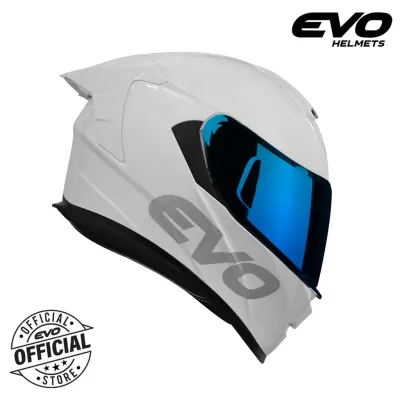
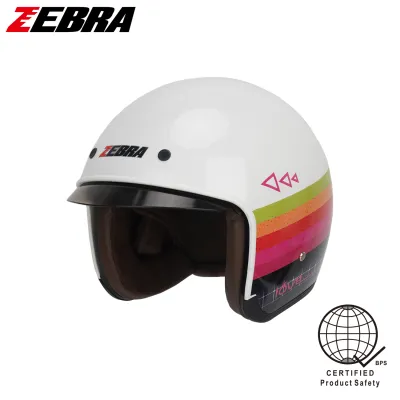
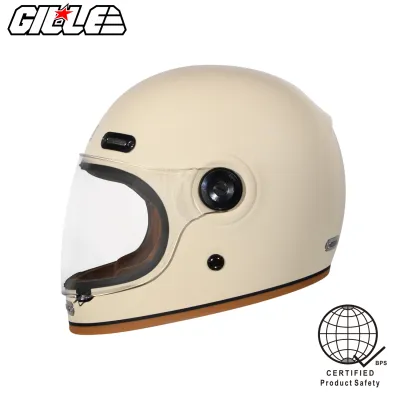
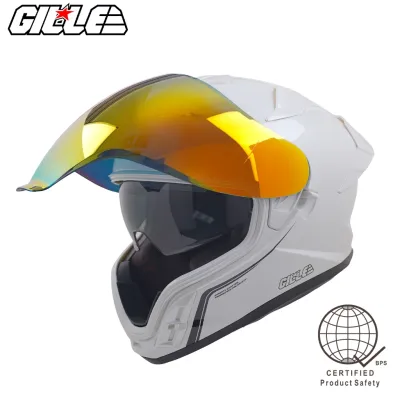
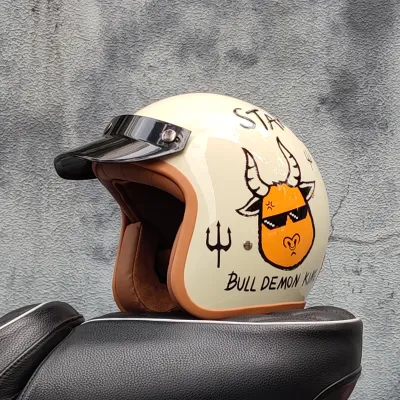
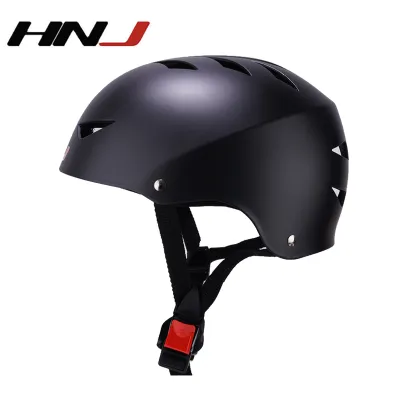
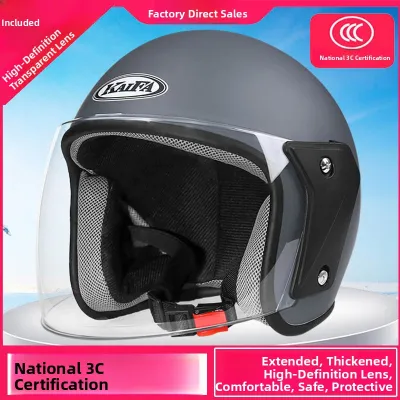
Prices are valid at publication and may change. Please refer to the product page for the latest price.
An authentic certification sticker is your first line of defense against substandard gear. Genuine ICC or PS stickers feature distinct holographic elements that shimmer when tilted under light, along with a unique serial number and batch code. These stickers are typically placed securely at the rear of the helmet shell, often under a protective clear coat or designed to tear if tampered with. Before finalizing any purchase, inspect the sticker closely to ensure it is not a cheap printed copy or a simple paper label that can be easily peeled off.
Using uncertified novelty, construction, or counterfeit helmets carries severe legal penalties and life-threatening safety risks. Under the Motorcycle Helmet Act, riding without a certified helmet can result in hefty fines and the confiscation of your driver’s license. More importantly, uncertified helmets often lack the energy-absorbing Expanded Polystyrene (EPS) inner liner, meaning they will split open or transfer the full force of an impact directly to your skull during an accident.
To verify a helmet’s safety marks during an in-store purchase or upon delivery from an online order, perform a quick physical inspection. Check that the holographic sticker is firmly adhered and matches the official design of the Department of Trade and Industry (DTI). You can also cross-reference the brand and model with the DTI’s list of certified helmet brands to ensure the manufacturer is officially cleared for distribution in the country.
What to Expect from a Motorcycle Helmet Under ₱3,000
When shopping within a ₱3,000 budget, managing your expectations regarding helmet types and materials is crucial. In this price tier, you will primarily find open-face helmets and entry-level full-face helmets. While open-face helmets offer excellent ventilation in hot tropical weather, full-face helmets provide significantly better protection for your chin, jaw, and face. Modular helmets are occasionally available in this price range, but they tend to be heavier and may feature less robust hinge mechanisms compared to their more expensive counterparts.

The outer shell of a budget-friendly helmet is almost universally constructed from Acrylonitrile Butadiene Styrene (ABS) thermoplastic. ABS is a highly durable, impact-resistant plastic that provides reliable penetration protection, though it is heavier than premium materials like fiberglass, Kevlar, or carbon fiber. Beneath the ABS shell lies the EPS liner, which is designed to compress and absorb impact energy; budget models typically use a single-density EPS liner that meets basic safety thresholds.
To keep manufacturing costs low, certain premium features must be compromised. You should not expect advanced features like integrated emergency quick-release cheek pads, carbon fiber weaves, or pre-installed Pinlock anti-fog inserts. Instead, budget helmets usually feature standard quick-release micrometric plastic or metal buckles, basic ventilation ports that may have limited adjustability, and standard clear visors that require manual cleaning to prevent fogging during heavy downpours.
Key Features to Prioritize on a Tight Budget
When your budget is capped at ₱3,000, you must allocate your funds toward critical safety and comfort factors rather than cosmetic upgrades. The absolute most important factor is securing a proper fit. A helmet that is too loose will shift during a crash, failing to protect your head, while a helmet that is too tight will cause painful pressure points and headaches during long commutes.
To find your correct size, use a flexible measuring tape to measure the circumference of your head. Wrap the tape around the widest part of your head, approximately 2.5 centimeters above your eyebrows and just above your ears. Compare this measurement to the specific sizing chart of the helmet brand you are considering, as sizing can vary significantly between manufacturers. When trying the helmet on, it should feel snug against your cheeks and forehead without causing sharp pain, and it should not rotate when you shake your head.
Visor quality is another critical priority for daily commuting. Look for a visor that offers excellent optical clarity without distortion, as poor visors can cause eye strain and reduce visibility in low-light conditions. Prioritize scratch-resistant and UV-resistant coatings over heavily tinted, mirrored, or iridium visors. While dark visors look stylish, they severely limit your visibility during night rides or sudden tropical rainstorms, making a clear or lightly tinted visor a much safer choice.
Finally, assess the interior padding of the helmet. In the hot and humid climate of the Philippines, sweat and oil accumulate rapidly inside your gear. Prioritize helmets that feature fully removable and washable comfort liners, allowing you to maintain hygiene and prevent unpleasant odors. The padding should feel plush but firm, providing even pressure distribution around your head to prevent fatigue during extended rides.
How to Shop Smart and Avoid Counterfeits
The popularity of motorcycle riding has led to a rise in counterfeit helmets on online marketplaces and physical stores. To protect yourself, learn to identify common red flags. Suspiciously low prices—such as a supposedly premium brand helmet being sold for under ₱1,000—are a major warning sign. Other red flags include missing or poorly printed certification stickers, flimsy visor mechanisms, thin interior padding, and negative customer reviews highlighting poor build quality.
To guarantee authenticity, always purchase your gear from authorized brand stores, official online flagship stores, or reputable local motorcycle accessory shops. Authorized dealers can provide genuine manufacturer warranties, access to replacement parts, and reliable customer service. Buying from established physical stores also allows you to try on different models to ensure a perfect fit before spending your hard-earned money.
If you choose to buy online, carefully review the seller’s return and exchange policy before finalizing your order. Ensure the platform allows you to return the helmet if it arrives with sizing discrepancies, shipping damage, or missing safety marks. Take a continuous unboxing video when your package arrives to serve as clear proof in case you need to file a return or refund claim for a defective or counterfeit product.
Maintenance Tips to Extend Your Helmet's Lifespan
Proper maintenance is essential to maximize the durability, hygiene, and safety of an entry-level helmet. When cleaning the outer shell and visor, use only mild soap, warm water, and a soft microfiber cloth. Avoid using harsh chemical solvents, gasoline, window cleaners, or abrasive pads, as these substances can chemically degrade the ABS plastic shell and strip away the protective coatings on your visor.
For the interior, regularly remove the cheek pads and comfort liner to wash them by hand using a mild detergent or baby shampoo. Gently squeeze out excess water and allow the padding to air-dry completely in a well-ventilated, shaded indoor area. Never use a clothes dryer or expose the interior components to direct, intense sunlight, as extreme heat can warp the EPS liner and degrade the adhesive holding the comfort pads together.
Understanding when to replace your helmet is a vital safety boundary. A motorcycle helmet is a single-impact safety device designed to protect your head once. If you are involved in any accident, or if the helmet suffers a significant drop onto a hard surface like concrete, the internal EPS liner may have compressed to absorb the energy, even if the outer ABS shell looks undamaged. In such cases, the helmet must be replaced immediately. Even without an impact, you should replace your helmet every three to five years, as sweat, hair oils, UV exposure, and environmental factors naturally degrade the protective materials over time.
Frequently Asked Questions (FAQ)
Is it safe to buy a second-hand motorcycle helmet to save money?
No, it is highly unsafe to purchase a used motorcycle helmet. The internal EPS liner compresses to absorb impact energy during a fall, and this damage is often completely invisible from the outside. Additionally, you cannot verify the helmet’s history, including whether it has been dropped, exposed to degrading chemicals, or stored in high-heat environments. To ensure your safety on the road, always invest in a brand-new, certified helmet within your budget.
Can I easily replace the visor of a budget helmet if it gets scratched?
Visor replacement options vary significantly among budget helmet brands. Many reputable entry-level brands offer affordable replacement visors, but availability can be limited for lesser-known models. Before purchasing a specific helmet, check if the seller or official brand store stocks replacement visors. To prolong the life of your original visor, clean it gently with a microfiber cloth and avoid wiping it dry when covered in dust or road grit.
Do I need a full-face helmet for daily commuting in the Philippines?
While open-face helmets are popular for their ventilation in hot tropical weather, a full-face helmet is highly recommended for daily commuting. Statistics show that a large percentage of helmet impacts occur in the chin and jaw area, which open-face helmets leave completely exposed. To manage the heat in a full-face helmet, look for models with functional chin and forehead vents, and keep your visor slightly cracked open during slow-moving traffic to improve airflow.

Community discussion
Share your experience or ask a question. Comments are reviewed before publication.