
Finding the right seat cover for your Honda Click 125 V3 in the Philippines requires balancing precise fitment, material durability under intense tropical heat, and daily riding comfort. Because the Click 125 V3 features a distinct seat pan design compared to its predecessors, choosing a cover specifically tailored to this model is essential to prevent slipping, water pooling, or latching issues. A well-fitted seat cover not only enhances the aesthetic appeal of your scooter but also protects the underlying foam from moisture degradation, ensuring a safer and more comfortable commute through unpredictable local weather.
Verifying Fitment for the Honda Click 125 V3
To secure a seat cover that performs reliably, you must first verify that the product is designed specifically for the Honda Click 125 V3. The Honda Click series has undergone several design iterations over the years, and assuming that a cover labeled for “Honda Click” will fit all generations is a common mistake. The V3 variant, introduced with distinct bodywork and structural updates, features a seat pan with unique dimensions, angular contours, and a specific front-to-rear taper that differs significantly from the older V1 and V2 models.
When browsing options, always check the manufacturer specifications, product labels, and seller descriptions for explicit mention of the “V3” or “Version 3” designation. A proper fit depends on the cover matching the exact molded channels on the underside of the plastic seat pan. These channels dictate where the upholstery must be stretched and stapled. If the cover is too small, you will struggle to stretch it over the edges, potentially tearing the material or warping the plastic pan. If it is too large, the excess material will bunch up, creating unsightly wrinkles that trap water and dirt.
Products mentioned in this guide
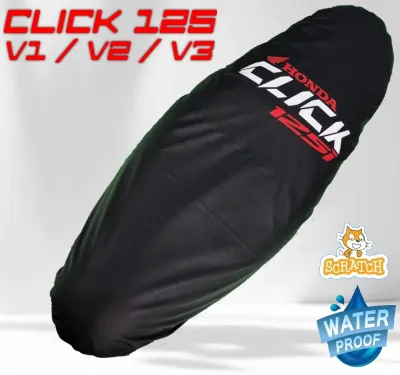
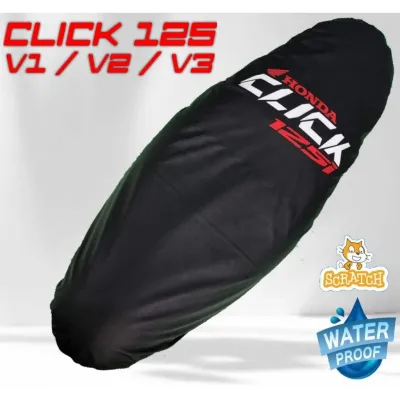
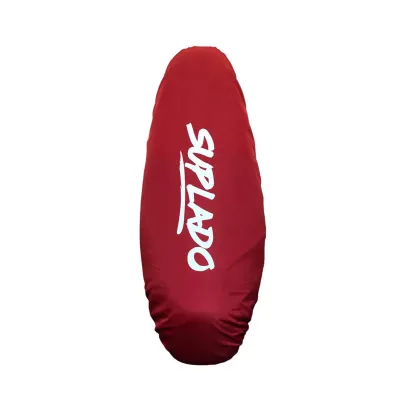
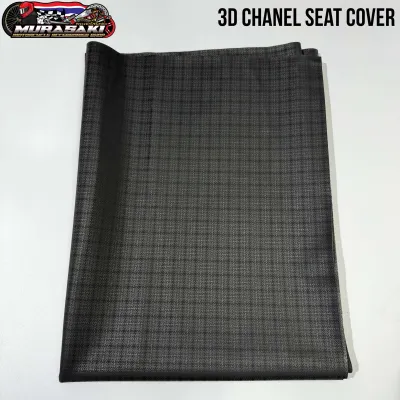
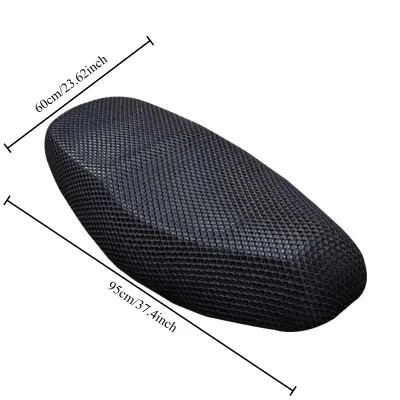
![AMZs SEAT COVER MOTORCYCLE ACCESSORIES [UNIVERSAL]](https://img.lazcdn.com/g/ff/kf/S002b5d46213f4eeaa596bde85c0cfd7aA.jpg_400x400q80.jpg_.webp)
Prices are valid at publication and may change. Please refer to the product page for the latest price.
Pay close attention to critical fitment details such as staple line placement, hinge clearances, and seat latch cutouts. The front hinge of the Click 125 V3 seat requires a precise cutout so the cover does not interfere with the pivoting mechanism. Similarly, the rear section must allow the seat latch to align perfectly with the locking bar on the frame. If the cover material is too thick or improperly cut around these areas, it can prevent the seat from locking securely, which poses a safety risk while riding and compromises the security of your under-seat storage.
Be highly skeptical of products advertised with “universal fit” or “one-size-fits-all” claims. These generic covers typically rely on elastic bands or drawstrings to stay in place. In daily riding conditions, these fastening methods often fail, allowing the cover to slide around when you accelerate, brake, or lean into corners. A loose seat cover reduces your stability and control over the motorcycle, making a model-specific, staple-on cover the much safer and more durable choice.
Comparing Seat Cover Materials and Designs
Selecting the right material for your Click 125 V3 seat cover involves evaluating how different fabrics perform under the intense sun and heavy downpours characteristic of the Philippine climate. Standard vinyl and high-grade synthetic leather are the most common choices for daily commuters. These materials offer excellent water resistance, preventing rain from soaking into the underlying foam. They are also highly practical, allowing you to wipe away rainwater, dust, or road grime with a simple dry cloth before you ride.

However, smooth vinyl can become exceptionally hot when parked under direct sunlight, and it offers minimal grip during sudden stops. To address these drawbacks, many riders opt for textured, ribbed, or perforated surfaces. Ribbed designs, often referred to as “anti-slip” or “gripper” covers, feature raised horizontal bands that keep you and your passenger firmly in place during stop-and-go traffic. Perforated or mesh-style surfaces assist with heat dissipation by allowing air to circulate, though you must verify if the perforated material includes a waterproof inner lining to prevent water from seeping into the seat foam during heavy rain.
Custom aesthetic choices allow you to personalize your scooter to match your style. Carbon fiber patterns, colored stitching (such as red, blue, or yellow), and two-tone designs are highly popular among local enthusiasts. While these designs look sporty, it is crucial to consider the quality of the construction. If you choose a cover with contrast stitching, inspect the seams to ensure they are sealed or taped on the underside. Unsealed stitched seams act as entry points for water, which will gradually rot the seat foam and cause a damp riding experience long after the rain has stopped.
When comparing materials, consider the trade-offs between thickness, UV resistance, and overall comfort. Thicker, heavy-duty materials generally offer superior resistance to tearing and UV degradation, meaning they will not crack or fade as quickly when parked outdoors. However, very thick materials are less pliable, making them more difficult to install smoothly around the tight curves of the Click 125 V3 seat pan. Balancing durability with flexibility is key to achieving a clean, professional-looking installation that lasts.
Sourcing Compatible Options in the Philippines
Finding a high-quality, compatible seat cover in the local market requires a strategic approach to avoid low-grade counterfeits or poorly fitting generic items. When navigating online marketplaces, use highly specific search terms such as “Honda Click 125 V3 seat cover precision fit” or “Click 125 V3 anti-slip seat upholstery.” Avoid listings that rely solely on generic stock photos of the motorcycle; instead, look for sellers who provide detailed, high-resolution photos of the actual seat cover, including close-ups of the stitching, material texture, and the underside of the fabric.
For riders who prefer a hands-on evaluation, visiting local motorcycle parts dealers or specialized upholstery shops (often known locally as tapas or balot-upuan shops) is highly recommended. Physical shops allow you to feel the thickness of the material, test its stretchability, and inspect the quality of the backing. Many of these specialized shops also offer on-site installation, ensuring that the cover is stretched and stapled with professional equipment for a flawless fit.
Before making a purchase online or in-store, evaluate the seller’s reputation and return policies. Check customer reviews specifically for feedback regarding fitment on the Click 125 V3. Look for photos uploaded by previous buyers showing the installed product on their scooters. If a seller does not offer a clear return or exchange policy for fitment issues, it is best to look elsewhere.
In terms of pricing, basic replacement vinyl covers in the Philippines typically range from ₱150 to ₱300. Premium options, such as heavy-duty anti-slip covers, carbon-fiber textured designs, or custom-stitched multi-panel covers, generally range from ₱400 to ₱800. Be cautious of extremely cheap listings priced well below the average range, as these often use thin, non-UV-treated plastics that will quickly degrade, crack, and peel under the local sun.
Installation Considerations and Basic Maintenance
Once you have selected the perfect seat cover, you must decide between a do-it-yourself (DIY) installation and hiring a professional upholstery service. A DIY installation can be a rewarding project, but it requires specific tools and a steady hand. To complete the job safely and effectively, you will need a heavy-duty manual, electric, or pneumatic staple gun, rust-resistant stainless steel staples (ideally 6mm or 8mm in length to withstand high humidity), a flathead screwdriver or staple puller, and a pair of pliers to remove the old factory staples.
Before beginning, understand the safety boundaries of this modification. The seat cover must be stretched tightly and secured evenly across the entire plastic pan. If the cover is loose or unevenly tensioned, it can shift while you are riding, potentially causing you to lose balance during sudden maneuvers. If you are uncomfortable using a heavy-duty staple gun or stretching thick material around complex curves, it is highly recommended to take the cover and your seat to a qualified professional installer.
Before stapling the new cover in place, take the opportunity to inspect the condition of the underlying seat foam and the plastic seat pan. If the original foam is damp or waterlogged from a previous leak, do not cover it immediately. Allow the foam to dry completely in a shaded, well-ventilated area to prevent mold growth and unpleasant odors. Check the plastic pan for any hairline cracks, especially around the hinge mounts and the rear latch assembly, and replace or repair the pan if structural damage is found.
To maximize the lifespan of your new seat cover, establish a simple routine cleaning and maintenance schedule. Clean the cover regularly using mild dish soap, warm water, and a soft microfiber cloth or sponge. Avoid using harsh chemical solvents, abrasive scrubbers, or vinyl dressings that leave a glossy, slippery residue, as these can compromise your grip on the seat and make riding unsafe. To protect the material from UV damage and cracking, try to park your scooter in shaded areas, or use a dedicated motorcycle cover when leaving it parked outdoors for extended periods.
Frequently Asked Questions (FAQ)
Can I use a Honda Click 160 seat cover on a 125 V3?
No, you cannot use a Honda Click 160 seat cover on a Click 125 V3. The Honda Click 160 is built on a completely different chassis and features a redesigned, wider body structure compared to the Click 125 V3. Consequently, the seat pan dimensions, contour lines, and overall length of the Click 160 seat are significantly larger. Attempting to install a Click 160 cover on a 125 V3 seat will result in an excessive amount of loose material that cannot be tensioned properly. This loose fabric will slide during operation, creating a safety hazard, and will prevent the seat from forming a tight, weather-resistant seal over the under-seat storage compartment.
Does changing the seat cover affect the under-seat storage?
Changing the seat cover can affect the under-seat storage (U-box) if the replacement material is excessively thick or if you add extra foam padding during the installation. The Click 125 V3 relies on a precise, rubber-sealed contact point between the underside of the seat pan and the rim of the storage compartment to keep out rainwater and dust. If the new seat cover is too thick around the edges, or if the stapled material bunches up near the latch mechanism, it can prevent the seat from closing and locking securely. Always test the latch function immediately after installation; the seat should click shut smoothly without requiring you to apply excessive downward pressure.

Community discussion
Share your experience or ask a question. Comments are reviewed before publication.