
Finding a safe, legally compliant full-face motorcycle helmet in the Philippines does not require spending a fortune, but it does require understanding how to balance your budget with mandatory safety standards. Every rider needs a helmet that bears the official Philippine Standard (PS) mark or the Import Commodity Clearance (ICC) sticker. These certifications guarantee that the helmet has undergone rigorous testing to protect your head during an impact.
To get the best value, you must look beyond the price tag and evaluate the structural integrity, comfort features, and long-term usability of the helmet. Whether you are looking at entry-level options or premium models, safety remains the absolute baseline. This guide will help you navigate the different budget tiers, prioritize essential features, and verify authenticity so you can make an informed purchase.
Understanding Mandatory Safety Certifications in the Philippines
The Bureau of Philippine Standards (BPS), operating under the Department of Trade and Industry (DTI), mandates that all motorcycle helmets sold and used in the country must carry either a PS mark or an ICC sticker. The PS mark is issued to local manufacturers who consistently meet national safety standards, while the ICC sticker is affixed to imported helmets that pass strict quality verification upon arrival. These marks are not mere decorations; they are proof that the helmet can withstand specific impact forces, penetration tests, and retention system stresses.
Products mentioned in this guide
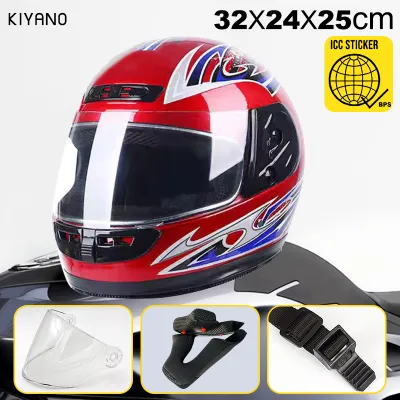
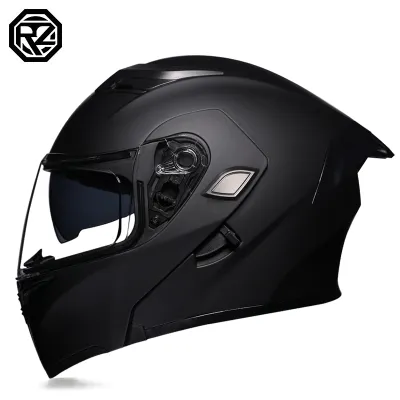
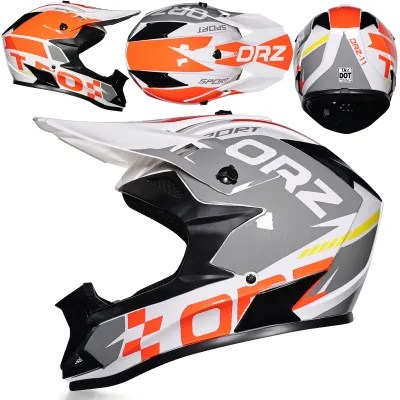
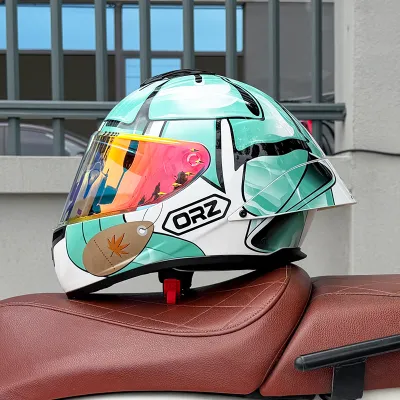
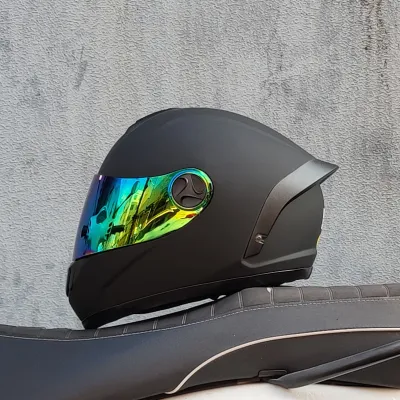
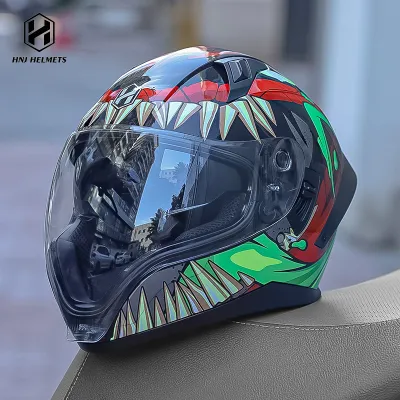
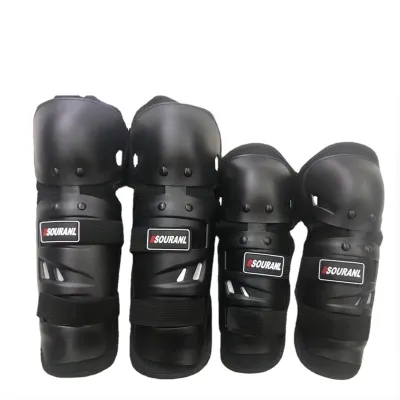
Prices are valid at publication and may change. Please refer to the product page for the latest price.
Visual identification is your first line of defense against non-compliant gear. Authentic ICC stickers feature unique security elements, including a distinct holographic sheen, a clear serial number, and a QR code that links back to official verification databases. These stickers are typically placed at the back of the helmet shell or directly on the chin strap. If a sticker looks like a simple printed label, lacks a serial number, or peels off easily without leaving a tamper-evident pattern, it is highly likely to be a counterfeit.
Using an uncertified helmet poses extreme risks on the road. Counterfeit shells are often made of cheap, brittle plastics that shatter upon impact rather than absorbing and dispersing the energy. Furthermore, riding without a certified helmet is a direct violation of Republic Act No. 10054, also known as the Motorcycle Helmet Act of 2009. Traffic enforcers actively check for these stickers, and riding with an uncertified helmet can result in hefty fines and the confiscation of your driver’s license.
Defining Budget Tiers and Feature Expectations
When shopping for a full-face helmet, understanding what each price bracket offers helps you set realistic expectations. Entry-level helmets, typically priced under ₱3,000, focus primarily on meeting basic safety standards. These models generally utilize standard thermoplastic shells and feature basic, non-adjustable ventilation ports. While they provide the necessary impact protection, they tend to be heavier and noisier at high speeds due to simpler aerodynamic designs.

Moving into the mid-range tier, which generally spans from ₱3,000 to ₱8,000, you will notice a significant upgrade in daily comfort and convenience. Helmets in this category often include dual-visor systems with an integrated drop-down sun shield, adjustable multi-port ventilation channels, and fully removable, moisture-wicking inner liners. The aerodynamics are more refined, which helps reduce wind resistance and neck strain during longer rides.
Premium helmets, which can range from ₱8,000 to well over ₱20,000, utilize advanced composite materials like fiberglass, carbon fiber, or aramid blends. These materials offer superior impact resistance while keeping the overall weight remarkably light. Premium models also feature advanced wind-tunnel-tested aerodynamics, emergency quick-release cheek pads, high-grade optical class visors, and highly efficient ventilation systems that keep you cool in hot, humid tropical weather.
Be highly suspicious of full-face helmets priced below ₱1,500 that claim to have full certifications. The cost of quality raw materials, impact-absorbing EPS liners, and official certification testing makes it virtually impossible to manufacture a safe, genuine helmet at an extremely low price point. Investing slightly more ensures you are buying actual protection rather than a cosmetic accessory.
Prioritizing Features and Managing Trade-Offs
If you are working with a strict budget, you must decide which features are non-negotiable and where you can afford to make compromises. The shell material is the most critical factor influencing both safety and weight. Standard polycarbonate or ABS thermoplastic shells are highly durable and affordable, but they require more material thickness to achieve the same strength as composite shells, making them heavier. If you only commute short distances, a slightly heavier thermoplastic helmet is a highly cost-effective choice.
Visor quality is another essential consideration for daily riding. Look for a helmet with a scratch-resistant, UV-protected outer visor that offers a wide field of view. A reliable quick-release visor mechanism is highly beneficial, allowing you to swap or clean the visor without using specialized tools. If you frequently ride during both bright days and dark nights, prioritize a helmet with a dual-visor system or ensure the clear visor is compatible with aftermarket anti-fog inserts.
Interior comfort directly impacts your focus and safety on the road. In a tropical climate, a helmet with a fully removable and washable inner liner is essential to prevent the buildup of sweat, bacteria, and unpleasant odors. Ensure the cheek pads and crown liner fit snugly without creating painful pressure points on your forehead or temples. A snug fit is vital; a loose helmet can shift during an accident, greatly reducing its protective capabilities.
Verifying Authenticity and Avoiding Counterfeits
To ensure your investment goes toward a genuine, road-legal helmet, always purchase from authorized dealers, official brand flagship stores, or reputable physical motorcycle accessory shops. Avoid buying from unverified third-party sellers on social media platforms or open online marketplaces where counterfeit goods are common. Authorized distributors can readily provide documentation or verify the authenticity of the PS or ICC stickers on their products.
When inspecting a helmet in person, pay close attention to the overall build quality and finishing. Genuine certified helmets exhibit clean paint finishes, smooth visor operation, and securely fastened chin straps with robust micrometric buckles or Double-D rings. Inspect the internal Expanded Polystyrene (EPS) foam liner; it should feel firm and be properly glued to the outer shell, without any loose gaps, chemical odors, or rough, unfinished edges.
If you prefer to purchase from an online marketplace, protect yourself by checking the seller’s rating, reading detailed customer reviews that include actual photos of the certification stickers, and verifying the platform’s return policy. Ensure the seller offers a clear buyer protection window. This allows you to return the helmet and secure a full refund if the product arrives without the promised ICC sticker, shows signs of shipping damage, or fails to match the advertised specifications.
Hidden Costs and Final Checkout Considerations
When calculating your total budget, remember to account for expenses beyond the initial purchase price of the helmet. If you are ordering online, shipping fees for bulky items like helmet boxes can add a noticeable amount to your final bill. Always check if the seller offers free shipping promotions or discount vouchers to help offset these handling costs.
Long-term maintenance costs should also influence your decision. Check the availability and pricing of replacement parts for your chosen helmet model. Visors inevitably get scratched over time, and being able to purchase a cheap replacement visor easily is much better than having to buy an entirely new helmet. Additionally, budget for essential maintenance accessories, such as anti-fog pinlock inserts for rainy-season riding and specialized helmet cleaning sprays to keep the interior fresh.
Finally, review the manufacturer’s warranty coverage and the availability of local after-sales support. Reputable brands typically offer warranties ranging from one to five years against manufacturing defects in the shell, visor mechanism, and retention straps. Choosing a brand with an active local distributor ensures you can easily claim warranty services or source replacement parts if any component fails prematurely.
Frequently Asked Questions (FAQ)
Can I use a DOT or ECE certified helmet instead of PS/ICC in the Philippines?
While Department of Transportation (DOT) and Economic Commission for Europe (ECE) certifications are highly respected international safety standards, Philippine law strictly requires a physical PS or ICC sticker for road legality. If you purchase an imported helmet that carries an ECE or DOT mark, it must still undergo the local import clearance process to receive an official ICC sticker before you can legally use it on public roads. Traffic enforcers look specifically for the local holographic sticker during roadside inspections, and lacking it can result in fines regardless of the helmet’s international ratings.
Are second-hand full-face helmets a safe way to save money?
No, purchasing a second-hand full-face helmet is highly discouraged due to critical safety risks. Helmets are designed to protect your head by absorbing the energy of a single major impact, during which the internal EPS liner compresses permanently. This internal damage is often completely invisible from the outside, meaning a used helmet could look pristine but offer zero protection in a subsequent crash. Additionally, helmet materials degrade over time from exposure to sweat, hair oils, and UV rays, and sharing used protective gear raises obvious hygiene concerns. It is always safer to buy a brand-new, budget-friendly certified helmet than a used premium model.

Community discussion
Share your experience or ask a question. Comments are reviewed before publication.