
Finding a reliable helmet for a toddler boy in the Philippines requires balancing budget constraints with strict safety compliance. The most critical factor is ensuring the helmet carries official certification, specifically the Philippine Standard (PS) mark or the Import Commodity Clearance (ICC) sticker. While aesthetic designs and cartoon graphics often appeal to young children, these visual elements do not guarantee protection during an impact. Parents must navigate various price points—from entry-level models to premium options—by focusing on structural integrity, weight, and proper fitment.
Selecting the right gear involves understanding how safety standards apply to smaller head sizes and developing neck muscles. A certified helmet ensures that the materials used can absorb impact energy effectively, reducing the risk of severe head injuries. By establishing a clear decision framework, you can confidently choose a helmet that fits your budget while providing the necessary protection for your child during motorcycle rides or outdoor activities.
Decoding PSB and ICC Safety Certifications
In the Philippines, motorcycle helmets and protective headgear are heavily regulated to protect riders, including young passengers. The Bureau of Philippine Standards (BPS) under the Department of Trade and Industry (DTI) mandates two primary marks of safety: the Philippine Standard (PS) quality mark and the Import Commodity Clearance (ICC) sticker. The PS mark is issued to locally manufactured helmets that pass rigorous factory audits and product testing, while the ICC sticker is affixed to imported helmets that successfully clear quality verification upon arrival. Both certifications serve as proof that the helmet has undergone standardized testing for impact attenuation, penetration resistance, and retention system strength.
Products mentioned in this guide
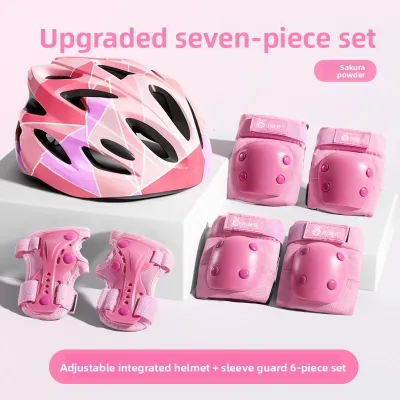
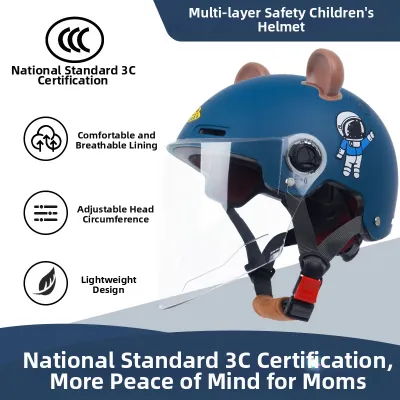
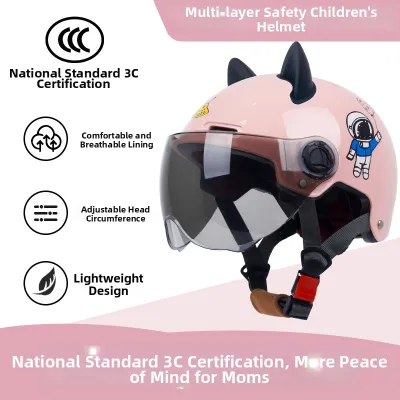
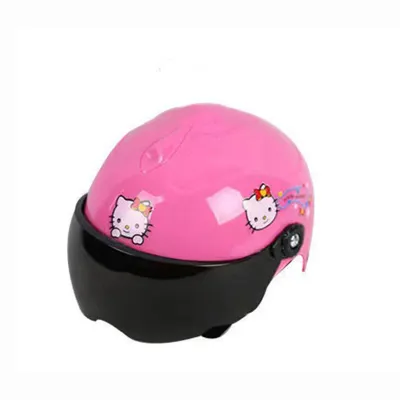
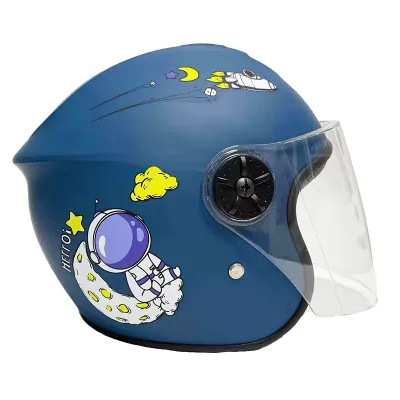
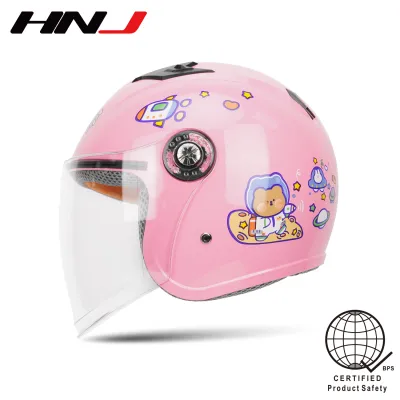
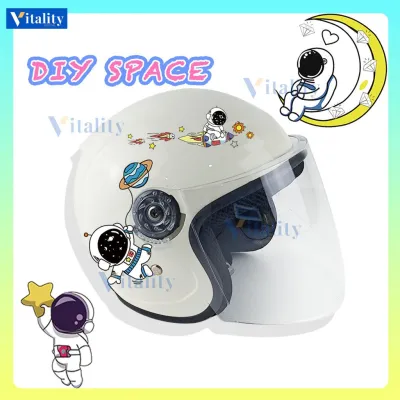
Prices are valid at publication and may change. Please refer to the product page for the latest price.
To ensure you are purchasing a genuine product, you must know how to visually inspect these certification marks. Genuine ICC stickers feature a unique holographic pattern, a specific serial number, and a clear, untampered print that is difficult to peel off without destroying the label. These stickers are typically placed on the rear of the helmet shell or directly on the protective EPS liner inside. If a sticker appears faded, easily peelable, or lacks a verifiable serial number, it is highly likely to be a counterfeit or an unauthorized reproduction.
It is vital to remember that these safety marks validate the structural engineering of the helmet rather than its external appearance. A helmet decorated with popular toddler themes or bright colors is only as safe as the underlying materials. The certification process tests how well the outer shell deflects sharp objects and how effectively the inner liner cushions the head during a sudden deceleration. Prioritizing these certified components over aesthetic appeal is the first and most important step in securing your child’s safety on the road.
Allocating Your Budget Without Compromising Safety
When shopping for a helmet for a toddler boy, understanding where your money goes helps you make an informed financial decision. The baseline cost of any reliable helmet covers the essential, non-negotiable safety components. These include a robust outer shell made of impact-resistant plastic, a high-density expanded polystyrene (EPS) inner liner, and a secure chin strap with a reliable buckle. Regardless of the price tier, these three elements must meet official certification standards to provide any real-world protection.

As you move up into higher price brackets, the additional cost generally reflects improvements in comfort, weight reduction, and user convenience rather than basic safety compliance. Mid-range and premium helmets often feature advanced ventilation channels that keep the child’s head cool in hot and humid tropical climates. They may also utilize lightweight composite materials, such as fiberglass or advanced polycarbonate blends, which reduce the overall load on a toddler’s neck. Other premium additions include removable, moisture-wicking, and washable inner padding, which is highly beneficial for maintaining hygiene during sweaty rides.
To decide which budget tier is right for you, use a simple decision framework based on usage frequency and riding conditions. If your toddler only rides occasionally for short distances, a basic, fully certified entry-level helmet is entirely sufficient, as it delivers the required impact protection without unnecessary financial strain. However, if your child rides frequently or for longer durations, investing in a mid-range or premium model with better ventilation and lighter materials is highly recommended to prevent fatigue and discomfort. Never sacrifice the presence of a genuine PS or ICC mark to save money, as an uncertified cheap helmet offers virtually no protection.
Key Features to Check Across All Price Tiers
Regardless of how much you plan to spend, performing a physical inspection of the helmet before purchase is essential to ensure its quality. Start by evaluating the outer shell construction and the inner impact liner. Press firmly on the inner EPS liner; it should feel dense and firm, not soft or easily compressible like cheap packaging foam. The outer shell should be free of visible cracks, deep scratches, or uneven molding lines, which could indicate manufacturing defects or structural weaknesses.
Next, inspect the retention system, which keeps the helmet securely anchored to your child’s head during an accident. The chin strap should be made of thick, tightly woven nylon webbing that does not fray easily when pulled. Test the quick-release buckle multiple times to ensure it locks securely with an audible click and releases smoothly when the mechanism is pressed. The adjustment sliders must hold the strap firmly in place without slipping, allowing you to maintain a snug fit without constant readjustment.
The weight of the helmet is a critical factor that directly impacts a toddler’s physical well-being. A toddler’s neck muscles and cervical spine are still developing and cannot support the heavy loads that adult helmets impose. When holding the helmet, it should feel remarkably light; heavy helmets can cause severe neck strain, fatigue, and even increase the risk of injury during a sudden stop. Look for models specifically engineered for toddlers, which typically weigh significantly less than standard youth or adult helmets.
Finally, check any integrated visors, face shields, or peak mechanisms for smooth operation and secure attachment. If the helmet features a movable visor, raise and lower it several times to ensure the hinge mechanism does not stick or create potential pinching hazards for small fingers. The visor material should be clear, distortion-free, and shatterproof to protect your child’s eyes from wind, dust, and flying debris without compromising their field of vision.
Verifying Authenticity and Avoiding Counterfeits
The market is unfortunately flooded with counterfeit safety gear, making it crucial to verify the authenticity of any helmet before letting your toddler wear it. One of the most reliable methods is to cross-reference the certification details with official regulatory databases. The Department of Trade and Industry (DTI) periodically updates lists of certified helmet brands and importers. You can check the serial number printed on the ICC sticker against these official records to confirm that the specific batch was legally imported and tested.
When shopping on online marketplaces or ecommerce platforms, you must remain highly vigilant against common red flags. Be suspicious of listings that do not display clear, high-resolution photos of the actual PS or ICC stickers on the helmet. Extremely low prices that seem too good to be true are a major warning sign, as genuine safety testing and quality materials carry baseline manufacturing costs. Additionally, avoid sellers who use vague safety descriptions, lack clear brand identification, or refuse to provide the certification serial numbers upon request.
To guarantee you are purchasing a genuine, certified helmet, always buy from authorized dealers, official brand stores, or reputable physical retail outlets. Physical stores allow you to handle the product, inspect the stickers firsthand, and try the helmet on your child to ensure a perfect fit. If you must buy online, stick to the official flagship stores of established riding gear brands on recognized ecommerce platforms, as these channels are subject to stricter quality controls and verification processes.
Ensuring a Safe and Secure Fit for Toddlers
A certified helmet can only protect your toddler if it fits correctly and is adjusted properly. To find the right size, you must accurately measure your child’s head circumference. Wrap a flexible, fabric measuring tape around the widest part of their head, positioning it about one inch above the eyebrows and just above the ears. Take this measurement in centimeters, as most helmet sizing charts rely on metric dimensions, and compare it directly to the manufacturer’s specific size guide.
Once you have the correct size, perform a series of physical checks to ensure a secure fit. Place the helmet squarely on your child’s head; it should sit level, covering the forehead down to about one inch above the eyebrows, rather than tilting backward or forward. Fasten the chin strap and apply the “two-finger” rule: you should only be able to snuggly fit two fingers between the strap and your toddler’s chin. Ask your child to shake their head gently from side to side; the helmet should move with their skin without sliding independently or slipping over their eyes.
Knowing when to replace a helmet is just as important as finding the right fit. You must establish clear stop conditions for the helmet’s lifecycle to maintain continuous protection. First, a helmet must be replaced immediately after any significant impact, drop, or accident, even if there is no visible damage, as the internal EPS liner crushes to absorb energy and cannot protect a second time. Second, regularly inspect the helmet for signs of wear, such as frayed straps, cracked buckles, or loose inner padding. Finally, because toddlers grow rapidly, you must monitor their head size and replace the helmet as soon as it becomes too tight or fails the standard fitting checks.
Frequently Asked Questions (FAQ)
Can a toddler use a standard child or adult helmet if it fits?
No, a toddler should never wear a standard child or adult helmet, even if the interior padding seems to fit their head circumference. Adult and older child helmets are engineered with a much heavier outer shell and thicker EPS liners designed to absorb high-velocity impacts. This excessive weight places immense strain on a toddler’s delicate neck muscles and developing spine, greatly increasing the risk of severe neck injuries during sudden stops or minor falls. Toddler-specific helmets are uniquely scaled to match their physical proportions, center of gravity, and neck strength.
How often should a toddler's helmet be replaced?
A toddler’s helmet must be replaced immediately following any drop, fall, or collision, as the impact-absorbing liner is designed for single-use protection and permanently deforms upon impact. For routine use without any accidents, you should replace the helmet as soon as your child outgrows the manufacturer’s specified size range. Additionally, regular exposure to tropical heat, sweat, and humidity can degrade the inner comfort padding and adhesive materials over time. Inspect the straps and buckles frequently, and replace the helmet if you notice any fraying, cracking, or structural degradation.

Community discussion
Share your experience or ask a question. Comments are reviewed before publication.