
Finding the right ford ranger shifter knob for your vehicle requires looking beyond simple aesthetics. Because Ford has updated the Ranger’s cabin design, transmission mechanics, and electronic systems across multiple generations, a knob that fits an older model will not work on a newer Next-Gen Ranger. To ensure a secure, safe, and functional fit, you must match the replacement part to your vehicle’s exact generation, transmission type, and connection interface.
Quick Compatibility Rules for Ford Ranger Shifter Knobs
To narrow down your search immediately, remember that shifter knob compatibility relies on a core triad: thread pitch or diameter, transmission type, and your Ranger’s specific model generation. A manual transmission requires a physical thread match or a compatible adapter, whereas an automatic transmission relies on specific button configurations, set screws, or electronic signals.
The evolution of the Ford Ranger has brought a major shift in how gears are engaged. Older models rely on traditional mechanical linkages where the shifter physically moves the gears. In contrast, modern iterations—particularly the Next-Gen Ranger models equipped with high-trim automatic transmissions—utilize electronic shift-by-wire systems. These electronic setups replace mechanical shafts with rotary dials or electronic shift levers that communicate via wiring harnesses, meaning physical thread matching is no longer the sole requirement.
Products mentioned in this guide
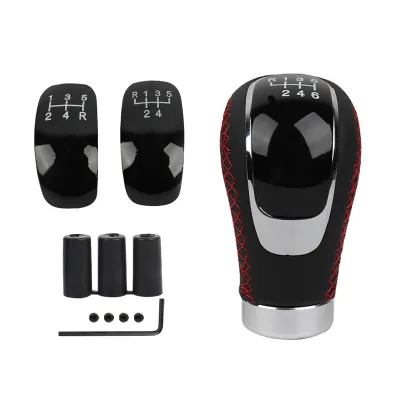
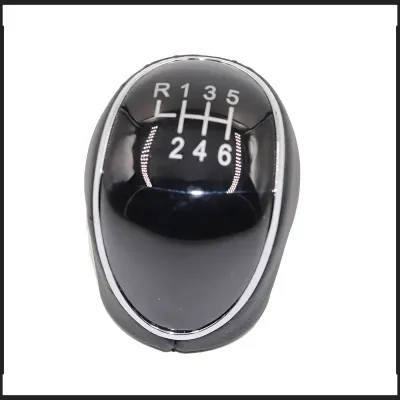
![[Yongyiw]Car Gear Shift Knob Lever Change Gear Shifter for Ford Ranger 2015-2020 Manual Selector Transmission Handle 6 Speed](https://img.lazcdn.com/g/p/031e77610fd196b711c7c06321ffb405.jpg_400x400q80.jpg_.webp)
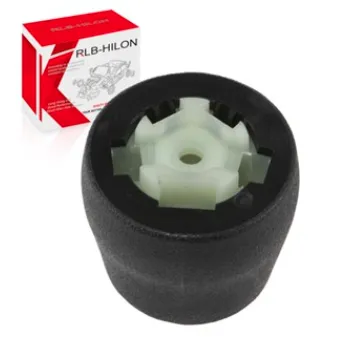
![[2012 - 2015] Ford Ranger Shift Knob Base (Manual) - Genuine Ford Auto Parts](https://img.lazcdn.com/g/p/e05dabfe014ab4a932172f73ff5f8b7b.jpg_400x400q80.jpg_.webp)
![[2016 - 2018] Ford Ranger Shift Knob Base (Manual) - [2016 - 2017] Ford Everest Shift Knob Base (Manual) - Genuine Ford Auto Parts](https://img.lazcdn.com/g/p/9142f3865a8d45619bbac36075cb4c65.jpg_400x400q80.jpg_.webp)
Prices are valid at publication and may change. Please refer to the product page for the latest price.
If you are planning to install an aftermarket upgrade, you must also account for adapters and safety mechanisms. Many universal aftermarket knobs require specialized adapters to sit securely on the Ford shifter shaft. Ignoring these requirements, or failing to accommodate factory features like the reverse lockout mechanism on manual models, can lead to loose components or, worse, an inability to safely engage reverse gear.
Identifying Your Ranger Generation and Transmission Type
Before purchasing a new shifter knob, you must accurately classify your truck’s configuration. The Ford Ranger has undergone significant interior and mechanical redesigns over the years. Choosing a compatible accessory requires knowing whether your transmission is manual, traditional automatic, or electronic, as well as identifying which platform generation your vehicle belongs to.

Manual vs. Automatic vs. Electronic Shifting
Traditional manual transmissions in the Ford Ranger utilize a threaded shift lever. The shifter knob screws directly onto this metal shaft. For these setups, compatibility is purely mechanical, depending on the exact thread diameter and pitch of the shaft, alongside space for the reverse lockout collar.
Automatic transmissions present a more complex interface. Many older automatic Ranger models feature shifter knobs with an integrated push-button on the side or front to release the shift lock. These knobs are typically secured using hidden set screws or internal retaining clips rather than threads. Forcing a simple screw-on manual knob onto an automatic lever will disable the shift lock safety mechanism, preventing you from safely shifting out of Park or into Reverse.
Modern electronic shifters represent the highest level of complexity. Found in newer high-spec Ranger models, these shift-by-wire systems use electronic dials, switches, or highly integrated electronic knobs. These units require specific wiring harnesses and digital software recognition to function. Forcing a mechanical aftermarket knob onto an electronic stem is impossible without destroying the electrical connections, which will trigger transmission fault codes and disable the vehicle.
Generational Differences (T6, T7, and Next-Gen)
The design of the Ford Ranger cabin and shift console has evolved across three primary modern platforms: the T6 (introduced around 2011), the T7 (the mid-cycle facelift introduced around 2015), and the Next-Gen Ranger (launched around 2022 and continuing through 2026). Each platform introduced distinct structural changes to the center console, shifter height, and attachment mechanisms.
An older shifter knob designed for a T6 Ranger will generally not fit a Next-Gen Ranger. Even within the same model year, differences in trim levels (such as the XLS, XLT, Wildtrak, or Raptor) can dictate whether your truck uses a mechanical lever or an electronic shifter. A Wildtrak or Raptor may feature a completely different shifting interface than a base-model XLS.
To avoid ordering the wrong part, do not rely solely on the general model year listed on online marketplaces. Instead, verify your vehicle’s exact build date, check the Vehicle Identification Number (VIN) with an authorized dealer, or cross-reference the original equipment manufacturer (OEM) part number stamped on the underside of your factory shifter assembly. This step guarantees that you purchase an accessory designed specifically for your truck’s unique build configuration.
Critical Fitment Specifications to Verify Before Purchase
Once you have identified your Ranger’s generation and transmission type, you must verify several critical physical dimensions and mechanical features. Checking these specifications beforehand prevents the frustration of receiving an incompatible part that cannot be safely installed.
Thread Size and Pitch For manual and threaded automatic shifters, guessing the thread size is a recipe for installation failure. Assuming a generic metric thread pitch without verification can easily lead to cross-threading, which permanently damages the soft metal threads on your shifter shaft. To find the exact thread size, consult your vehicle’s factory workshop manual or use a thread pitch gauge on the bare shift shaft. Common metric threads must be matched precisely down to the millimeter and thread spacing before attempting to screw on a new knob.
Adapter Requirements If you choose a universal aftermarket shifter knob, it will likely require an adapter to fit the Ranger’s factory shaft. Many universal kits include plastic or soft metal adapters designed to slide over various shaft diameters. However, poorly machined or low-quality adapters are prone to slipping, stripping, or causing excessive rattling while driving. Over time, a loose adapter can place uneven stress on the shift shaft, potentially damaging the internal shift linkages. It is highly recommended to select high-grade aluminum or brass adapters engineered specifically for Ford vehicles.
Reverse Lockout and Button Mechanisms Many manual Ford Rangers feature a pull-up reverse lockout ring located directly beneath the shifter knob. This safety feature prevents the driver from accidentally shifting into reverse while moving forward. Any aftermarket knob you select must have a recessed base or a specific hollow cavity to allow this lockout ring to slide upward freely. Similarly, automatic models with trigger buttons or overdrive switches must have those electrical or mechanical triggers fully integrated into the replacement knob to maintain safe vehicle operation.
Recommended Shifter Knob Styles Based on Driving Needs
Selecting a replacement shifter knob also depends on how you use your truck and the environment in which you drive. In the Philippines, drivers face unique challenges, from rough provincial roads and muddy off-road trails to extreme tropical heat and high humidity. Choosing the right material and design ensures long-term comfort and durability.
Heavy-Duty and Off-Road Knobs
For off-road enthusiasts who frequently take their Rangers through challenging terrain, heavy-duty knobs made from billet aluminum or weighted stainless steel are highly popular. These materials offer excellent durability and provide a solid, mechanical feel that delivers clear tactile feedback when shifting gears on bumpy roads. The extra weight of a steel knob can also make manual gear transitions feel smoother.
However, you must be cautious regarding the weight of the knob. While a slightly weighted knob improves shifting feel, an excessively heavy aftermarket knob can place constant downward pressure on the internal shift forks. Over time, this weight can wear out the transmission’s synchronizers or cause the shifter to pop out of gear unexpectedly, especially when driving over steep inclines or rough provincial roads. Keep the knob’s weight within the limits recommended by reputable accessory manufacturers.
Ergonomic and Long-Distance Comfort Knobs
If you use your Ranger as a daily commuter in heavy traffic or for long-distance highway driving, prioritizing ergonomics is essential. Contoured knobs designed to fit the natural shape of your hand help reduce wrist strain and hand fatigue during long hours behind the wheel. Materials like premium leather wraps or high-quality wood finishes offer a softer, more comfortable grip.
In the Philippines, cabin heat is a major factor to consider. Vehicles parked outdoors under the intense tropical sun can reach extremely high internal temperatures, causing solid metal or dark plastic shifter knobs to become painfully hot to the touch. For tropical climates, look for knobs wrapped in perforated leather, high-grade suede, or heat-resistant composite materials that do not absorb heat or become slippery when your hands sweat in high humidity.
OEM-Style and Direct Replacements
For drivers who prefer to maintain the clean, original look of their truck’s interior, an OEM-style or direct factory replacement is the safest option. These knobs preserve the factory aesthetics and guarantee a perfect fit without the need for aftermarket adapters or modifications.
When purchasing an OEM-style replacement, pay close attention to any integrated electronics. If your original factory knob contains electronic buttons, gear indicator lights, or wiring connections, the replacement unit must feature the exact same electrical connectors. Verifying this compatibility ensures that all safety locks, overdrive functions, and electronic displays continue to operate seamlessly after installation.
Installation Precautions and Safety Boundaries
Installing a new shifter knob is a popular DIY project, but it requires careful handling to avoid causing expensive damage to your transmission or interior trim. Before beginning the installation, review the original vehicle documentation and follow these safety guidelines.
First, never use excessive force, large pipe wrenches, or heavy pliers directly on the shift shaft. Applying too much torque can easily bend the shift linkage, strip the delicate factory threads, or snap the shaft entirely. If the factory knob is difficult to remove, check for hidden set screws, retaining clips, or adhesive bonds rather than trying to force it off with heavy tools.
Once the new knob is installed, perform a thorough clearance check before starting the engine. Shift through every gear position—including Reverse—and verify that the new knob does not block your view of the instrument cluster, nor does it physically interfere with the climate controls, 4WD selector dial, or infotainment screen. The shifter must move freely through its entire range of motion without touching any surrounding trim pieces.
For modern Rangers equipped with electronic shift-by-wire systems or knobs with integrated wiring, electrical safety is paramount. Always disconnect the vehicle’s negative battery terminal before unplugging or working on any electronic shift assemblies. This precaution prevents accidental short circuits, electrical damage to the transmission control module, or the triggering of persistent diagnostic trouble codes (DTCs) on your dashboard.
Recognize the boundary of a DIY installation. If the shifting mechanism feels unusually stiff after mounting the new knob, if electronic warning lights appear on your dashboard, or if the installation requires splicing or modifying the factory wiring harness, stop immediately. Consult a qualified professional mechanic or your local Ford dealership. Attempting to modify complex electronic shift systems yourself can void your vehicle’s transmission and electrical warranties, leading to costly out-of-pocket repairs.
Frequently Asked Questions (FAQ)
Can I use a universal shifter knob on my Ford Ranger?
Yes, you can use a universal shifter knob on older manual Ford Ranger models, provided you use a high-quality, correctly sized thread adapter. However, universal knobs are generally incompatible with modern automatic or electronic shift-by-wire Rangers. Universal adapters are also prone to loosening over time, which can cause annoying vibrations, rattling, or interfere with the proper engagement of safety features like the reverse lockout mechanism.
Will changing the shifter knob void my Ford warranty?
Replacing a simple, mechanical screw-on manual shifter knob typically will not affect your vehicle’s warranty. However, modifying electronic shift-by-wire assemblies, cutting or splicing factory wiring harnesses, or disabling safety switches carries a very high risk of voiding your electrical and transmission warranties. Always consult your local dealership or review your warranty manual before modifying any electronic components in your Ranger.

Community discussion
Share your experience or ask a question. Comments are reviewed before publication.