
When your fuel transfer pump motor hums or runs but fails to move any fuel, the issue typically stems from a suction leak, a severe blockage, or an internal valve failure. Because the motor is actively spinning, the electrical circuit is likely intact, meaning the breakdown lies within the fluid dynamics or mechanical components of the transfer system. Safely diagnosing this issue requires a systematic approach, starting with basic external checks of your fluid paths and connections before you assume the pump itself has suffered a catastrophic mechanical failure.
Safety First: Pre-Diagnosis Preparation
Before you begin inspecting any fuel system components, you must establish a secure workspace to mitigate the inherent risks of handling flammable liquids. Always disconnect the primary power source, whether it is a 12-volt battery connection, a vehicle electrical harness, or an AC outlet, to prevent accidental motor activation. Relieve any residual pressure within the transfer lines by slowly opening the nozzle or relief valves into an approved container, which prevents sudden, dangerous fuel sprays.
Inspect the immediate area for any existing fuel spills, and immediately eliminate all potential ignition sources, including pilot lights, running engines, or electronic devices. Because fuel vapors are heavier than air and can accumulate rapidly in low-lying areas, always perform your diagnostic work in a well-ventilated outdoor space or an open garage with active airflow. Finally, verify that the fuel currently in your source tank matches the exact specifications listed on your pump’s manufacturer label, as using incompatible fluids can lead to immediate seal failure or pose a severe fire hazard.
Products mentioned in this guide
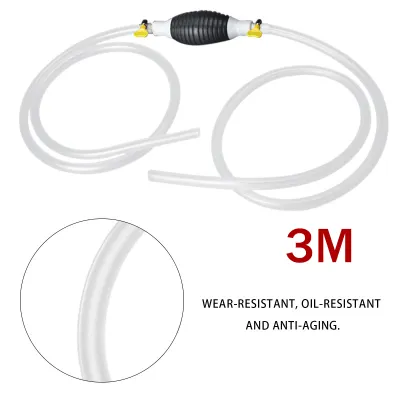
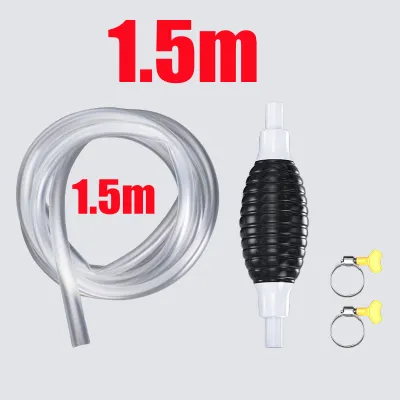
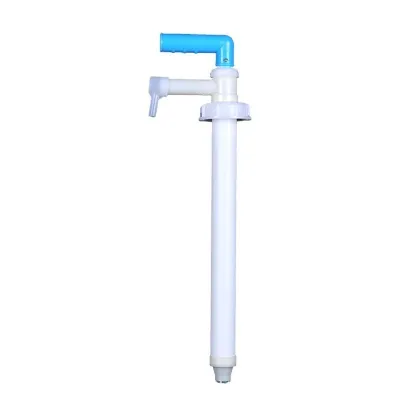
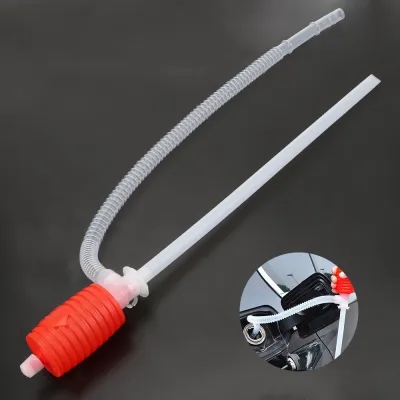
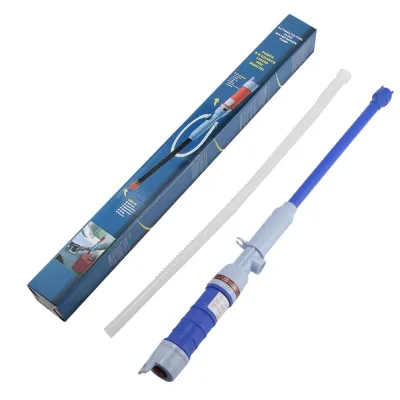
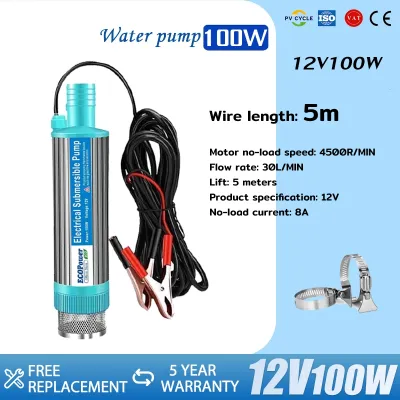
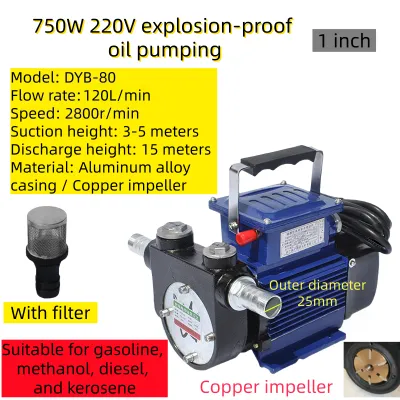
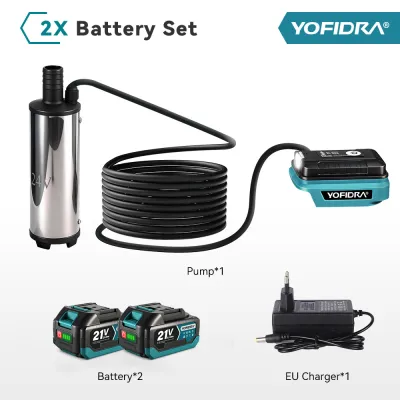
Prices are valid at publication and may change. Please refer to the product page for the latest price.
Troubleshooting Table: Match Symptoms to Causes
To isolate why your fuel transfer pump is running dry, you can match observable physical symptoms to their most probable mechanical causes. A structured approach prevents unnecessary disassembly and helps you target the exact point of failure in the suction or discharge lines.

Use the following troubleshooting matrix to guide your initial inspection:
| Observed Symptom | Likely Root Cause | Recommended Initial Check |
|---|---|---|
| Motor runs but no fuel flows | Suction line air leak or lost prime | Check hose clamps and verify fluid level in source tank |
| Motor hums loudly with zero flow | Clogged inlet strainer or blocked line | Inspect the suction hose and clean the intake screen |
| Weak or inconsistent fuel flow | Partially clogged inline filter or high lift | Check filter restriction and reduce elevation difference |
| Air bubbles visible in discharge | Loose fitting on the suction side | Tighten all joints and inspect O-rings for cracks |
| Excessive vibration and noise | Cavitation or worn internal impeller | Verify suction line is not kinked or restricted |
When diagnosing these symptoms, start with low-risk, reversible checks that do not require opening the pump housing. Verify that the source tank contains sufficient fuel, as a low fluid level can allow the suction pipe to draw in air instead of liquid. Inspect the entire length of both the suction and discharge hoses for sharp kinks, physical damage, or soft spots that might collapse under vacuum. Additionally, consider the physical layout of your setup; if the pump is positioned too high above the source tank, the static lift may exceed the pump’s self-priming capability, causing it to run dry continuously.
How to Fix Common Blockages and Suction Leaks
The majority of fuel transfer issues are caused by simple air leaks or physical blockages on the suction side of the system, both of which are straightforward to resolve. Begin your repair by inspecting the inline fuel filters and intake strainers, which are designed to catch debris before it enters the pump cavity. If you find a buildup of rust, dirt, or organic sediment, clean the reusable mesh strainers thoroughly with an authorized solvent, or replace disposable inline filters with new units matching your system’s specifications.
Air leaks on the suction side are particularly troublesome because even a microscopic gap can prevent the pump from creating the vacuum necessary to draw fuel upward. Inspect all threaded connections, hose clamps, gaskets, and O-rings along the inlet line for signs of wear, dry rot, or loose fitment. Replace any damaged rubber seals, apply fuel-resistant thread sealant to threaded joints, and tighten all hose clamps securely to ensure an airtight seal.
Once you have cleared all blockages and sealed the connections, you must prime the pump correctly to restore its suction capability. While some transfer pumps are advertised as self-priming, they often require a small amount of liquid inside the chamber to lubricate the seals and create an initial wet seal. Pour a small volume of clean fuel directly into the priming port or the suction inlet as specified by the manufacturer’s instructions, then quickly secure the line and start the motor to pull the fuel through.
When to Stop DIY Fixes and Seek Professional Help
While basic hose adjustments and filter cleanings are safe for DIY maintenance, certain symptoms indicate internal damage that requires professional repair or complete unit replacement. If your pump emits unusual grinding, clicking, or heavy metallic rattling noises when running, the internal gears, vanes, or bearings have likely failed. Severe overheating of the motor housing or a distinct burnt electrical odor also indicates that the internal motor windings are damaged or that the pump is drawing excessive current.
Electrical components, such as start capacitors, internal wiring harnesses, and thermal switches, require specialized diagnostic tools to test safely without risking electrical shock or spark hazards. If you suspect an electrical fault within the motor enclosure, refer to a qualified technician or an authorized service center rather than attempting to splice wires yourself. Never attempt to disassemble sealed pump housings, modify internal clearances, or bypass built-in thermal overload protectors, as doing so compromises the explosion-proof rating of the motor and can lead to catastrophic fuel ignition.
Preventive Maintenance to Keep Your Pump Flowing
Establishing a consistent preventive maintenance routine is the most effective way to extend the operating life of your fuel transfer equipment and prevent unexpected failures. Inspect all hoses, seals, and clamps before each use, looking closely for signs of weather cracking, swelling, or softening caused by fuel exposure. In tropical environments with high humidity, condensation can quickly accumulate inside fuel storage tanks, making it critical to drain water separators and replace fuel filters regularly to prevent moisture from reaching the pump’s internal steel components.
Proper storage is equally vital when the pump is not in active use for extended periods. Drain any remaining fuel from the pump chamber and hoses to prevent the fuel from breaking down into a sticky varnish that can seize the internal vanes or gears. Store the equipment in a cool, dry, sheltered location away from direct sunlight and extreme temperature fluctuations to protect the rubber hoses and electrical insulation from premature degradation.
Finally, always operate your transfer pump within its rated duty cycle, which is the maximum continuous run time allowed before the motor must be turned off to cool down. Exceeding this limit, running the pump dry for extended periods, or forcing it to operate against a closed discharge nozzle accelerates wear and can permanently damage the internal seals.
Frequently Asked Questions (FAQ)
Can I Use the Same Pump for Different Fuel Types?
You should never use a fuel transfer pump for a fluid other than those explicitly listed on its manufacturer label. Internal components, including rubber O-rings, shaft seals, and plastic impellers, are engineered to resist specific chemical compositions. Using an incompatible fuel, such as pumping gasoline with a diesel-only pump, can cause the seals to swell, dissolve, or shrink rapidly, leading to severe external leaks and creating an immediate fire or explosion hazard.
Why Does the Pump Motor Overheat During Transfer?
A fuel transfer pump motor typically overheats due to excessive mechanical resistance, prolonged dry running, or exceeding its rated duty cycle. When a pump runs without fluid, it loses the cooling effect provided by the flowing fuel, causing temperatures to rise rapidly. Additionally, operating the pump with a heavily restricted discharge line or a clogged inlet filter forces the motor to work significantly harder, drawing higher electrical current and generating excess heat that can trigger the thermal overload switch.

Community discussion
Share your experience or ask a question. Comments are reviewed before publication.