
Choosing a full-face helmet in the Philippines is a critical decision that directly impacts your safety, comfort, and daily riding experience. With the diverse range of options available on the market, finding the right balance between your financial limits and non-negotiable safety standards is essential. Whether navigating the congested, humid streets of Metro Manila or embarking on long weekend rides across provinces, your helmet serves as your primary line of defense. Since market prices fluctuate and specific models frequently update, understanding what each budget tier offers allows you to make an informed choice. By focusing on material upgrades, safety certifications, and comfort features associated with entry-level, mid-range, and premium brackets, you can evaluate available options and select a helmet that prioritizes both value and protection.
Verifying Safety Certifications Before Setting Your Budget
Before comparing prices or aesthetic designs, establishing a non-negotiable safety baseline is the most critical step in your purchasing journey. In the Philippines, all protective helmets sold must comply with local safety regulations. You must look for the physical Import Commodity Clearance (ICC) sticker or the Philippine Standard (PS) mark. These stickers are typically issued by the Bureau of Philippine Standards (BPS) after rigorous verification. Authentic stickers often feature unique security elements, such as holographic patterns or serial numbers that can be verified through official government databases or verification apps. Counterfeit helmets frequently use fake stickers that lack these holographic details or display mismatched serial numbers.
Beyond local marks, understanding international safety standards helps you evaluate a helmet’s structural integrity. The Department of Transportation (DOT) standard is a self-certified system common in North America, focusing on basic penetration and impact attenuation. The Economic Commission for Europe (ECE) standard, particularly the newer ECE 22.06, involves more stringent, independent testing that measures rotational forces and multi-directional impacts. SNELL certification is an independent, voluntary standard that subjects helmets to extreme testing conditions, often preferred for racing.
Products mentioned in this guide
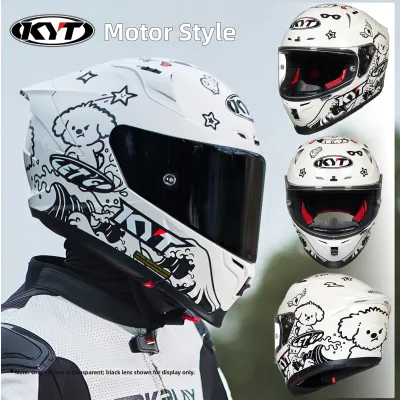
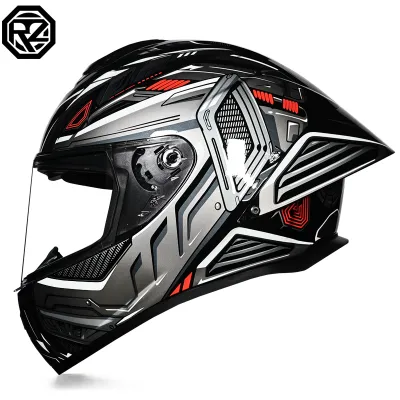
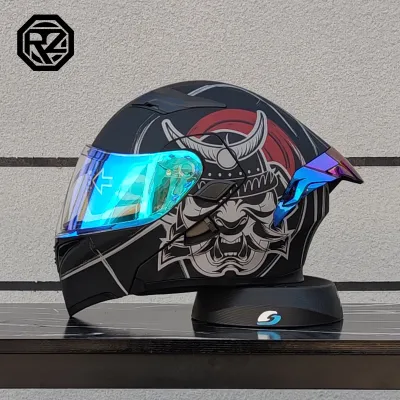
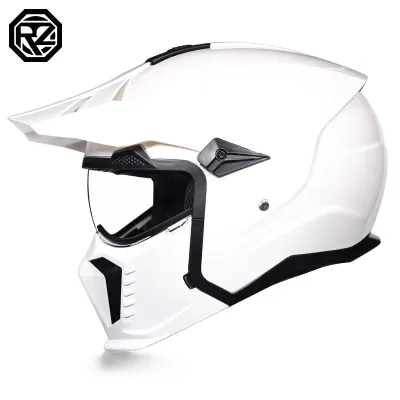
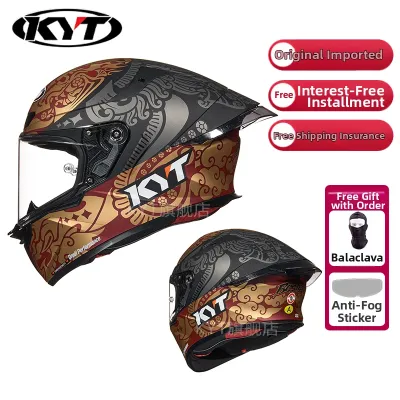
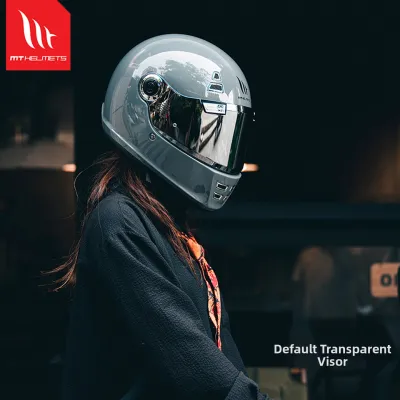
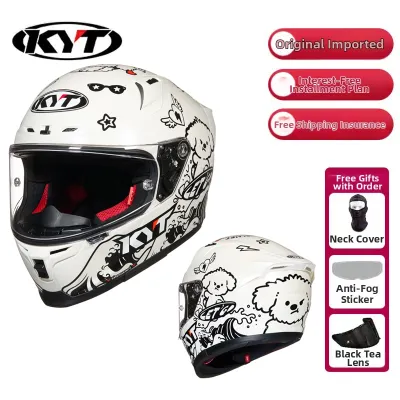
Prices are valid at publication and may change. Please refer to the product page for the latest price.
To verify these certifications, inspect the physical helmet thoroughly. Authentic certification labels are typically sewn securely onto the chin strap or printed directly onto the rear outer shell under a clear protective coat. Red flags that indicate counterfeit or uncertified gear include stickers that peel off easily, misspelled certification acronyms, the absence of a manufacturing date, or a complete lack of internal labeling. Never purchase a helmet that fails to display these verified markings, regardless of how attractive the price or design may be.
Entry-Level Tier: Maximizing Value Without Compromising Safety
The entry-level tier is designed for budget-conscious riders who require reliable protection for daily commuting without unnecessary financial strain. Helmets in this category typically feature outer shells constructed from standard thermoplastic or basic Acrylonitrile Butadiene Styrene (ABS). While these materials are highly durable and capable of dispersing impact energy effectively, they tend to be heavier than advanced composites. This additional weight can lead to neck fatigue during extended rides, especially in stop-and-go traffic.

When evaluating entry-level options, you should look for minimum acceptable comfort features that make riding in a tropical climate manageable. Proper ventilation is crucial; ensure the helmet has functional chin and forehead vents that allow air to flow through the interior. Removable and washable interior liners are another essential feature. In the hot and humid conditions of the Philippines, sweat and oil accumulate rapidly inside the helmet, making the ability to wash the padding vital for hygiene and odor control.
The critical rule for this budget tier is to never sacrifice verified safety certifications or proper fitment for a lower price point. Some unbranded or extremely cheap helmets may mimic the look of sporty full-face gear but lack the internal Expanded Polystyrene (EPS) foam liner required to absorb impact forces. Always prioritize a certified, well-fitting entry-level helmet over an uncertified model with flashy graphics or integrated sun visors.
Mid-Range Tier: Where Material and Comfort Upgrades Begin
Stepping up to the mid-range tier introduces noticeable improvements in material quality, overall weight, and daily riding comfort. Helmets in this bracket often utilize advanced ABS blends or entry-level fiberglass composites. These materials offer a higher strength-to-weight ratio compared to standard thermoplastics, resulting in a lighter helmet that reduces strain on your neck muscles during longer journeys.
Aerodynamics and noise reduction also receive significant upgrades in this tier. Manufacturers design mid-range helmets using wind-tunnel testing to minimize drag and lift at higher speeds. This aerodynamic optimization, combined with better neck rolls and chin curtains, helps reduce wind noise inside the helmet, protecting your hearing and reducing fatigue. Ventilation systems become more sophisticated, featuring multi-channel EPS liners that actively draw hot, humid air away from your head and expel it through rear exhaust vents.
Convenience features are highly prominent in mid-range helmets. You can expect visors that are Pinlock-ready, allowing you to install anti-fog inserts that prevent condensation during heavy downpours or early morning rides. Quick-release shield mechanisms make it easy to swap visors without tools, while multi-density EPS liners provide targeted impact absorption across different areas of the head. These upgrades make the mid-range tier an excellent investment for riders seeking a balance of comfort and durability.
Premium Tier: Evaluating Advanced Features and Track-Grade Protection
The premium tier represents the pinnacle of helmet engineering, catering to riders who demand high-performance materials, advanced safety technologies, and maximum comfort. Helmets in this category are constructed from premium composite shells, such as carbon fiber, Kevlar, or complex multi-fiber blends. These materials provide exceptional structural integrity while keeping the helmet incredibly lightweight, which is highly beneficial for high-speed stability and reducing physical exertion during long track sessions or touring.
In terms of safety, premium helmets often carry elite certifications such as SNELL or the Fédération Internationale de Motocyclisme (FIM) homologation, which are required for professional racing. They also incorporate advanced safety designs, such as emergency quick-release cheek pads that allow medical personnel to safely remove the helmet in the event of an accident without straining the rider’s neck. Multi-directional impact protection systems may also be integrated to reduce rotational forces transmitted to the brain during an angled impact.
Comfort configurations in premium helmets are meticulously designed. The interior fabrics are typically antimicrobial, moisture-wicking, and highly breathable, which helps manage sweat in tropical climates. Wind-tunnel-optimized shapes minimize buffeting at high speeds, while integrated communication system pockets allow for seamless installation of Bluetooth intercoms without compromising the fit or safety of the EPS liner. While the investment is substantial, these features provide unparalleled comfort and protection for high-speed or long-distance riding.
Final Buying Checklist: Avoiding Hidden Costs and Fitment Issues
To ensure you get the most value from your purchase, a systematic pre-purchase check is essential. Sizing and fitment are the most critical factors; a helmet that does not fit correctly cannot protect you properly. When trying on a helmet in-store, pay close attention to cheek pad pressure. The pads should press firmly against your cheeks without causing pain. Check the crown clearance to ensure there are no pressure points on your forehead or the top of your head. Finally, verify your peripheral vision to ensure the helmet’s eyeport does not obstruct your view of traffic.
If you choose to purchase from an online marketplace or ecommerce platform, extra precautions are necessary. Always verify that the seller is an authorized dealer for the brand to avoid purchasing counterfeit products. Calculate shipping fees beforehand, as helmets require large boxes that can incur high shipping costs. Most importantly, review the seller’s return and exchange policies. Since helmet sizing varies between brands and models, you must have a clear option for exchanging the helmet if the fit is incorrect upon arrival.
Additionally, remember to factor in the cost of necessary accessories when planning your budget. Many helmets do not include anti-fog visor inserts, replacement tinted or mirrored shields, or high-quality protective bags in their base price. Purchasing these items separately can add to your overall expense, so accounting for them early ensures you do not face unexpected costs after buying your helmet.
Frequently Asked Questions (FAQ)
Is it safe to buy a second-hand full-face helmet to save money?
Buying a second-hand full-face helmet is highly discouraged due to hidden structural risks. The internal Expanded Polystyrene (EPS) liner is designed to compress and absorb impact energy only once. Even a minor drop or low-speed impact can compromise this liner without leaving visible marks on the outer shell. Additionally, you cannot verify the helmet’s storage history, exposure to degrading chemicals, or UV damage. Hygiene is also a significant concern, as pre-worn interior padding accumulates sweat, oils, and bacteria from the previous owner.
How often should I replace my full-face helmet regardless of its price tier?
As a general industry guideline, you should replace your full-face helmet every five years from the date of purchase, or seven years from the date of manufacture, whichever comes first. Over time, the resins, glues, and EPS materials naturally degrade due to exposure to sweat, hair oils, cosmetics, and UV rays. Furthermore, you must replace any helmet immediately if it is involved in an impact or dropped from a significant height, even if there is no visible damage to the outer shell.
Do I need to spend more on a premium helmet for daily city commuting?
For daily city commuting at lower speeds, a premium, track-grade helmet is generally not necessary. Your primary needs in urban traffic are efficient ventilation to handle tropical heat, a comfortable fit, and reliable impact protection, which are well-served by certified entry-level or mid-range helmets. Premium helmets are optimized for high-speed aerodynamics, noise reduction, and extreme impact scenarios, making them more suitable for highway touring, sport riding, or track use rather than stop-and-go city commuting.

Community discussion
Share your experience or ask a question. Comments are reviewed before publication.