
Quick Answer: Which Motorcycle Cushion Type Should You Choose?
There is no single motorcycle cushion that perfectly suits every rider, as the ideal choice depends on your typical riding duration, local weather patterns, and specific physical pain points. For riders navigating long highway stretches, a gel cushion provides targeted pressure relief that prevents localized numbness. Commuters seeking a cost-effective, straightforward upgrade for rough city streets often find high-density foam cushions to be the most practical choice for absorbing sudden impacts. Meanwhile, those who face long hours in hot, humid climates benefit most from air cushions, which offer customizable firmness and unmatched ventilation to prevent heat buildup.
To make the right choice, you must weigh how each material handles road vibrations, manages heat, and alters your riding posture. This guide breaks down the physical properties, performance trade-offs, and safety considerations of gel, foam, and air motorcycle cushions to help you identify the perfect upgrade for your daily commute or long-distance touring.
Understanding the Core Materials: Gel, Foam, and Air
Aftermarket motorcycle cushions are designed to supplement or temporarily replace the factory seat’s padding. These accessories interact with your body weight and the motorcycle’s chassis in fundamentally different ways, depending on their internal composition and structural design.
Products mentioned in this guide
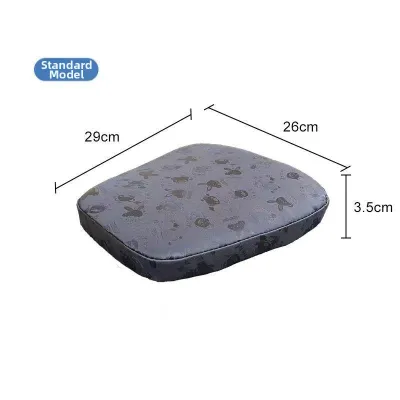
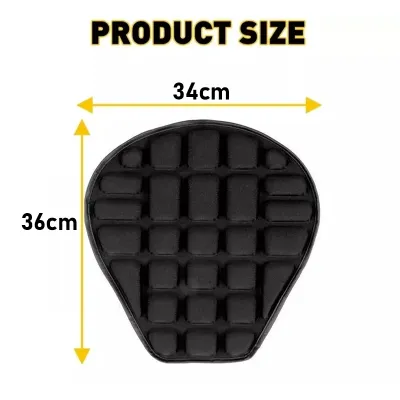
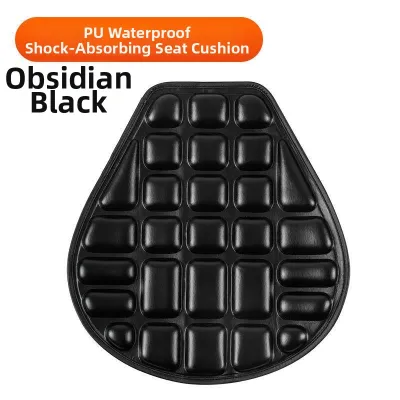
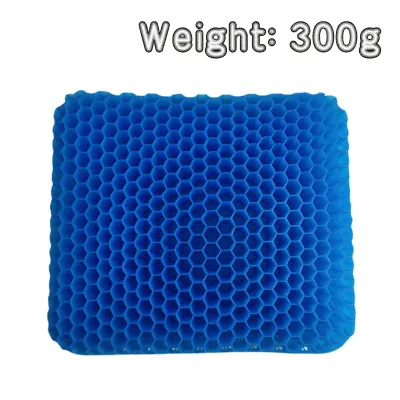
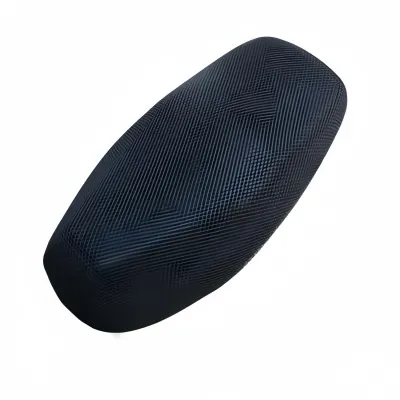
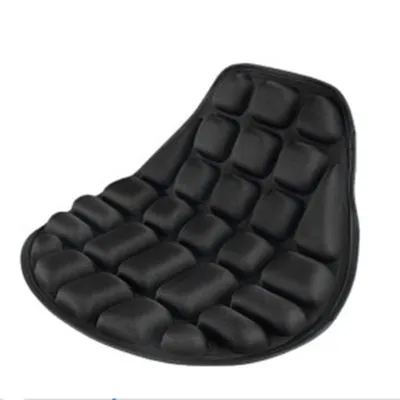
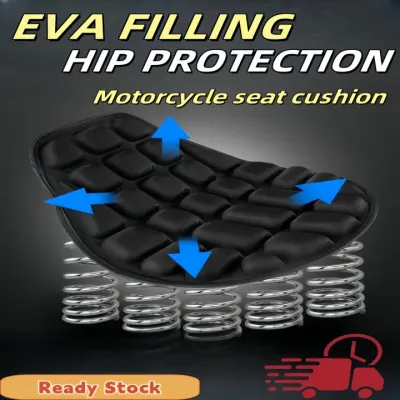
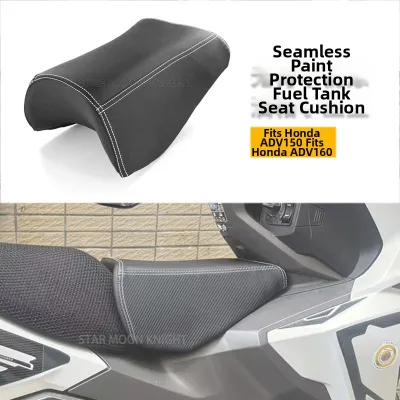
Prices are valid at publication and may change. Please refer to the product page for the latest price.

Gel Cushions: Cooling and Pressure Relief
Gel motorcycle cushions utilize a semi-solid, elastomeric polymer that behaves like a slow-moving fluid under pressure. Instead of compressing downward when you sit, the gel shifts laterally to conform closely to your unique anatomy. This fluid-like displacement distributes your body weight across a much larger surface area, which significantly reduces pressure spikes on your pelvic bones.
Most commercial gel pads are not solid blocks of gel; they are typically integrated as a contoured layer over a thin, high-density foam base. This hybrid structure prevents the rider from sinking completely through the gel layer and bottoming out against the hard plastic seat pan. By neutralizing localized pressure points, gel cushions are highly effective at preventing the sharp, stinging pain and numbness that often develop during uninterrupted hours in the saddle.
Foam Cushions: Classic Comfort and Shock Absorption
Foam remains the traditional standard for vehicular seating due to its predictable support and excellent energy absorption. Aftermarket foam cushions generally fall into two categories: standard open-cell polyurethane foam and memory foam. Standard polyurethane foam is highly resilient, offering a springy, quick-recovery support system that excels at absorbing sudden, sharp impacts from potholes and uneven road surfaces.
Memory foam, or viscoelastic foam, responds to both weight and body heat, gradually softening to contour precisely to your body shape. This creates a deeply supportive, cradling sensation. However, memory foam has a much slower recovery rate and behaves differently under varying ambient temperatures. Both foam types rely on millions of microscopic air pockets within their structure to compress and cushion the rider, making them highly effective at dampening high-frequency engine buzz and road vibrations.
Air Cushions: Adjustable Support and Ventilation
Air cushions consist of a network of interconnected, heavy-duty polyurethane or thermoplastic polyurethane (TPU) air chambers enclosed in a fabric cover. When you sit on the cushion, air transfers dynamically between the cells, conforming to your body contour and distributing your weight evenly across the entire surface. This design eliminates the hard pressure points that cause discomfort during long rides.
Unlike solid or foam cushions, air-filled options feature an inflation valve that allows you to adjust the firmness on the fly. By adding or releasing small amounts of air, you can customize the support level to match your weight and riding style. Furthermore, the physical gaps between the individual air cells act as natural ventilation pathways, allowing air to flow freely beneath your body to prevent moisture buildup and keep you dry.
Key Comparison Dimensions for Rider Comfort
To choose the right motorcycle cushion, you must evaluate how these materials perform across several real-world metrics, particularly if you ride frequently in challenging environments.
Vibration Dampening and Long-Distance Fatigue
Continuous exposure to low-amplitude, high-frequency engine and road vibrations can lead to muscle fatigue, joint soreness, and long-term physical discomfort. Foam cushions excel at neutralizing these high-frequency vibrations by absorbing the kinetic energy within their cellular structure. Standard high-density foam acts as an excellent barrier against constant road buzz, making it highly reliable for daily travel over mixed road surfaces.
Gel cushions take a different approach by focusing on pressure distribution rather than pure shock absorption. While gel is highly effective at dampening mid-frequency vibrations and preventing localized muscle soreness, it is less efficient than thick foam at absorbing massive, sudden impacts from deep potholes. If a gel pad is too thin, a hard impact can cause you to bottom out against the seat pan.
Air cushions provide the highest level of isolation from continuous road buzz because they literally suspend the rider on a cushion of air, separating your body from the motorcycle’s frame. However, their performance depends entirely on proper inflation. If an air cushion is over-inflated, it becomes rigid, bouncy, and unstable, which increases fatigue. If under-inflated, the air cells will collapse under your weight, causing you to bottom out and feel every vibration directly through the seat.
Heat Retention and Breathability in Tropical Climates
For riders operating in tropical environments characterized by high heat and intense humidity, temperature management is a critical comfort factor. Dense memory foam is highly prone to heat retention. Because memory foam relies on body heat to contour to your shape, it tends to trap that warmth, acting as a heat sink that can make the saddle feel uncomfortably hot and sweaty during long afternoon rides.
Gel cushions have a high thermal capacity, meaning they initially feel cool to the touch and can absorb a significant amount of body heat before warming up. However, once a gel pad absorbs heat—especially if the motorcycle is parked directly under the sun—it retains that warmth for a long time, making it slow to cool down. To mitigate this, look for gel cushions that feature a hollow honeycomb structure, which encourages passive airflow through the gel layer itself.
Air cushions are the undisputed leaders in breathability and ventilation. The physical spaces between the individual air bladders allow wind to pass freely underneath your seating area as you ride. This continuous airflow quickly dissipates body heat and allows sweat to evaporate, keeping you cool and preventing skin irritation. Regardless of the core material you choose, always verify that the cushion’s outer cover is made of a breathable, moisture-wicking mesh and features a UV-resistant treatment to prevent the fabric from degrading under intense sunlight.
Durability, Maintenance, and Weather Resistance
Motorcycle accessories must withstand harsh outdoor elements, including heavy rain, intense sun, dirt, and road grime. Standard foam cushions can degrade, compress, and lose their resiliency over time, especially if they are frequently exposed to moisture. If water penetrates the outer cover, open-cell foam acts like a sponge, retaining water long after a rainstorm has passed. This can lead to mold growth, unpleasant odors, and a wet ride the next day.
Gel cushions are highly durable and completely waterproof, meaning they will not absorb water even if the outer cover is fully saturated. However, they are susceptible to physical damage. If the protective outer skin of a gel pad is punctured by a sharp object, such as a key or a tool, the internal gel can slowly leak or degrade. Gel cushions are also relatively heavy, which may be a consideration if you frequently remove and carry your accessories.
Air cushions require the most active maintenance. While the TPU bladders are designed to resist punctures, they can still leak if exposed to sharp metal hardware, gravel, or excessive pressure. Additionally, the inflation valves can accumulate dust and road grit over time, which may cause slow air leaks that require periodic pressure checks. When cleaning any aftermarket cushion, always refer to the manufacturer’s care label; most recommend removing the outer cover for hand washing and wiping down the inner core with a damp, mild soap solution.
Matching Cushion Types to Riding Styles and Needs
Your final decision should align with your primary riding environment, your physical needs, and how you use your motorcycle.
Choose Gel If…
- You suffer from localized pain: Gel is the ideal choice if you regularly experience sharp tailbone pain, pressure sores, or numbness in your gluteal muscles during long, uninterrupted highway journeys.
- You prefer a planted, stable feel: Because gel does not compress or bounce, it maintains a highly stable, connected feeling between your body and the motorcycle, which is excellent for riders who dislike the sensation of floating above their seat.
- You want a low-profile solution: Gel pads can be made relatively thin while still providing effective pressure relief, allowing you to minimize changes to your established riding posture.
Choose Foam If…
- You are a daily commuter: High-density foam is highly practical, affordable, and requires zero setup or adjustment, making it perfect for quick daily trips across city traffic.
- You ride on poorly maintained roads: If your daily routes are filled with potholes, speed bumps, and rough asphalt, the springy shock absorption of polyurethane foam will cushion your spine from harsh, sudden jolts.
- You are on a budget: Foam cushions are generally the most cost-effective aftermarket seating upgrades available, offering reliable comfort without a premium price tag.
Choose Air If…
- You ride long distances in hot weather: The exceptional airflow provided by air cell channels makes air cushions the best choice for preventing heat rash and sweat buildup during long summer rides.
- You share your motorcycle: If you frequently carry a passenger (backrider) or share your bike with another rider of a different weight, the adjustable air valve allows you to quickly recalibrate the cushion's firmness for different loads.
- You want maximum customization: The ability to fine-tune the air pressure means you can continuously adjust the cushion until you find the exact level of support that matches your personal preference.
Installation, Safety, and Fitment Checks
Before purchasing or installing any aftermarket motorcycle cushion, you must verify that the accessory does not compromise your control over the vehicle, your physical reach, or the overall safety of your ride.
Adding an aftermarket cushion on top of your factory seat inevitably increases your overall seat height. Depending on the thickness of the cushion, this can raise your seating position by 1 to 2 inches (approximately 2.5 to 5 centimeters). While this may seem minor, a higher seat height can significantly alter your reach to the ground, potentially preventing shorter riders from flat-footing comfortably at stoplights. This height change also shifts your riding triangle—the geometric relationship between your hips, hands, and feet—which can increase strain on your wrists or lower back if your handlebars and footpegs are not adjusted accordingly.
For your safety, always perform the following checks before riding with a new cushion:
- Secure the mounting straps: Ensure the cushion is firmly anchored to the seat using its integrated straps. The cushion must have a high-friction, non-slip base to prevent it from sliding forward or laterally during hard braking, rapid acceleration, or sharp cornering.
- Check for obstruction: Verify that the cushion and its mounting straps do not block access to critical areas, such as the fuel cap, under-seat storage latches, helmet locks, or passenger grab rails.
- Inspect the strap routing: Ensure that any straps routed under the seat do not pinch electrical wiring harnesses, rub against hot exhaust components, or interfere with the seat's locking mechanism.
- Consult your documentation: Always review your motorcycle's owner manual regarding seat removal and aftermarket modifications. If you are unsure about the safety or fitment of a cushion on your specific motorcycle model, consult a qualified professional or a certified mechanic before operating the vehicle.
Frequently Asked Questions (FAQ)
Can I combine gel and foam in a single motorcycle cushion?
Yes, many premium aftermarket motorcycle cushions utilize a hybrid design that combines both materials. These hybrid cushions typically feature a medical-grade gel layer positioned directly on top of a high-density polyurethane foam base. This configuration allows the cushion to deliver the best of both worlds: the gel layer conforms to your body to eliminate localized pressure points and prevent numbness, while the underlying foam base absorbs high-impact road shocks and prevents you from bottoming out against the hard seat pan.
Do aftermarket cushions affect motorcycle seat height and reach?
Yes, installing an aftermarket cushion on top of your factory seat will increase your overall seat height. Depending on the thickness and inflation level of the cushion, your seating position may rise by 1 to 2 inches. This change can make it more difficult for shorter riders to reach the ground securely when stopped. If you are concerned about maintaining a low seat height, look for low-profile gel pads, or consider professional seat modifications where a portion of the factory foam is removed and replaced with an integrated gel insert.

Community discussion
Share your experience or ask a question. Comments are reviewed before publication.