
When navigating the intense heat and demanding roads of the Philippines, keeping your vehicle’s engine at an optimal operating temperature is a constant battle. Car owners frequently ask whether traditional green coolant is suitable for a tropical climate. The short answer is yes, but with a critical caveat: suitability is determined by your vehicle’s specific engineering requirements and the actual chemical formulation of the fluid, not by its color.
While green coolant has been an automotive staple for decades, relying solely on the color of the fluid to judge its performance or compatibility is a risky approach. In tropical environments, where engines are subjected to high ambient temperatures and heavy traffic, choosing the wrong formulation can lead to premature corrosion, cooling system blockages, or catastrophic engine failure. Understanding the science behind your cooling system is the first step toward protecting your investment.
Understanding Green Coolant (IAT) and Its Core Functions
To understand how green coolant performs, you must first look past the dye and examine its chemical makeup. Traditionally, green-colored coolants are formulated using Inorganic Additive Technology (IAT). This traditional chemistry relies on fast-acting mineral inhibitors, primarily silicates and phosphates, to create a protective layer over the metal surfaces inside your engine and radiator.
Products mentioned in this guide
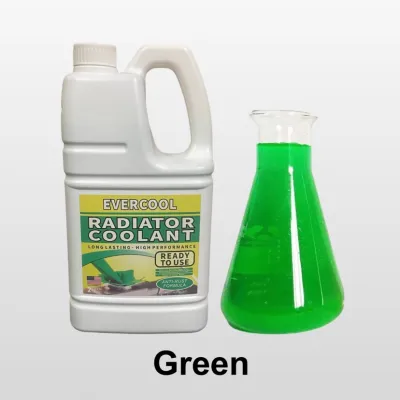
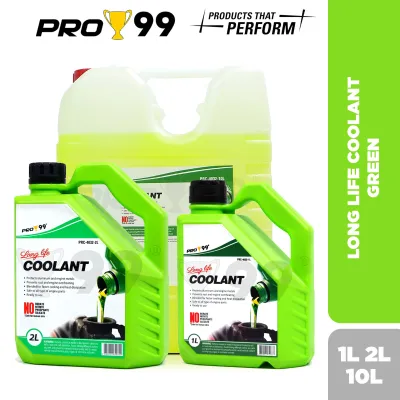
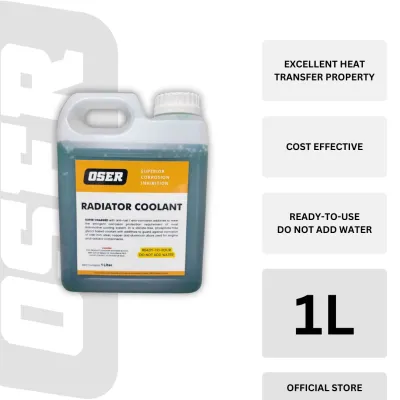
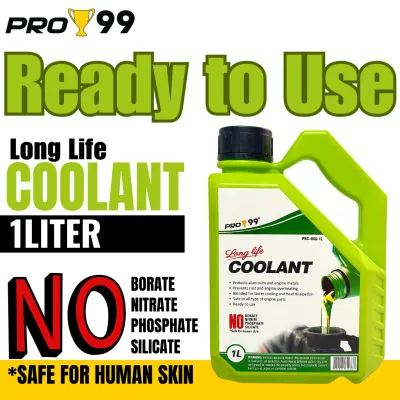
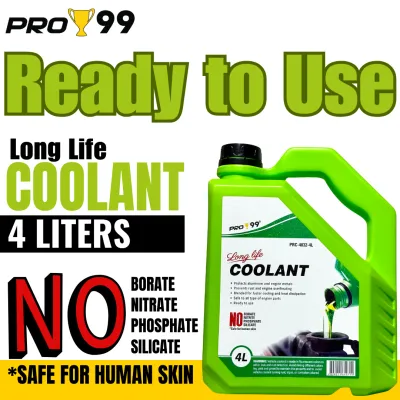
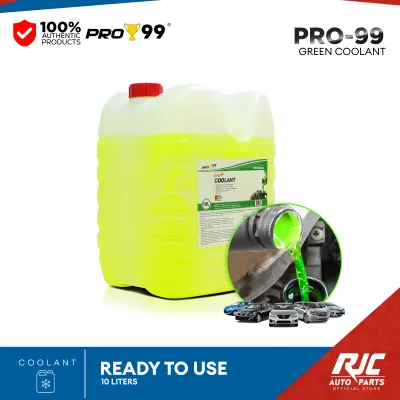
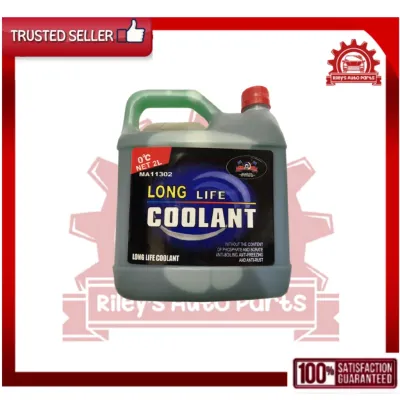
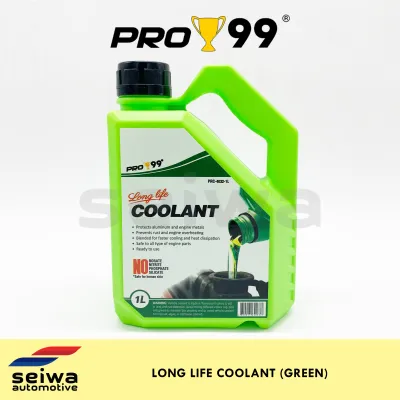
Prices are valid at publication and may change. Please refer to the product page for the latest price.
The primary functions of any coolant are straightforward yet vital. It must transfer heat away from the engine block to the radiator, where the heat can be dissipated into the passing air. In colder climates, it prevents the fluid from freezing, which is why it is often called antifreeze. In the tropical conditions of the Philippines, however, its most critical jobs are raising the boiling point of the water in the system and preventing internal corrosion, rust, and scale buildup.
The protective layer formed by IAT inhibitors is highly effective at shielding metals like cast iron, steel, copper, and brass from the corrosive effects of water. However, these mineral inhibitors are sacrificial. They deplete relatively quickly as they react with the metal surfaces and the surrounding fluid, which is why traditional green IAT coolants generally have a shorter service life compared to modern alternatives.
It is crucial to emphasize that color is merely a manufacturer’s dye and not a universal standard for chemical composition. Today, a green fluid is not guaranteed to be a traditional IAT formula. Some manufacturers produce Organic Acid Technology (OAT) or Hybrid Organic Acid Technology (HOAT) coolants dyed green, while others may dye IAT coolants blue or yellow. You must always verify the exact chemical formulation, specifications, and approvals printed on the product label rather than relying solely on the fluid’s color.
How the Philippine Tropical Climate Stresses Your Cooling System
Operating a vehicle in the Philippines presents unique environmental challenges that place immense stress on an automotive cooling system. The combination of consistently high ambient temperatures, often exceeding 30°C to 35°C, and high relative humidity creates a demanding environment for heat dissipation. When the air surrounding your vehicle is already warm and saturated with moisture, the rate of heat transfer from the radiator to the atmosphere is naturally reduced.

This environmental stress is compounded by the reality of heavy, stop-and-go traffic in major urban areas like Metro Manila, Cebu, and Davao. When a vehicle is idling or moving at a crawl, there is very little natural airflow passing through the grille to cool the radiator. Under these conditions, the cooling system relies entirely on the radiator fan to pull air through the fins and on the thermal capacity of the coolant to absorb and transport engine heat.
These prolonged periods of low-speed driving and high heat place a premium on a coolant’s boiling point, heat transfer efficiency, and thermal stability. If a coolant cannot efficiently absorb heat or if its boiling point is too low, the fluid can begin to vaporize within the engine block. This vaporization creates localized air pockets, which act as barriers to heat transfer, leading to rapid temperature spikes, engine knock, or severe structural damage to the cylinder head and engine block.
Evaluating Green Coolant for Tropical Heat Protection
When evaluating traditional green IAT coolant for tropical heat protection, the fluid can be highly effective, provided it aligns with your vehicle’s design. Older vehicles, particularly those manufactured before the late 1990s with copper and brass radiators or cast-iron engine blocks, were engineered specifically to run on the rapid-acting corrosion protection of IAT formulations. For these vehicles, traditional green coolant remains an excellent choice for managing engine temperatures in a tropical climate.
However, suitability is never determined by color alone. It is defined by the vehicle manufacturer’s specifications, the coolant’s labeled boiling point, and the specific additive package. A standard 50/50 mixture of glycol-based coolant and distilled water significantly raises the boiling point of the fluid compared to plain water, especially when pressurized by a properly functioning radiator cap. This elevated boiling point is what prevents the fluid from boiling over during prolonged idling in tropical heat.
The risk of boil-over in tropical conditions increases dramatically if the cooling system is compromised. A faulty radiator cap that fails to maintain system pressure, low fluid levels, a clogged radiator core, or a worn water pump can all cause the coolant to reach its boiling point prematurely. Furthermore, using an incorrect coolant specification or an improper dilution ratio can compromise the fluid’s thermal properties, leaving the engine vulnerable to overheating.
To ensure adequate heat protection and compatibility, you must cross-reference the coolant’s stated specifications on the bottle with your vehicle’s owner’s manual. Modern vehicles with aluminum cylinder heads, aluminum blocks, and nylon-tank radiators often require different chemical inhibitors to prevent galvanic corrosion. Using a traditional IAT green coolant in a system designed for modern extended-life formulations can lead to rapid inhibitor depletion and subsequent damage.
Adjusting Maintenance and Inspection for High-Heat Driving
Because the Philippine climate and driving conditions are exceptionally demanding, maintaining your cooling system requires a proactive approach. Sustained high operating temperatures and severe driving conditions, such as daily commuting in congested city traffic, accelerate the chemical degradation of coolant. In traditional green IAT coolants, this high-heat environment causes the silicate and phosphate corrosion inhibitors to deplete much faster than they would under mild driving conditions.
To prevent cooling system failure, establish a regular framework for visual inspections. When the vehicle is cold, check the translucent overflow reservoir to ensure the fluid level rests between the minimum and maximum markers. Observe the clarity and color of the fluid through the reservoir walls. The coolant should appear bright and translucent; any signs of cloudiness, a rusty or muddy brown color, or visible floating debris indicate that the fluid has degraded or that internal corrosion is actively occurring.
Always follow the specific replacement intervals outlined in your vehicle’s owner’s manual. Vehicle manufacturers typically define “severe driving conditions” in detail, often listing frequent short trips, prolonged idling, driving in dusty environments, and operating in sustained high ambient temperatures as key factors. If your daily driving matches these criteria, the manufacturer may recommend more frequent coolant changes and system flushes to ensure the corrosion inhibitors remain active and effective.
Green (IAT) vs. Extended-Life Coolants: Which Does Your Vehicle Need?
To make an informed decision for your vehicle, it is helpful to contrast traditional green IAT coolants with modern alternatives. Extended-life coolants, which are typically formulated using Organic Acid Technology (OAT) or Hybrid Organic Acid Technology (HOAT), are designed to offer much longer service intervals. These modern formulations often come dyed in distinct colors such as orange, pink, blue, or yellow, depending on the manufacturer and the target vehicle market.
Many modern vehicles require these extended-life coolants to protect their specific metallurgy. Aluminum-heavy engines and radiators are highly susceptible to localized corrosion if the protective oxide layer on the metal is disrupted. OAT and HOAT coolants use organic acids that bond chemically with aluminum surfaces, providing long-term protection without the rapid depletion associated with traditional silicates and phosphates.
A critical rule of automotive maintenance is to never mix different coolant technologies. Mixing a traditional green IAT coolant with an OAT or HOAT formulation can trigger a severe chemical reaction. The different additive packages can destabilize each other, causing the inhibitors to drop out of suspension and form a thick, gelatinous sludge. This gel can quickly plug the narrow passages of your radiator and heater core, restrict coolant flow, and cause catastrophic engine overheating that is highly expensive to repair.
Essential Safety Rules for Coolant Inspection and Handling
Performing basic cooling system maintenance requires strict adherence to safety protocols to prevent severe personal injury. The most critical rule is to never open a radiator cap or a pressurized coolant reservoir cap when the engine is hot or has recently been running. Under operating conditions, the cooling system is highly pressurized, and the fluid inside is boiling hot. Opening the cap releases this pressure instantly, spraying scalding liquid and steam that can cause severe, life-altering burns.
To check your coolant level safely, always use the translucent overflow reservoir while the engine is completely cold. This reservoir allows you to verify the fluid volume without opening the pressurized main system. If you must add coolant to top off the system, ensure the engine is cool, and follow the manufacturer’s instructions regarding the correct pre-diluted mixture or concentrate-to-distilled-water ratio.
If your vehicle shows persistent signs of overheating, or if you suspect the cooling system requires a complete flush and bleed, it is highly recommended to consult a qualified mechanic. Flushing a modern cooling system often requires specialized equipment to purge trapped air pockets, which can otherwise cause localized overheating. Professional service guidelines and qualified technicians ensure the job is completed safely and in accordance with environmental disposal regulations for used coolant.
Frequently Asked Questions (FAQ)
Can I mix green coolant with other coolant colors?
No, you should never mix green coolant with other coolant colors unless you have verified that the chemical formulations are identical and compatible. Mixing different coolant chemistries, such as traditional green IAT with orange OAT, can cause a chemical reaction that creates a thick gel. This gel clogs the radiator and cooling passages, leading to severe engine overheating. If you need to switch coolant types, always perform a complete system flush first.
Does the color of the coolant guarantee its boiling point?
No, the color of the coolant is simply a dye added by the manufacturer for brand identification and leak detection. It does not guarantee or indicate the fluid’s boiling point or thermal performance. The actual boiling point and heat protection capabilities are determined by the chemical formulation, the concentration of glycol, and the operating pressure of your vehicle’s cooling system, all of which must be verified by reading the product label.

Community discussion
Share your experience or ask a question. Comments are reviewed before publication.