
Navigating the bustling streets of the Philippines on a motorcycle requires sharp focus and the right protective gear. With unpredictable tropical weather, heavy downpours, and congested city traffic, your helmet is your most critical line of defense. If you are looking for an affordable daily riding option, you have likely encountered HNJ helmets. However, before you make a purchase, you must address two vital questions: Are HNJ helmets legally compliant with Land Transportation Office (LTO) regulations, and do they offer sufficient protection for your daily commute?
The direct answer is that HNJ helmets can be LTO-legal and safe, but this status is highly conditional. Legality and safety are not blanket attributes applied to an entire brand; instead, they depend on whether the specific helmet model and production batch have undergone rigorous testing and received official certification. To ride confidently and legally, you must know how to verify these safety marks yourself. This guide will walk you through the legal framework of motorcycle helmets, explain how to identify genuine safety certifications, and help you evaluate the physical safety features of your gear.
Understanding LTO Helmet Laws and HNJ Compliance
To understand why helmet certification is so strictly enforced, you must look at the legal baseline established by Philippine law. Republic Act 10054, widely known as the Motorcycle Helmet Act of 2009, mandates that all motorcycle riders—both drivers and pillion passengers—must wear standard protective motorcycle helmets at all times while operating a vehicle on any road or highway.
Products mentioned in this guide
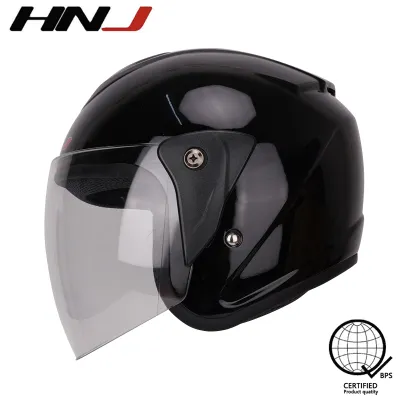
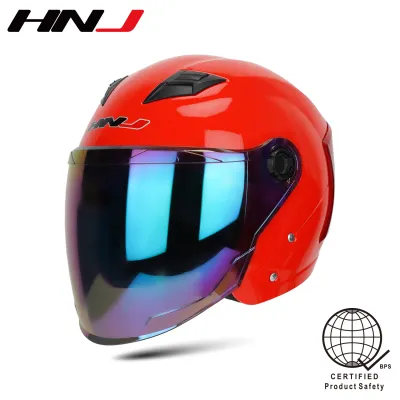
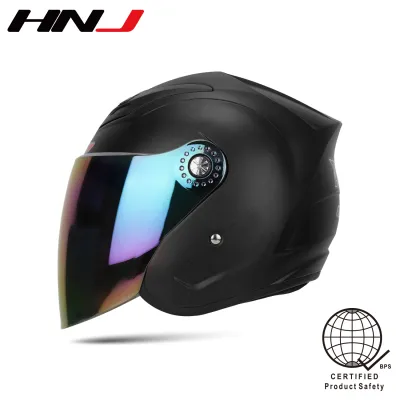
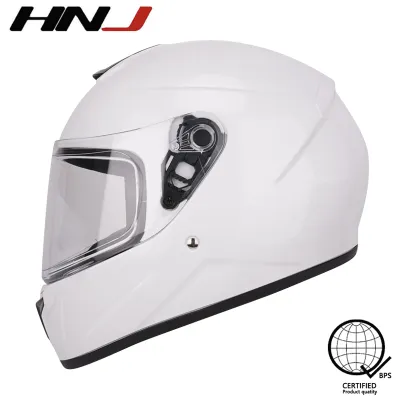
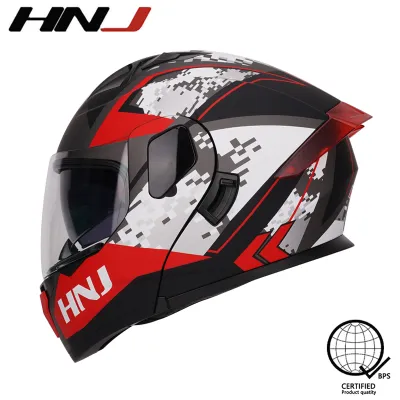
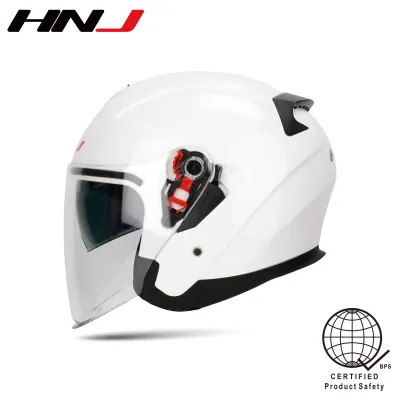
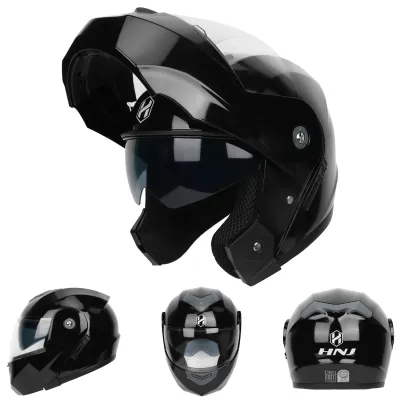
Prices are valid at publication and may change. Please refer to the product page for the latest price.
Under this mandate, the LTO only recognizes helmets that have been certified by the Bureau of Philippine Standards (BPS), an agency under the Department of Trade and Industry (DTI). For locally manufactured helmets, this certification is represented by the Philippine Standard (PS) mark. For imported helmets, which include the vast majority of HNJ products, the certification is indicated by the Import Commodity Clearance (ICC) sticker. Without a valid, genuine ICC sticker affixed to the back of your helmet, LTO officers can legally apprehend you for non-compliance, regardless of how sturdy the helmet looks.
A common misconception among riders is that buying a specific brand guarantees legal compliance. In reality, certification is model-specific and batch-specific. When an importer brings a shipment of HNJ helmets into the country, samples from that specific batch must undergo destructive testing to verify their impact absorption, penetration resistance, and retention system strength. Only after passing these tests does the DTI issue a specific set of ICC stickers for that exact shipment. If a manufacturer changes materials or if a batch bypasses official customs and testing channels, those specific helmets will not have valid certification.
Riding with a non-compliant or uncertified helmet carries immediate and severe consequences. Beyond the risk of receiving heavy fines from traffic enforcers, you are compromising your personal safety. Uncertified helmets often use substandard materials that can shatter upon impact, failing to protect your skull when you need it most.
How to Spot Authentic ICC and PS Safety Marks
Because counterfeit safety stickers are unfortunately common in the market, relying solely on the presence of a blue or green sticker on the back of a helmet is not enough. You must perform a thorough physical inspection to verify that the safety marks are authentic. Genuine ICC stickers issued by the DTI possess distinct visual characteristics that are difficult for counterfeiters to replicate.

First, examine the visual details of the ICC sticker. A genuine sticker features a high-quality holographic background that shifts colors and reflects light dynamically when tilted. It contains the official DTI and BPS logos, along with a unique serial number printed in clean, crisp, and perfectly aligned characters. The sticker itself is made of a specialized tamper-evident material. If someone attempts to peel a genuine ICC sticker off a helmet, it will typically tear, self-destruct, or leave a distinct pattern behind, making it impossible to transfer to another non-compliant helmet. If the sticker on your helmet is made of cheap, glossy paper, has blurry printing, or peels off easily in one clean piece, it is highly likely a fake.
Second, look beyond the external sticker and inspect the interior of the helmet. A truly certified helmet will have permanent manufacturer labels sewn directly into the chin strap or printed on the inner shell beneath the comfort padding. This label must display essential information, including the manufacturer’s name, the specific model designation, the helmet size, and the exact date of manufacture. These details must align perfectly with the product documentation.
Third, watch out for common red flags during your inspection. Counterfeiters often use generic serial numbers across thousands of fake stickers. If you are shopping in a physical store and notice that multiple helmets of different sizes or colors share the exact same ICC serial number, this is a clear sign of fraud. Additionally, look for spelling errors on the labels or mismatched batch numbers between the external sticker and the internal manufacturing tag. You can also cross-reference the helmet’s model number with the official list of certified helmet brands and approved model numbers published periodically by the DTI.
Assessing Real-World Safety Features for Daily Commutes
While passing legal standards is a crucial first step, you must also evaluate how a helmet performs under the demanding conditions of daily commuting. The tropical climate of the Philippines introduces unique challenges, such as intense heat, high humidity, sudden downpours, and heavy exhaust fumes in slow-moving traffic. Your helmet must keep you safe while remaining comfortable enough for daily wear.
When choosing an HNJ helmet, you must first decide between a full-face and an open-face model. Full-face helmets provide the highest level of physical protection because they cover your entire head, including your chin, jaw, and face. Statistically, the chin area receives a significant portion of impacts during motorcycle accidents. A full-face helmet also shields your eyes and face from flying debris, insects, and heavy rain. On the other hand, open-face helmets offer superior ventilation, which can be highly appealing during hot, humid afternoon rides in congested city streets. However, they leave your lower face completely exposed to impact and road grime. For daily highway commuting, a full-face model is highly recommended for maximum safety.
Next, inspect the physical construction of the helmet. The outer shell is your first line of defense; it should be constructed from impact-resistant materials such as ABS plastic or polycarbonate. Check the manufacturer’s specification sheet or product tags to verify the material used. Beneath the outer shell lies the Expanded Polystyrene (EPS) foam liner, which is responsible for absorbing and dispersing the energy of an impact. You can inspect the EPS liner by removing the comfort padding. It should feel incredibly firm and dense. If the foam feels soft, spongy, or shows signs of cracking or crumbling, the helmet’s structural integrity is compromised, and it should not be used.
The retention system, or chin strap, is what keeps the helmet secured to your head during a crash. Inspect the buckle mechanism carefully. Many daily-use helmets feature micro-metric quick-release buckles, which are highly convenient for quick adjustments. However, you must ensure the buckle is made of durable metal or high-grade composite plastic and locks securely with a distinct clicking sound. Double D-ring retention systems, while slightly more tedious to fasten, are widely considered the most secure because they do not rely on moving mechanical parts that can fail. Additionally, check the stitching where the strap is anchored to the helmet shell; the threads should be thick, tight, and free of fraying.
Finally, never underestimate the importance of proper fitment. A certified, high-quality helmet will fail to protect you if it does not fit your head correctly. To find the right size, measure your head circumference just above your eyebrows and compare it to the manufacturer’s sizing chart. When you put the helmet on, it should fit snugly around your entire head. Your cheeks should be pressed firmly against the cheek pads, and there should be no gaps around your forehead or temples. Perform the “roll-off” test: fasten the chin strap securely, grab the back of the helmet, and try to pull it forward off your head. If the helmet slides off or shifts significantly, it is too large and will not provide adequate protection in an accident.
Choosing Reliable Retailers and Avoiding Counterfeits
To ensure you are purchasing a genuine, LTO-compliant HNJ helmet, you must be highly selective about where you shop. The market is flooded with cheap imitations that mimic the appearance of popular brands but offer zero actual protection.
Whenever possible, prioritize purchasing your helmet from authorized physical motorcycle gear shops. Shopping in person allows you to physically handle the helmet, inspect the holographic ICC sticker, check the internal labels, and try it on to ensure a perfect fit. If you prefer the convenience of online shopping, stick to official brand stores or authorized distributors on established ecommerce platforms. Avoid buying from unverified third-party sellers, especially those operating on social media marketplaces or informal classified sites where counterfeit goods are prevalent.
Be highly suspicious of deals that seem too good to be true. Genuine, certified helmets require quality materials and rigorous testing, which carry inherent manufacturing costs. If a seller is offering an HNJ helmet at a fraction of its standard retail price, it is highly likely a counterfeit or a rejected, non-compliant unit. Other warning signs of fake products include the lack of original packaging (such as the manufacturer’s box and protective fabric bag), the absence of an official user manual, or missing warranty documentation.
When making your purchase, always request an official receipt or a detailed sales invoice. Ensure that the receipt explicitly states the helmet’s brand, model, and serial number. Keeping this documentation is highly beneficial; it serves as concrete proof of purchase and can assist you in verifying the helmet’s legitimacy if you ever need to address compliance questions with the LTO or local traffic authorities.
Frequently Asked Questions (FAQ)
What Are the LTO Penalties for Wearing a Non-Compliant Helmet?
Under Republic Act 10054, the penalties for failing to wear a compliant motorcycle helmet are progressive and financially severe. If you are caught riding without a helmet, or if you are wearing a helmet that lacks the required, genuine ICC or PS safety mark, you will face the following LTO fines:
- First Offense: A fine of ₱1,500.
- Second Offense: A fine of ₱3,000.
- Third Offense: A fine of ₱5,000.
- Fourth and Subsequent Offenses: A fine of ₱10,000, along with the immediate confiscation of your driver's license.
These penalties apply equally to the motorcycle driver and any back-rider. Given that the cost of a first-offense fine often exceeds the price of a genuine, certified entry-level helmet, investing in legally compliant gear is the only logical and financially sound choice.
Is It Safe to Use a Second-Hand HNJ Helmet With an ICC Sticker?
No, purchasing or using a second-hand helmet is highly discouraged, even if it features a genuine, authentic ICC sticker. Helmets are designed to protect your head by sacrificing themselves during an impact. The internal EPS foam liner compresses to absorb shock, and once this compression occurs, that specific area of the foam loses its ability to protect you in a subsequent impact.
Furthermore, the materials inside a helmet degrade naturally over time. Exposure to high tropical heat, humidity, sweat, hair oils, and UV rays gradually weakens both the outer shell and the inner foam liner. A second-hand helmet may have been dropped or involved in a minor collision that left no visible marks on the outer shell, yet completely compromised the internal protective structure. To guarantee your safety on the road, always purchase a brand-new helmet with a verified, untampered safety certification.

Community discussion
Share your experience or ask a question. Comments are reviewed before publication.