
Finding the correct oil filter for your Honda ADV 350 is essential for preserving the health of its 330cc eSP+ engine. This adventure-styled scooter relies on a spin-on oil filter cartridge to capture microscopic contaminants and maintain stable oil pressure. The original equipment manufacturer (OEM) filter remains the standard for guaranteed fitment, but premium aftermarket options from brands like Hiflofiltro and K&N offer robust filtration efficiency and durability. Understanding the exact specifications and selecting a reputable brand ensures your scooter remains reliable, whether you are navigating congested city streets or tackling long weekend tours across provincial roads.
Your engine’s longevity depends directly on the quality of its lubrication system, and the oil filter serves as the primary line of defense against premature wear. For a high-performance maxi-scooter like the Honda ADV 350, maintaining clean oil is particularly critical due to the tight tolerances of its modern engine components. A sub-standard or mismatched filter can lead to restricted oil flow, a sudden drop in oil pressure, or even catastrophic engine failure.
When shopping for an oil filter in the Philippines, you will encounter various choices ranging from factory-original parts to high-performance aftermarket options. Making an informed decision requires looking beyond the price tag and examining physical dimensions, bypass valve specifications, and filtration media quality. By selecting the right filter and replacing it at the recommended intervals, you protect your investment and ensure optimal performance across thousands of kilometers of riding.
Products mentioned in this guide
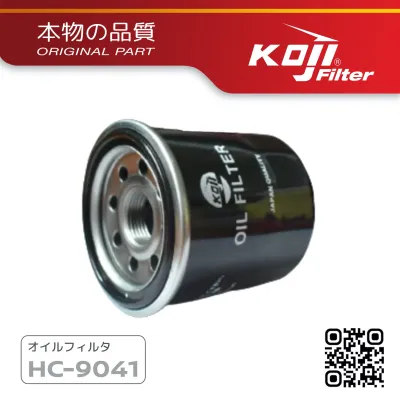
Prices are valid at publication and may change. Please refer to the product page for the latest price.
How to Verify the Correct Oil Filter Specifications for Your Scooter
To keep your Honda ADV 350 running smoothly, you must first ensure that any replacement oil filter matches the exact engineering specifications of your scooter. While many online marketplaces list filters as “universal” or “compatible with all Honda scooters,” relying on generic listings is a common mistake that can lead to oil leaks or severe engine damage. The most reliable starting point is always to consult your official owner’s manual or visit an authorized Honda dealership to confirm the exact original equipment manufacturer (OEM) part number for your specific model year.
Before purchasing any replacement part, always verify your specific vehicle model year, interface dimensions, mounting position, and safety impact using the official vehicle documentation. Never infer compatibility solely from generic category terms or online listings. For any engine component installation, always consult your original vehicle manufacturer instructions, and if you are unsure of your mechanical skills, seek qualified professional installation before operating the vehicle.
The Honda ADV 350 utilizes a spin-on oil filter, which features a self-contained metal canister housing the filtration media, a bypass valve, and a sealing gasket. This is distinct from cartridge-type filters, which consist of an exposed paper element that fits inside a permanent housing on the engine block. Spin-on filters are generally easier and cleaner to replace, but they require precise physical and mechanical compatibility because the entire unit is threaded directly onto the engine’s oil filter boss.
When evaluating aftermarket alternatives, you must verify three critical physical dimensions to ensure a secure and safe fitment:
- Thread Pitch: The internal threads of the filter must match the engine’s mounting stud perfectly (typically an M20 x 1.5 thread). A mismatched thread can lead to cross-threading, stripping the delicate aluminum engine block threads, or a loose fit that will blow off under high oil pressure.
- Gasket Diameter: The rubber O-ring on the base of the filter must align precisely with the mating surface on the engine casing. If the gasket is too wide or too narrow, oil will bypass the seal, resulting in a rapid and dangerous loss of engine oil.
- Overall Filter Length: The physical clearance around the mounting area is limited. A filter that is too long or bulky may interfere with nearby components, such as the exhaust header pipe or the lower body fairings, making it susceptible to road debris damage or heat-induced failure.
Beyond physical dimensions, the most critical internal specification is the bypass valve pressure rating. The bypass valve is a spring-loaded mechanism inside the filter designed to open when the pressure differential across the filter media becomes too high. This occurs during cold starts when the engine oil is thick and viscous, or if the filter media becomes completely clogged with debris. If the bypass valve pressure rating is too high, the engine may suffer from oil starvation during cold starts; if it is too low, the valve will open too easily, allowing unfiltered oil to circulate continuously through your engine. Always cross-reference the manufacturer’s technical datasheets to ensure the aftermarket filter’s bypass valve setting matches the OEM specification.
Top Reliable Oil Filter Brands for the Honda ADV 350
Honda Genuine Parts (OEM)
For most riders, choosing Honda Genuine Parts (OEM) is the safest and most straightforward path to maintaining their scooter. These filters are engineered by Honda specifically for the eSP+ engine platform, ensuring that every internal component—from the filtration media density to the spring tension of the bypass valve—is tuned to the exact operating parameters of the ADV 350. Using an OEM filter eliminates any guesswork regarding physical clearance, thread pitch, or structural integrity under high operating temperatures.

In the Philippines, opting for genuine Honda parts provides significant practical advantages, particularly regarding warranty compliance. If your scooter is still within its factory warranty period, using non-OEM filters can sometimes complicate warranty claims should an engine-related issue arise. Genuine filters are widely available at authorized Honda 3S shops and flagship dealerships nationwide, ensuring that you can easily source a replacement during scheduled maintenance. While they may carry a slight price premium compared to entry-level aftermarket filters, the peace of mind and guaranteed fitment make them an excellent investment for daily commuters and touring enthusiasts alike.
Hiflofiltro
If you are looking for a high-quality aftermarket alternative that balances performance and value, Hiflofiltro is widely considered the industry benchmark. Hiflofiltro is the world’s first TÜV-approved motorcycle oil filter brand, meaning their products undergo rigorous independent testing to ensure they meet or exceed original equipment specifications. They utilize premium materials, including filtering media sourced from top-tier international manufacturers, to deliver exceptional filtration efficiency without restricting oil flow.
For the Honda ADV 350, Hiflofiltro offers a dedicated model that matches the physical dimensions and bypass valve settings of the OEM filter. This makes it an ideal choice for routine maintenance, allowing you to maintain factory-level engine protection at a more economical price point. The brand’s widespread availability in local motorcycle parts shops across the Philippines makes it a highly convenient option for riders who prefer to perform their own oil changes or visit independent service centers.
K&N High-Performance Filters
For riders who demand a high level of durability and flow capacity, K&N offers premium high-performance oil filters designed to withstand demanding operating conditions. K&N filters feature a heavy-duty canister construction that is thicker than standard filters, providing superior resistance against punctures from flying road debris—a valuable feature when riding the ADV 350 on unpaved roads or loose gravel. Additionally, many K&N spin-on filters feature a welded hex nut on the top of the canister, which simplifies removal during oil changes by allowing you to use a standard wrench.
The primary engineering benefit of a K&N filter is its high-flow synthetic media, which is designed to maintain excellent oil flow rates even under extreme thermal stress. In the hot and humid tropical climate of the Philippines, where stop-and-go traffic in cities like Manila can cause engine temperatures to rise rapidly, maintaining unrestricted oil flow is vital for cooling and lubricating critical engine components. While K&N filters carry a premium price tag, their robust build quality and high-flow characteristics make them a favorite among riders who frequently push their scooters to the limit on long-distance tours.
Reputable Automotive Crossovers (e.g., Bosch, Mahle)
In some motorcycle communities, riders discuss using high-quality automotive filters from reputable brands like Bosch or Mahle as crossovers for their scooters. These automotive manufacturers produce filters with exceptional build quality, advanced synthetic-blend media, and highly reliable sealing gaskets. Because some car models share the same thread pitch (such as M20 x 1.5) and gasket dimensions as motorcycle filters, it is physically possible to thread an automotive filter onto the ADV 350 engine mount.
However, using an automotive crossover filter carries significant mechanical risks that require strict verification before installation. Motorcycle engines, including the 330cc single-cylinder unit in the ADV 350, operate at much higher RPMs and experience different oil pressure dynamics than typical passenger car engines. A car filter may have a bypass valve pressure setting that is either too high or too low for a scooter, potentially leading to oil starvation or constant bypassing of unfiltered oil. Furthermore, you must verify the presence and rating of an anti-drain back valve to prevent dry starts. Unless a major automotive brand explicitly lists the Honda ADV 350 or the corresponding OEM part number in their official motorcycle application catalog, it is highly recommended to stick to dedicated motorcycle filters to avoid risking your engine’s health.
OEM vs. Aftermarket: Which Filter Should You Buy?
Choosing between an OEM filter and an aftermarket alternative ultimately depends on your budget, warranty status, and specific riding conditions. While OEM filters offer guaranteed compatibility and hassle-free warranty compliance, premium aftermarket filters often introduce advanced filtration technologies, such as fully synthetic media or heavy-duty canister designs, that can enhance engine protection under demanding circumstances.
The riding environment in the Philippines plays a massive role in determining your scooter’s maintenance needs. The combination of intense tropical heat, high humidity, seasonal monsoons, and heavy airborne dust—especially in urban areas or near construction zones—accelerates the degradation of engine oil. Dust and moisture can bypass the air intake and enter the crankcase, where they mix with the oil to form abrasive sludge. Under these harsh conditions, a high-quality oil filter with excellent filtration efficiency and robust dirt-holding capacity is essential to prevent these contaminants from scoring cylinder walls and damaging bearings.
When comparing options, pay close attention to the anti-drain back valve. This rubber or silicone flap inside the filter prevents oil from draining out of the filter and back into the oil pan when the engine is turned off. A high-quality silicone anti-drain back valve remains flexible in extreme heat, ensuring that oil remains in the upper engine passages for immediate lubrication upon the next startup. Budget aftermarket filters often use cheap rubber valves that can harden over time, leading to dry starts that accelerate engine wear.
To help you make the best decision for your Honda ADV 350, the table below summarizes the key differences between OEM, premium aftermarket, and budget aftermarket oil filters in the Philippine market context.
| Filter Category | Price Range (PHP) | Filtration Quality | Bypass Valve Tuning | Best Use Case |
|---|---|---|---|---|
| Honda Genuine (OEM) | ₱450 – ₱700 | Excellent (Standard paper media) | Perfect (Factory calibrated) | Daily commuting, riders prioritizing warranty compliance and maximum peace of mind. |
| Premium Aftermarket (e.g., K&N, Hiflofiltro) | ₱500 – ₱950 | Outstanding (Synthetic or high-density media) | Highly accurate (TÜV certified or equivalent) | Long-distance touring, high-performance riding, and harsh tropical conditions. |
| Budget Aftermarket (Generic / Unbranded) | ₱150 – ₱300 | Variable (Low-density paper media) | Unverified (Risk of premature bypass or failure) | Emergency use only; not recommended for long-term engine protection. |
Note: Price ranges are approximate and based on typical retail prices in local motorcycle shops and online marketplaces in the Philippines at the time of writing. Always verify current pricing and seller credibility before purchasing.
Critical Safety Steps for Oil Filter Replacement
Performing an oil and filter change on your Honda ADV 350 is a rewarding DIY task, but it requires strict adherence to mechanical safety protocols. Because the oil filter is under constant high pressure when the engine is running, a minor oversight during installation can lead to a sudden, catastrophic oil leak that can ruin your engine within seconds or coat your rear tire in slippery oil, creating a severe safety hazard.
Before installing your new filter, always perform a thorough pre-installation check of the engine mounting surface. When you unscrew the old oil filter, verify that its rubber O-ring gasket came off with the canister. It is incredibly common for the old rubber gasket to stick to the aluminum engine block due to engine heat and pressure. If you fail to notice this and spin the new filter on over the old gasket—a mistake known as “double-gasketing”—the two gaskets will fail to seal properly under pressure. This will cause a massive and immediate oil blowout the moment you start the engine. Clean the mounting surface thoroughly with a lint-free cloth to remove any accumulated grit or old oil.
Next, proper lubrication of the new filter’s O-ring is a mandatory step that must never be skipped. Dip a clean finger into fresh engine oil and apply a thin, even coat of oil around the entire surface of the new rubber gasket. This lubrication serves two vital purposes: it prevents the dry rubber from binding, tearing, or twisting out of its groove as you tighten the filter, and it ensures a smooth, airtight seal against the engine block. Installing a dry gasket can cause it to bunch up or extrude, which will inevitably lead to slow leaks over time.
When it comes to securing the filter, avoid the temptation to hand-tighten blindly or use oil filter wrenches to overtighten the unit. The engine casing of the ADV 350 is made of cast aluminum, which features relatively delicate threads that can easily strip if subjected to excessive force. Conversely, an under-tightened filter can vibrate loose over time due to engine harmonics. The safest approach is to use a calibrated torque wrench to tighten the filter to the manufacturer’s exact torque specification, which is typically found in the service manual. If you do not have a torque wrench, follow the standard guideline of spinning the filter on by hand until the rubber gasket makes firm contact with the engine block, then turning it an additional three-quarters to one full turn using a proper filter socket.
After completing the installation and refilling the engine with the correct amount of fresh oil, you must perform a post-installation verification before taking the scooter out on the road. Sit on the scooter, place it on its center stand, and turn on the ignition. Start the engine and let it idle; do not rev the engine immediately. Watch the dashboard carefully to ensure that the oil pressure warning light extinguishes within a few seconds. While the engine idles, use a flashlight to visually inspect the base of the oil filter and the drain plug for any signs of weeping or dripping oil. Once the engine reaches operating temperature, turn it off, let the oil settle for a few minutes, check the oil level on the dipstick to ensure it is within the correct range, and top up if necessary.
Frequently Asked Questions (FAQ)
How often should I replace the oil filter on my Honda ADV 350?
For optimal engine health, it is highly recommended to replace the oil filter during every oil change. While some general maintenance schedules suggest changing the filter every second oil change, the demanding riding conditions in the Philippines make a one-to-one replacement strategy far safer. Urban commuting involves prolonged idling in heavy traffic, which subjects the engine oil to high thermal stress and accelerates oil breakdown. Additionally, the high humidity and dusty environment mean that airborne particulates are more likely to find their way into the engine. Replacing the filter with every oil change ensures that your fresh oil is not immediately contaminated by residual dirty oil and trapped debris left inside the old filter canister.
Can I use a standard car oil filter if the thread size matches?
No, you should avoid using standard automotive oil filters on your Honda ADV 350, even if the thread size and gasket diameter match perfectly. While automotive filters are often cheaper and easier to find, they are engineered for very different operating environments. Motorcycle engines run at significantly higher RPMs and operate at different oil pressures than car engines. Consequently, a car filter’s bypass valve may be calibrated to a pressure rating that is unsuitable for your scooter, leading to either premature bypassing (allowing unfiltered oil to circulate) or restricted flow during high-RPM operation. Furthermore, motorcycle-specific filters are designed to handle the unique shear forces and additives found in motorcycle oils, making them the only safe choice for your scooter.
What are the signs of a clogged or failing oil filter?
A clogged or failing oil filter will restrict the flow of clean oil to critical engine components, producing several distinct warning signs. The most immediate indicator is the illumination of the oil pressure warning light on your dashboard, which signifies that the engine is not receiving sufficient oil pressure. You may also notice the engine running hotter than usual, as oil plays a major role in cooling internal components. As lubrication diminishes, you might hear unusual mechanical noises, such as a metallic ticking or clicking from the valvetrain (cylinder head area). Finally, a severely restricted oil flow can cause increased internal friction, leading to sluggish throttle response, reduced power output, and a noticeable drop in overall performance. If you experience any of these symptoms, turn off the engine immediately and inspect your oil level and filter.

Community discussion
Share your experience or ask a question. Comments are reviewed before publication.