
Finding the right seat cover for your Honda Click in the Philippines involves balancing comfort, weather protection, and aesthetic appeal. With the country’s intense tropical heat and sudden monsoon downpours, a standard factory seat can quickly become uncomfortable or degrade over time. Choosing a replacement requires understanding your specific scooter model, your daily commute length, and how you park your vehicle. By selecting a cover that matches your riding habits, you can protect your investment and ensure a more stable, comfortable journey.
Key Factors to Evaluate Before Buying a Seat Cover
Daily riding conditions dictate the type of material you need. If your Honda Click is parked in open areas under direct sunlight, UV degradation is a major concern. High temperatures can cause standard vinyl to crack, while heavy rains can seep into damaged seams, soaking the underlying foam.
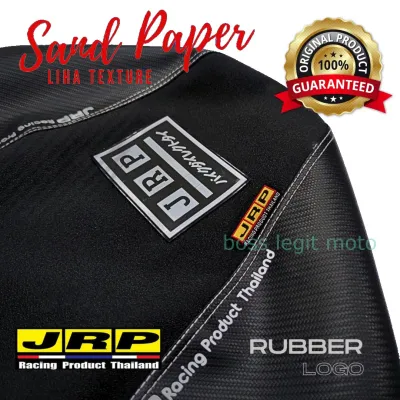
Grip and slip resistance directly affect your riding safety and control. During sudden braking or quick acceleration through city traffic, a slippery seat cover forces you to constantly adjust your posture. This physical strain can lead to fatigue during long commutes. A textured surface helps keep you securely positioned, especially when navigating wet roads.
Products mentioned in this guide
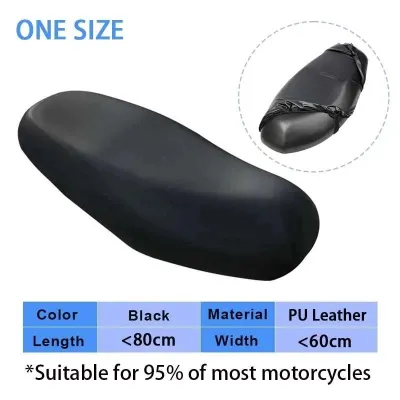
Prices are valid at publication and may change. Please refer to the product page for the latest price.
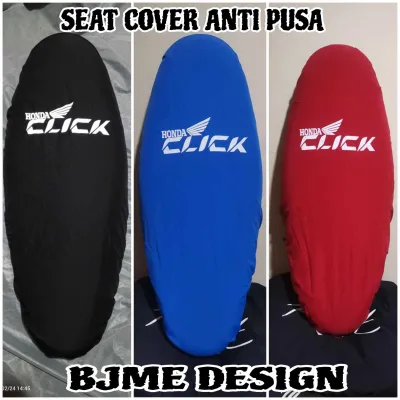
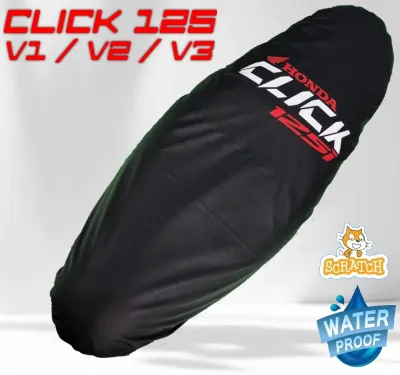
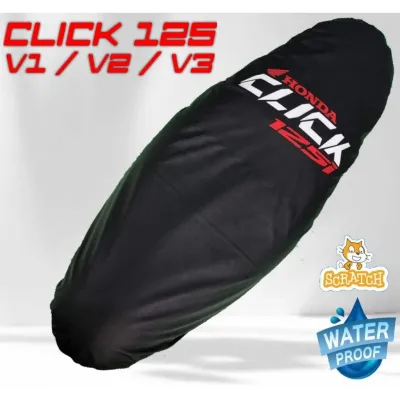
Compatibility with your specific Honda Click model year is critical. The seat dimensions and contours of a Honda Click 125i V1 differ from those of a V2 (Game Changer) or the newer Honda Click 160. A cover designed for one generation will not fit another properly, leading to loose fabric that can slip or block the under-seat storage latch.
Passenger comfort is another critical factor to consider, especially if you frequently ride with a pillion. A seat cover that is too slippery can cause your passenger to slide forward during braking, putting extra pressure on your arms and wrists. Choosing a cover with a dual-texture design—offering high grip for both the rider and passenger sections—ensures a more stable and less fatiguing ride for both individuals.
Budget considerations must be balanced against long-term durability. While basic elastic covers are highly affordable, they may lose their elasticity within a few months of exposure to tropical weather. Investing in a heavy-duty, model-specific cover with reinforced stitching often provides better value over time by preventing water damage to the seat foam.
Comparing Common Seat Cover Materials
Synthetic leather, typically made from polyurethane (PU) or polyvinyl chloride (PVC), offers a classic, sleek appearance that closely mimics original factory upholstery. This material is highly water-resistant, allowing you to easily wipe off rainwater or morning dew with a simple cloth. However, synthetic leather tends to absorb and retain heat rapidly when parked under direct sunlight, making the seat uncomfortably hot to sit on initially.

3D mesh and breathable fabrics are highly popular among Filipino riders due to their excellent ventilation properties. The open-weave structure creates an insulating air gap between your body and the seat, significantly reducing sweat and heat buildup during long daytime rides. Additionally, the textured mesh provides outstanding slip resistance. The primary trade-off is water management; during heavy downpours, water will pass through the mesh, requiring you to shake out the cover or wait for it to dry before riding.
Heavy-duty waterproof textiles, such as treated nylon or specialized canvas, offer a robust middle ground. These materials are engineered to withstand both intense UV exposure and heavy rain without cracking or soaking through. They often feature textured surface patterns to maintain grip while ensuring that water slides off easily. However, they can be stiffer than synthetic leather, making them slightly more challenging to stretch and install smoothly over the seat contours.
Hybrid seat covers have emerged as a highly practical option, combining the best features of different materials. These designs typically feature breathable 3D mesh on the top seating surface to keep the rider cool, while utilizing durable synthetic leather on the side panels to maintain a clean look and prevent water from seeping into the sides. This combination offers an excellent balance of ventilation, aesthetic appeal, and water resistance for daily commuters.
Verifying Fit and Choosing an Installation Method
Before purchasing any seat cover, you must accurately identify your scooter’s generation. The Honda Click series has evolved through several design phases, including the classic V1, the angular V2, and the wider, more robust Click 160. Each version features a distinct seat pan shape, hinge placement, and under-seat helmet compartment (U-box) latch alignment. A mismatch can prevent the seat from locking securely, compromising your storage security.
Slip-on elastic covers represent the simplest installation method, requiring no specialized tools. These covers feature an elasticized hem that wraps around the edge of the seat pan, making them easy to remove for cleaning or replacement. While convenient, they may shift slightly over time or during spirited riding, and they do not offer the tight, wrinkle-free finish of permanent options.
Strap-secured wraps offer a more secure DIY alternative by utilizing adjustable nylon straps and buckles underneath the seat. This design allows you to pull the fabric tighter across the seat contours, reducing wrinkles and shifting. However, you must route the straps carefully to ensure they do not pinch the rubber weather stripping or interfere with the seat locking mechanism.
When installing any cover, you must also pay close attention to the rubber weather stripping located on the underside of the seat. This seal prevents water and dust from entering the engine bay and the under-seat storage compartment. If your new seat cover is too thick or improperly aligned, it can pinch or displace this rubber seal, leading to water leaks during heavy rain or when washing your scooter.
Professional upholstery stapling provides the most secure, seamless, and durable finish. This method involves removing the original cover (or layering over it) and securing the new material directly to the plastic seat pan using heavy-duty staples. Because improper stapling can crack the plastic seat pan or puncture the foam, riders without experience or specialized tools should seek a professional upholsterer. A professional can ensure even tension across all curves, preventing future sagging.
Where to Shop and How to Verify Product Quality
When browsing online marketplaces or ecommerce platforms, look beyond the product titles and focus on verified buyer reviews. Pay close attention to reviews that include photos of the cover installed on the exact Honda Click model you own. This helps you verify the actual fit, color accuracy, and material texture before making a purchase.
Visiting local motorcycle accessory shops or specialized upholstery stores in your area allows for a hands-on inspection. Feeling the thickness of the material, testing its stretch, and checking the quality of the stitching in person eliminates the guesswork of online shopping. Many local shops also offer affordable installation services, ensuring a perfect fit on the spot.
Custom upholstery shops offer a highly tailored alternative to mass-produced covers. While pre-made covers are convenient, a local upholstery specialist can customize the foam density, add gel pads for long-distance comfort, and stitch a bespoke cover using premium materials of your choice. This option is particularly beneficial for riders who experience discomfort during long hours of daily commuting in heavy traffic.
Always check the product packaging or manufacturer labels for specific technical claims. Look for explicit mentions of UV-resistant coatings, waterproof ratings, or reinforced double-stitching. Avoid products that rely on vague descriptions or lack clear branding, as they may use low-grade materials that degrade rapidly under tropical weather conditions.
Routine Maintenance and Care
Maintaining your Honda Click seat cover requires regular, low-risk cleaning tailored to the material. For synthetic leather and waterproof textiles, a simple wipe-down with a damp microfiber cloth and mild dish soap is usually sufficient to remove road grime, dust, and sweat. For 3D mesh covers, a soft-bristled brush can be used to gently dislodge dirt from the weave, followed by a rinse with low-pressure water.
Avoid using harsh household chemicals, bleach, gasoline, or abrasive scrubbing pads on your seat cover. These substances can strip away protective UV coatings, dry out synthetic leather, and weaken the sewing threads, leading to premature cracking and split seams. Always allow the seat to air dry completely in a shaded area rather than exposing it to direct heat sources.
In many residential areas in the Philippines, stray animals or neighborhood pets can pose a threat to your scooter’s seat cover. Cats, in particular, often use motorcycle seats as scratching posts, which can quickly ruin synthetic leather or snag 3D mesh. Parking your scooter with a protective outdoor cover or using a temporary, heavy-duty canvas overlay when parked at home can safeguard your seat cover from claw damage.
Periodically inspect the mounting points of your seat cover to ensure long-term security. Check elastic bands for signs of dry rot, inspect straps and buckles for tension loss, and look for loose staples if you opted for a permanent installation. Addressing minor wear early prevents the cover from shifting, which can cause uneven wear on the underlying seat foam.
Frequently Asked Questions (FAQ)
Will a universal scooter seat cover fit my Honda Click?
Universal seat covers are generally not recommended for the Honda Click due to the scooter’s distinct, angular seat geometry. A universal cover is often too loose in some areas and too tight in others, leading to unsightly wrinkles, sliding during rides, and potential safety hazards. Furthermore, excess material can bunch up around the edges, interfering with the under-seat storage latch and preventing the seat from locking properly.
Can I install a stapled seat cover myself at home?
While a DIY stapled installation is possible, it requires a heavy-duty manual or pneumatic staple gun and a high degree of patience. Standard household paper staplers do not have the power to penetrate the tough plastic seat pan of the Honda Click. If you apply incorrect tension, you risk creating permanent wrinkles, tearing the new cover, or cracking the plastic seat pan. If you lack the proper tools or experience, consulting a professional motorcycle upholsterer is the safest way to achieve a clean, durable result.

Community discussion
Share your experience or ask a question. Comments are reviewed before publication.