
Selecting the correct coolant for your Honda PCX 160 is one of the most critical maintenance decisions you can make to preserve the performance and longevity of your scooter’s engine. Operating a liquid-cooled, high-performance machine in tropical environments like the Philippines presents unique thermal challenges. The combination of high ambient temperatures, intense humidity, and dense stop-and-go traffic places severe thermal stress on the compact 157cc enhanced Smart Power Plus (eSP+) engine. To prevent overheating, protect internal aluminum components from corrosion, and ensure the longevity of the water pump seals, you must use a high-quality, ethylene glycol-based, silicate-free organic acid technology (OAT) or hybrid organic acid technology (HOAT) coolant. Using the wrong fluid can lead to cooling system degradation, localized engine hotspots, and costly mechanical failures.
Understanding how your scooter’s cooling system operates helps clarify why fluid selection is so vital. The Honda PCX 160 relies on a pressurized closed-loop system where the coolant absorbs heat from the engine block and cylinder head, then dissipates it through the radiator. Because the engine is constructed primarily of lightweight aluminum alloys, it requires specialized chemical inhibitors to prevent galvanic corrosion and scale buildup. This guide will walk you through the precise steps to verify manufacturer specifications, decode complex coolant formulations, evaluate aftermarket alternatives, and perform safe system maintenance.
How to Verify Manufacturer Specifications
To ensure you are using the correct fluid, your first step should always be to consult the official Honda PCX 160 owner’s manual. The manufacturer outlines the precise chemical standards and fluid designations required to maintain the warranty and ensure optimal heat transfer. Honda typically specifies the use of “Honda HP Coolant” or an equivalent high-quality ethylene glycol-based coolant containing organic corrosion inhibitors. This specification is formulated specifically for aluminum engines and is designed to operate without the use of silicates, which can damage the water pump’s mechanical seals.
Products mentioned in this guide
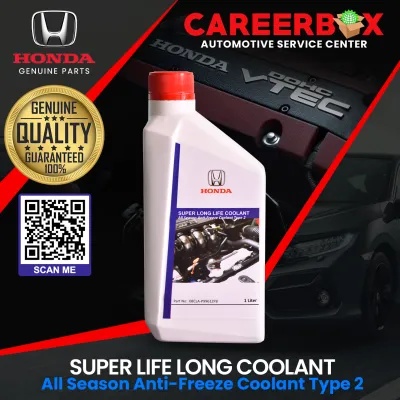
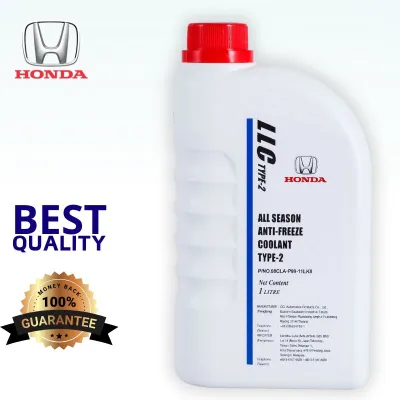
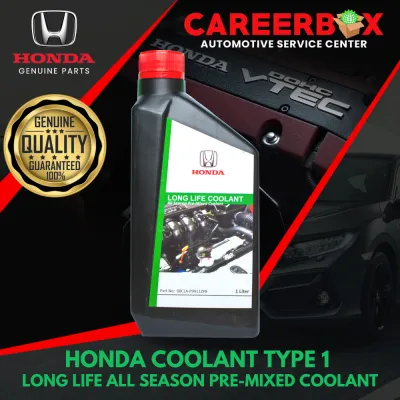
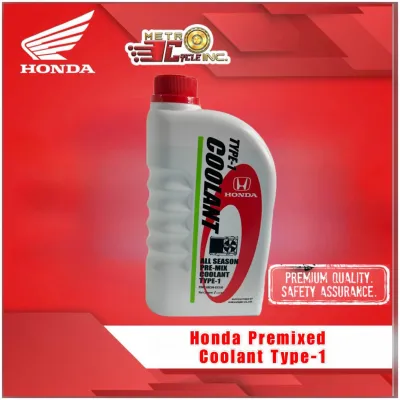
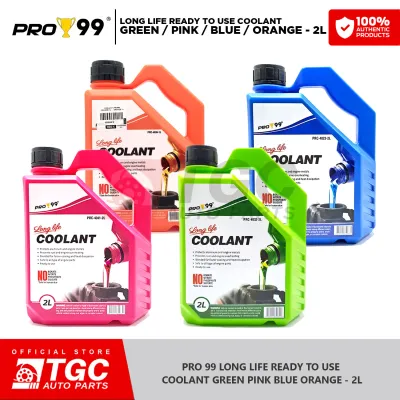
Prices are valid at publication and may change. Please refer to the product page for the latest price.
In addition to the owner’s manual, you can find valuable information directly on the vehicle. Inspect the coolant reserve tank, which is located behind the floorboard or under-seat maintenance panels depending on your specific model year. The reservoir cap and surrounding bodywork often feature warning labels and factory-fill indicators that specify the recommended fluid type. These labels serve as a quick reference point during routine maintenance, reminding you of the safety precautions and fluid standards required for the system.
It is crucial to understand why official manufacturer specifications must always override generic color-matching or universal marketing claims. Many aftermarket coolant brands market their products as “universal” or “suitable for all makes and models,” but these broad claims often fail to account for the specific material tolerances of small-capacity scooter engines. Relying solely on these generic labels can introduce incompatible chemicals into your cooling system, leading to premature component wear. Always prioritize the technical specifications listed in your owner’s manual over any generalized product packaging claims.
In tropical climates, the cooling system operates near its upper thermal limits more frequently than in temperate regions. This constant thermal cycling accelerates the breakdown of chemical inhibitors in the fluid. By verifying that your replacement fluid meets or exceeds the exact OEM standards, you ensure that the coolant retains its protective properties under continuous high-temperature operation. This verification step is the foundation of effective cooling system preventive maintenance.
Understanding Common Coolant Formulations
To make an informed decision when purchasing coolant, you must understand the differences between the three primary chemical formulations available on the market: Inorganic Additive Technology (IAT), Organic Acid Technology (OAT), and Hybrid Organic Acid Technology (HOAT). Traditional IAT coolants utilize inorganic salts such as silicates, phosphates, and borates to provide rapid corrosion protection. While highly effective for older cast-iron automotive engines, IAT formulations deplete their protective additives quickly and are highly abrasive to the delicate ceramic and rubber seals used in modern scooter water pumps.

Organic Acid Technology (OAT) coolants represent a significant technological advancement, utilizing organic acids to provide long-lasting corrosion protection without the use of abrasive silicates or phosphates. OAT formulations are highly stable, offer extended service lives, and are exceptionally compatible with the aluminum alloys used in the Honda PCX 160 engine. Hybrid Organic Acid Technology (HOAT) coolants combine organic acids with a small, carefully balanced amount of inorganic inhibitors to provide the rapid protection of IAT with the longevity of OAT. Many Japanese motorcycle manufacturers specify a specialized, silicate-free HOAT formulation that utilizes phosphates instead of silicates to protect aluminum components.
A common and dangerous misconception among riders is that coolant color indicates chemical compatibility. Coolant color is simply a dye added by manufacturers for safety, leak detection, and brand identification. For example, a blue coolant from one manufacturer may be a silicate-free OAT, while a blue coolant from another brand could be a traditional IAT or a silicate-heavy automotive formulation. Mixing coolants based solely on color can lead to severe chemical incompatibility, resulting in the formation of a thick, gelatinous sludge that can clog the radiator tubes and cause catastrophic engine overheating.
The risks of using incompatible additives on aluminum engine components and rubber seals cannot be overstated. If a coolant containing silicates or incorrect pH levels is introduced into the PCX 160 cooling system, the abrasive silicate particles will quickly erode the water pump’s mechanical seal, leading to coolant leaks into the engine oil or out of the pump’s weep hole. Furthermore, incompatible chemical formulations can cause the rubber coolant hoses to swell, soften, or crack, leading to sudden pressure loss and severe engine damage. Selecting a strictly silicate-free, aluminum-compatible formulation is essential to prevent these costly failures.
Selection Checklist for Replacement Coolants
When selecting a replacement coolant for your Honda PCX 160, use this step-by-step evaluation framework to compare your options and ensure a safe purchase. The first decision point is choosing between pre-mixed and concentrated formulas. Pre-mixed coolants, typically sold in a 50/50 ratio of coolant to demineralized water, are highly recommended for most riders. They eliminate the risk of mixing errors and ensure that the water used is completely free of minerals. If you choose to purchase concentrated coolant, you must mix it with pure distilled water; never use tap water, mineral water, or purified drinking water, as the dissolved minerals will quickly form scale deposits inside the radiator passages.
The second step in the checklist is to verify the chemical composition on the product label. Look for explicit statements confirming that the fluid is “silicate-free,” “amine-free,” and “borate-free.” The label should also state compatibility with aluminum engines and motorcycle wet-sleeve or closed-deck cooling systems. If a product label does not explicitly state these properties, or if it uses vague language like “safe for most aluminum radiators,” treat it with caution and look for a product with more precise specifications.
Sourcing your coolant from reliable, authorized channels is critical to avoiding counterfeit or substandard products. In the local market, counterfeit fluids packaged in convincing replica bottles are a persistent issue on unverified online marketplaces and informal roadside stalls. To protect your engine, purchase your coolant directly from authorized Honda motorcycle dealerships, established automotive supply chains, or official brand flagship stores on reputable ecommerce platforms. While these authorized sources may charge standard retail prices, the assurance of product authenticity far outweighs the risks of using a counterfeit fluid.
Finally, perform a cost-benefit analysis of OEM-branded fluids versus certified aftermarket alternatives. OEM Honda HP Coolant is specifically formulated for your scooter and guarantees compatibility, typically retailing for a reasonable price range of ₱250 to ₱500 per liter. Certified aftermarket alternatives from reputable brands like Motul, Repsol, or Liqui Moly may offer similar or slightly different price points. While some aftermarket options may claim extended service intervals, the peace of mind and guaranteed compatibility of the OEM fluid make it the benchmark choice for most PCX 160 owners, especially during the vehicle’s warranty period.
Safe Handling and System Maintenance Boundaries
Performing maintenance on your scooter’s cooling system requires strict adherence to safety protocols to prevent severe personal injury and equipment damage. The most critical safety rule is the mandatory cold-engine inspection. Never attempt to open the radiator cap or the coolant reserve tank cap when the engine is hot or has recently been running. The cooling system operates under high pressure, and opening the cap on a hot engine will cause boiling coolant and steam to spray out violently, resulting in severe, life-altering burns. Always allow the scooter to sit idle for at least two to three hours, and verify that the radiator and engine block are completely cool to the touch before opening any part of the system.
To maintain the integrity of the system, you must avoid cross-contamination at all costs. Never mix different brands, types, or colors of coolant in the reservoir. If you need to top up the system and are unsure of the fluid currently inside, it is always safer to perform a complete system flush rather than risking a chemical reaction between incompatible fluids. When performing a flush, drain the old fluid completely, flush the system multiple times with distilled water until the water runs completely clear, and then refill the system with your chosen pre-mixed, silicate-free coolant.
It is also important to recognize the boundaries of DIY maintenance and identify when professional intervention is required. While topping up the reserve tank is a simple task, certain symptoms indicate deeper system failures that cannot be resolved by simply adding more fluid. If you observe persistent coolant loss without visible external leaks, it may indicate an internal leak, such as a blown cylinder head gasket, which requires immediate professional diagnosis. Similarly, if you notice a sweet, syrupy smell while riding, or if the high-temperature warning indicator on your digital instrument panel illuminates, stop riding immediately and seek assistance from a qualified motorcycle technician.
Other clear stop-conditions include the presence of visible leaks, such as green, blue, or pink crusty deposits around the hose clamps, radiator seams, or the water pump weep hole. If you inspect the coolant reserve tank and find that the fluid has turned brown, cloudy, or contains floating black particles, this indicates severe contamination or system degradation. In these scenarios, a simple fluid change is insufficient; the system must be professionally inspected for component wear, thoroughly flushed, and repaired by a qualified mechanic to prevent catastrophic engine failure.
Frequently Asked Questions (FAQ)
Can I use standard automotive coolant in my scooter?
While some high-quality automotive coolants are silicate-free and technically compatible with aluminum engines, many standard car coolants contain silicates, phosphates, or borates to protect cast-iron engine blocks. These inorganic additives act as fine abrasives in the smaller, high-RPM water pumps used in scooters like the Honda PCX 160. Over time, these abrasive particles will erode the water pump’s mechanical seals, leading to premature seal failure and coolant leaks. To ensure the safety of your scooter’s cooling system, always use a coolant that is explicitly labeled for motorcycle or scooter use, or one that strictly meets the silicate-free Japanese OEM specifications.
Is it safe to top up with distilled water in an emergency?
Yes, in an emergency situation where your coolant level is dangerously low and you risk immediate engine overheating, topping up the reserve tank with clean distilled water is an acceptable temporary measure. Distilled water will allow you to ride to a safe location or a service center without damaging the engine from extreme heat. However, you must never use tap water, mineral water, or well water, as the dissolved minerals will quickly form scale deposits inside the radiator’s narrow passages, permanently reducing cooling efficiency. After topping up with distilled water, remember that the overall coolant mixture has been diluted, which lowers its boiling point and reduces corrosion protection; you should have the system drained, flushed, and refilled with the correct 50/50 pre-mixed coolant as soon as possible.
How do I know when the cooling system needs a full flush?
You can determine if your cooling system needs a full flush by checking for specific visual and performance indicators. Inspect the coolant inside the reserve tank; if the fluid appears cloudy, discolored, brown, or contains floating debris and sediment, the corrosion inhibitors have broken down, and a flush is required. You should also refer to the maintenance schedule in your Honda PCX 160 owner’s manual, which typically recommends a complete coolant replacement every two years or at a specific mileage interval, whichever comes first. Finally, physical symptoms such as a sweet, syrupy smell after riding, a cooling fan that runs continuously, or an engine that runs noticeably hotter than usual are clear signs that the cooling system requires immediate inspection, flushing, and fluid replacement.

Community discussion
Share your experience or ask a question. Comments are reviewed before publication.