
When replacing the brake rotor disc on your Honda Wave 125, the choice between genuine OEM (Original Equipment Manufacturer) parts and aftermarket alternatives directly impacts your motorcycle’s stopping power and overall safety. In the Philippines, where daily commutes often involve navigating dense traffic, sudden monsoon downpours, and waterlogged streets, your brakes are under constant stress. A reliable rotor disc must withstand rapid thermal cycles—heating up during heavy stop-and-go braking and cooling instantly when splashed by road water. Choosing the right replacement requires balancing guaranteed factory standards against the cost and variable quality of third-party options. Because the braking system is a critical safety component, this guide avoids unverified performance claims and instead focuses on verifiable specifications, fitment standards, and condition-based decision rules to help you choose the safest and most reliable rotor disc for your riding needs.
Understanding OEM vs Aftermarket Rotors for the Wave 125
To make an informed decision, you must first understand what sets these two categories apart. OEM rotors are components manufactured either directly by Honda or by their authorized parts suppliers to the exact engineering specifications of the Wave 125. This means the metallurgy, thickness, outer diameter, and bolt-hole spacing are identical to the part that came with your motorcycle from the showroom. These parts undergo rigorous factory testing to ensure they can handle the specific weight, speed, and braking dynamics of your underbone motorcycle.
On the other hand, aftermarket rotors are produced by third-party manufacturers independent of Honda. The aftermarket segment is incredibly diverse, ranging from premium, performance-oriented brands to low-cost, unbranded replacements. While some reputable aftermarket manufacturers design their rotors to meet or even exceed original specifications, others prioritize low production costs, which can result in compromised material quality.
Products mentioned in this guide
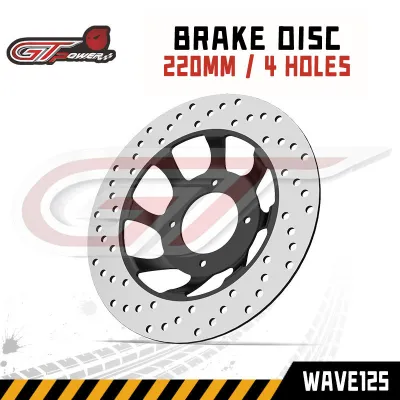
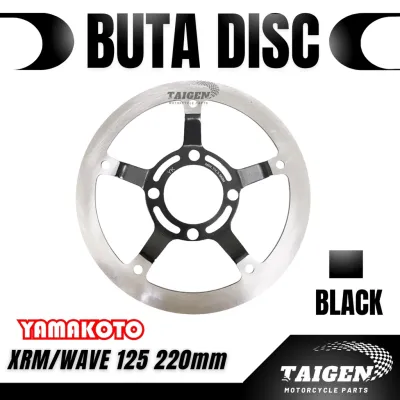
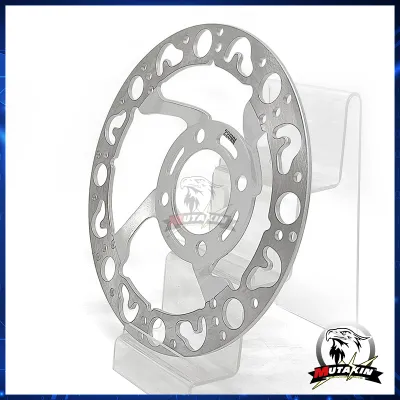
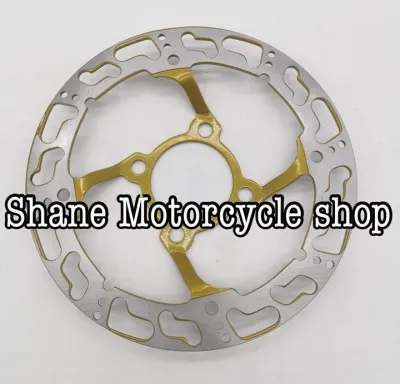
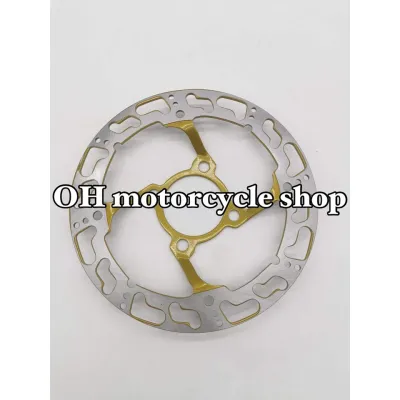
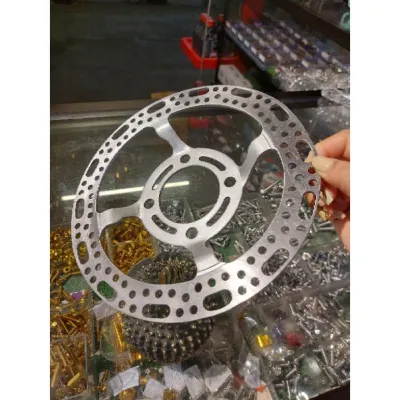
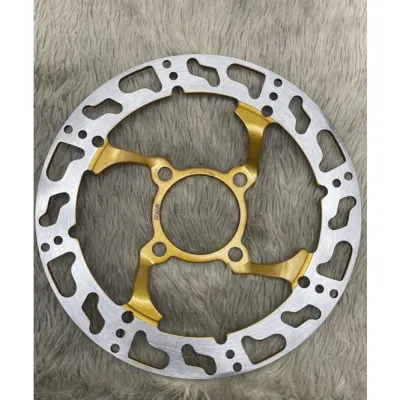
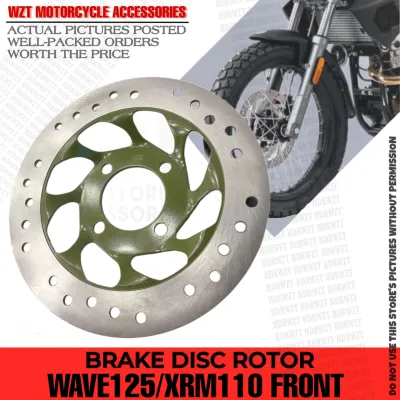
Prices are valid at publication and may change. Please refer to the product page for the latest price.
This distinction is critical because brake rotors are safety-critical components. When you squeeze the brake lever, the brake pads clamp onto the spinning rotor, converting kinetic energy into thermal energy through friction. If the rotor’s material composition is inferior, it may fail to dissipate this heat effectively. Under the high-humidity and high-temperature conditions common in tropical climates, poor heat dissipation can lead to brake fade, where your stopping distance increases dangerously, or structural warping, which causes a pulsating sensation in your brake lever and reduces overall braking efficiency.
The Case for Genuine Honda OEM Rotor Discs
Opting for a genuine Honda OEM rotor disc offers a level of predictability and assurance that is difficult to match. Because these rotors are engineered specifically for the Honda Wave 125, you are guaranteed an exact fit without the need for modifications, spacers, or custom brackets. The alloy blend used in OEM rotors is carefully selected to balance durability, friction coefficient, and resistance to thermal cracking, ensuring consistent performance throughout the component’s lifespan.

Furthermore, choosing OEM parts preserves the original safety profile of your motorcycle. Honda designs its braking systems as a cohesive unit, meaning the OEM rotor is optimized to work seamlessly with OEM brake pads and calipers. This compatibility minimizes uneven wear, reduces brake squeal, and ensures that the brake system responds predictably in emergency stopping situations. Additionally, purchasing genuine parts from authorized dealers typically ensures you are covered by standard manufacturer warranties against material defects.
The primary trade-off when choosing genuine OEM rotors is the financial investment. In the local market, genuine Honda parts carry a price premium, often costing upwards of ₱1,200 or more depending on the dealership. For budget-conscious riders, this upfront cost can seem high, especially when compared to cheap aftermarket alternatives. However, this premium pays for rigorous quality control, certified metallurgy, and the peace of mind that your primary safety system will perform exactly as the manufacturer intended when you need it most.
How to Evaluate Aftermarket Rotor Disc Options
If you decide to explore the aftermarket route, you must approach the purchase with a critical eye. The aftermarket landscape for the Honda Wave 125 is flooded with options, making it easy to accidentally purchase a substandard component if you rely solely on visual appearance. A shiny, polished exterior can easily mask low-grade cast iron or poor steel alloys that are prone to rapid wear and cracking.
To protect yourself, always look for explicit compatibility labels on the product packaging. Do not assume a rotor will fit your Wave 125 simply because it has a similar four-bolt pattern; different model years or variants of the Wave series may feature subtle differences in offset, center bore diameter, or bolt-hole pitch. A reputable aftermarket brand will clearly list the compatible motorcycle models and production years on the box or in their official product catalog.
Additionally, prioritize brands that provide transparent material documentation and manufacturing certifications. High-quality aftermarket rotors are typically made from high-carbon stainless steel or specialized steel alloys that offer excellent corrosion resistance—a vital feature for surviving wet seasons and humid coastal air. Avoid unbranded, generic rotors sold in plain plastic wrap or boxes with no manufacturer contact information. These budget parts often lack proper quality control, and using them risks severe issues like premature pad wear, severe rotor warping, or even catastrophic cracking under hard braking.
OEM vs Aftermarket: Specification and Verification Checklist
Before purchasing any replacement rotor disc, you should verify its physical dimensions and manufacturing details. Use the following checklist to compare the characteristics of genuine OEM parts against potential aftermarket candidates.
| Dimension / Feature | OEM Specification Standard | Aftermarket Verification Check | What to Inspect on Packaging/Label |
|---|---|---|---|
| Outer Diameter | Exact factory diameter (typically 220mm for front disc) | Measure with a caliper to ensure exact match | Look for explicit "Wave 125" model compatibility |
| Rotor Thickness | Standard factory thickness (usually 3.0mm to 3.5mm) | Verify thickness and check for stamped minimum wear limit (e.g., Min. Th. 3.0mm) | Confirm nominal thickness is stated in product specifications |
| Bolt Pattern & Offset | Precise 4-bolt alignment with zero offset variance | Check that bolt holes align perfectly with the wheel hub without forcing | Ensure the label specifies compatibility with your exact model year |
| Material Quality | High-grade, heat-treated steel alloy | Look for uniform surface finish; avoid visible pitting or uneven grinding marks | Check for material certifications (e.g., SUS 420 stainless steel or equivalent) |
| Manufacturing Marks | Clear, stamped part numbers and minimum thickness limits | Verify presence of clean, legible laser-etched or stamped safety markings | Avoid products with no branding, part numbers, or safety warnings on the box |
Treat any missing specification data on an aftermarket box as a major warning sign. If a manufacturer does not clearly state the minimum safe operating thickness or the specific materials used, the component should not be trusted on a safety-critical system like your brakes.
Decision Framework: Which Rotor Disc Should You Choose?
To finalize your decision, evaluate your riding habits, budget, and willingness to research parts. Your choice should align with how you use your Honda Wave 125 and your tolerance for verifying technical specifications.
You should choose a genuine Honda OEM rotor disc if you prioritize absolute safety and want a hassle-free replacement process. If your daily route involves heavy traffic, steep descents, or carrying heavy loads, the guaranteed thermal stability of OEM metallurgy is well worth the higher price. This option is also best if you prefer not to spend time researching third-party brands or verifying material certifications; buying OEM from an authorized dealer eliminates the risk of purchasing counterfeit or substandard parts.
You can confidently choose an aftermarket rotor disc if you are sourcing from a highly reputable, established brand that explicitly lists Wave 125 compatibility. This is a viable path if you want to save money—with quality aftermarket options often priced between ₱600 and ₱900—without sacrificing your safety. Ensure the brand provides verifiable material specifications, such as heat-treated stainless steel, and offers a clear warranty against manufacturing defects.
You must halt the purchase and consult a professional if the aftermarket part lacks clear packaging, specific model compatibility lists, or visible manufacturing marks. Never risk your safety on an unbranded “bargain” rotor from an online marketplace just to save a few hundred pesos. If you cannot verify the origin and specifications of the rotor, it is always safer to stick with OEM or consult a trusted mechanic.
Critical Safety and Installation Requirements
Replacing a brake rotor disc is not a simple cosmetic upgrade; it is a highly critical maintenance task that directly affects your motorcycle’s stopping ability. Incorrect installation can lead to loose bolts, rotor misalignment, uneven pad contact, or even complete brake failure while riding. Because of these severe safety risks, you must follow precise procedures and safety boundaries.
Always consult the official Honda Wave 125 service manual for the exact torque specifications and tightening sequence for the rotor mounting bolts. These bolts must be tightened in a star pattern to ensure even pressure distribution across the wheel hub. Additionally, manufacturers typically recommend using a medium-strength thread-locking compound on the bolt threads to prevent them from backing out due to road vibrations and thermal expansion.
If you do not possess a calibrated torque wrench, specialized tools, or mechanical experience, do not attempt this installation yourself. Have the new rotor installed, the wheel alignment checked, and the brake system thoroughly inspected by a qualified motorcycle mechanic. A professional will also ensure that your brake pads are in good condition—as installing a new rotor with worn or uneven pads will quickly ruin the new disc—and will bleed the brake fluid if necessary to guarantee firm, responsive lever feel.

Community discussion
Share your experience or ask a question. Comments are reviewed before publication.