
Calculating the maximum safe tire upsize for your vehicle is a critical step when you want to improve traction, increase ground clearance, or customize your car’s appearance. To do this safely, you must ensure that the overall diameter of the new tire remains within a narrow margin—typically within 3% of the original factory-specified tire diameter. Deviating too far from this limit can compromise your vehicle’s handling, throw off electronic safety systems, and cause physical damage to your wheel wells.
While upsizing can provide practical benefits, such as better stability on wet roads during heavy tropical downpours, it also introduces safety risks if done incorrectly. Modifying your tires directly alters the vehicle’s contact patch, braking leverage, and suspension geometry. Because of these critical safety implications, you should always cross-reference your calculations with your original-vehicle instructions and seek qualified professional installation before driving on modified tires.
Understand the Overall Diameter Guideline for Upsizing Car Tires
The overall diameter of a tire is the total height from the bottom tread to the top tread when fully inflated. Maintaining this measurement close to factory specifications is essential because your vehicle’s engineering is calibrated to this exact size. Changing the diameter alters how many times the tire rotates over a given distance, directly impacting the data sent to your car’s onboard computers.
Products mentioned in this guide
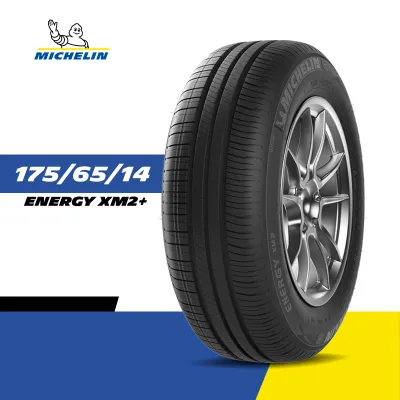
25 Lazada user ratings
🛠️Durability:goods since reliable brand 💰Price:sulit na sulit dahil sa vouchers 🦶Traction:di pa na try since first time using the brand fast …Read full reviewShow less
🛠️Durability:goods since reliable brand 💰Price:sulit na sulit dahil sa vouchers 🦶Traction:di pa na try since first time using the brand fast shipping and well-packaged! thanks
Both tires were well packed and in good condition. It was shipped immediately by the seller. Recent lang din ang production date which is 25…Read full reviewShow less
Both tires were well packed and in good condition. It was shipped immediately by the seller. Recent lang din ang production date which is 2525. Until next transaction.
Fast delivery, well packed, bought 4pcs from this shop with free 4 tire valves. Thank you sa seller, rider at Lazada 💰Price:9.9 sale big sav…Read full reviewShow less
Fast delivery, well packed, bought 4pcs from this shop with free 4 tire valves. Thank you sa seller, rider at Lazada 💰Price:9.9 sale big savings
DOT is 2024 as communicated by the seller thru chat and legit na 2024 siya thanks
Prices are valid at publication and may change. Please refer to the product page for the latest price.
Modern vehicles rely on precise wheel speed readings to operate critical safety systems, including the Anti-lock Braking System (ABS), Electronic Stability Control (ESC), and traction control. If you install tires that are significantly larger than original equipment, the wheel speed sensors will report slower rotational speeds than expected. This discrepancy can cause these safety systems to malfunction or fail to engage during an emergency.
To prevent these issues, keep any change in overall tire diameter within a maximum limit of 3% compared to the original factory size. However, this 3% guideline is a general rule of thumb and does not serve as an absolute guarantee of safety. Because every vehicle platform has unique engineering tolerances, the manufacturer’s official specifications found in your owner’s manual or driver-side door jamb placard must always take precedence.
Step-by-Step Calculation for Your New Tire Size
Determining whether a proposed tire size is safe requires comparing its dimensions mathematically against your current factory-recommended setup. By breaking down the metric tire code into physical measurements, you can calculate the exact overall diameter of both options. This step-by-step process allows you to determine the precise percentage difference and make an informed decision before investing in new rubber.

Step 1: Identify Your Current Tire Specifications
To begin your calculations, you must locate and record the exact specifications of your original equipment tires. These details are printed on the sidewall of your tires as a sequence of numbers and letters, such as 195/55R15. This standard metric tire code represents the section width, the aspect ratio, and the internal rim diameter of the tire.
In this example, “195” represents the section width in millimeters, which is the width of the tire from sidewall to sidewall. The second number, “55,” is the aspect ratio, indicating that the sidewall height is 55% of the tire’s section width. The “R” stands for radial construction, and “15” represents the wheel rim diameter in inches.
Always check the driver-side door jamb placard or the owner’s manual to confirm the original equipment (OE) tire size specified by the manufacturer. Do not rely solely on the tires currently mounted on your vehicle, especially if you purchased the car pre-owned, as a previous owner may have already installed an incorrect or modified tire size.
Step 2: Calculate the Current and Proposed Overall Diameters
Once you have recorded both your factory tire specifications and the specifications of the new tire size you wish to install, you can calculate their respective overall diameters. Because tire codes mix metric and imperial measurements, you must first convert the sidewall height from millimeters to inches.
To find the sidewall height in millimeters, multiply the section width by the aspect ratio expressed as a decimal. For a 195/55R15 tire, multiply 195 by 0.55 to get a sidewall height of 107.25 millimeters. Next, convert this value to inches by dividing it by 25.4, which is the standard conversion factor. This calculation yields a sidewall height of approximately 4.22 inches.
To calculate the total overall diameter, you must add the height of both the top and bottom sidewalls to the wheel rim diameter. The formula is: Overall Diameter = (Sidewall Height × 2) + Rim Diameter. For our example, multiply the 4.22-inch sidewall height by 2 to get 8.44 inches, and then add the 15-inch rim diameter, resulting in a total overall diameter of 23.44 inches. Repeat this exact calculation using the specifications of your proposed upsized tire.
Step 3: Compare the Percentage Difference
With both overall diameter measurements in hand, you can now calculate the percentage difference to see if the proposed size falls within the acceptable 3% industry threshold. This comparison reveals how much the new tire size will alter your vehicle’s gearing and speed calculations.
To find the percentage difference, subtract the original overall diameter from the proposed overall diameter, divide the result by the original overall diameter, and then multiply by 100. The formula is: Percentage Difference = ((Proposed Diameter – Original Diameter) / Original Diameter) × 100. For example, if your original diameter is 23.44 inches and your proposed diameter is 24.10 inches, the difference is 0.66 inches. Dividing 0.66 by 23.44 and multiplying by 100 gives a positive difference of approximately 2.81%.
A positive percentage indicates that the proposed tire is larger than the original, which will slightly increase your vehicle’s ground clearance. This can be advantageous when navigating flooded streets or deep potholes during the rainy season, but it also increases the risk of the tire rubbing. Compare your calculated percentage against the vehicle manufacturer’s stated tolerances to ensure compliance.
Verify Physical Clearance in the Wheel Well
Even if your mathematical calculations show a percentage difference well under the 3% limit, you must physically verify that the larger tires will fit inside your wheel wells without rubbing. Math alone cannot account for the tight clearances around suspension components, brake lines, and body panels. A tire that rubs against these parts can suffer sudden, catastrophic failure or damage critical vehicle systems.
When inspecting your wheel wells, pay close attention to the most common contact points where rubbing is likely to occur. These include the inner fender liners, the suspension struts, the upper control arms, and the steering knuckles. An increase in tire width or a change in wheel offset can bring the tire dangerously close to these stationary components.
To perform a reliable physical clearance check, park your vehicle on a level surface and turn the steering wheel completely to the left, then inspect the clearance around the tire. Repeat this process by turning the wheel completely to the right, checking for any tight spots where the tire tread or sidewall comes close to the inner wheel well.
Furthermore, you must account for suspension travel, as clearance decreases when the vehicle carries passengers or travels over uneven surfaces. Potholes, speed bumps, and sudden dips cause the suspension to compress, pushing the wheel further up into the fender. If your clearance is less than 15 millimeters when stationary, the tire is highly likely to rub under load.
Assess Speedometer, ABS, and Suspension Impacts
Upsizing your tires has a cascading effect on several mechanical and electronic systems. Because your speedometer calculates speed based on the rotational speed of the factory-size tires, installing a larger tire will cause your speedometer to read slower than your actual speed. For instance, if your new tires are 3% larger in diameter, your speedometer might display 100 km/h when your actual road speed is 103 km/h, which can lead to unintended speeding.
Beyond speedometer discrepancies, significant deviations in tire size can disrupt the calibration of your ABS and Electronic Stability Control (ESC). These safety systems are programmed with specific expectations regarding wheel speed and deceleration rates. If the overall diameter is altered too much, the system may misinterpret normal braking as a skid, leading to premature ABS intervention or delayed stability control response.
The physical weight of the new tire and wheel package, known as rotational mass, also plays a major role in vehicle performance. Larger tires are generally heavier, which requires more energy from the engine to set them in motion and more braking force to bring them to a stop. This increased rotational inertia can result in sluggish acceleration, longer braking distances, and reduced fuel efficiency.
When to Stop and Seek Professional Advice
While calculating tire sizes is a straightforward DIY task, executing a safe installation often requires professional expertise. You should stop the process and consult a certified tire specialist if your calculations yield a diameter change greater than 3%, or if your physical measurements reveal less than 15 millimeters of clearance at any point in the wheel well. Attempting to force a fitment through unapproved modifications can compromise your safety on the road.
If your desired tire size requires the use of aftermarket wheel spacers, changes to the wheel offset, or the installation of a suspension lift kit, professional guidance is essential. Altering the wheel offset changes the load distribution on your wheel bearings and steering components, which can lead to premature wear or sudden mechanical failure.
Additionally, factor in the cost of professional installation. In the Philippines, professional wheel alignment and balancing services typically range from ₱1,000 to ₱3,000 or more, depending on your vehicle type. Investing in these services is crucial, as proper alignment prevents uneven tire wear and ensures your vehicle tracks straight, maximizing the lifespan of your new tires and preserving your safety.
Frequently Asked Questions (FAQ)
Will upsizing my tires void my vehicle warranty?
Upsizing your tires does not automatically void your entire vehicle warranty, but it can affect claims related to specific components. Under standard automotive warranty policies, a manufacturer cannot deny coverage unless the aftermarket modification directly caused the failure. However, if a larger, heavier tire causes premature wear on your wheel bearings, suspension bushings, steering rack, or transmission, the dealership may legally deny warranty claims for those specific parts. Before making any modifications, review your warranty booklet or consult your local dealership in the Philippines to understand their specific policies regarding aftermarket tire sizes.
Do I need to recalibrate my speedometer after upsizing?
If your calculated overall diameter change is minimal—typically under 1.5%—the speedometer error is usually negligible, and recalibration is generally not required. However, if the change approaches or exceeds the 3% limit, recalibrating your speedometer is highly recommended to ensure accurate speed readings and maintain the proper function of your vehicle’s safety systems. Modern vehicles often require an OBD-II software update or a dedicated electronic calibrator to adjust the tire size parameter in the engine control unit, while older vehicles may require a physical gear replacement in the speedometer drive. You should have this calibration performed by a qualified automotive electrician or an authorized dealership technician to guarantee accuracy.

Community discussion
Share your experience or ask a question. Comments are reviewed before publication.