
Why PS and ICC Marks Matter for Your Safety in the Philippines
Riding a motorcycle in the Philippines requires navigating unpredictable road conditions, sudden tropical downpours, and dense traffic. In this environment, your helmet is the single most important piece of safety gear you own. For riders considering a bmc helmet, verifying that the headgear has a genuine safety certification is not just about avoiding fines—it is a critical measure to protect your life.
The Land Transportation Office (LTO) strictly enforces regulations mandating that all motorcycle riders wear protective helmets compliant with Republic Act No. 10054. Under local laws, any helmet used on public roads must bear either a Philippine Standard (PS) mark or an Import Commodity Clearance (ICC) sticker. These certifications, issued by the Bureau of Philippine Standards (BPS), serve as official proof that the helmet has undergone rigorous testing to ensure it can withstand severe impacts.
During BPS laboratory testing, helmets are subjected to intense impact attenuation, penetration, and retention system tests. These evaluations guarantee that the outer shell absorbs shock efficiently, the chin strap remains secure during a crash, and sharp objects cannot easily pierce the protective liner. Riding with an uncertified helmet leaves you highly vulnerable to traumatic head injuries. Additionally, operating a motorcycle with non-compliant gear can lead to costly traffic apprehensions, license confiscation, and vehicle impoundment at LTO checkpoints.
Products mentioned in this guide
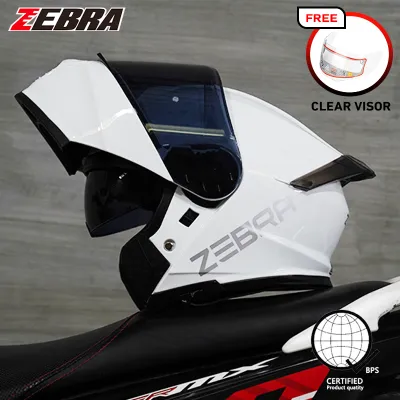
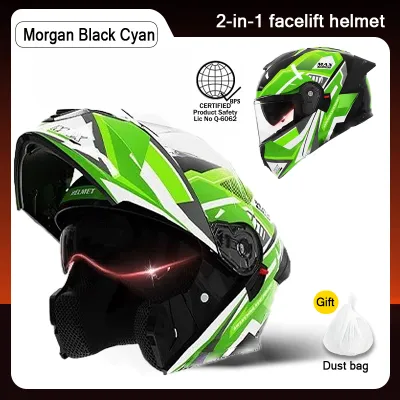
Prices are valid at publication and may change. Please refer to the product page for the latest price.
Visual Guide: Identifying Genuine Certification Marks on BMC Helmets
When shopping for a bmc helmet, performing a thorough visual inspection is your first line of defense against counterfeit products. Replica helmets often mimic the external styling of popular brands but completely ignore the safety standards required to protect your head. To safeguard your investment, you must examine both the exterior shell and the interior components for authentic certification markers.

Genuine safety marks are never treated as a casual addition to the product. Instead, they are integrated directly into the helmet’s manufacturing process or applied using high-security, tamper-evident materials. If a certification mark looks like a cheap sticker that was quickly slapped onto the shell at a retail shop, or if it peels off with minimal effort, the helmet is highly likely to be a non-compliant fake.
The PS (Philippine Standard) Mark
The PS mark is typically found on helmets that are locally manufactured or imported under a long-term brand license. On an authentic bmc helmet, a genuine PS mark is rarely a simple paper sticker affixed to the surface. Instead, it is usually embossed, molded directly into the outer thermoplastic shell, or permanently printed onto the inner expanded polystyrene (EPS) liner beneath the comfort padding.
A legitimate PS mark must clearly display the distinct BPS logo, the manufacturer’s unique license number, and the specific Philippine National Standard (PNS) reference code for motorcycle helmets. If you observe a PS mark that is printed on a cheap, easily peelable paper label, or if the text is blurry and lacks a clear license number, treat the helmet as highly suspicious. Authentic manufacturers invest in high-quality, permanent markings to ensure their safety credentials remain legible throughout the helmet’s lifespan, even when exposed to intense tropical humidity and sweat.
The ICC (Import Commodity Clearance) Sticker
Because many helmet models are imported into the Philippines, the ICC sticker is the most common certification mark you will find on a genuine bmc helmet. The ICC sticker is a highly secure, government-issued decal applied to imported shipments once they pass BPS inspection. These stickers feature advanced security elements designed to prevent duplication by counterfeit operations.
An authentic ICC sticker features a distinct holographic background that shifts colors and patterns when tilted under direct sunlight. It also contains micro-printing that remains sharp under close inspection, along with a unique, sequential serial number printed in a clean, consistent font. The sticker is applied using a strong, industrial-grade adhesive, typically positioned on the rear lower section of the helmet shell or on the visor. If you try to peel a genuine ICC sticker, it should not come off cleanly; instead, it is designed to tear, distort, or leave a “void” residue, proving it cannot be transferred from one helmet to another. If the sticker on your helmet has peeling edges, lacks holographic depth, or has unevenly aligned serial numbers, it is likely a fake.
Red Flags: Spotting Fake or Uncertified Helmets
To protect yourself from purchasing substandard gear, you must remain vigilant against the common tactics used to sell uncertified helmets. Counterfeiters have become increasingly sophisticated, but they consistently leave clues that reveal their products’ true nature. When examining a bmc helmet, look out for these major red flags:
- Peeling or Printed Marks: A genuine certification mark is designed to last. If you find a helmet where the ICC or PS mark is a low-quality sticker that easily scratches off, leaves a sticky paper residue, or is lifting at the corners, it is a counterfeit. Additionally, be wary of sellers who claim the helmet is certified but point to a mark printed only on the cardboard box or the carrying bag. The certification must be physically and permanently attached to the helmet itself to be legally recognized.
- Missing or Invalid License Numbers: Every legitimate PS mark must display a valid license number, and every ICC sticker must have a traceable serial number. If these numbers are missing, blurred, or printed in an illegible font, the certification is fraudulent. Some counterfeiters print random strings of numbers hoping buyers will not check them, which is why cross-referencing these codes is essential.
- Suspiciously Low Prices: Authentic helmets undergo expensive safety testing, quality control, and legal importation processes. If you encounter a brand-new helmet priced significantly below the standard market rate—such as a full-face model being sold for under ₱1,000 when authorized dealers list it for much more—you should immediately suspect its authenticity. Extremely low prices are a clear sign that the manufacturer bypassed safety certifications and used cheap, unrated materials.
- Poor Material and Build Quality: A physical inspection of the helmet's construction often reveals its true nature. Press your fingers firmly against the inner protective liner. A certified helmet uses high-density expanded polystyrene (EPS) that feels firm and solid, designed to crush slowly to absorb impact energy. Counterfeit helmets often use cheap, soft packaging-grade styrofoam that crumbles easily or compresses completely under light finger pressure. Other signs of poor quality include flimsy chin straps, loose or rattling visor mechanisms, rough plastic edges on the outer shell, and a strong, offensive chemical odor from low-grade glues and synthetic fabrics.
- Disclaimer: While these visual and physical checks are highly effective for screening out low-quality replicas, counterfeiters continuously refine their printing and manufacturing techniques. A highly convincing fake may pass a casual visual inspection. Therefore, a clean physical appearance should never be your sole proof of authenticity; you must always combine physical checks with official database verification.
How to Officially Verify PS and ICC Credentials
To achieve complete peace of mind before riding, you should verify the helmet’s safety credentials using official government databases and documentation. This extra step ensures that the physical marks on the helmet actually correspond to a certified product registered with the Bureau of Philippine Standards.
- Checking the BPS Directory: The Department of Trade and Industry maintains an active online directory of companies and products that hold valid PS licenses and ICC certificates. You can access the official BPS portal through a web browser to search for the manufacturer or importer of the helmet. By entering the license number printed on the PS mark, you can verify if the license is active, if it matches the brand name, and if it covers the specific helmet model you are purchasing.
- Inspecting ICC Security Features: When verifying an ICC sticker, use a magnifying glass or your smartphone's camera zoom to inspect the micro-printing along the borders of the decal. Under different angles of light, the holographic elements should transition smoothly without looking like a static, printed metallic sticker. If you have access to a blue light or UV light source, check if the sticker exhibits any hidden security patterns, which are often used on official government decals.
- Requesting Documentation: A reputable and authorized seller should always be transparent about their products' safety credentials. Before finalizing your purchase, ask the retailer to show you a copy of the official Import Commodity Clearance (ICC) certificate or the PS Certificate of Product Registration (CPR) issued by the DTI. This document must explicitly list the brand, model, and batch numbers that match the stock in the store.
- Limitations of Verification: It is important to understand that database and document checks are only effective if the information matches the physical product in your hands. If a seller refuses to provide documentation, makes excuses about missing certificates, or if the license number on the helmet leads to an inactive or unrelated entry in the BPS directory, do not buy the helmet. Your safety on Philippine roads is worth more than a discounted, unverified piece of gear.
Trusted Channels for Buying Authentic BMC Helmets
The most reliable way to avoid the risks of counterfeit safety gear is to control where you shop. Purchasing a bmc helmet from unverified sources significantly increases your chances of buying a dangerous replica.
- Authorized Dealers and Official Stores: Always prioritize purchasing directly from the brand's authorized physical dealerships or their verified flagship stores on major online marketplaces. These official channels receive their inventory directly from the manufacturer's certified production lines, ensuring that every helmet sold has passed the required BPS inspections and carries genuine markings.
- Reputable Motorcycle Gear Shops: If you prefer to shop at local multi-brand motorcycle accessory stores, choose well-established businesses with a proven track record in the riding community. Reputable shops display their business permits clearly, employ knowledgeable staff who can explain the safety features of their gear, and provide official receipts that detail the product's compliance with local laws.
- Avoiding Unverified Sellers: Exercise extreme caution when browsing social media marketplaces, temporary street side vendors, or flea markets. These informal channels are primary distribution points for uncertified, smuggled, or counterfeit goods. While the convenience and low prices of these sellers may seem appealing, they offer no consumer protection, no warranties, and no guarantee that the helmet will protect your head in a crash.
What to Do If You Suspect a Counterfeit Helmet
If you have already purchased a helmet and suspect it is counterfeit or lacks genuine certification, you must take immediate action to protect yourself and the wider riding community.
- Reporting to Authorities: You should report the seller and the specific store location to the DTI Fair Trade Enforcement Bureau (FTEB) or the BPS. Providing details such as the store name, address, online links, and photos of the fake certification marks helps authorities conduct market surveillance, seize dangerous inventory, and penalize dishonest merchants.
- Requesting Refunds: If you purchased the helmet through an online marketplace, immediately file a return and refund request under the platform's buyer protection policy. Select "counterfeit" or "not as described" as the reason, and upload clear photos comparing the fake markings to genuine certification standards. Under the Consumer Act of the Philippines, you have the right to a refund or replacement for defective or non-compliant safety goods.
- Disposal Warning: Under no circumstances should you continue to wear, resell, or donate a suspected counterfeit helmet. If a helmet lacks genuine certification, its structural integrity is unproven. In a crash, a fake helmet can split open, fail to absorb impact, or even cause secondary injuries if the shell shatters into sharp shards. Cut the chin straps of the suspected helmet and discard it responsibly so that no other rider can mistakenly use it.
Frequently Asked Questions (FAQ)
Can I use a helmet with only a DOT or ECE mark in the Philippines?
While DOT (Department of Transportation, US) and ECE (Economic Commission for Europe) are highly respected international safety standards that often exceed local requirements, they do not replace local certification. Under Philippine law, any motorcycle helmet used on public roads must feature either a PS mark or an ICC sticker issued by the BPS. If you ride with a helmet that only has foreign markings, traffic enforcers can still issue a citation for failing to wear a legally compliant helmet. To stay fully compliant and avoid fines, ensure your helmet has the necessary local markings alongside its international certifications.
Is it safe to buy a second-hand BMC helmet?
Buying a second-hand helmet is highly discouraged by safety experts. Helmets are designed to absorb the energy of a single impact by permanently compressing the inner EPS liner. Once a helmet has been dropped or involved in a minor accident, its protective capabilities are compromised, even if the outer shell looks completely undamaged. Furthermore, verifying the authenticity of certification marks on a used helmet is difficult, as stickers may have degraded over time. For optimal safety, always invest in a brand-new, certified helmet where you can guarantee its history and structural integrity.

Community discussion
Share your experience or ask a question. Comments are reviewed before publication.