
Upgrading your car’s interior is a highly satisfying weekend project, especially when worn-out factory parts begin to show their age. In tropical climates like the Philippines, constant exposure to heat and high humidity can accelerate the degradation of original steering wheel covers and gear shift knobs, leaving them sticky, cracked, or unsightly.
Replacing your stock shift knob with an aftermarket alternative is a common upgrade, but the term “universal” can be highly misleading. To ensure a universal shift knob fits your car, you must determine your vehicle’s specific shifter mechanism, measure the threaded rod’s diameter and thread pitch, and verify whether your car uses a reverse lockout or an electronic safety button.
Taking the time to verify these dimensions before making a purchase prevents the frustration of buying an incompatible accessory. It also protects your vehicle’s gear lever assembly from permanent mechanical damage during installation.
Products mentioned in this guide
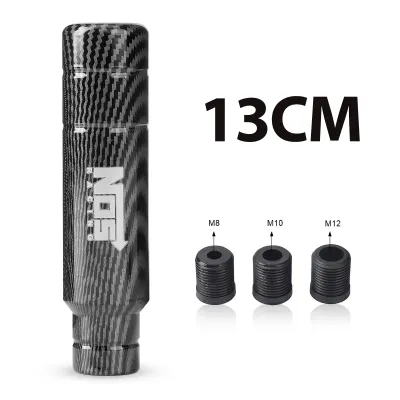
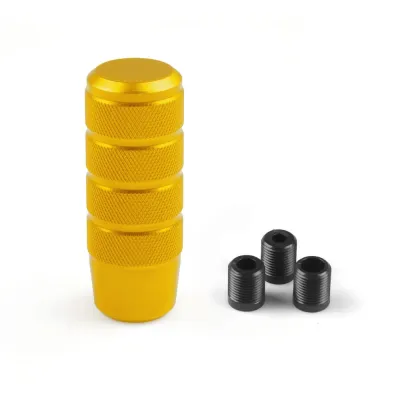
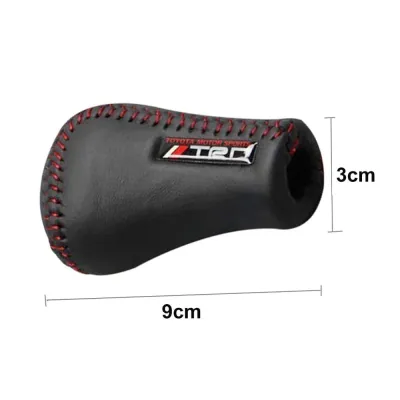
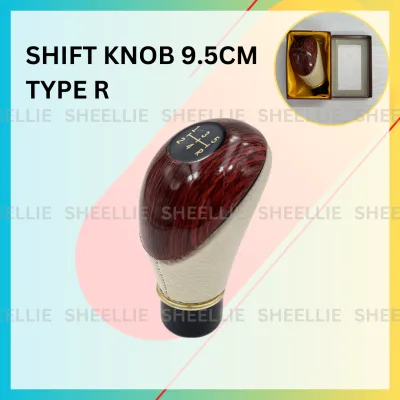
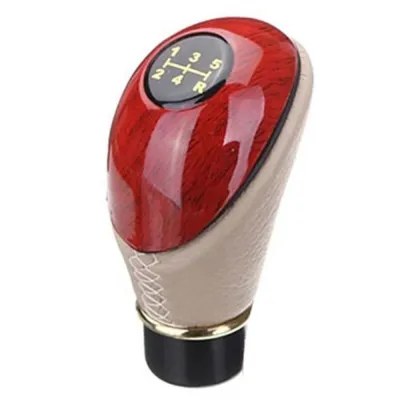
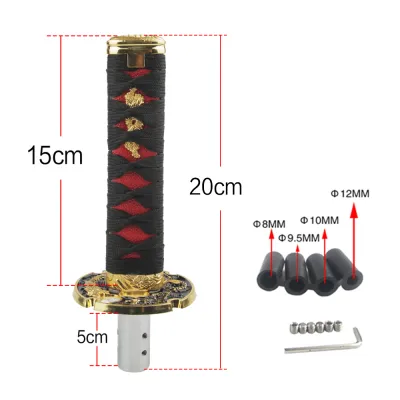
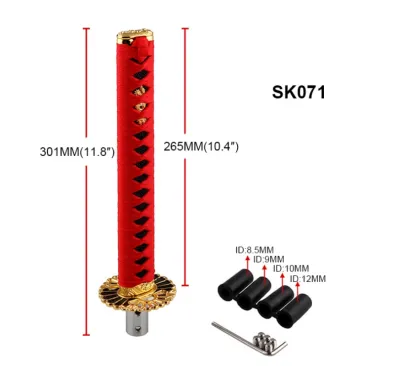
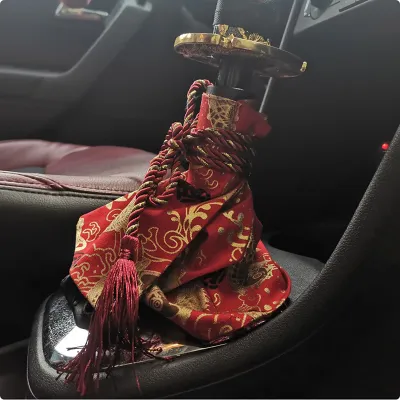
Prices are valid at publication and may change. Please refer to the product page for the latest price.
Why Universal Shift Knobs Might Not Fit Your Vehicle
In the automotive aftermarket, the term “universal” typically means the shift knob package includes several threaded plastic or rubber collar inserts. These inserts are designed to stretch or thread onto various common rod sizes, but they do not cover every thread pitch, shaft diameter, or mechanical design on the market.
If you purchase a knob without verifying your vehicle’s specifications, you may experience common mismatch symptoms. The new knob might refuse to thread onto the rod, wobble continuously during gear changes, spin freely without ever tightening, or bottom out before it is secure.
Forcing a mismatched knob onto a threaded rod is a costly mistake. Doing so can easily cross-thread the soft metal of the shifter rod or strip the internal threads of the new knob, permanently damaging the shifter assembly and requiring a complete replacement of the gear lever.
Identify Your Shifter Mechanism and Safety Features
Before ordering any aftermarket accessory, look closely at how your current gear selector operates. Manual and automatic transmissions handle shifter attachments differently, and safety features must never be bypassed.

Manual vs. Automatic Shifters
Manual cars typically feature a straightforward threaded rod, but many modern manual gearboxes incorporate a reverse lockout collar. This collar requires you to pull up a ring below the shift knob to engage reverse gear. If your aftermarket shift knob has a wide base or sits too low on the shaft, it will physically block the lockout collar from rising, preventing you from shifting into reverse.
Shifters with Locking Buttons or Triggers
Many automatic vehicles utilize a mechanical button or trigger on the side or front of the shift knob. This button acts as a safety interlock, preventing the driver from accidentally shifting out of Park or into Reverse without depressing it. A standard, solid universal shift knob cannot actuate this internal mechanical rod. Attempting to install a basic threaded knob on such a system requires either leaving the safety lock permanently depressed or removing it entirely, which presents an extreme safety hazard. Always check your vehicle’s manual and original assembly before modifying these components.
Shift-by-Wire and Electronic Selectors
Modern vehicles increasingly rely on electronic shift-by-wire systems. These setups use rotary dials, push-buttons, or spring-loaded joystick selectors rather than physical linkages connected to the transmission. Because these electronic selectors do not have a traditional threaded metal rod, they are completely incompatible with standard universal shift knobs.
How to Measure Your Shifter Thread Size and Pitch
Finding the exact dimensions of your shifter rod is the only way to guarantee a perfect fit. This process requires a few basic tools and a systematic approach.
Step 1: Remove the Original Shift Knob
Most standard shift knobs unscrew by turning them counter-clockwise. However, manufacturers often secure OEM knobs using hidden set screws at the base, retaining clips, or even reverse threads. Before applying force, consult your vehicle’s factory workshop manual or manufacturer instructions to identify the correct removal method. Applying excessive twisting force to a clipped or pinned knob can bend the shifter linkage or crack the plastic console trim.
Step 2: Measure the Thread Diameter
Once the knob is removed, expose the bare threads of the shifter rod. Use a digital caliper to measure the outer diameter of these threads. If you do not have calipers, a highly precise metal ruler can work, though it is less reliable. Common metric diameters found on passenger vehicles include 10mm, 12mm, and 16mm. These measurements are typically designated with an “M” prefix, such as M10 or M12.
Step 3: Determine the Thread Pitch
The thread pitch is the distance between the peaks of adjacent threads, measured in millimeters for metric vehicles. To find this, you can use a thread pitch gauge, which is a small tool containing various teeth profiles that you match against the threads. Alternatively, count the number of thread peaks within a 10mm section and divide by ten. Common automotive thread pitches include 1.25mm and 1.5mm. A complete thread specification will look like “M12 x 1.25,” indicating a 12mm diameter with a 1.25mm pitch.
Step 4: Verify the Attachment Style
Finally, examine whether your shifter rod relies entirely on these threads for stability, or if it features a non-threaded smooth shaft with a flat side, a spline count, or a specific slot for a retaining clip. Understanding this physical interface ensures you select the correct adapter or fastening method.
Understanding and Choosing Shift Knob Adapters
If your vehicle’s shifter rod does not match the internal threads of your chosen aftermarket knob, you do not have to abandon the project. A shift knob adapter can bridge this compatibility gap.
An adapter is a small metal or plastic sleeve with internal threads that match your car’s shifter rod, and external threads that match the interior cavity of the aftermarket shift knob. For example, if your car has an M10x1.25 thread but your desired knob has a larger M16x1.5 opening, an adapter with an M10x1.25 female thread and an M16x1.5 male thread will allow a secure connection.
When shopping for adapters, pay close attention to the sizing specifications. These are always listed as “Female Thread Size to Male Thread Size.” You can source these components from dedicated online automotive accessory stores or local auto parts shops in major commercial centers.
While adapters are highly useful, they do introduce specific trade-offs. An adapter naturally increases the overall height of the shift knob, which can slightly lengthen the throw distance between gears. Furthermore, cheap plastic adapters or those that rely on tiny grub screws can loosen over time due to cabin heat, engine vibrations, and the physical force of daily driving, leading to annoying rattles or a loose knob. Solid brass or aluminum threaded adapters are highly recommended for long-term durability.
Installation Precautions and When to Stop
A shift knob is a critical control interface; a failure while driving can lead to missed shifts, gear grinding, or dangerous distractions. Prioritize safety during every step of the installation.
The golden rule of threaded installations is to never force a thread. If the shift knob or adapter does not spin on smoothly with light hand pressure, the thread pitch or diameter is incorrect. Forcing it will ruin the threads on both components.
If you are installing a non-threaded universal knob that secures with set screws, take steps to protect your shifter rod. Wrap a single layer of electrical tape or rubber tape around the rod where the screws make contact. This prevents the sharp screws from gouging the metal. Additionally, apply a drop of medium-strength thread-locking fluid to the set screws to prevent them from backing out due to road vibrations.
Know when to step away from the DIY process. If you discover that your shifter rod’s threads are already stripped, if the shaft is bent, or if your vehicle uses a complex electronic shift interlock that requires disassembly of the steering column or center console, stop immediately. Consult a qualified professional mechanic or an authorized service center to handle the repair or installation safely.
Frequently Asked Questions (FAQ)
Can I use a shift knob with a set screw on a threaded shifter?
Yes, it is physically possible, but it is generally not recommended as a permanent solution. The sharp tips of the set screws will bite directly into the existing threads of your shifter rod, flattening them and making it difficult to reinstall an OEM threaded knob in the future. Additionally, set screws do not distribute holding force evenly, which can cause the knob to wobble or slip under heavy shifting. A direct threaded-to-threaded connection is always the safer and more stable choice.
Do weighted shift knobs require special adapters?
Weighted shift knobs do not inherently require unique thread sizes, but their increased mass puts significantly more stress on the mounting hardware. Because a heavier knob carries more rotational momentum during gear changes, using cheap plastic adapters can lead to rapid wear, stripping, or sudden failure. If you are installing a weighted knob, always use high-quality, solid metal adapters made of brass or aluminum, and consider applying a medium-strength thread-locking compound to ensure the assembly remains secure.
Will a universal shift knob fit a push-button gear selector?
No. Traditional threaded universal shift knobs are entirely incompatible with modern push-button, rotary dial, or electronic joystick gear selectors. These electronic systems lack a physical, threaded metal rod and rely on internal electronic switches to send signals to the transmission. Attempting to force an aftermarket knob onto these systems can damage sensitive electronic sensors and wiring, leading to expensive diagnostic and repair bills.

Community discussion
Share your experience or ask a question. Comments are reviewed before publication.