
To determine if a universal spark plug cap will fit your motorcycle or car, you must verify four critical compatibility factors: the spark plug’s terminal type, the physical dimensions of the cap, the diameter of your high-tension ignition wire, and the electrical resistance rating. Because universal components are designed to accommodate a wide range of engines, they are not a one-size-fits-all solution. A mismatch can lead to weak spark, engine misfires, or electrical interference that disrupts your vehicle’s computer.
In tropical climates like the Philippines, where heavy rains, high humidity, and flooded streets are common, ensuring a precise fit is even more critical. A poorly fitting cap allows moisture to seep into the spark plug well, causing the electrical current to arc to the engine block instead of firing the plug. Before performing any electrical work on your vehicle, always ensure the ignition is turned off, the engine is completely cool, and the battery is disconnected to prevent accidental shocks. If you are uncomfortable working with your vehicle’s ignition system, consult a qualified mechanic or professional installer.
Identify Your Spark Plug Terminal Type
The connection point at the very top of your spark plug is called the terminal, and it comes in two primary styles: solid and removable. Many smaller motorcycle spark plugs feature a thin, threaded stud, while automotive plugs typically have a thicker, solid terminal shaped like a small bottle top. You must inspect your current spark plug to see which style is installed.
Products mentioned in this guide
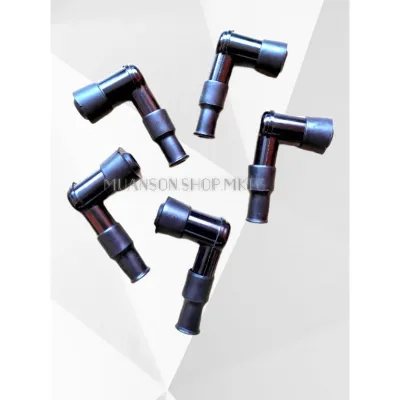
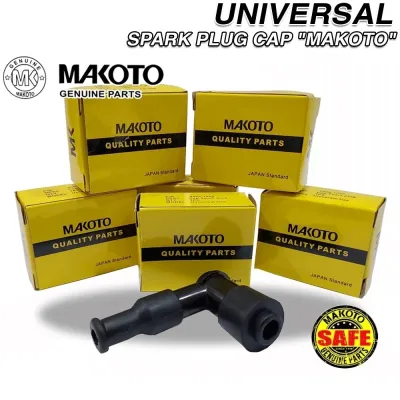
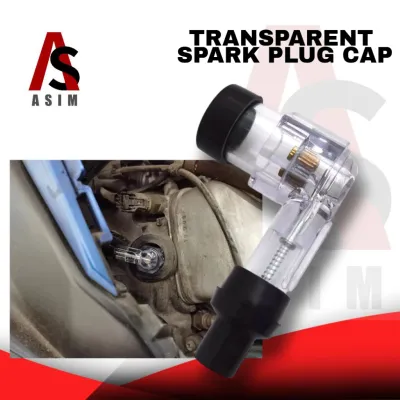
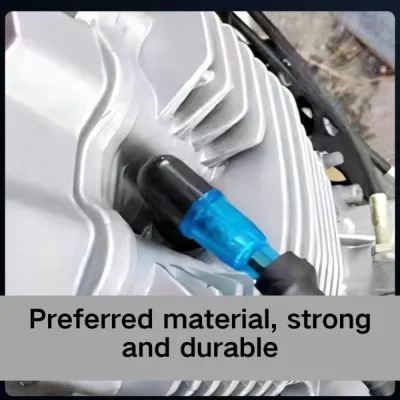
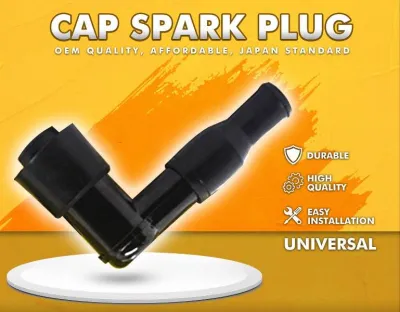
Prices are valid at publication and may change. Please refer to the product page for the latest price.
Universal spark plug caps are engineered to grip specific terminal shapes. Some caps feature a female threaded brass insert designed to screw directly onto a threaded stud, while others use a spring-loaded clip-in or push-on mechanism that snaps firmly over a solid terminal. Look inside your old cap or check your vehicle’s service manual to identify the connection style. If you purchase a cap designed for a threaded stud but your spark plug has a solid terminal, the cap will not slide on, rendering it unusable.
Match the Cap Dimensions to Your Spark Plug Size
The physical size of your spark plug—specifically the thread diameter and the hex nut size—dictates the clearance your universal cap needs. Spark plugs are classified by standard thread sizes, such as 10mm, 12mm, or 14mm, which correspond to different ceramic insulator diameters. The universal cap must have an internal rubber boot diameter that matches these dimensions perfectly to create an airtight seal.

To find the correct fit, measure the length and outer diameter of your existing cap using a vernier caliper, or refer to the spark plug manufacturer’s specification sheet. The cap must be deep enough to cover the entire exposed ceramic insulator of the plug without hitting the cylinder head prematurely. If the cap is too shallow, it will leave the ceramic insulator exposed to road grime, salt, and water splash, which quickly leads to electrical tracking and misfires.
Conversely, attempting to force a cap with an internal diameter that is too narrow over a thick ceramic insulator can crack the delicate ceramic. A cracked insulator ruins the spark plug, allowing high-voltage current to escape before it reaches the combustion chamber. Ensure the rubber seals at both ends of the universal cap are flexible and sized correctly to grip the plug body tightly, keeping out the intense moisture of tropical downpours.
Verify High-Tension Wire Compatibility
The high-tension wire, or ignition cable, delivers high-voltage current from the ignition coil to the spark plug cap. Universal caps must be compatible with the outer diameter of this wire, which typically ranges from 5mm to 8mm. If the wire entry hole on the universal cap is too large, water will easily bypass the boot; if it is too small, you will not be able to push the wire into the connection terminal.
Inside the wire entry port of a universal cap, you will usually find a threaded metal pin, a piercing prong, or a small set screw. To install the cap, you must push the ignition wire onto this pin while twisting, allowing the metal thread to bite directly into the copper or carbon core of the wire. Before making this connection, inspect the end of your ignition wire. If the core is frayed, corroded, or brittle, use a sharp utility knife to cut the wire cleanly back by a few millimeters to expose fresh, conductive material.
Determine Resistor vs. Non-Resistor Requirements
Modern vehicles rely heavily on sensitive onboard electronics, including engine control units (ECUs), sensors, and digital dashboards. To prevent the high-voltage ignition system from creating electromagnetic interference (EMI) that can disrupt these electronics, many vehicles require resistor spark plug caps. These caps contain an internal resistor, typically rated at 5k ohms, which suppresses electrical noise.
You can determine if your vehicle requires a resistor cap by checking your owner’s manual, inspecting the original cap for an “R” marking, or checking if your spark plugs themselves are resistor types. In many older motorcycles or simple carbureted engines, non-resistor caps are standard. However, installing a non-resistor cap on a modern fuel-injected motorcycle or car can lead to erratic idling, dashboard warning lights, or ECU communication failures.
Avoid stacking resistors unnecessarily. If your vehicle is designed for a non-resistor system but you use both a resistor spark plug and a resistor cap, the cumulative electrical resistance may weaken the spark. This weak spark can lead to incomplete combustion, poor fuel economy, and hard starting, especially on damp, humid mornings. Always match the resistance specifications recommended by your vehicle’s manufacturer.
Perform a Physical Fitment and Safety Check
Before you turn the key or kickstart your engine, perform a thorough physical inspection of the newly assembled universal spark plug cap. Check the outer hard plastic or silicone housing for any hairline cracks or manufacturing defects. Ensure that the internal metal contact clip is seated straight and has not been bent or pushed out of alignment during assembly.
When you push the cap onto the spark plug, you should feel a distinct, positive “snap” or click as the internal terminal grips the plug. The rubber dust boots at both the spark plug end and the wire entry end must sit flush against their respective surfaces without bunching or folding. If you have to apply excessive force to get the cap to seat, or if it slides off with the slightest vibration, stop immediately. Forcing a mismatched cap can damage the spark plug terminal or the ignition wire.
If you encounter any discrepancies between the universal cap’s specifications and your vehicle’s requirements, prioritize the vehicle manufacturer’s original guidelines. When in doubt, or if you experience persistent misfires after installation, consult a qualified automotive technician to verify the ignition system’s integrity.
Frequently Asked Questions (FAQ)
Can I use a non-resistor cap on a modern fuel-injected vehicle?
Using a non-resistor cap on a modern fuel-injected vehicle is not recommended. Without the electrical noise suppression provided by a resistor, the high-voltage pulses from the ignition system can generate electromagnetic interference. This interference can disrupt the engine control unit (ECU), cause sensor reading errors, and lead to rough idling or dashboard warning lights. Always verify your original equipment specifications before choosing a non-resistor alternative.
How do I measure the ignition wire diameter for a universal cap?
To measure your ignition wire diameter, use a vernier caliper to measure the outer diameter of the wire’s insulation, not just the metal core. Most standard motorcycle and automotive ignition wires are 5mm, 7mm, or 8mm thick. Compare this measurement against the wire entry specification of the universal spark plug cap to ensure a tight, waterproof seal.
What happens if the universal spark plug cap is too loose on the terminal?
If the spark plug cap is too loose, the electrical current will have to jump a physical gap to reach the spark plug terminal. This causes electrical arcing, which generates intense heat, corrodes the metal contacts, and weakens the spark delivered to the combustion chamber. Over time, a loose cap leads to engine misfires, poor acceleration, rough idling, and can eventually damage your ignition coil due to the increased electrical resistance.

Community discussion
Share your experience or ask a question. Comments are reviewed before publication.