
Determining shift knob compatibility requires verifying the exact attachment mechanism and thread specifications of your vehicle’s gear shifter. Rather than relying on general assumptions about car models, the most reliable approach is to physically inspect the current shift knob, measure the thread dimensions if applicable, and cross-reference these findings with manufacturer documentation before making a purchase. This ensures a secure fit that maintains the safety and tactile feel of your gear changes.
Identify Your Shift Knob Attachment Mechanism
Before purchasing a new shift knob, you must determine how the original factory knob is secured to the gear shifter. Not all vehicles use a threaded connection. Some manufacturers use non-threaded shafts that rely on alternative fastening methods, which will dictate what type of aftermarket replacement you can install.
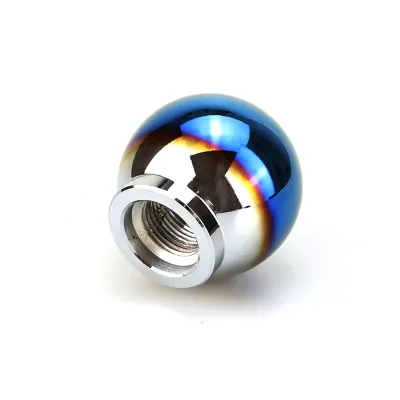
The three most common attachment styles are threaded connections, set screw (or grub screw) mechanisms, and clip-on or push-on designs. Threaded shifters feature male threads on the metal shaft that screw directly into female threads inside the shift knob. Set screw designs slide onto a smooth shaft and are secured by tightening small screws against the side of the metal rod. Clip-on or push-on designs use internal tension clips or plastic collars that snap into a groove on the shifter shaft.
Products mentioned in this guide
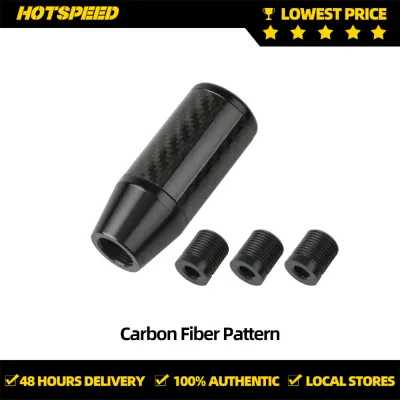
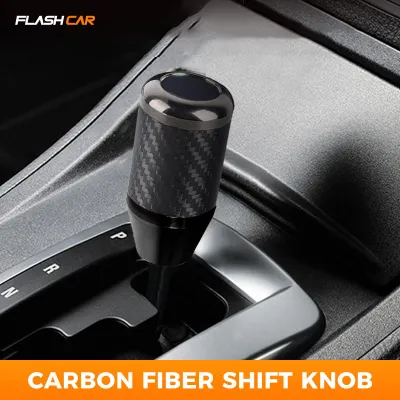
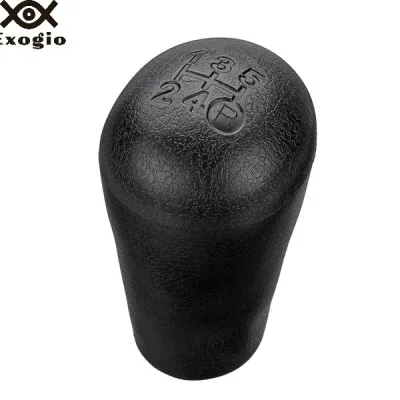
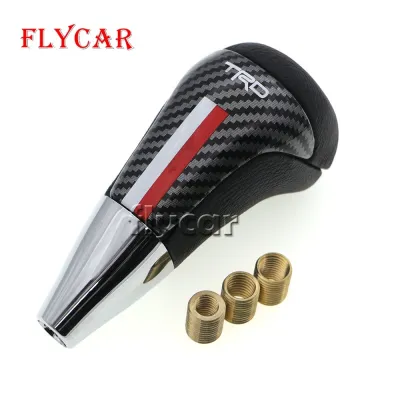
Prices are valid at publication and may change. Please refer to the product page for the latest price.
To identify your setup, visually inspect the base of the original shift knob. Look closely for small access holes, locking pins, or a collar that twists or pulls down. If you see a small hex screw near the bottom of the knob, it is a set screw design. If there are no visible fasteners, the knob may simply unscrew counterclockwise, or it might be a push-on type.
Confirming this attachment type is critical before applying any force. Attempting to forcefully twist a non-threaded, clip-on shift knob can easily bend or damage the transmission linkage, leading to costly repairs. Always verify the mechanism before attempting removal.
Measure Thread Diameter and Pitch Accurately
If you have confirmed that your gear shifter uses a threaded connection, you need to determine the exact thread size. Thread sizes are typically designated by a metric standard, such as M10 x 1.25, where “M10” represents the outer diameter in millimeters and “1.25” represents the thread pitch.

To measure the thread diameter, use a digital or vernier caliper. Place the jaws of the caliper across the outermost ridges (the major diameter) of the shifter shaft’s threads. Ensure the caliper is held perpendicular to the shaft to get an accurate reading. A measurement close to 10 mm indicates an M10 thread, while a measurement near 12 mm indicates an M12 thread.
Next, you must determine the thread pitch, which is the distance between adjacent thread crests. The most accurate way to do this is with a thread pitch gauge, a tool containing several small metal leaves with teeth matching different pitches. Try fitting different leaves against the threads until you find one that seats perfectly into the grooves without any gaps. If you do not have a pitch gauge, you can hold a ruler against the threads and count the number of thread peaks within a specific distance, though this method is more prone to error.
Take multiple measurements at different points along the threaded portion of the shaft. This helps account for minor wear, cross-threading, or manufacturing tolerances that might distort a single reading. Write down your measurements carefully before shopping.
Verify Specs Using Manufacturer Documentation
While physical measurement is highly reliable, cross-referencing your findings with official vehicle documentation provides an extra layer of security. This step helps prevent ordering errors caused by slight measurement inaccuracies.
Start by checking your vehicle’s owner’s manual, though thread specifications for interior accessories are not always listed. If the manual lacks this information, contacting the parts department of an authorized local dealership is an excellent alternative. By providing your vehicle identification number (VIN), the parts specialist can often look up the exact specifications of the factory shifter shaft.
When browsing online automotive stores or official brand websites, cross-reference your measured dimensions with the product descriptions. Many aftermarket manufacturers provide compatibility charts. However, treat these charts as secondary guides and prioritize your physical measurements and official parts data, as aftermarket listings can sometimes contain errors.
Be particularly careful to verify whether specifications differ between automatic and manual transmission variants of the same vehicle model. In many cars, the automatic shifter uses a completely different shaft diameter, thread pitch, or attachment mechanism compared to the manual version. Never assume a shift knob listed for your car model fits both transmission types.
Evaluate Adapters and Installation Safety
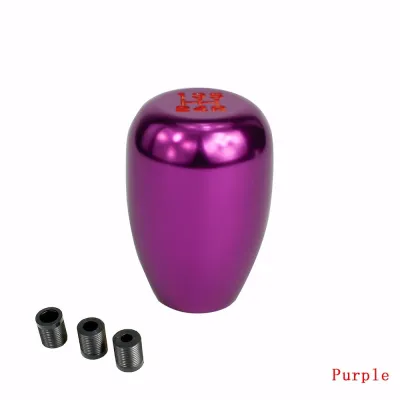
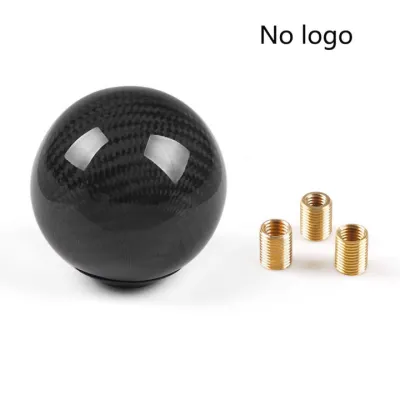
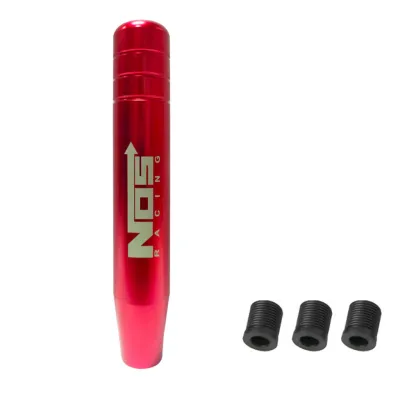
Many aftermarket shift knobs are sold with a set of plastic or metal thread adapters to accommodate various shaft sizes. While these adapters offer flexibility, they introduce specific installation and safety considerations that you must evaluate before driving.
Thread adapters inherently increase the overall height of the shift knob assembly, which can alter the leverage and throw of your gear shifts. If you use adapters, ensure they are made of durable materials like brass or aluminum rather than soft plastics, which can strip easily under the heat and humidity of tropical driving conditions. A loose or stripped adapter can cause the shift knob to spin or come off in your hand during a gear change, creating a serious safety hazard.
When installing a threaded shift knob, avoid overtightening. Applying excessive torque can strip the threads on the shifter shaft or crack the internal core of the new shift knob, especially if the knob is made of wood, acrylic, or soft plastic. Tighten the knob until it is snug and properly aligned, but do not force it past its natural stopping point.
If your aftermarket shift knob uses set screws, ensure they tighten against a flat spot on the shifter shaft if one is present. If the shaft is completely round, use a protective rubber or plastic insert to avoid scoring or gouging the metal. Loose set screws can back out over time due to road vibrations, so check them periodically to ensure the knob remains firmly secured. For any complex installation or if you are unsure of your vehicle’s specific requirements, consult a qualified automotive technician.
Frequently Asked Questions (FAQ)
Can I use a universal shift knob on any car?
No, universal shift knobs do not fit every vehicle. These products typically rely on plastic adapters or rubber sleeves secured by set screws to accommodate different shaft diameters. While they can work on many standard threaded or smooth shafts, they often fail to fit vehicles with reverse lockout collars (common on many manual transmissions) or automatic shifters with integrated button mechanisms. Additionally, universal setups may not provide the same secure, long-term fit as a direct-thread knob, potentially loosening over time under regular shifting forces.
What should I do if my shift knob is stuck and won't unscrew?
If the factory shift knob does not turn with moderate hand pressure, stop immediately to avoid damaging the shifter assembly or transmission linkage. Re-inspect the base of the knob to ensure you have not missed a hidden set screw, retaining clip, or locking collar. In some vehicles, thread-locking compound is applied at the factory, which requires controlled heat or specialized tools to break loose. If the knob remains seized, consult a qualified automotive technician to have it safely removed without bending the shifter shaft.

Community discussion
Share your experience or ask a question. Comments are reviewed before publication.