
Riding a motorcycle in tropical climates requires a delicate balance between staying visible to other motorists and preventing heat exhaustion. A standard high-visibility vest often relies on solid, heavy polyester panels that trap body heat and block wind, turning a daily commute into a stifling experience. To stay cool without sacrificing safety, the key is to select a motorcycle reflectorize vest that utilizes high-airflow mesh as the primary fabric while strategically placing retroreflective strips to maintain 360-degree visibility. By focusing on open-weave materials, adjustable side straps, and certified reflective elements, you can ride comfortably through intense afternoon heat and sudden tropical downpours alike.
Understanding the Trade-Off: Breathability vs. Visibility
Solid fabrics are highly effective at displaying bright fluorescent colors during the day, but they act as a wind barrier. When you ride, the air needs to pass through your gear to evaporate sweat and cool your skin. In high-humidity environments, sweat does not evaporate easily, and trapping it against your body can lead to rapid overheating, fatigue, and loss of concentration.
Reflective materials themselves are typically solid, non-porous plastics or vinyls that do not allow air to pass through. A vest covered in massive solid reflective panels will inevitably block wind from reaching your chest and back. This creates a direct conflict between maximizing the surface area of reflective material and maximizing the volume of cooling airflow.
Products mentioned in this guide
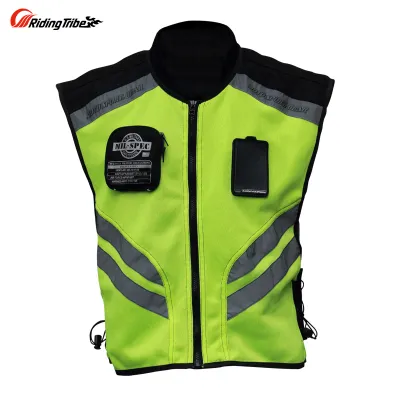
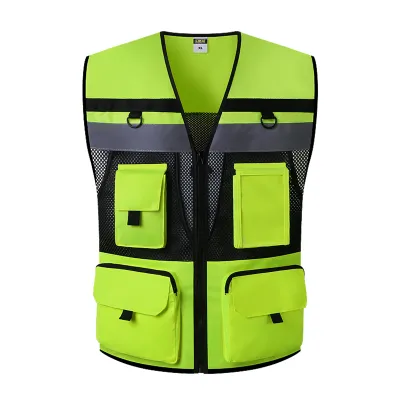
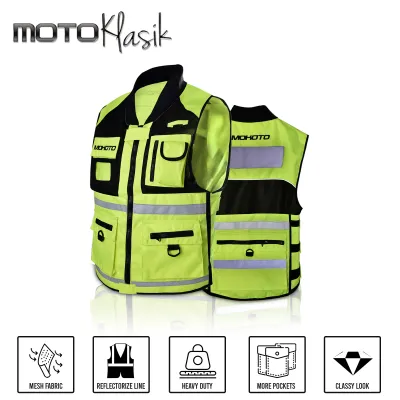
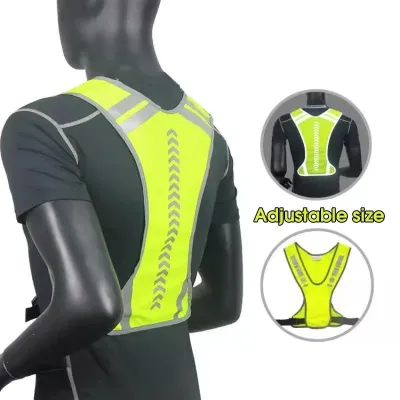
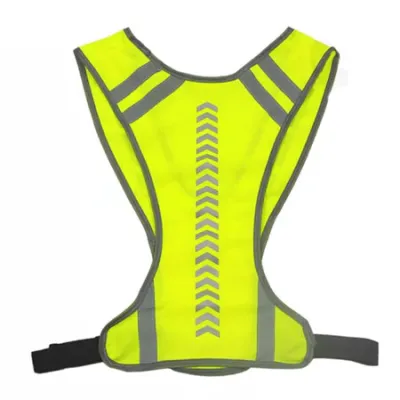
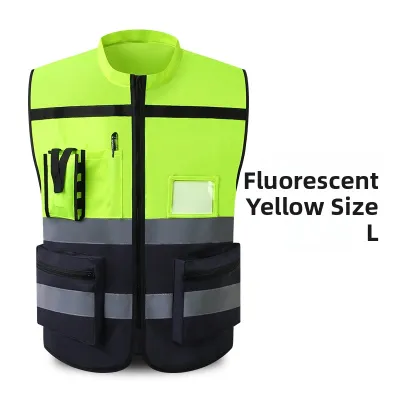
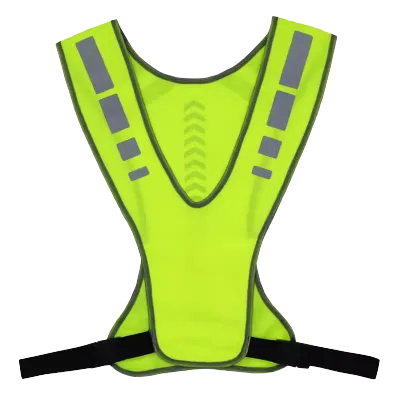
Prices are valid at publication and may change. Please refer to the product page for the latest price.
To resolve this conflict, modern riding gear relies on a combination of wide-mesh panels and narrow, highly efficient reflective strips or piping. Instead of a solid sheet of reflective material, several thin strips placed across the shoulders, chest, and back can provide the same level of nighttime visibility. This design allows the surrounding mesh fabric to remain completely open to oncoming wind, keeping your core temperature down during slow-moving traffic or long highway stretches.
Key Features to Look for in a Hot-Weather Reflective Vest
When shopping for a motorcycle reflectorize vest, the construction of the mesh is your first line of defense against the heat. Look for heavy-duty polyester or nylon mesh with a wide, visible weave. The fabric should feel stiff and durable rather than soft and flimsy, as it needs to withstand the constant tug of wind resistance without tearing or sagging over time. Check the product specifications for terms like “ballistic mesh” or “high-tensile mesh,” which indicate a weave designed to resist snags from keys, zippers, or handlebar ends.

The placement of the reflective elements is just as critical as the mesh itself. To ensure you are visible from all angles, the reflective strips must be arranged in a 360-degree pattern. Look for vertical strips over the shoulders and horizontal bands across the lower back and chest. This configuration outlines the human shape to oncoming drivers, helping them recognize you as a motorcyclist rather than a stationary road sign. Opt for micro-prismatic or glass-bead reflective tapes that are heat-sealed or double-stitched onto the mesh in narrow bands, preserving the open areas of the vest for maximum ventilation.
Fit and adjustability play a major role in both comfort and safety at high speeds. A vest that is too loose will flap violently in the wind, which is not only distracting but can also cause the fabric to wear out prematurely. Conversely, a vest that is too tight will compress your underlying clothing, restricting the internal air circulation that keeps you cool. Look for vests featuring adjustable side straps, elastic tensioners, or hook-and-loop tabs. These features allow you to customize the fit over a light summer t-shirt or a fully armored riding jacket, ensuring the vest remains snug and quiet at highway speeds.
How to Verify Safety and Comfort Before You Buy
Before purchasing a vest from an online marketplace or a local motorcycle accessory shop, take the time to inspect the manufacturer’s labels and product documentation. Reliable safety gear should clearly state the materials used in both the base fabric and the reflective elements. Look for labels that specify the denier rating of the mesh—higher numbers generally indicate stronger, more abrasion-resistant fibers. Additionally, check if the reflective materials comply with recognized visibility standards, such as EN ISO 20471 or ANSI/ISEA 107, which verify that the retroreflective strips will actually bounce light back to headlights from a safe distance.
Physical inspection of the vest can reveal potential durability issues before you hit the road. Examine the reflective strips closely; they should be flexible and integrated smoothly into the fabric. Avoid vests where the reflective coating feels brittle, stiff, or shows signs of cracking when bent, as these materials will quickly degrade under intense tropical sunlight and repeated folding. The edges of the strips should be cleanly stitched or securely bonded to prevent peeling after exposure to wind and rain.
Pay close attention to the closure systems and seams. Heavy-duty plastic zippers are generally preferred over metal ones for hot-weather riding, as metal zippers can heat up under direct sunlight and cause discomfort. The zipper should glide smoothly without catching on the surrounding mesh. Inspect the inner seams for double-stitching and smooth finishes; rough or exposed seams can chafe against your neck or arms during long rides, especially when you are sweating.
Maintaining Your Reflective Vest in Humid Conditions
The combination of intense heat, high humidity, and physical exertion means your riding gear will inevitably absorb sweat and body oils. Over time, the salt and acids in sweat can break down the adhesive backing of reflective tapes, cause elastic side straps to lose their stretch, and clog the open pores of the mesh fabric. Regular maintenance is essential to preserve both the high-visibility properties and the structural integrity of your vest.
Always consult the manufacturer’s care label before cleaning your vest. As a general rule, hand washing in cool water with a mild, neutral detergent is a gentle method to clean delicate reflective materials. Avoid harsh chemical cleaners, bleach, or fabric softeners, as these can strip away the microscopic glass beads or micro-prisms that make the reflective tape work. Do not scrub the reflective strips directly with abrasive brushes; instead, gently wipe them with a soft microfiber cloth to remove road grime, dust, and insect residue.
Proper drying and storage are critical in preventing the growth of mold and mildew, which thrive in warm, humid climates. Never wring out the vest or place it in a mechanical dryer, as the heat and friction can crack the reflective elements and warp the mesh. Instead, hang the vest on a wide, padded hanger in a well-ventilated indoor area away from direct sunlight. Once completely dry, store it in a cool, dry closet rather than leaving it crumpled inside a motorcycle top box or under-seat compartment, where trapped moisture can quickly ruin the fabric.
Frequently Asked Questions (FAQ)
Can I wear a reflective vest over a regular t-shirt instead of a riding jacket?
While a reflective vest significantly improves your visibility to other motorists, it does not provide impact or abrasion protection. Wearing a vest over a regular t-shirt leaves your skin completely exposed to severe road rash and joint injuries in the event of a slide or fall. For proper safety, a reflective vest should be worn over a dedicated mesh riding jacket that contains certified armor at the elbows, shoulders, and back. If you must ride in extreme heat, choose a highly ventilated mesh jacket and layer the reflective vest over it to combine impact protection with high visibility.
Does the color of the mesh fabric affect visibility at night?
At night, the color of the base mesh fabric has very little impact on your visibility because there is no ambient sunlight to illuminate fluorescent colors. Instead, your safety relies almost entirely on the retroreflective strips, which bounce light from oncoming headlights back to the driver. However, the color of the mesh fabric is highly important for daytime and twilight riding. Fluorescent yellow, green, or orange mesh fabrics provide excellent contrast against dark asphalt and urban backgrounds during the day, making you much easier to spot before the sun goes down.

Community discussion
Share your experience or ask a question. Comments are reviewed before publication.