
Choosing an aftermarket car gear shifter knob is one of the most immediate ways to personalize your driving experience. It serves as your primary physical interface with your vehicle’s transmission, meaning your choice directly influences your daily comfort, shift precision, and cabin design. To select the right knob, you must balance three core pillars: mechanical compatibility, physical weight and material, and interior style.
Crucially, you must prioritize mechanical safety over aesthetics. While manual transmissions offer relatively straightforward screw-on compatibility, automatic transmission vehicles often feature complex electronic switches or mechanical safety locks. Selecting a replacement that fails to support these safety mechanisms can lead to severe operational risks, making compatibility verification the absolute first step in your buying journey.
Verify Transmission Type and Fitment First
Before evaluating materials or styling options, you must establish whether a replacement knob is mechanically compatible with your vehicle’s specific shifter assembly. Never assume a product will fit based solely on a broad category description; instead, verify your vehicle’s model, year, interface dimensions, and mounting positions using the manufacturer’s official documentation.
Products mentioned in this guide
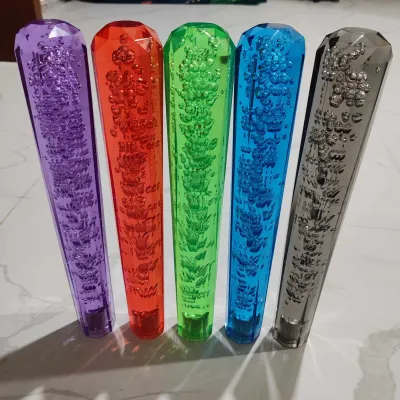
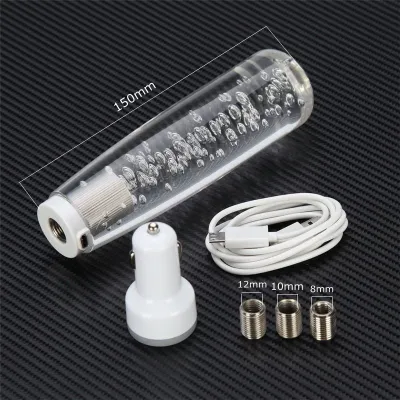
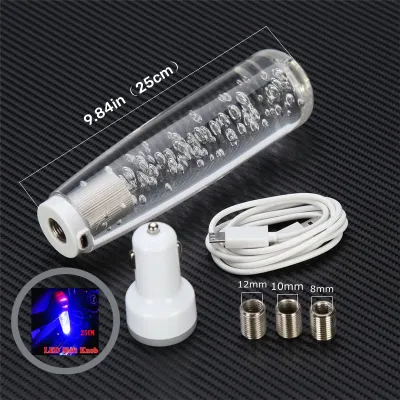
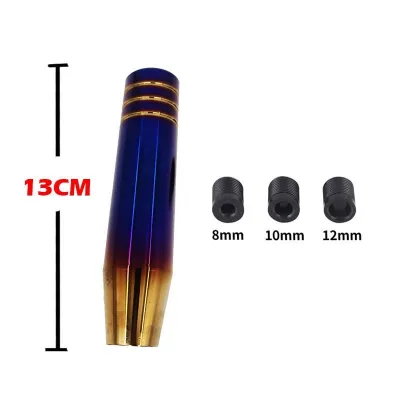


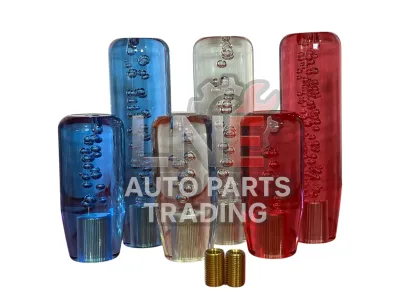
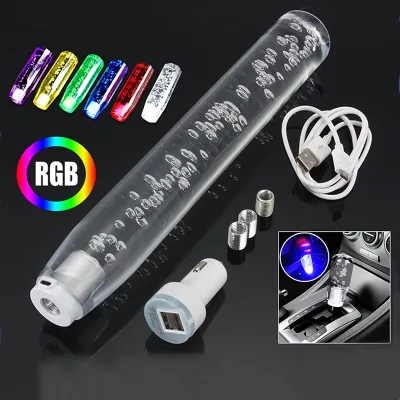
Prices are valid at publication and may change. Please refer to the product page for the latest price.
Manual vs. Automatic Transmissions
Manual transmissions typically use a simple threaded shaft where the shift knob screws directly onto the lever. In contrast, automatic transmissions are significantly more complex. Many modern automatics feature a gated shifter or an integrated push-button shift-lock mechanism. This button prevents the driver from accidentally shifting into Reverse or Park while the vehicle is in motion, or shifting out of Park without depressing the brake pedal. If your automatic shifter has a factory button, any aftermarket replacement must feature a compatible mechanical actuator to preserve this safety function.
Thread Pitch and Adapters
For threaded manual shifters, you must match the exact thread diameter and pitch of your factory shifter rod. Common thread sizes vary widely by manufacturer:
- Toyota, Subaru, and Lexus: Typically use M12 x 1.25 threads.
- Honda and Acura: Typically use M10 x 1.5 threads.
- Nissan, Mazda, and Mitsubishi: Typically use M10 x 1.25 threads.
To identify your vehicle’s thread size, check your owner’s manual or use a thread pitch gauge on the exposed shifter rod. Many aftermarket knobs are universal and come with a set of plastic or metal threaded adapter sleeves. When using these adapters, always select the exact fit for your shaft. Avoid improvised solutions such as wrapping the threads in Teflon tape, electrical tape, or applying hot glue to force a mismatched knob onto the shaft. These temporary fixes can easily fail under shifting pressure, causing the knob to detach mid-drive and leaving you unable to safely control your gear selection.
Automatic Safety Locks
If you drive an automatic vehicle with a shift-lock release button, replacing the factory knob with a non-button aftermarket alternative is highly dangerous. Bypassing or disabling the shift-lock mechanism compromises the vehicle’s safety interlock system, allowing the transmission to be bumped into gear accidentally. Before purchasing any aftermarket gear shifter knob for an automatic car, verify that the product is explicitly designed to retain the factory safety button functionality. If the installation instructions or compatibility charts are unclear, consult a qualified automotive technician before proceeding.
How Material and Weight Change Your Driving Feel
The physical properties of a gear shifter knob alter how gear changes feel in your hand. By selecting a specific weight and material, you can tune the shifting action to match your driving preferences and local environmental conditions.

Weighted vs. Unweighted Knobs
Weighted shift knobs, which typically range from 200 to over 500 grams, are usually constructed with a heavy brass or stainless steel core. The physics behind a weighted knob relies on kinetic momentum. The added mass acts as a counterweight, helping the shifter glide smoothly into gear with minimal physical effort. This is highly beneficial for manual transmissions with stiff, mechanical, or notch-heavy shift linkages, as the weight absorbs much of the resistance.
Conversely, lightweight or unweighted knobs (often under 100 grams, made of aluminum, thin plastics, or carbon fiber) provide raw, unassisted mechanical feedback. You will feel every click, notch, and vibration of the synchronizers through the lever. This setup is favored by track drivers who prioritize highly precise, tactile feedback and want to execute rapid shifts without any added momentum masking the transmission’s state.
Material Characteristics and Climate Considerations
In the tropical climate of the Philippines, cabin temperatures can rise rapidly when a vehicle is parked under direct sunlight, often exceeding 60°C. The material you choose determines how comfortable the knob will be to hold during your daily drive:
- Aluminum and Metal: Polished or anodized billet aluminum knobs are highly durable and offer a solid, mechanical feel. However, bare metal has high thermal conductivity. In hot tropical weather, a metal knob can become painfully hot to the touch after parking in the sun. Conversely, it can feel uncomfortably cold when the air conditioning is running at full strength.
- Leather and Alcantara: These materials offer excellent grip, natural breathability, and superior thermal insulation, remaining comfortable to hold regardless of cabin temperature. However, high humidity can cause leather to degrade or develop mold if not periodically cleaned and conditioned. Alcantara provides exceptional grip but absorbs sweat and skin oils, requiring regular maintenance with label-authorized fabric cleaners to prevent the fibers from matting down and becoming slick.
- Carbon Fiber: Real carbon fiber offers a high-strength, modern, and motorsport-inspired aesthetic. It does not retain heat as intensely as solid metal, but cheap clear-coated carbon fiber replicas can yellow, crack, or delaminate under prolonged UV exposure. High-quality, UV-resistant carbon fiber is essential for longevity.
- Wood and Polished Resin: Wood knobs, often crafted from mahogany, walnut, or rosewood, provide a classic look and exceptional temperature stability. They do not get uncomfortably hot or cold and offer a smooth, organic feel. Polished acrylic or resin knobs (such as classic cue-ball designs) are similarly temperature-stable, though they can become slightly slippery if your hands are sweaty.
Match the Shift Knob to Your Interior Aesthetic
Your gear shifter knob should visually complement your vehicle’s existing cabin design. A mismatch in style can make the upgrade look out of place.
Performance and JDM Styling
If you want a sporty, track-inspired cabin, look for teardrop, cylindrical, or tall baton-style knobs. These are often finished in raw brushed titanium, anodized aluminum, or weave-patterned carbon fiber. They pair naturally with sporty bucket seats, contrast stitching, and metal pedal covers, evoking a Japanese Domestic Market (JDM) or motorsport aesthetic.
OEM+ and Modern Styling
For a clean, integrated look that appears as though it came directly from the factory, opt for the “OEM+” style. This involves selecting a knob that matches your car’s existing cabin materials. For example, if your steering wheel and seats feature black leather with red contrast stitching, choose a leather-wrapped shift knob with matching red stitching. If your luxury sedan features wood dashboard inlays, a matching polished wood shift knob will create a cohesive, premium atmosphere.
Classic and Vintage Styling
Vintage sports cars, retro off-roaders, and classic restorations benefit from traditional shapes. A simple, spherical cue-ball knob in glossy white, black, or cream matches vintage interiors perfectly. Alternatively, a T-handle knob or a polished teardrop wood knob with a chrome base ring preserves the historical accuracy and visual warmth of a classic cabin.
Shift Boot Integration
When replacing your shift knob, pay close attention to the shift boot (or gaiter). Factory knobs often snap directly into the top collar of the shift boot. Removing the original knob can leave the boot sagging, exposing the unsightly metal shifter rod underneath. To prevent this, look for aftermarket knobs that include a built-in shift boot retainer, or purchase a separate shift boot collar adapter to keep the fabric neatly secured to the base of your new knob.
Recommended Shift Knob Profiles by Driver Type
To help guide your purchase, here are three recommended shift knob profiles tailored to different driving styles and environments.
For the Track and Performance Driver
- Recommended Profile: Lightweight (under 150 grams), spherical or cylindrical shape, finished in Alcantara, textured carbon fiber, or knurled aluminum.
- Why it Works: This profile maximizes mechanical feedback, allowing you to feel exactly when the gear engages. The textured surfaces prevent your hand from slipping during aggressive driving or high-G cornering, even if you are wearing driving gloves.
- Limitations: The lightweight design will not smooth out a notch-heavy transmission, meaning shifting will require more physical effort. Knurled metal can feel abrasive during long commutes, and Alcantara requires frequent cleaning to maintain its texture.
For the Daily Commuter and Comfort Seeker
- Recommended Profile: Medium-to-heavy weight (300 to 450 grams), ergonomically contoured teardrop or anatomical shape, wrapped in premium genuine leather or finished in polished hardwood.
- Why it Works: The added weight makes shifting smooth and effortless, reducing physical fatigue during stop-and-go city traffic. Leather and wood remain highly comfortable to touch, even after your car has been parked under the hot sun.
- Limitations: The weighted core dampens transmission feedback, which may feel less engaging to performance purists. Leather wraps will eventually show wear and oil buildup from daily skin contact if not maintained.
For the Classic and Vintage Car Owner
- Recommended Profile: Spherical cue-ball shape or polished wooden baton with a chrome accent collar.
- Why it Works: This style maintains the period-correct aesthetic of your classic vehicle, matching vintage wood-rimmed steering wheels or classic chrome interior trim while offering a simple, comfortable grip.
- Limitations: Polished wood and smooth resin can become slippery in high humidity if your hands are sweaty. These traditional shapes lack modern ergonomic finger grooves, which some drivers prefer for long-distance comfort.
Installation and Safety Checks Before You Drive
Before performing any modification or disassembly on your vehicle’s interior controls, always consult your vehicle’s factory service manual and the aftermarket product’s official instructions. If your vehicle features a complex electronic shifter, aftermarket physical knob replacements may not be compatible or safe. When in doubt, seek the assistance of a qualified automotive technician.
Preparation
- Park your vehicle on a flat, level surface.
- Engage the parking brake fully to prevent any accidental rolling.
- For manual vehicles, place the transmission into first gear (or Reverse) to lock the drivetrain. For automatic vehicles, ensure the lever is securely locked in Park.
General Installation Steps
- Remove the Factory Knob: For most manual cars, unscrew the knob counterclockwise. If it does not rotate, check for a hidden set screw near the base using an Allen key, or check if the boot collar must be unclipped first. Never force the knob, as you could bend the shifter linkage.
- Select the Correct Adapter: If using a universal knob, test-fit the provided adapter sleeves on the threaded shaft. Select the one that matches your thread pitch perfectly.
- Mount the New Knob: Thread the new knob (or its adapter) onto the shaft clockwise. Hand-tighten it firmly. Avoid using heavy tools like pliers or wrenches to over-tighten, as you can easily strip plastic threads or crack brass adapters.
- Secure the Shift Boot: Clip or screw the shift boot collar to the base of the new knob to ensure there is no exposed gap.
Post-Installation Safety Verification
Before starting the engine or driving, perform these critical safety checks:
- Manual Transmissions: With the engine off, fully depress the clutch pedal and cycle through every gear, including Reverse. Verify that the knob does not hit any part of the center console, dashboard, or handbrake. Ensure the shift boot does not pull too tight or restrict the shifter's movement in any gear.
- Automatic Transmissions: Verify that the shift-lock release button operates smoothly without binding. Confirm that you cannot shift out of Park unless the brake pedal is fully depressed. Finally, ensure that the vehicle cannot be turned off or the key removed from the ignition unless the shifter is fully locked in the Park position.
If the shift mechanism feels loose, obstructed, or if any of the safety interlocks fail to engage perfectly, do not drive the vehicle. Reinstall your factory gear shifter knob and consult a professional mechanic immediately to resolve the issue.

Community discussion
Share your experience or ask a question. Comments are reviewed before publication.