
Finding a classic motorcycle helmet that blends retro aesthetics with modern safety standards is a top priority for riders navigating Philippine roads. Whether you cruise through the busy streets of Metro Manila or take weekend rides along scenic provincial highways, your gear must offer genuine protection alongside its vintage style. Balancing your budget with certified safety marks ensures you do not compromise on head protection while achieving that timeless look.
Navigating the market for classic helmets requires understanding how local safety standards interact with various price points. From budget-friendly options to premium investments, the market offers a wide range of choices. However, a classic design should never come at the expense of structural integrity. By focusing on verified certifications and understanding what each price tier offers, you can make an informed decision that keeps you safe and stylish on every journey.
Understanding Helmet Safety Certifications in the Philippines
Riding in the Philippines requires adherence to strict safety regulations established to protect motorcyclists on public roads. The primary authority governing these standards is the Bureau of Philippine Standards (BPS), an agency under the Department of Trade and Industry (DTI). The BPS is responsible for testing and certifying that helmets sold in the local market meet the necessary impact absorption and structural requirements.
Products mentioned in this guide
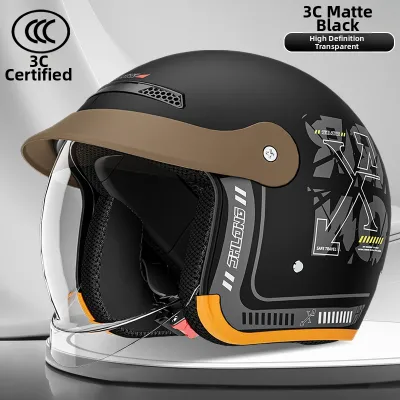
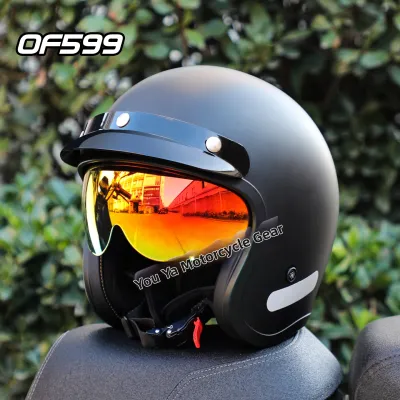
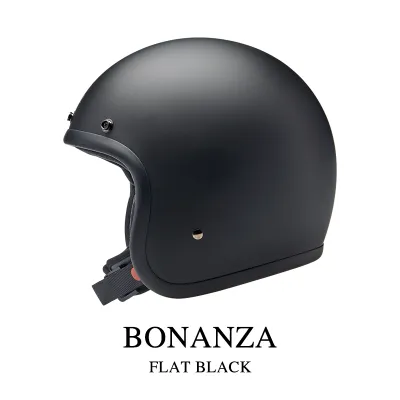
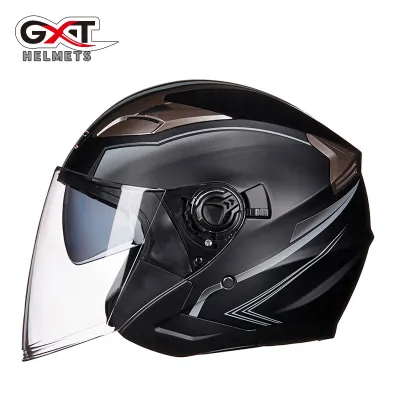
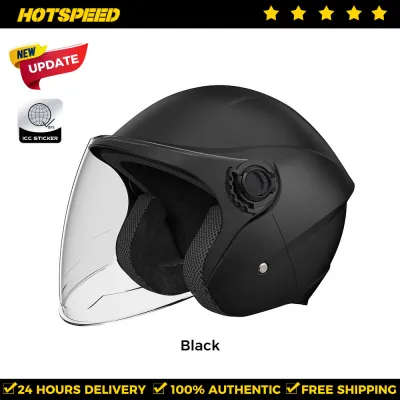
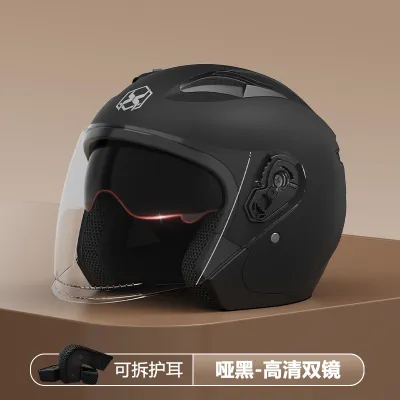
Prices are valid at publication and may change. Please refer to the product page for the latest price.
For imported helmets, which constitute a significant portion of the classic helmet market, the mandatory mark of compliance is the Import Commodity Clearance (ICC) sticker. This sticker, complete with a unique serial number and a holographic security feature, indicates that the specific batch of helmets has undergone rigorous testing and meets Philippine National Standards (PNS). For locally manufactured helmets, the Product Certification Scheme (PS) mark serves a similar purpose, demonstrating consistent quality control and compliance.
While local certifications are mandatory, many classic-style helmets also carry international safety ratings. The most common standards you will encounter are the Department of Transportation (DOT) standard from the United States and the Economic Commission for Europe (ECE) standard, particularly the newer ECE 22.06 certification. These international marks indicate that the helmet has passed stringent testing protocols, including impact attenuation, penetration resistance, and retention system strength. However, even if a helmet carries a prestigious international rating, it must still possess the official ICC or PS mark to be fully compliant with Philippine road laws.
To protect yourself from counterfeit or substandard gear, it is essential to perform visual checks on any helmet you intend to purchase. Authentic ICC stickers are typically applied to the rear of the helmet and feature a distinct hologram that shifts color when tilted under light. The serial number printed on the sticker should be clear, legible, and verifiable through official DTI databases or verification apps. Be wary of helmets where the sticker appears poorly printed, easily peelable, or lacks the holographic depth of genuine government-issued marks.
Additionally, legitimate certified helmets will feature permanent interior labeling. This labeling includes the manufacturer’s name, model designation, size, date of manufacture, and the specific safety standards the helmet meets. If a seller offers a classic helmet with a loose sticker or missing interior labels, it is highly advisable to look elsewhere. Investing in a verified, certified helmet is the single most important step you can take to ensure your safety on the road.
What to Expect from Classic Helmets at Different Price Points
When shopping for a classic helmet in the Philippines, understanding what your budget can buy helps set realistic expectations. The market is generally divided into three distinct tiers: entry-level, mid-range, and premium. Each tier offers a different balance of materials, comfort features, and aesthetic finishes, though all must meet the baseline safety certifications to be road-legal.

As you move up the price ladder, the differences lie primarily in weight reduction, interior material quality, and long-term durability. While a budget helmet will protect your head in an impact, a premium helmet often does so with less strain on your neck and a more comfortable interior. Recognizing these distinctions allows you to prioritize the features that matter most for your daily commute or leisure rides.
Entry-Level Options (Under ₱3,000)
For riders on a tight budget or those looking for a secondary helmet, the entry-level tier under ₱3,000 offers accessible classic styling. Helmets in this price range are almost exclusively constructed from Acrylonitrile Butadiene Styrene (ABS) thermoplastic. While ABS is a durable material capable of dispersing impact energy effectively, it is inherently heavier than advanced composites, meaning entry-level helmets may feel more substantial on your neck during long rides.
The interior of an entry-level classic helmet typically features standard foam padding covered by basic synthetic fabrics. While functional, these liners may not offer advanced moisture-wicking properties, which can lead to a warmer riding experience in the humid Philippine climate. Additionally, the padding in this tier is often non-removable, making regular cleaning more challenging and potentially reducing the hygienic lifespan of the helmet.
Common trade-offs at this price point also include simpler ventilation systems and basic retention mechanisms, such as micrometric plastic buckles. Ventilation in classic entry-level designs is often minimal, relying on a few small brow vents or none at all to preserve the retro look. Visor mechanisms, if included, tend to be basic friction-based systems that may loosen over time, requiring occasional adjustment to stay securely in place.
Mid-Range Selections (₱3,000 to ₱8,000)
Stepping up to the mid-range tier between ₱3,000 and ₱8,000 introduces significant improvements in comfort, material quality, and overall refinement. In this segment, you begin to see fiberglass composite shells or highly refined polycarbonate blends. These materials offer excellent impact resistance while noticeably reducing the overall weight of the helmet, making them much more comfortable for daily commuting.
One of the most significant upgrades in mid-range classic helmets is the quality of the interior liner. Manufacturers in this tier often use multi-density Expanded Polystyrene (EPS) liners for better energy absorption, paired with removable, washable, and moisture-wicking interior fabrics. This is a crucial feature for riding in tropical conditions, as it allows you to wash out sweat and road grime, keeping the helmet fresh and extending its usable life.
Mid-range options also tend to offer better practical features without sacrificing the vintage aesthetic. You will frequently find helmets equipped with integrated, drop-down sun visors that slide neatly inside the shell, protecting your eyes from the intense Philippine sun. Face shields in this category generally feature better optical clarity, scratch-resistant coatings, and tighter seals against wind and rain, reducing wind noise and water intrusion during sudden downpours.
Premium Investments (Above ₱8,000)
For riders seeking the highest level of craftsmanship, advanced materials, and superior comfort, the premium tier above ₱8,000 represents a long-term investment. Helmets in this category often utilize advanced outer shells made from carbon fiber, Kevlar, or complex multi-axial fiberglass weaves. These materials provide exceptional structural strength while keeping the helmet incredibly lightweight, minimizing rider fatigue during extended touring.
The interior of a premium classic helmet is where craftsmanship truly shines, often featuring genuine leather, suede, or high-end anti-bacterial fabrics. The stitching is precise, and the contouring is designed to provide a plush, custom-feeling fit that adapts to your facial structure over time. Retention systems in this tier almost exclusively use double D-ring closures, which are widely regarded as the most secure and reliable fastening method available.
In addition to superior materials, premium classic helmets offer advanced engineering in areas like noise reduction and optical clarity. The visors are often Class 1 optics, preventing distortion and reducing eye strain during long hours on the road. Many premium retro helmets also feature dedicated speaker pockets and routing channels for Bluetooth communication systems, allowing you to stay connected without compromising the helmet’s interior comfort or safety structure.
Key Features to Evaluate in a Classic-Style Helmet
Choosing the right classic helmet involves looking beyond the price tag and examining the specific design elements that affect daily usability. Because retro designs often prioritize clean lines and vintage silhouettes, some modern conveniences may be modified or omitted. Understanding these design choices helps you select a helmet that matches your riding habits and comfort preferences.
Visor configurations are a primary consideration when selecting a classic helmet. You can choose between bubble shields, flat shields, or open-face setups that require separate goggles. Bubble shields offer a distinct vintage look and provide excellent peripheral vision, but they can catch more wind at high speeds. Flat shields offer a more streamlined profile and better aerodynamic stability, while open-face helmets paired with riding goggles provide maximum airflow but offer less protection from wind, dust, and rain.
Ventilation is another critical factor, especially in the hot and humid climate of the Philippines. Classic helmets often feature minimalist ventilation systems to maintain their retro appearance, which can result in less airflow compared to modern sport helmets. When evaluating a classic helmet, look for subtle ventilation channels, such as small chin bar vents or rear exhaust ports, that help draw warm air away from your head without disrupting the helmet’s clean lines.
The interior shape profile of the helmet is fundamental to long-ride comfort and safety. Helmets are generally designed around three main head shapes: round oval, intermediate oval, and long oval. Most riders in the Philippines find that an intermediate oval profile fits best, but it is essential to try on different brands to identify which shape matches your head. A mismatch in shape can lead to painful pressure points on your forehead or temples, turning an otherwise excellent helmet into an uncomfortable distraction.
Fitment and Pre-Purchase Inspection Checklist
Before finalizing your purchase of a classic helmet, performing a thorough fitment check and physical inspection is essential to ensure maximum protection and value. A helmet that does not fit correctly cannot perform its job effectively in an accident, regardless of its certifications or price point. Taking the time to verify the fit and condition of the helmet before leaving the store is a critical safety step.
To find your correct size, start by measuring your head circumference using a flexible measuring tape. Wrap the tape around your head, positioning it about one inch above your eyebrows and just above your ears, taking the measurement at the widest part of your skull. Compare this measurement to the manufacturer’s specific size chart, as sizing can vary significantly between different brands and models.
Once you have the helmet on, perform a physical fit test to identify any potential issues. The helmet should fit snugly around your entire head, with the cheek pads pressing firmly against your cheeks without causing pain. Try shaking your head from side to side and nodding up and down; the helmet should move with your skin rather than sliding independently. Keep the helmet on for at least ten to fifteen minutes in the store to check for any slow-developing pressure points, particularly on your forehead or the back of your skull.
Next, inspect the manufacturing date, which is typically printed on a white label located under the comfort liner or on the chin strap. The Expanded Polystyrene (EPS) liner inside a helmet naturally degrades over time, even when sitting unused on a retail shelf. It is generally recommended to purchase a helmet that was manufactured within the last year or two to ensure you get the full five-year usable lifespan from the date of purchase.
Finally, examine the retention system and overall build quality of the helmet. Fasten the chin strap and ensure the buckle or D-ring operates smoothly and locks securely into place. Give the strap a firm tug to verify that the locking mechanism holds tight without slipping. Inspect the outer shell for any blemishes, hairline cracks, or loose trim, and ensure that any moving parts, such as visor hinges or ventilation sliders, operate smoothly and feel robust.
Frequently Asked Questions (FAQ)
Are open-face classic helmets legal for daily commuting in the Philippines?
Yes, open-face classic helmets are legal for daily commuting on Philippine roads, provided they carry the mandatory ICC or PS certification sticker issued by the Bureau of Philippine Standards. The Land Transportation Office (LTO) requires all motorcycle riders to wear certified protective helmets while operating a vehicle. However, if your open-face helmet does not feature a built-in visor or face shield, it is highly recommended—and in some jurisdictions, legally required—to wear separate protective eyewear, such as riding goggles or shatterproof glasses, to shield your eyes from wind, dust, and road debris.
How do I clean and maintain a classic helmet with leather accents?
Maintaining a classic helmet with leather or suede accents requires careful attention to preserve the materials without compromising the helmet’s safety structure. For the outer shell, use a soft microfiber cloth dampened with water and a mild, non-abrasive soap to wipe away dirt and bugs. Avoid using harsh chemical solvents, aerosol sprays, or petroleum-based cleaners, as these substances can degrade the outer shell material and damage the impact-absorbing EPS liner underneath. For the leather accents, apply a small amount of specialized leather cleaner and conditioner using a clean cloth, ensuring you do not saturate the material, and allow it to air dry naturally away from direct sunlight or high heat sources.

Community discussion
Share your experience or ask a question. Comments are reviewed before publication.