
Finding a retro classic helmet under ₱3,000 that balances vintage style with genuine head protection is a common challenge for budget-conscious riders. When your limit is under ₱3,000, the market is flooded with purely cosmetic “novelty” headgear that lacks actual impact resistance. This guide cuts through the noise, helping you identify legitimate safety certifications, understand the material trade-offs at this price point, and avoid dangerous counterfeits before you finalize your purchase.
Decoding Safety Certifications for Retro Helmets
To ensure your retro classic helmet is road-legal and capable of protecting your head during an impact, you must learn to identify legitimate safety marks. In the Philippines, the most critical local certification is the Import Commodity Clearance (ICC) sticker or the Philippine Standard (PS) mark. These holographic stickers are issued by the Bureau of Philippine Standards and are typically affixed to the rear of the helmet shell. When inspecting a helmet, look closely at the sticker; legitimate ICC stickers feature unique serial numbers and security patterns that are difficult to replicate.
In addition to local marks, reputable budget helmets often carry international safety certifications. The most common standards you will encounter are the United States Department of Transportation (DOT) standard and the Economic Commission for Europe (ECE) standard. A genuine DOT-certified helmet will have the letters “DOT” painted or permanently stickered on the back, often accompanied by the manufacturer’s name and the specific model designation. ECE certifications, particularly the ECE 22.05 or the newer ECE 22.06 standard, indicate that the helmet has undergone rigorous impact, penetration, and retention system testing.
Products mentioned in this guide
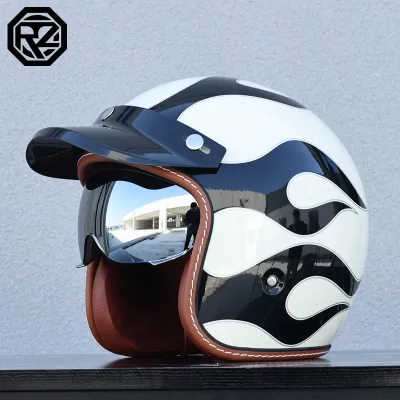
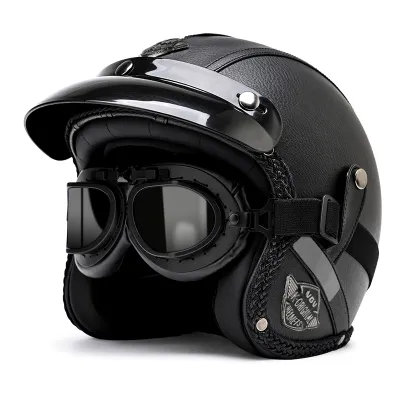
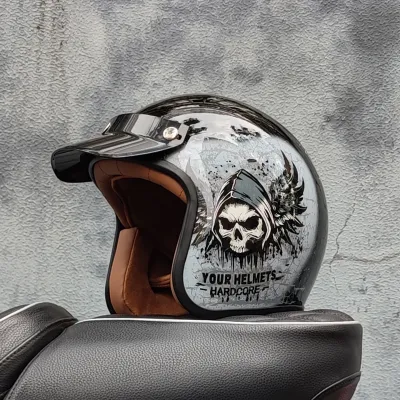
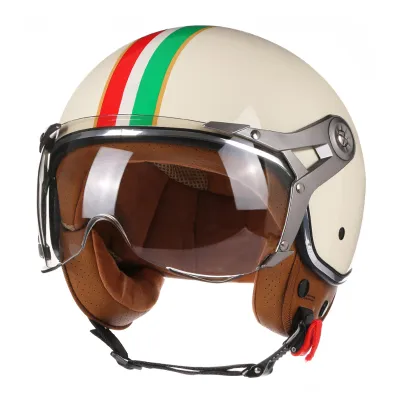
Prices are valid at publication and may change. Please refer to the product page for the latest price.
Do not rely solely on exterior stickers, as these can be easily faked or transferred from other helmets. Always check for permanent interior tags sewn directly into the comfort liner or the chin strap. These fabric labels must display the manufacturer’s name, the model name, the size, and the exact manufacturing date. If a helmet claims to be DOT or ECE certified but lacks these permanent interior tags, or if the information on the tag does not match the exterior shell, treat the helmet as uncertified.
Understanding the critical difference between tested impact protection and purely cosmetic “novelty” headgear is vital for your safety. Certified helmets are engineered with a thick layer of Expanded Polystyrene (EPS) designed to crush and absorb impact energy during a crash. Novelty helmets, on the other hand, often feature only a thin layer of soft comfort foam inside a flimsy plastic shell. These cosmetic helmets offer virtually zero protection against head trauma, even in low-speed urban falls.
What to Expect from a Retro Classic Helmet Under ₱3,000
When shopping for a retro classic helmet under the ₱3,000 mark, understanding the material limitations helps set realistic expectations. At this price point, helmet shells are almost exclusively constructed from Acrylonitrile Butadiene Styrene (ABS) or standard thermoplastic materials. While ABS is highly durable and offers reliable impact resistance, it is heavier than premium composite materials like fiberglass, Kevlar, or carbon fiber. A typical ABS retro helmet will feel slightly heavier on your neck during long rides, but it remains a safe and cost-effective choice for daily commuting.

The interior comfort liner is another area where budget constraints influence design. In a hot and humid tropical climate, sweat and oil buildup can quickly make a helmet interior unpleasant. Many entry-level retro helmets feature fixed comfort liners that cannot be removed for washing. If possible, prioritize helmets that offer removable and washable cheek pads and crown liners. This feature significantly extends the lifespan of your gear and helps maintain hygiene during daily rides in high humidity.
Visor configurations also vary widely in this price bracket. Some retro helmets feature a clean, open-face design with three metal snaps on the brow, allowing you to attach aftermarket bubble visors, peak visors, or vintage-style goggles. Other models come with integrated, drop-down sun shields that slide up into the shell when not in use. While integrated visors offer convenience, ensure the mechanism operates smoothly and does not compromise the thickness of the protective EPS liner in the forehead area.
Spotting "Toy" Helmets and Counterfeit Safety Labels
The popularity of vintage motorcycle culture has led to an influx of cheap, unregulated headgear designed solely for aesthetics. Spotting these “toy” helmets requires a keen eye for physical details. One of the most immediate red flags is a suspiciously lightweight shell. A certified open-face helmet typically weighs at least 1,000 to 1,200 grams, while a full-face retro helmet weighs even more. If a helmet feels as light as a toy or can be easily flexed by squeezing the sides with your hands, it lacks the structural rigidity and EPS liner thickness required to protect your skull.
Examine the retention system closely, as a helmet is only useful if it stays on your head during an accident. High-quality budget helmets use sturdy double D-ring systems or robust micrometric quick-release buckles made of metal or high-grade composite plastic. Flimsy plastic clips, thin chin straps that fray easily, or poorly stitched anchor points are clear indicators of a counterfeit or novelty product. The chin strap should be securely riveted to the metal tabs anchored deep within the helmet’s inner shell.
Be highly skeptical of online marketplace listings that use evasive language. Sellers of uncertified novelty helmets often include disclaimers in the fine print, such as “for cosmetic use only,” “not a safety device,” or “for novelty purposes.” Additionally, avoid listings that lack verifiable manufacturer details, physical importer addresses, or clear contact information. Purchasing from authorized local distributors or official brand stores on major ecommerce platforms is the safest way to ensure you are receiving a genuine, certified product.
Final Fit and Feature Checklist Before Checkout
Before finalizing your purchase, taking a few minutes to verify fitment and seller terms can save you from a costly mistake. Proper head measurement is the foundation of helmet safety. Use a flexible fabric measuring tape to measure the circumference of your head at its widest point, which is usually about 2.5 centimeters above your eyebrows and directly over your ears. Compare this measurement to the manufacturer’s specific sizing chart, as sizing standards can vary significantly between different brands.
In addition to size, consider your head shape. Most riders have an intermediate oval head shape, but some helmets are designed for round oval or long oval profiles. A poorly fitting helmet will create painful pressure points on your forehead or temples, or conversely, it may wobble at higher speeds. When you try on the helmet, it should fit snugly against your cheeks and forehead without causing pain, and it should not rotate or slide when you shake your head.
Evaluate the basic functional features of the helmet to ensure it suits your daily riding conditions. Check the ventilation ports; retro helmets often sacrifice airflow for a clean look, which can lead to fogging and extreme heat in tropical weather. Look for small, subtle vents near the brow or chin. If the helmet includes a visor, check the sealing mechanism to ensure it keeps out heavy rain during sudden downpours.
Finally, always verify the seller’s return and exchange policies before checking out. Because physical fit is highly subjective and crucial for safety, you must have the option to exchange the helmet for a different size if it does not fit perfectly upon delivery. Check if the product comes with a manufacturer’s warranty that covers structural defects, and ensure the seller is responsive to customer inquiries.
Frequently Asked Questions (FAQ)
Are open-face retro helmets as safe as full-face options?
Open-face retro helmets, also known as three-quarter helmets, do not offer the same level of protection as full-face models. While a certified open-face helmet provides excellent impact protection for the top, sides, and back of your head, it leaves your face, chin, and jaw completely exposed. Statistics show that a significant percentage of motorcycle helmet impacts occur in the chin and face area. If you choose an open-face design for its classic aesthetic, it is highly recommended to pair it with shatterproof riding goggles or a sturdy face shield to protect your eyes and face from road debris, wind, and insects.
Can I add an aftermarket visor to a certified budget retro helmet?
Yes, many budget retro helmets feature standard three-snap configurations on the brow designed specifically for aftermarket accessories like bubble shields or peak visors. However, you must ensure that any aftermarket accessory you install does not compromise your safety or field of vision. Avoid drilling holes, modifying the shell, or using adhesives that could degrade the thermoplastic material, as these unauthorized modifications will void the helmet’s safety certifications and potentially weaken its structural integrity. Always follow the manufacturer’s guidelines regarding compatible accessories and installation methods.

Community discussion
Share your experience or ask a question. Comments are reviewed before publication.