
Finding a reliable helmet motorcycle full face in the Philippines requires balancing your personal budget with uncompromising safety standards. With diverse road conditions, intense tropical heat, and heavy daily traffic, your helmet is the most critical piece of protective gear you will own. Fortunately, the local market offers a wide range of options across various price points, meaning you do not have to spend a fortune to protect your head. By understanding what each price tier offers and how to verify legitimate safety certifications, you can make an informed decision that keeps you both safe and financially comfortable on the road.
Setting Your Budget and Non-Negotiable Safety Standards
Before browsing online marketplaces or visiting physical motorcycle accessory shops, you must establish your maximum spend alongside a set of non-negotiable safety baselines. A helmet’s primary job is to absorb and dissipate impact energy during a collision, a task managed almost entirely by the internal expanded polystyrene (EPS) liner and the outer shell. Regardless of how much you plan to spend, the helmet must feature an intact, high-density EPS liner, a robust outer shell free of cracks, and a secure retention system like a double D-ring or a micro-metric buckle that stays locked under tension.
In the Philippines, road safety laws mandate that all motorcycle helmets carry official compliance markings. The Import Commodity Clearance (ICC) sticker or the Philippine Standard (PS) mark indicates that a helmet model has undergone local verification and meets national safety regulations. While these local marks are mandatory for road legality, you should also look for international certifications such as the United Nations Economic Commission for Europe (ECE) standard, particularly ECE 22.05 or the newer ECE 22.06, or the Department of Transportation (DOT) standard from the United States. These international certifications provide an extra layer of assurance regarding the helmet’s structural integrity under various impact scenarios.
Products mentioned in this guide
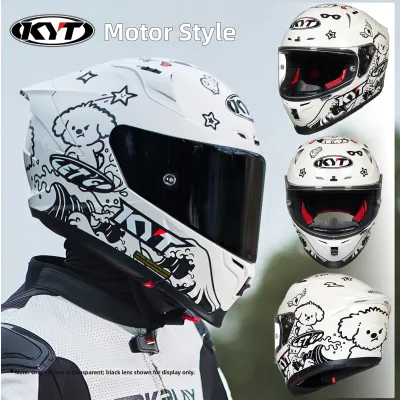
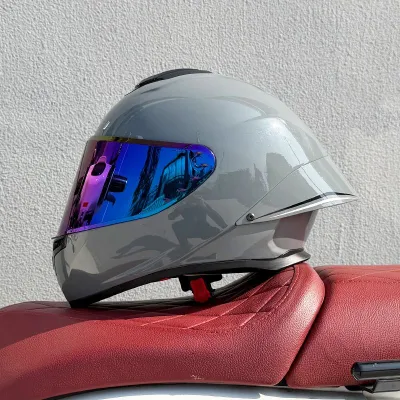
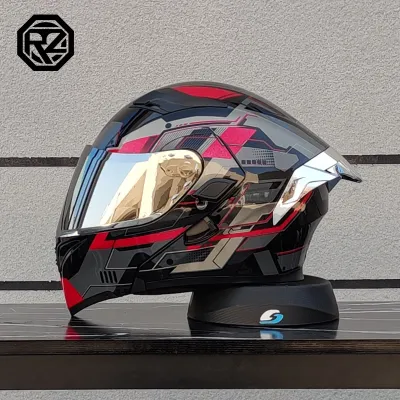
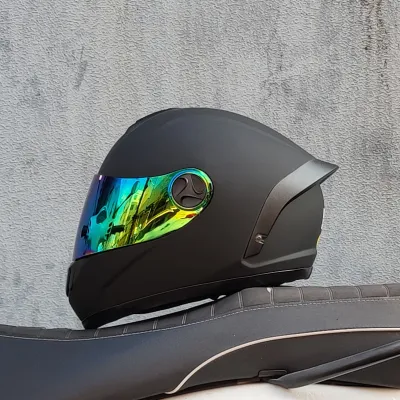
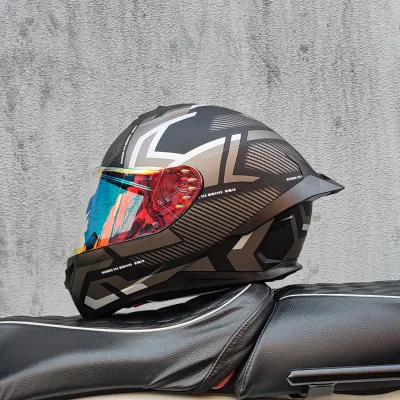
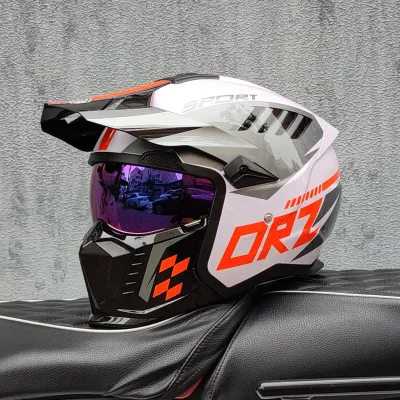
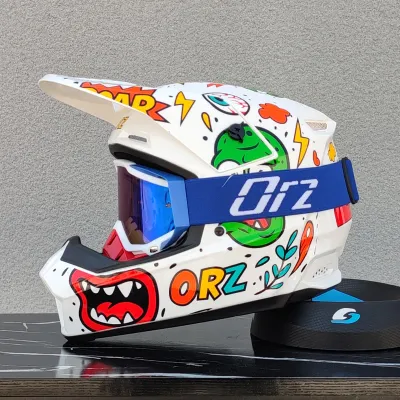
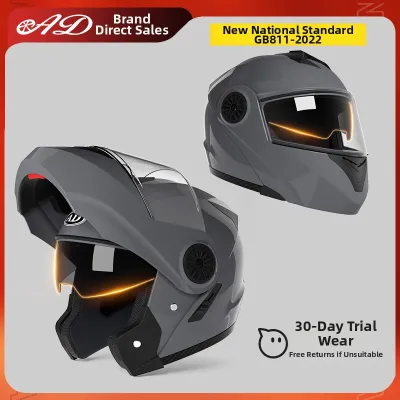
Prices are valid at publication and may change. Please refer to the product page for the latest price.
When allocating your budget, prioritize structural quality and functional features over aesthetic appeal. Graphic designs, replica paint jobs, and branded colorways often add a significant premium to the retail price without offering any additional physical protection. Choosing a solid, single-color version of a helmet model allows you to redirect your hard-earned pesos toward a better shell material, a more reliable visor mechanism, or more efficient ventilation channels. This practical approach ensures that every peso spent directly contributes to your safety and comfort during hot, humid tropical rides.
Navigating Helmet Price Tiers and Trade-Offs
Understanding what changes as you move up the pricing ladder helps prevent unrealistic expectations and ensures you get excellent value for your money. Generally, all legally compliant helmets at any price point must meet the same baseline impact-absorption standards to receive their certification stickers. However, spending more money typically buys you lighter materials, more efficient ventilation systems, quieter interiors, and advanced visor mechanisms rather than a simple increase in basic impact protection.

Entry-Level Tier (Under ₱2,000)
The entry-level tier caters primarily to budget-conscious daily commuters, casual riders, and those seeking a secondary helmet for pillion passengers. In this price bracket, you will almost exclusively find helmets constructed from injection-molded thermoplastic shells, which are highly durable but tend to be heavier than composite materials. Visors in this range are typically basic clear polycarbonate shields without advanced anti-fog coatings or complex quick-release mechanisms.
Because this price segment is highly competitive, it also carries a higher risk of uncertified novelty helmets or counterfeit products. You must be exceptionally vigilant and strictly verify the presence of genuine ICC or PS stickers before making a purchase. When shopping under ₱2,000, prioritize finding a helmet that offers a snug, secure fit and functional, adjustable air vents over luxury features like fully removable liners or integrated sun visors. A well-fitting, basic certified helmet is infinitely safer than an uncertified model with attractive graphics.
Mid-Range Tier (₱2,000–₱5,000)
The mid-range tier represents the sweet spot for the vast majority of daily motorcycle commuters in the Philippines, offering an excellent balance of comfort, durability, and verified safety. In this price bracket, manufacturers begin to introduce user-friendly features such as quick-release visor mechanisms that allow you to swap shields without tools, and durable anti-scratch coatings on the outer visor. The interior comfort liners are almost always fully removable, washable, and treated with moisture-wicking properties to handle sweat during hot afternoon rides.
Another major advantage of the mid-range tier is the common inclusion of dual-visor systems, which feature a drop-down internal sun shield operated by an external slider. This feature is incredibly convenient for riders who transition frequently between bright, direct tropical sunlight and shaded areas or night riding. Within this price range, you can easily find established entry-level models from recognized global and regional brands that offer consistent quality control and readily available replacement parts like visors and cheek pads.
Premium Tier (Above ₱5,000)
For long-distance touring enthusiasts, daily riders with long commutes, and those who prioritize maximum comfort, the premium tier offers significant upgrades in materials and engineering. Helmets in this category often move away from heavy thermoplastics, utilizing advanced fiberglass composites, aramid fibers, or even carbon fiber. These materials drastically reduce the overall weight of the helmet, which directly translates to less neck fatigue and strain during hours of continuous riding.
Premium helmets also feature optimized aerodynamic designs developed in wind tunnels to minimize wind drag and buffeting at higher speeds. You can expect advanced ventilation layouts with multiple intake and exhaust ports that create a cooling venturi effect, alongside high-quality noise insulation that keeps the interior quiet. Other standard features in this tier include Pinlock-ready visors that accept anti-fog insert lenses, and emergency quick-release cheek pads that allow medical personnel to safely remove the helmet in the event of an accident.
How to Verify Certifications and Avoid Counterfeits
With the rise of online shopping, the market has seen an influx of counterfeit helmets that mimic the appearance of popular premium brands but offer virtually no protection in a crash. Verifying the legitimacy of a helmet and its safety certifications is a critical step that you must perform before handing over your money. Start by conducting a thorough physical inspection of the helmet’s compliance marks. Legitimate ICC stickers in the Philippines feature a unique serial number and a holographic security seal that shifts color when tilted under light; they should never look like simple, flat paper printouts.
Be on high alert for common red flags that indicate a counterfeit or uncertified product. If a premium, globally recognized helmet model that normally retails for tens of thousands of pesos is being offered online for under ₱2,000, it is almost certainly a dangerous counterfeit. Other warning signs include flimsy, unbranded packaging, missing user manuals, poorly aligned brand decals, and a lightweight, flexible outer shell that bends easily when squeezed. Genuine certified helmets are rigid and built to strict manufacturing tolerances.
To protect yourself from counterfeit goods, always purchase your gear from authorized physical dealers, official brand stores on reputable e-commerce platforms, or well-established local motorcycle accessory shops. Authorized sellers can readily provide proof of authenticity and offer manufacturer warranties. If you are buying online, check the seller’s ratings, read detailed customer reviews with photos, and verify that the shop is listed as an official distributor by the helmet brand’s official social media pages or website.
Final Checklist Before Checkout
Before you finalize your purchase and click the checkout button, there are a few practical details and hidden costs to consider. First, factor in the shipping fees, as helmets require large, bulky boxes that can incur higher delivery charges depending on your location in the Philippines. Always review the seller’s return and exchange policy, specifically checking if they allow size exchanges if the helmet does not fit correctly upon arrival.
Accurate sizing is paramount for a helmet to perform its safety function. Never assume your size based on a previous helmet, as sizing standards vary significantly between different manufacturers and even between different models of the same brand. Use a flexible measuring tape to measure the widest part of your head, about one inch above your eyebrows and ears, and compare this measurement directly to the specific brand’s size chart.
When your new helmet arrives, try it on immediately inside your home before removing any protective films or tags. The helmet should feel snug around your entire head, pressing gently against your cheeks without causing painful pressure points on your forehead or temples. If you shake your head side to side, the helmet should not slide or rotate independently of your skin. If it feels slightly too tight in the cheeks, keep in mind that the interior padding will naturally compress and break in after a few hours of use; however, if it causes a headache or leaves red marks, you should initiate an exchange for a larger size or check if the manufacturer offers thinner, interchangeable cheek pads.
Frequently Asked Questions (FAQ)
Is it safe to buy a second-hand full-face helmet to save money?
No, it is highly recommended that you avoid buying second-hand full-face helmets. The internal EPS liner of a helmet is designed to compress and absorb impact energy only once; after a crash or a hard drop, this liner becomes permanently compromised and cannot protect you in a subsequent impact, even if the outer shell looks completely undamaged. Additionally, over time, sweat, hair oils, cosmetics, and exposure to tropical UV rays naturally degrade the internal materials and adhesives, reducing the helmet’s overall structural integrity. Buying a new, budget-friendly certified helmet is always a safer decision than purchasing a used premium model with an unknown history.
Do I need to buy a separate visor if the helmet doesn't come with a tinted one?
You do not necessarily need to purchase a separate tinted visor, as there are several safe alternatives for sun protection. If your helmet does not feature a built-in drop-down sun shield, you can wear a pair of certified UV-blocking riding sunglasses underneath your clear visor, provided the helmet’s interior padding has channels to accommodate eyeglass temples. If you choose to buy an aftermarket tinted visor, ensure it is an official accessory designed specifically for your helmet model to maintain a proper seal against wind and rain. Never apply dark automotive tint films to the outside of a clear visor, as this can distort your vision, violate local traffic regulations, and dangerously reduce your visibility during sudden downpours or night riding.

Community discussion
Share your experience or ask a question. Comments are reviewed before publication.