
Finding the right motorcycle helmet requires balancing financial limits with uncompromising safety. In the Philippines, where daily commutes involve navigating dense city traffic and unpredictable tropical weather, a reliable helmet is the most critical piece of safety gear you can own. KYT has become a highly visible brand on local roads, offering a wide spectrum of full-face options that cater to different budgets. Choosing the right model involves understanding what features you receive at each price level and ensuring the helmet meets strict safety standards. By focusing on certified protection, proper fit, and practical daily usability, you can secure a helmet that protects your head without overstretching your wallet.
Understanding KYT Price Tiers and Feature Trade-offs
Entry-level tiers typically focus on thermoplastic shells. These are highly durable and cost-effective to manufacture, making them accessible for daily commuters. However, thermoplastic tends to be heavier than advanced composites. While they offer excellent impact protection that meets baseline safety standards, riders should expect a slightly heavier feel on the neck during long rides. Ventilation in this tier is usually functional but basic, relying on simple open-and-close ports.
Moving up the budget scale introduces refined materials and enhanced aerodynamics. In this segment, manufacturers often utilize advanced thermoplastic blends or lightweight polycarbonate shells. These designs reduce overall weight, which significantly lowers rider fatigue during extended highway trips or prolonged traffic jams. You will also find more sophisticated wind-tunnel-tested shapes that minimize wind noise and buffeting at higher speeds.
Products mentioned in this guide
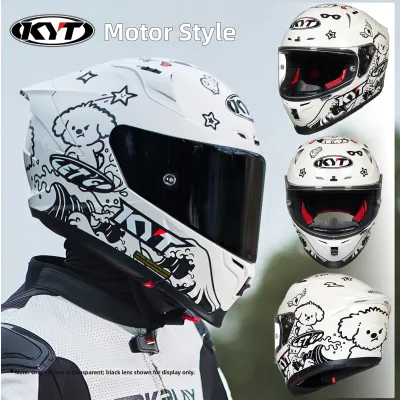
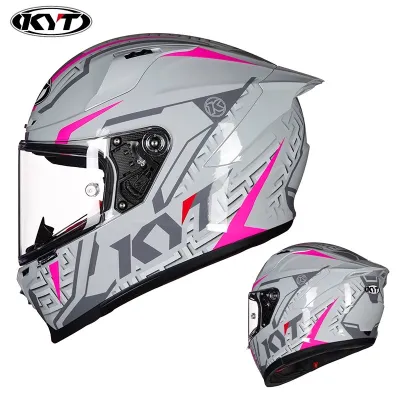
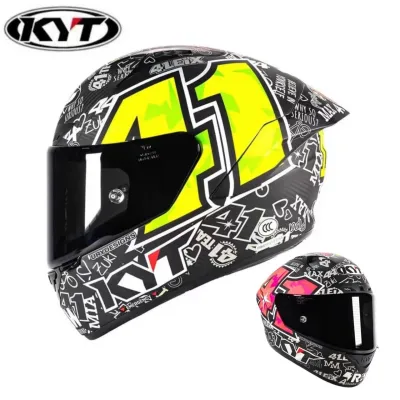
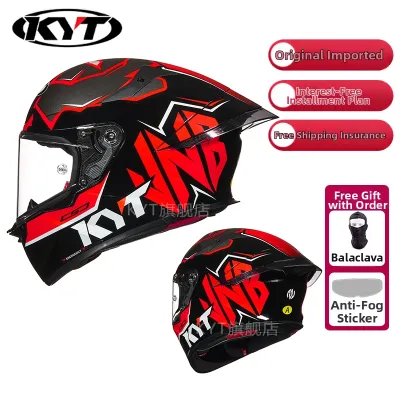
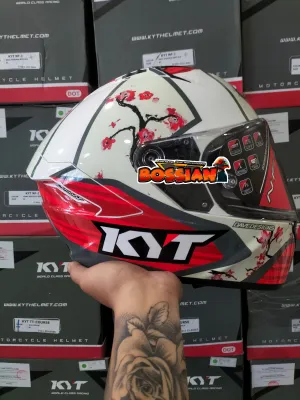
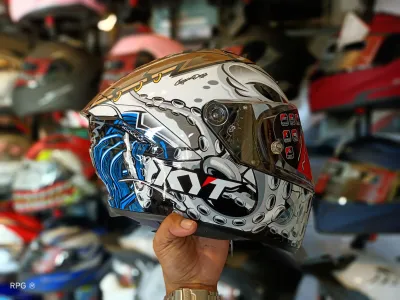
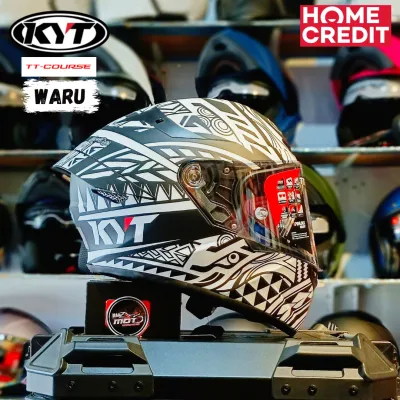
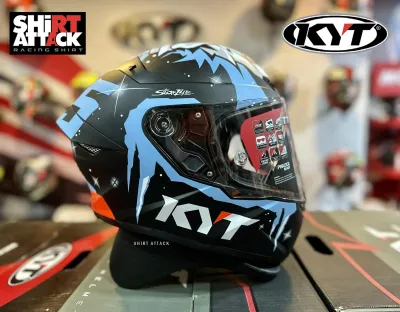
Prices are valid at publication and may change. Please refer to the product page for the latest price.
The highest price bracket features composite fiber shells, combining materials like carbon fiber, fiberglass, and aramid. These helmets achieve the lowest possible weight while maintaining exceptional structural integrity. Beyond the shell material, premium investments secure advanced multi-density EPS (expanded polystyrene) liners, highly efficient multi-channel ventilation systems, and premium interior fabrics that wick moisture rapidly.
When working within a strict budget, it is highly beneficial to prioritize functional features over elaborate graphic designs. A solid-color helmet with a Pinlock-ready visor and a robust quick-release shield mechanism offers far more daily utility than a highly decorated helmet with basic components. Pinlock-ready visors allow you to install anti-fog insert lenses, which are essential for maintaining clear vision during sudden afternoon downpours in tropical climates.
If your current budget limits you to the entry-level tier, adjust your expectations regarding weight and noise isolation rather than safety. A heavier helmet that carries legitimate safety certifications is infinitely better than a lightweight, uncertified alternative. Focus on securing the correct fit and verified safety labels, accepting that you may need to clean the vents more frequently or tolerate slightly higher wind noise on the road.
Verifying Safety Certifications and Avoiding Counterfeits
A helmet’s primary job is energy management during an impact, which is verified through rigorous testing standards. In the Philippines, all legal motorcycle helmets must carry specific safety markings. For imported helmets like those from KYT, look for the Land Transportation Office recognized Import Commodity Clearance (ICC) sticker or the Philippine Standard (PS) mark. These holographic stickers are typically applied to the rear of the helmet shell.

Alongside local markings, genuine helmets will display international certification labels. The most common are the European ECE (such as ECE 22.05 or ECE 22.06) and the American DOT standards. These are usually painted onto the shell under the clear coat or printed on a durable label sewn onto the chin strap. Ensure the text is crisp, aligned, and free from spelling errors, which are common indicators of counterfeit products.
Counterfeit helmets pose an extreme risk to riders, as they often use cheap plastics that shatter upon impact. To spot a replica, inspect the overall build quality. Genuine helmets feature precise stitching on the comfort liner, securely fastened chin straps with high-quality D-rings or micrometric buckles, and smooth visor mechanisms. If the visor feels flimsy, wobbles excessively when raised, or the interior foam feels like soft packaging material, avoid the purchase.
Many manufacturers now include unique serial numbers, QR codes, or holographic security tags on the helmet box or the liner itself. Before finalizing your purchase, use your smartphone to scan these codes or enter the serial number on the manufacturer’s official website. If you are purchasing from an online marketplace, request real-time photos of these verification markers from the seller to confirm they match official distribution records.
Evaluating Fit, Visor Systems, and Daily Usability
A helmet can only protect you effectively if it fits correctly. To find your size, wrap a flexible measuring tape around the widest part of your head, about two centimeters above your eyebrows. Compare this measurement to the manufacturer’s specific sizing chart. When trying on the helmet, it should feel snug all around your head without creating painful pressure points on your forehead or temples. Your cheeks should be firmly pressed against the cheek pads, preventing the helmet from rotating when you shake your head.
The visor is your primary window to the road, making optical clarity paramount. Look for visors labeled as Class 1 optical quality to avoid visual distortion that can cause eye strain or misjudged distances. Additionally, verify the manufacturer’s claims regarding UV protection and scratch resistance. A quick-release visor mechanism is highly desirable, allowing you to swap or clean the shield without requiring specialized tools.
Riding in hot, humid conditions requires excellent airflow to prevent heat exhaustion and visor fogging. Inspect the helmet’s ventilation pathways, ensuring there are functional intake vents on the chin and forehead, along with exhaust vents at the rear to draw out hot air. Because sweat buildup is inevitable in tropical climates, prioritize helmets with fully removable and washable interior liners. When cleaning the liner, use only mild soap as authorized by the manufacturer’s instructions; harsh chemical cleaners can degrade the protective EPS liner or plastic components.
If you plan to install aftermarket accessories, such as communication systems or action camera mounts, always consult the manufacturer’s documentation first. Modifying the helmet shell, drilling holes, or using unauthorized adhesives can compromise the structural integrity of the helmet and void its safety certifications. Ensure any installation follows official guidelines to maintain the safety boundary of the gear.
Navigating Purchasing Channels and Total Cost Checks
To guarantee you are buying a genuine product, purchase exclusively from authorized local dealers, physical flagship stores, or official brand storefronts on major ecommerce platforms. While independent third-party sellers on online marketplaces may offer lower prices, the risk of acquiring a counterfeit or damaged helmet is significantly higher. Authorized dealers also provide reliable customer support and access to genuine replacement parts.
The initial price of the helmet is often not the final cost of ownership. When budgeting, factor in shipping fees, especially if ordering from overseas distributors. Additionally, consider the cost of essential accessories. If you ride frequently in the rain or early mornings, purchasing an anti-fog insert lens is a highly recommended add-on. You should also check the availability and pricing of replacement visors, as a scratched shield must be replaced to maintain safe visibility.
Before handing over your money, clarify the seller’s warranty terms and return policies. A reputable dealer will offer a clear return window if the helmet does not fit correctly upon arrival, provided it has not been ridden in and all tags remain attached. If a seller refuses to provide clear return guidelines or cannot prove their status as an authorized distributor, pause the transaction and look for a more reliable source.
Frequently Asked Questions (FAQ)
How often should I replace my full-face helmet?
As a general industry standard, you should replace your motorcycle helmet every three to five years of regular use, or five years from the date of manufacture. Over time, exposure to sweat, hair oils, UV rays, and temperature fluctuations gradually degrades the protective EPS liner and outer shell materials.
Crucially, you must replace your helmet immediately after any significant impact or drop, even if there is no visible damage on the outer shell. The internal EPS liner is designed to compress once to absorb impact energy; once compressed, it cannot protect your head in a subsequent crash. Regularly inspect your helmet for signs of wear, such as crumbling interior foam, loose chin straps, or a visor mechanism that no longer locks securely.
Can I use a tinted visor for night riding?
Using a dark tinted or mirrored visor at night is highly dangerous and generally illegal under traffic regulations in the Philippines. Tinted visors severely reduce light transmission, making it extremely difficult to spot road hazards, potholes, pedestrians, or unlit vehicles in low-light conditions.
For maximum safety, always use a clear visor when riding after dark or during heavy rainstorms. If you frequently ride during both day and night, consider carrying a spare clear visor to swap out when the sun goes down. Alternatively, if your budget permits, look for helmets equipped with an internal drop-down sun visor or invest in a photochromic transition shield that automatically adjusts its tint based on ambient light levels.

Community discussion
Share your experience or ask a question. Comments are reviewed before publication.