
Commuting daily on a Yamaha Mio Sporty through congested city streets requires a scooter that is responsive, reliable, and compliant with local road regulations, yet the stock exhaust can feel restrictive or heavy over time. To choose the best aftermarket power pipe for your daily commute, you must balance a mild performance increase with durable, rust-resistant materials and a certified, baffled design that keeps decibel levels within legal limits. Navigating dense urban traffic demands consistent low-end torque and quick throttle response, which a well-designed power pipe can help optimize by improving exhaust gas scavenging. However, because a commuter scooter operates in public spaces, residential areas, and strict traffic enforcement zones, you cannot simply install any loud, open-spec pipe. The ideal selection process involves evaluating how different exhaust configurations, materials, and noise-suppression features interact with your daily route, budget, and local legal frameworks. By focusing on practical usability rather than raw racetrack performance, you can find an exhaust system that enhances your daily ride without attracting unwanted law enforcement attention or causing rider fatigue.
What type of exhaust system fits your daily riding needs?
Deciding between a slip-on muffler and a full exhaust system depends on whether you want a simple aesthetic upgrade or a complete replacement of the exhaust tract to optimize gas flow. A slip-on system replaces only the rear muffler canister while retaining the original factory header pipe. This option is highly favored by daily commuters who want a straightforward installation process that does not require dismantling the entire exhaust tract from the engine cylinder head. Slip-ons generally offer a moderate reduction in overall vehicle weight compared to the heavy stock cast-iron muffler, and they provide a subtle change in the scooter’s visual profile and exhaust note without drastically altering engine backpressure.
In contrast, a full exhaust system replaces the entire assembly, including the exhaust header pipe, any mid-pipe sections, and the muffler canister. Full systems are designed as a single, cohesive unit where the header diameter and length are tuned to match the flow characteristics of the muffler. This comprehensive replacement offers the maximum possible weight savings, as it replaces the heavy, corrosion-prone stock header with lightweight materials. Visually, a full system provides a clean, premium look from the engine port to the rear tip. However, installing a full system is more complex, requiring careful alignment at the cylinder head and frame mounting points.
Products mentioned in this guide
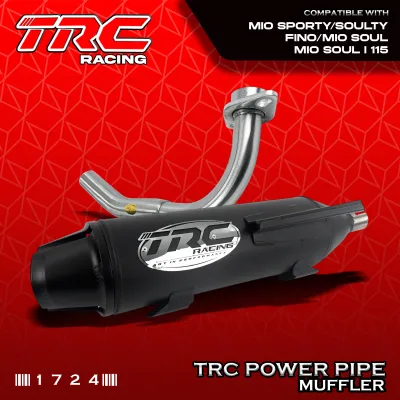
13 Lazada user ratings
e try pa namin. review ako ulit pagnakabit na , for mio sporty naman nakatatak sa caron , sana works well sa motor ko at sana mag longlast ,…Read full reviewShow less
e try pa namin. review ako ulit pagnakabit na , for mio sporty naman nakatatak sa caron , sana works well sa motor ko at sana mag longlast , thank you seller and rider .
grabe ang ganda tapos madaling kausap ang seller nito maraming maraming salamat po.maganda ang tunog Durability:10 Compatibility:10 Performa…Read full reviewShow less
grabe ang ganda tapos madaling kausap ang seller nito maraming maraming salamat po.maganda ang tunog Durability:10 Compatibility:10 Performance:10
Performance:not Compatibility:ok Durability:not yet ok naman pagkakabalot at walang damage. Hindi ko pa naikalabit o testing if ok
Ganda at swabe thank you sa magandang item mga bossing
value for money
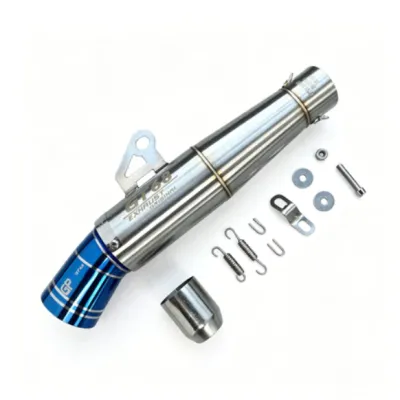
13 Lazada user ratings
Maganda ang tambutso at akmang-akma sa MIO M3 ko. Napakaganda ng tunog. Salamat sa nagbebenta at sa nakasakay.
All goods !! the item is very beautiful exactly what I smashed kudos to the seller godbless po 🤗
gooddsss walang damage or dilang maayos pag package pero goods yung item walang sira 👌👌
Tamang-tama ang tambutso sa Mio Gear ko, salamat seller.
hindi siya pasok sa m3 kailangan rimedyo
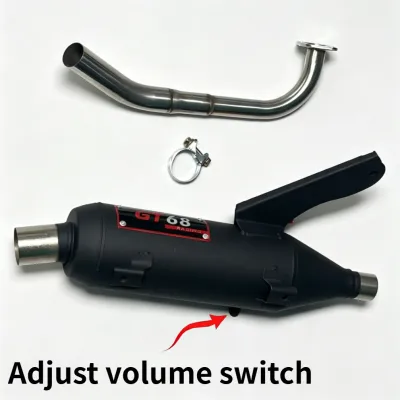
11 Lazada user ratings
Legit seller napakaganda original talaga ❤️ salamat po oorder Po aq ulit salamat ❤️❤️❤️
Maganda tunog at mabilis dumating. Thank you seller at sa nag deliver.
Ang Ganda mga boss sulit na sulit ❣️ Buo Ang tunog di masyado maingay
ok nmn cia mganda 2nog
legit ang ganda
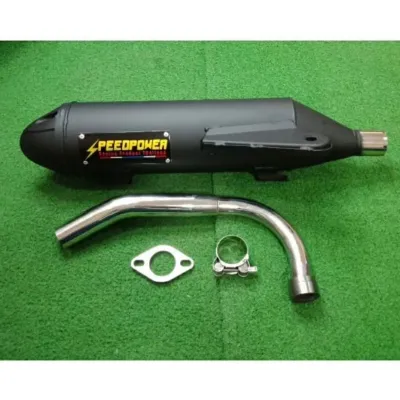
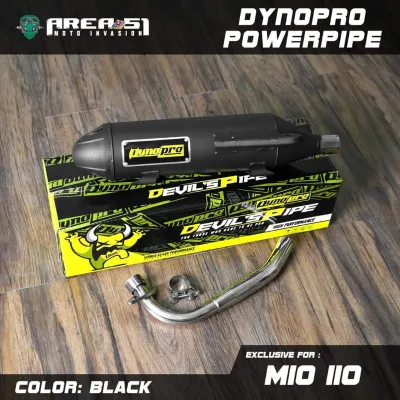
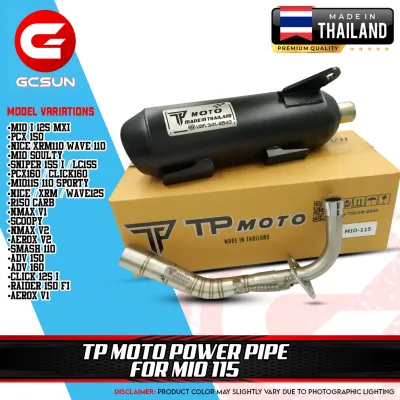
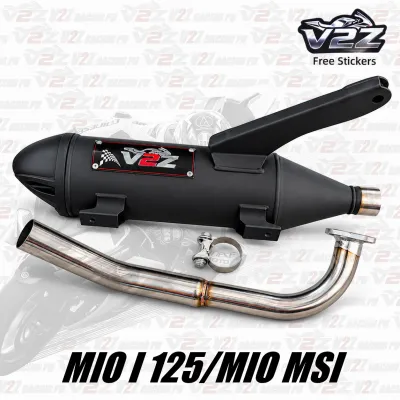
1 Lazada user ratings
Mabilis dumating, maayos ang packaging
Prices are valid at publication and may change. Please refer to the product page for the latest price.
When evaluating the financial aspect of this upgrade in the local market, price ranges in ₱ vary based on the complexity and brand of the system. Basic slip-on mufflers or entry-level replacement pipes typically range from ₱1,500 to ₱3,500. These are highly accessible options for budget-conscious commuters who want a quick refresh. On the other hand, high-quality full exhaust systems made from premium materials generally range from ₱4,000 to ₱10,000 or more. While a full system represents a larger upfront investment, it provides a more thorough upgrade in terms of durability, weight reduction, and potential performance efficiency.
For most daily commuting scenarios on a stock Yamaha Mio Sporty, a slip-on or a mild street-oriented full system is the most practical choice. If your primary goal is minimal modification, keeping costs low, and maintaining stock engine reliability, a slip-on is highly suitable. However, if you plan to perform mild engine tuning in the future, or if your stock header pipe is heavily rusted and requires replacement anyway, investing in a complete, street-legal full exhaust system is the more logical long-term decision.
Which exhaust materials offer the best balance of durability and weight?
Selecting the right material for your Mio Sporty power pipe requires balancing the long-term corrosion resistance of stainless steel against the ultra-lightweight, heat-dissipating properties of titanium or carbon fiber. Stainless steel is the industry standard for high-quality aftermarket commuter exhausts due to its exceptional durability and resistance to environmental damage. In the Philippines, daily commuters frequently encounter heavy rain, flooded streets, and high humidity, all of which accelerate rust on stock mild steel pipes. Stainless steel, particularly high-grade 304 stainless steel, resists this oxidation, ensuring that the exhaust maintains its structural integrity and clean appearance over years of daily exposure. While heavier than exotic materials, a stainless steel pipe is still significantly lighter than the stock unit and requires minimal maintenance beyond regular washing and occasional polishing to remove road grime.

Titanium and carbon fiber sleeves represent the premium end of the material spectrum, offering distinct visual and physical characteristics. Titanium is incredibly light and possesses high tensile strength, allowing manufacturers to use thinner walls that reduce the overall weight of the scooter even further. It also dissipates heat rapidly and develops a unique blue-purple coloration over time due to heat exposure. Carbon fiber sleeves, on the other hand, provide excellent thermal insulation, meaning the outer surface of the muffler remains cooler to the touch compared to bare metal. This is a valuable safety feature for daily commuters who carry passengers or park in tight, crowded public spaces where accidental contact with a hot exhaust is common.
However, these premium materials come with specific trade-offs that you must verify via product labels and manufacturer specifications before purchasing. Carbon fiber can degrade, discolor, or become brittle over time when subjected to extreme, prolonged engine heat or intense UV exposure from outdoor parking. Titanium, while highly durable, is significantly more expensive and can be prone to scratching if not handled carefully.
To ensure you are getting a genuine, high-quality product, always check the manufacturer’s official specifications for material grades and coating durability. Look for details regarding the thickness of the metal, the presence of high-temperature resistant coatings, and the terms of the manufacturer’s warranty. Verifying these details on the product packaging or official documentation helps you avoid low-quality imitations that use cheap alloys prone to premature cracking or rapid discoloration.
Evaluating Material Trade-offs for Daily Commuting
For a dedicated commuter scooter like the Mio Sporty, a high-grade stainless steel header paired with either a stainless steel or aluminum muffler canister usually provides the most sensible balance of cost, durability, and weight. This combination withstands the harsh daily abuse of city riding, resists road debris impacts, and does not require the delicate handling or premium price tag associated with full titanium or carbon fiber setups.
How do you manage noise levels for street-legal daily commuting?
Managing noise levels requires choosing a power pipe equipped with a robust internal baffle system or a removable silencer (dB killer) to ensure your scooter remains compliant with local traffic laws. The primary mechanism for controlling the decibel output of an aftermarket exhaust is its internal design. Unlike open-spec racing exhausts that feature a straight-through, unbaffled core designed solely for maximum gas flow at high RPMs, a commuter-friendly power pipe utilizes internal chambers, perforated tubes, and sound-dampening packing material (such as fiberglass or ceramic wool). These components work together to disrupt and absorb high-frequency sound waves, resulting in a deeper, more refined exhaust note that is significantly quieter than an open pipe.
To identify a street-legal exhaust, you must look for specific certification labels or physical features on the product. Many reputable manufacturers stamp their exhausts with compliance codes or include a removable dB killer that can be bolted securely into the muffler tip. When shopping, verify whether the product is explicitly rated for street use or carries a homologation certificate. Avoid purchasing unbranded, generic “open pipes” that lack any internal sound suppression, as these are almost guaranteed to exceed legal noise limits and cause significant disturbance in residential neighborhoods.
Understanding local traffic regulations is crucial for any rider in the Philippines. The Land Transportation Office (LTO) and various local government units enforce strict regulations regarding modified motorcycle mufflers. Under national guidelines, exhausts must not exceed specific decibel limits—typically capped around 99 decibels when measured at a standardized distance and engine speed—and local ordinances in many cities may impose even stricter limits or outright bans on modified pipes that alter the original acoustic profile of the vehicle. Operating a motorcycle with an illegally loud exhaust can lead to costly fines, roadside citations, and the forced removal of the aftermarket part during vehicle inspection or registration renewal.
When choosing a power pipe, evaluate its acoustic profile specifically for daily commuting rather than weekend leisure riding. A pipe that sounds exciting for a short weekend run can quickly become irritating and fatiguing during a two-hour daily commute in heavy traffic. Keeping the removable silencer or dB killer permanently installed is the best practice for daily street riding. This ensures your Mio Sporty remains quiet enough to pass roadside inspections, respects your neighbors during early morning warm-ups, and reduces rider fatigue caused by prolonged exposure to loud exhaust drone.
What compatibility and installation checks must you complete before buying?
Before purchasing any aftermarket exhaust, you must verify that its mounting brackets, header diameter, and sensor ports are designed specifically for your Mio Sporty’s engine displacement and model year. The Yamaha Mio Sporty has undergone subtle design updates over its production run, and while many parts are interchangeable, minor variations in frame mounting points, passenger footrest brackets, and body panels can affect how an aftermarket exhaust sits. You must physically inspect the exhaust header diameter and ensure the mounting flange matches the exhaust port on your specific engine cylinder head. Additionally, check that the exhaust hanger brackets align perfectly with the scooter’s existing frame mounts without requiring you to bend, stretch, or force the metal components into place.
Before beginning the physical installation, it is essential to review the manufacturer’s installation manual and gather the correct tools and replacement parts. You must always use a brand-new copper or crush gasket at the cylinder head joint; reusing an old, compressed gasket almost always results in exhaust leaks, which cause annoying popping sounds, reduced engine performance, and potentially dangerous gas leaks near the rider. Refer to the manufacturer’s documentation for the exact torque specifications for the header nuts and mounting bolts. Over-tightening these fasteners can easily strip the threads on the engine block or snap the exhaust studs, leading to expensive and complicated repairs.
Another critical consideration is how the new exhaust affects your engine’s air-fuel mixture. Because an aftermarket power pipe alters the backpressure and increases the flow of exhaust gases, it can cause the engine to run leaner (more air, less fuel) than originally intended. For the carbureted Mio Sporty, running too lean can lead to engine overheating, spark plug damage, and burnt valves. Review the exhaust manufacturer’s tuning recommendations; you may need to consult a qualified motorcycle mechanic to adjust the carburetor jetting—such as installing a slightly larger main jet or adjusting the fuel mixture screw—to ensure the engine runs safely and smoothly with the new pipe.
You must establish clear stop conditions during the installation process to protect your vehicle and ensure your safety on the road. If you find that the exhaust pipe interferes with the operation of the center stand, contacts the rear tire, rubs against the rear brake cable, or presses against plastic body panels, stop the installation immediately. Do not attempt to ride the scooter with these clearance issues, as they can cause rapid tire wear, brake failure, or melted bodywork. If the manufacturer’s instructions conflict with your scooter’s official service manual, or if you lack the specialized tools and experience required for torque calibration and carburetor tuning, halt the process and seek the assistance of a qualified professional mechanic.
How can you maintain your aftermarket exhaust to prevent premature wear?
Keeping your aftermarket power pipe in optimal condition involves letting it cool completely before cleaning, performing regular visual inspections, and using non-abrasive cleaning methods to protect the metal finish. The first and most important rule of exhaust maintenance is to allow the entire system to cool down completely to ambient temperature before introducing any water or cleaning agents. Spraying cold water onto a hot metal or carbon fiber exhaust causes rapid, uneven contraction of the materials. This thermal shock can warp the header pipe, crack the delicate welds around the mounting brackets, or damage the protective resin coating on carbon fiber sleeves, leading to premature structural failure.
When cleaning the exhaust, always use manufacturer-recommended cleaning agents or mild, pH-neutral automotive soap paired with a soft microfiber cloth or sponge. Avoid using abrasive scrubbing pads, steel wool, or harsh household chemical cleaners on the exhaust surfaces. These abrasive materials will scratch polished stainless steel, strip away protective anodized coatings on aluminum mufflers, and dull the finish of carbon fiber. For stubborn road tar or exhaust soot, use a dedicated, non-abrasive metal polish or tar remover that is explicitly labeled as safe for the specific material of your exhaust, applying it gently according to the product instructions.
In addition to cleaning, establish a routine visual inspection schedule to catch minor issues before they develop into major failures. Periodically check the tightness of the header nuts and mounting bracket bolts, as the natural vibrations of a single-cylinder scooter engine can gradually back these fasteners out over time. Look closely at the joints for any signs of black soot buildup, which indicates a developing exhaust leak that needs to be sealed with a new gasket or high-temperature sealant. Inspect the integrity of the heat shield and its mounting screws to ensure they remain secure and do not rattle while riding.
Knowing when to transition from DIY maintenance to professional repair is vital for preserving your exhaust and ensuring road safety. If you discover deep structural cracks along the welded seams, severe rust holes that penetrate the metal, or a loud, metallic rattling sound coming from inside the muffler canister, stop attempting home repairs. A rattling sound typically indicates that the internal baffle has broken loose or that the sound-dampening packing material has completely degraded. In these situations, take your scooter to a professional welder or an authorized service center to have the exhaust properly repaired, repacked, or replaced, ensuring it continues to operate safely and quietly.

Community discussion
Share your experience or ask a question. Comments are reviewed before publication.