
Riding a motorcycle through dense, slow-moving traffic in tropical heat presents a difficult challenge: balancing the need for impact protection with the necessity of staying cool. To choose a motorcycle armor vest that keeps you safe without causing heat exhaustion, you must look for certified impact protectors housed in highly breathable, open-mesh chassis designs. The key is selecting gear that allows maximum airflow at low speeds while keeping the protective elements securely positioned over your critical joints.
Decoding Protection Standards for Daily Commuting
When navigating busy urban streets, your safety relies on verified impact protection rather than the thickness of the fabric. The most reliable way to verify a vest’s protective capability is by checking the CE (Conformité Européenne) certification markings on the internal armor inserts. These tags are typically sewn directly onto the armor pockets or stamped onto the protective pads themselves, indicating they have undergone standardized impact testing.
Look for the EN 1621 standard family on the product labels. Specifically, EN 1621-1 covers limb protectors, while EN 1621-2 designates back protectors. These standards are divided into Level 1 and Level 2 protection. Level 1 protectors offer standard impact reduction suitable for daily city speeds, while Level 2 protectors absorb more impact energy but are often thicker and heavier. For daily commuting, you must decide whether the added thickness of Level 2 armor is worth the potential reduction in airflow.
Products mentioned in this guide
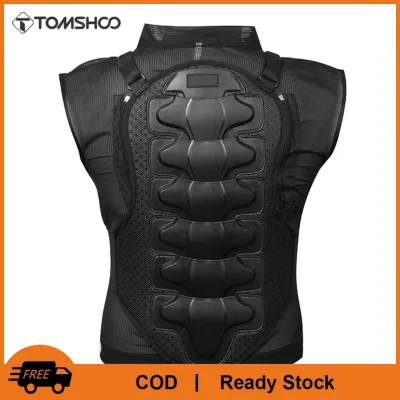
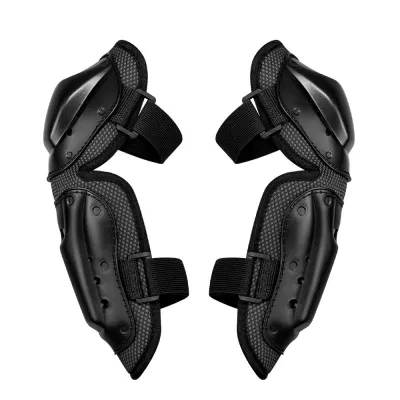
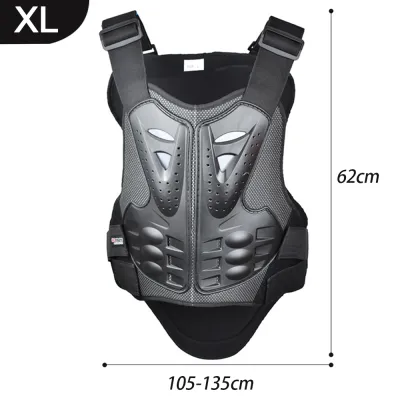
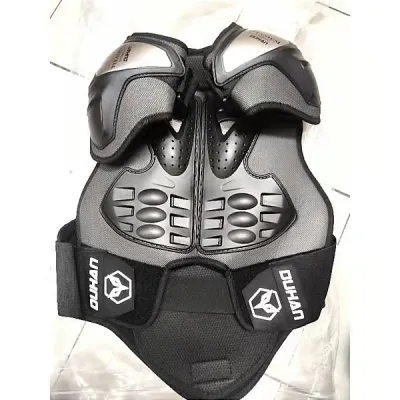
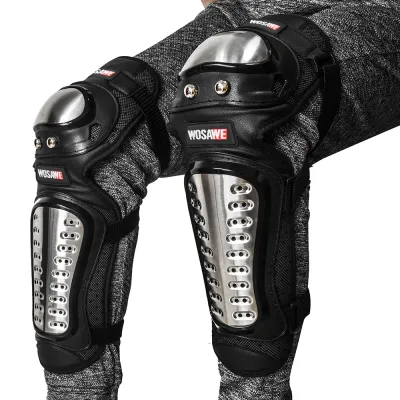
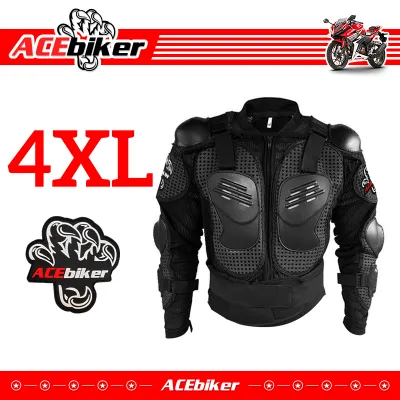
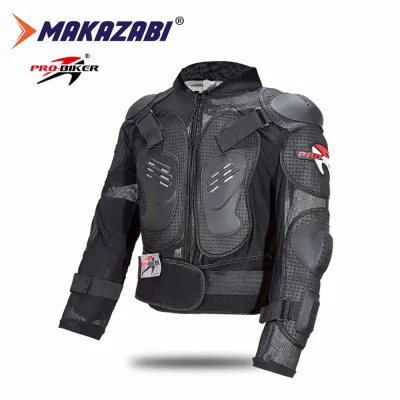
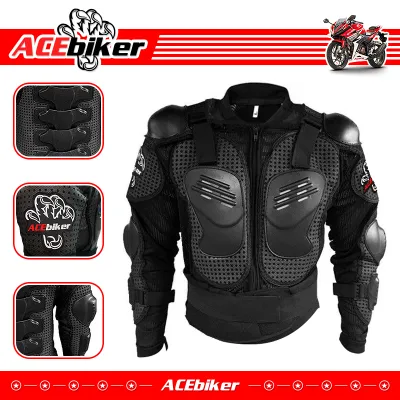
Prices are valid at publication and may change. Please refer to the product page for the latest price.
A protective vest should focus coverage on your most vulnerable areas: the spine, chest, and shoulders. While some riders prefer minimalist back protectors, a complete vest should include a dedicated chest protector to guard against handlebar impacts or flying debris. Ensure these protective inserts are securely held in place by the vest’s chassis, as loose armor can shift during a fall and fail to protect the target zones.
It is also important to distinguish between impact armor and abrasion-resistant outer shells. Impact armor, such as polyurethane or reactive foam inserts, absorbs the force of a sudden blow. Abrasion resistance, often provided by heavy-duty textiles like Cordura or high-density nylon, prevents the road surface from tearing through to your skin during a slide. A high-quality tropical vest combines these two elements by placing tough, abrasion-resistant fabrics on high-impact slide zones while using open mesh elsewhere.
Evaluating Ventilation Features for Hot and Humid Weather
In stop-and-go traffic, natural wind resistance is minimal, making ventilation the most critical factor in preventing heat fatigue. When evaluating a motorcycle armor vest, examine the placement and surface area of the mesh panels. Vests designed for hot climates feature extensive open-mesh construction across the chest, underarms, and back. This design allows ambient air to circulate freely and carry body heat away, even when you are idling at a traffic light.

Check the manufacturer specifications for moisture-wicking or breathable inner linings. A high-quality lining pulls sweat away from your skin and spreads it across a larger surface area, accelerating evaporation. Look for materials described as 3D mesh or moisture-wicking polyester. These fabrics create a small physical gap between your skin and the armor inserts, allowing air to flow underneath the protective pads rather than trapping heat directly against your body.
However, maximizing ventilation often requires a trade-off with structural rigidity. A vest made entirely of soft, lightweight mesh may stretch or tear more easily during an accident, potentially allowing the armor inserts to shift away from your body. To balance these needs, look for hybrid designs. These vests utilize high-strength, abrasion-resistant solid textiles on the shoulders, elbows, and outer seams, while using wide mesh panels on the chest and back where impact-related sliding is less common.
Ensuring Proper Fit and Commute Practicality
An armor vest can only protect you if it stays in the correct position during an impact. When trying on a vest, check for built-in adjustability features such as elastic side panels, adjustable waist straps, and forearm tensioners. These adjustment points allow you to cinch the vest tightly against your body, preventing the armor from shifting or sliding up during a fall. A snug fit also prevents the wind from catching the fabric and causing the vest to flap at higher speeds.
Weight distribution is another critical factor for daily commuters who spend hours on the road. Heavy, poorly balanced armor can cause significant neck, shoulder, and lower back fatigue over time. Check the product specifications for the total weight of the vest and look for designs that distribute the weight evenly across your shoulders and hips. Wide shoulder straps and ergonomic back plates help spread the load, making the vest feel lighter during long rides.
Consider how the vest will integrate with your daily wardrobe. If you need to dress professionally for work, a low-profile armor vest can be worn comfortably under a standard windbreaker or a loose-fitting office jacket. Alternatively, you can wear a highly ventilated, abrasion-resistant outer vest directly over a moisture-wicking base layer. Ensure the design you choose fits your daily routine, as gear that is too bulky or difficult to put on is more likely to be left at home.
Building Your Shortlist and Verifying Product Claims
Before making a purchase, create a comparison matrix of your top choices to evaluate their specifications objectively. List each vest’s certified safety ratings, total weight, ventilation features, and adjustment points. This structured approach helps you look past marketing buzzwords and focus on the actual protective and comfort features of each product.
Always cross-reference online product descriptions with physical tags or official user manuals. Manufacturers must print certified safety standards on the product’s care labels or include them in the packaging documentation. If an online listing claims a vest is “fully certified” but does not specify the exact EN standards or show photos of the certification tags, treat it as a red flag. Unverified impact claims without standardized testing marks indicate the product may not provide real protection in a crash.
Be cautious of extremely cheap vests that mimic the appearance of professional riding gear. These products often use low-grade foam inserts instead of certified impact-absorbing materials, and their outer shells may be made of weak polyester that melts under friction. Prioritize brands that are transparent about their material testing and provide clear instructions on how to fit, wear, and maintain their protective equipment.
Maintaining Your Armor Vest in Tropical Conditions
The high humidity and intense heat of tropical riding mean your vest will regularly absorb sweat, road grime, and rainwater. To preserve both the fabric’s breathability and the armor’s integrity, you must maintain a regular cleaning routine. Always check the manufacturer’s care tag before washing. Most vests require you to remove the armor inserts before cleaning the fabric chassis, as submerging certain impact-absorbing foams in water can degrade their protective properties.
Wash the fabric chassis according to the manufacturer’s instructions, typically using mild soap and cold water on a gentle cycle or hand-washing. Avoid harsh detergents, bleach, or fabric softeners, which can clog the pores of breathable linings and weaken synthetic fibers. Once washed, hang the vest to dry in a well-ventilated, shaded area. Avoid direct sunlight, as prolonged ultraviolet exposure can degrade nylon and polyester fibers over time.
Because of the high humidity, ensure the vest is completely dry before storing it to prevent the growth of mold and mildew. Perform routine visual inspections of your gear at least once a month. Check for frayed stitching along the seams, stretched-out elastic straps, and cracked or hardened armor inserts. If you notice any structural damage or if the armor has sustained a significant impact, replace the affected components immediately to ensure your safety on the road.
Frequently Asked Questions (FAQ)
Can I wear a motorcycle armor vest over a regular t-shirt?
Yes, you can wear an armor vest over a regular t-shirt, but you must consider the safety and comfort trade-offs. Standard cotton t-shirts offer virtually zero abrasion resistance, meaning that any slide on the asphalt will quickly wear through the shirt to your skin. Additionally, cotton traps moisture and dries slowly, which can lead to chafing and discomfort in hot weather. For better comfort and safety, wear the vest over a synthetic, moisture-wicking base layer designed to slide smoothly against the armor’s inner lining.
Does a darker colored armor vest make me hotter in the sun?
While dark colors absorb more radiant heat from direct sunlight, the overall ventilation design of the vest has a much greater impact on your body temperature. A black vest with high-airflow mesh panels will keep you significantly cooler than a light-colored vest made of solid, unventilated fabric. If you ride primarily in bright, direct sunlight, you can look for lighter colors or high-visibility yellow panels, but prioritize open-mesh construction and moisture-wicking linings to manage heat effectively.

Community discussion
Share your experience or ask a question. Comments are reviewed before publication.