
Choosing a motorcycle riding jacket that keeps you cool in tropical heat without sacrificing protection requires balancing high-airflow materials with robust, certified armor. In hot, humid climates, the temptation to ride in a simple T-shirt or a lightweight windbreaker is strong, but these garments offer zero protection against road rash or impact. The key is to select a jacket specifically engineered for hot-weather riding—one that utilizes high-denier mesh panels in low-impact areas to maximize ventilation while retaining heavy-duty, abrasion-resistant textiles and certified impact protectors at critical contact points like the shoulders, elbows, and back. By understanding how different materials perform under heat and friction, you can confidently choose gear that keeps you comfortable during long, humid rides without compromising your safety.
Assessing Your Riding Environment and Heat Exposure
To find the right balance between cooling and protection, you must first evaluate your daily riding routes and typical speeds. Commuting through congested urban centers involves frequent stops, idling at intersections, and slow-moving traffic. In these conditions, wind-driven cooling is minimal, and your body heat can build up rapidly. For urban riders, a jacket with extensive mesh coverage across the chest, back, and inner arms is essential to facilitate passive airflow and allow body heat to escape even when stationary.
Conversely, if your riding consists primarily of highway touring or long-distance travel along provincial bypasses, you will experience continuous, high-speed airflow. While this wind helps cool you down, the higher speeds significantly increase the risk of severe abrasion in the event of a slide. Highway riders require a hybrid jacket that prioritizes heavier, highly abrasion-resistant materials on the outer sleeves and shoulders, with strategically placed mesh panels or adjustable zippered vents to manage temperature without sacrificing structural integrity.
Products mentioned in this guide
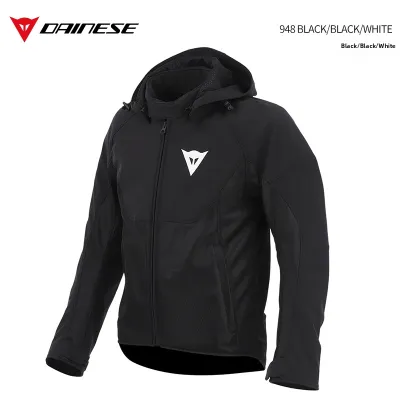
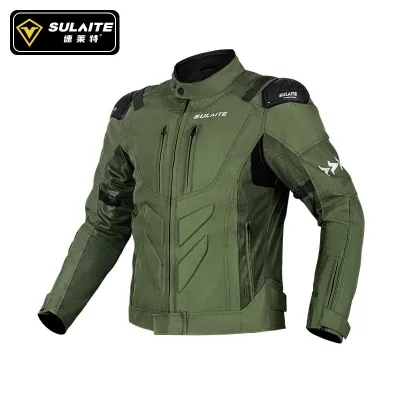
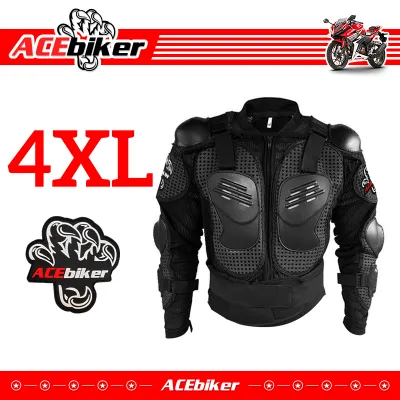
Prices are valid at publication and may change. Please refer to the product page for the latest price.
Environmental factors unique to tropical regions also play a major role in your comfort and safety. High relative humidity prevents sweat from evaporating efficiently, which is the body’s natural way of cooling itself. When the air is saturated with moisture, a jacket with poor ventilation acts like a greenhouse, trapping humid air against your skin and leading to rapid fatigue. Additionally, intense, direct sunlight can heat up dark-colored fabrics quickly, making lighter colors or reflective detailing highly desirable. You must also account for sudden, heavy tropical downpours that can saturate your gear in minutes, requiring a setup that can either dry rapidly or accommodate a quick-deploy waterproof layer.
Selecting Breathable Materials and Mesh Configurations
When evaluating hot-weather riding jackets, the choice of material determines both how much air reaches your body and how well the jacket holds together during a slide. Full-mesh jackets are constructed almost entirely from open-weave polyester or nylon mesh. While they offer the highest level of ventilation, they must be constructed from high-tensile, heavy-duty mesh to ensure they do not tear instantly upon contact with asphalt. Look for jackets that specify the use of high-strength structural mesh rather than soft, cosmetic mesh.

For a more robust balance of safety and airflow, hybrid textile-mesh jackets are highly recommended. These jackets utilize solid, high-denier fabrics—such as 500-denier (500D) or 600-denier (600D) polyester or nylon—at the primary impact zones, which include the shoulders, elbows, and upper back. The non-impact zones, such as the chest, underarms, and lower back, are constructed from breathable mesh. This configuration ensures that the parts of the jacket most likely to slide along the road are highly resistant to abrasion, while the rest of the jacket allows maximum heat dissipation.
Perforated leather is another option, favored by some riders for its unmatched abrasion resistance. However, even with extensive perforations, leather is significantly heavier, retains more heat, and absorbs moisture from both sweat and humidity. In tropical climates, perforated leather can quickly become stifling during slow-speed riding and requires intensive maintenance to prevent mold growth.
When inspecting a jacket’s construction, examine the quality of the mesh backing and the overall tear strength. High-quality jackets feature double or triple stitching at critical seams to prevent the panels from bursting apart under tension. Additionally, look for jackets with dedicated intake vents on the chest or arms and exhaust vents on the back. This design creates a low-pressure pull that actively draws cool air in and forces hot, stagnant air out of the jacket as you move forward.
Verifying Armor Certification and Heat Stability
Airflow keeps you cool, but armor protects your bones from impact. A high-quality tropical riding jacket must include certified impact protectors at the shoulders and elbows, along with a pocket for a back protector. To verify the protective capability of the armor, look for official CE (Conformité Européenne) certification labels sewn into the armor pockets or molded directly into the protector pads.
The standard for shoulder and elbow protectors is EN 1621-1, while back protectors are certified under EN 1621-2. Within these standards, armor is classified as either Level 1 or Level 2. Level 1 protectors offer standard impact absorption suitable for daily commuting, while Level 2 protectors provide higher impact absorption, reducing the force transmitted to your body during a crash. While Level 2 armor is often slightly thicker and heavier, many modern manufacturers produce highly ventilated, flexible Level 2 protectors that do not restrict airflow or add excessive bulk.
The placement of this armor is just as critical as its certification. The jacket must feature secure, adjustable armor pockets that keep the pads flush against your joints. If the sleeves are too loose, the elbow protectors can easily twist away from your joints during a fall, leaving you unprotected. Look for jackets with adjustable forearm and bicep straps that allow you to cinch the sleeves tight, locking the armor securely in place.
Furthermore, you should consider the heat stability of the armor materials. Many modern protectors are made from viscoelastic polymers that remain soft and flexible during normal use but harden instantly upon impact. While these materials are highly comfortable, extreme tropical heat can sometimes make them exceptionally soft. Review the manufacturer’s care instructions and labels to ensure the armor is rated for high-temperature stability and will not degrade or lose its protective properties when exposed to prolonged sunlight and high ambient temperatures.
Adapting to Sudden Rain and High Humidity
Riding in a tropical climate means dealing with unpredictable weather, where a scorching sunny day can instantly turn into a torrential downpour. To handle these sudden transitions without overheating, you need a versatile layering strategy. Many riding jackets come equipped with removable waterproof liners that zip into the inside of the jacket. While these liners are effective at keeping wind and rain off your skin, they have a significant drawback in hot weather: they block all incoming airflow, turning your ventilated mesh jacket into a humid sweatbox.
Additionally, when a waterproof liner is worn internally, the outer mesh shell of the jacket still gets completely saturated with rainwater. This makes the jacket heavy, cold, and slow to dry once the rain stops. A more practical alternative for tropical riding is to carry a lightweight, packable waterproof outer jacket that can be quickly slipped over your mesh riding jacket when the skies open. This keeps both you and your protective gear dry, and it can be easily removed and stowed away once the sun returns, restoring full airflow immediately.
You should also evaluate the necessity of thermal liners. Many imported riding jackets are sold as “all-season” gear and include thick, quilted thermal liners designed for cold climates. In tropical regions, these liners are virtually useless and only add unnecessary bulk to your storage. The only exception is if you frequently ride through high-altitude mountain regions during the cooler months, where temperatures can drop significantly. Otherwise, look for jackets that allow you to purchase or use only the ventilated shell and waterproof components.
When choosing a jacket, understand the distinction between water-resistant outer coatings and fully waterproof membranes. Water-resistant coatings (often a durable water repellent or DWR spray) can handle a light drizzle for a few minutes but will quickly saturate in a heavy downpour. Fully waterproof membranes, whether integrated or removable, provide a reliable barrier against heavy rain but must be managed carefully to prevent overheating during humid, low-speed riding.
Ensuring Proper Fit and Preventing Humidity Damage
A riding jacket can only protect you if it fits correctly. When trying on a jacket, do not simply stand in front of a mirror; assume your typical riding posture. Reach forward as if holding your handlebars and bend your elbows. The sleeves should be long enough to cover your wrists, and the shoulder seams should align with your natural shoulders without pulling tightly across your back.
The jacket should fit snugly against your torso without being restrictive. A loose, baggy jacket will flap violently at highway speeds, causing rider fatigue and potentially destabilizing your balance. More importantly, excess fabric allows the internal armor to shift during a slide. Use the built-in adjustment straps at the waist, collar, and arms to customize the fit, ensuring the jacket remains securely anchored to your body even under high wind pressure.
Maintaining your jacket is essential to preserve its protective qualities and prevent the buildup of mold and mildew, which thrive in humid environments. Sweat, body oils, and road grime accumulate quickly in tropical heat, clogging the mesh pores and degrading the synthetic fibers over time. Always consult the manufacturer’s care label before cleaning your jacket.
As a general rule, you should remove all impact armor and liners before washing. Hand washing is highly recommended for mesh and textile jackets. Submerge the jacket in cool water mixed with a mild, non-biological liquid detergent. Gently agitate the fabric to release dirt, paying close attention to the collar and cuffs where sweat accumulates. Avoid using fabric softeners, bleach, or harsh chemical cleaners, as these can break down the polyurethane coatings and weaken the synthetic fibers. Rinse the jacket thoroughly with clean water to remove all soap residue.
After washing, do not wring or twist the jacket, as this can damage the structural seams and mesh weave. Instead, hang the jacket on a heavy-duty, wide hanger in a well-ventilated, shaded outdoor area to air-dry completely. Never place a technical riding jacket in a mechanical clothes dryer, as the high heat can melt the synthetic mesh, shrink the fabric, and warp the armor pockets. Ensure the jacket is 100% dry before inserting the armor and storing it in a cool, dry closet to prevent mildew growth.
Frequently Asked Questions (FAQ)
Can I wear a standard windbreaker or rain jacket instead of a riding jacket in hot weather?
No, you should never substitute a standard windbreaker or rain jacket for a dedicated motorcycle riding jacket. Casual outerwear is typically made from thin nylon or polyester fabrics that have virtually zero abrasion resistance. In a slide, these materials will tear instantly upon contact with the road, and the friction heat can actually melt the synthetic fibers directly into your skin, causing severe injuries. Furthermore, casual jackets lack the impact-absorbing armor required to protect your joints and spine from fractures during a fall.
How do I clean a mesh riding jacket after sweating heavily in tropical traffic?
To clean a sweat-soaked mesh jacket, first remove all internal armor pads and liners. Fill a large tub with cool water and add a small amount of mild, liquid laundry detergent. Submerge the jacket and gently wash it by hand, focusing on high-sweat areas like the collar, underarms, and cuffs. Rinse the jacket thoroughly with clean water until all soap is gone. Hang it on a thick hanger in a shaded, well-ventilated area to drip dry. Do not use fabric softeners, bleach, or a tumble dryer, as these will damage the technical fabrics.
Is it necessary to wear a base layer under a mesh motorcycle jacket?
While not strictly mandatory, wearing a high-quality, moisture-wicking synthetic base layer under your mesh jacket highly improves comfort and hygiene. A technical base layer pulls sweat away from your skin, accelerating evaporative cooling as wind passes through the mesh. It also prevents the inner mesh lining of the jacket from chafing against your skin and makes it much easier to slide the jacket on and off when your arms are damp from humidity or perspiration.

Community discussion
Share your experience or ask a question. Comments are reviewed before publication.