
Choosing the right motorcycle top box for daily commuting in the Philippines requires balancing carrying capacity with the physical realities of navigating congested urban roads. The ideal commuter setup must protect your belongings from sudden tropical downpours, secure your gear when parked in public spaces, and maintain the motorcycle’s handling characteristics during tight lane filtering. By evaluating your daily cargo, verifying mounting compatibility, and selecting materials suited for high humidity and intense sunlight, you can find a top box that enhances your daily ride without compromising safety.
Assessing Your Daily Commuting Storage Needs
To select the most practical top box, begin by defining your specific daily cargo requirements. A standard office commute often involves carrying a laptop, a change of clothes, rain gear, and perhaps a lunchbox or water bottle. Measure the physical dimensions of your largest daily item, such as a 15-inch work laptop in its protective sleeve, before looking at top box specifications. A box might have a large volume on paper, but its internal shape or opening angle might prevent a rigid laptop bag from fitting flat inside.
Consider what happens when you reach your destination. Many riders prefer to store their riding gear, such as a full-face helmet and riding jacket, inside the box to avoid carrying them around. This requires a box that can accommodate the height and width of your specific helmet model. If you plan to store your helmet, ensure the box’s internal height clearance is sufficient to close the lid without forcing or compressing the helmet’s shell.
Products mentioned in this guide
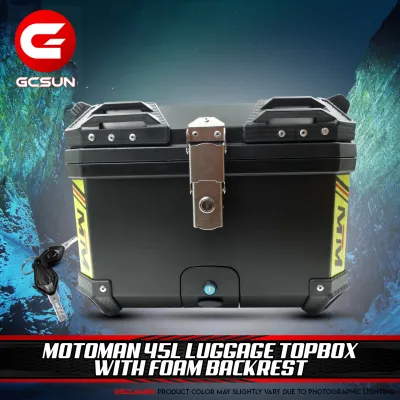
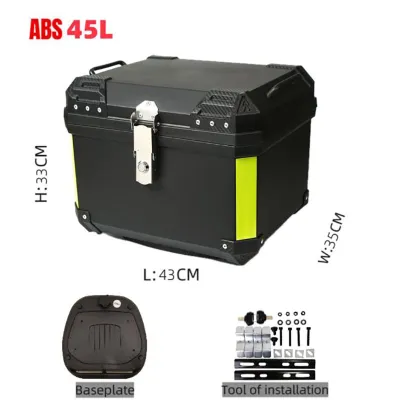
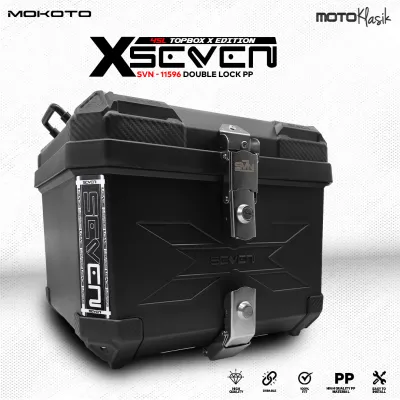
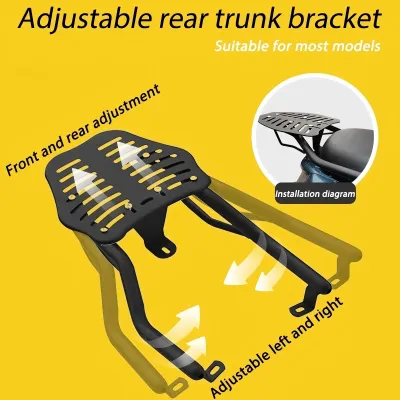
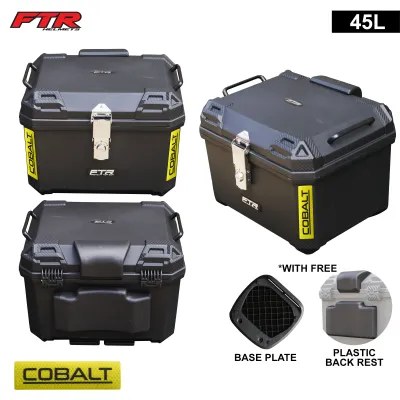
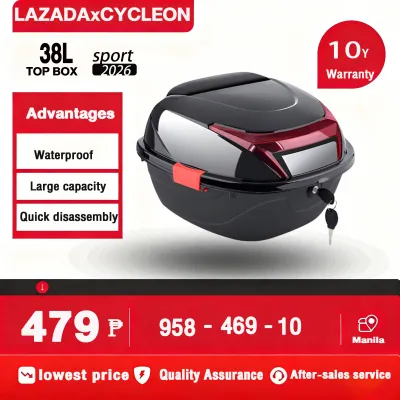
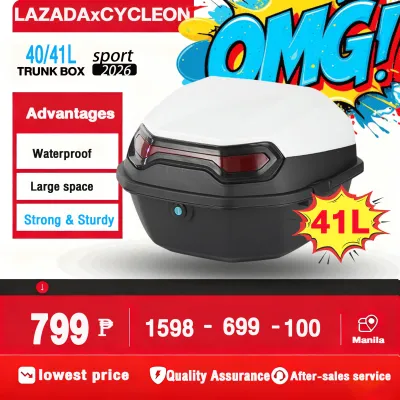
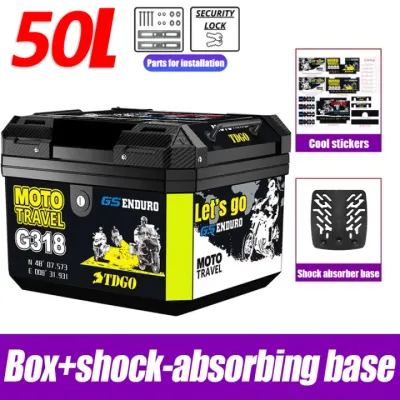
Prices are valid at publication and may change. Please refer to the product page for the latest price.
Traffic dynamics in major cities demand agility. Stop-and-go traffic and lane filtering require a motorcycle that remains balanced and narrow. A top box that is too wide or positioned too far back can alter your center of gravity, making low-speed maneuvers difficult. Keeping the box’s width within the profile of your handlebars or mirrors helps ensure you can navigate tight gaps safely.
If you frequently ride with a pillion passenger, rear clearance becomes a critical factor. The top box must be positioned so it does not crowd the passenger’s seating space or force them into an uncomfortable forward lean. Check if the box design allows for the installation of a backrest pad, and verify that the mounting position leaves sufficient clearance for the passenger to hold the grab rails safely.
Quick access is another daily necessity. When sudden rainstorms hit, you need to pull over and retrieve your rain gear within seconds. A top box with an intuitive, quick-opening latch allows you to access your gear with one hand while keeping your other hand on the handlebar, minimizing your exposure to the elements and traffic hazards.
Key Features to Evaluate in a Top Box
Security is paramount when parking on public streets or in busy commercial lots. Evaluate the locking mechanism carefully. Integrated single-key systems are highly convenient, allowing you to lock the box to the mounting plate and secure the lid with a single turn of the key. Some budget-friendly options rely on external padlock loops; while functional, these can be more cumbersome during quick stops and may be more vulnerable to tampering. Check the manufacturer’s documentation regarding lock cylinder durability and key replacement availability.

Weatherproofing is non-negotiable in a tropical climate. Look for a top box equipped with a robust rubber gasket or weather stripping along the lid’s mating surface. This seal prevents water from entering during heavy downpours or when washing the motorcycle. Check the product specifications for an official Ingress Protection (IP) rating, which indicates the level of protection against dust and water penetration. An internal lining, such as a padded fabric or foam insert, is also valuable for protecting sensitive electronics from road vibrations and moisture condensation.
A quick-release base plate system offers significant flexibility for daily commuters. This feature allows you to detach the entire top box from the motorcycle in seconds, transforming it into a portable suitcase. This is particularly useful if you park in unsecured areas and prefer to bring your valuables inside your workplace. When evaluating a quick-release system, inspect the locking tabs and mounting points on the base plate to ensure they are made of durable, impact-resistant materials that will not wear down from frequent attachment and removal.
Capacity and Size Guide for Urban Traffic
Selecting the right volume is a balancing act between storage utility and motorcycle dynamics. Top box capacities are typically measured in liters, ranging from compact 25-liter boxes to massive 50-liter-plus options. For a daily commuter, a box between 30 and 45 liters is generally the sweet spot. A 30-liter box can typically hold one standard full-face helmet, while a 45-liter box can often accommodate two open-face helmets or a single helmet alongside additional riding gear. Always verify the internal dimensions against your specific helmet, as modular or dual-sport helmets with prominent visors and ventilation ducts require more vertical clearance.
Larger top boxes introduce significant aerodynamic drag and can catch crosswinds, especially when riding on elevated highways or open coastal roads. This drag can affect fuel efficiency and stability at higher speeds. Furthermore, placing a heavy, high-volume box at the very rear of the motorcycle shifts the center of gravity upward and backward. This shift can lighten the front wheel, reducing steering feedback and traction during acceleration or cornering.
To maintain safe handling, you must cross-reference the combined weight of the top box, the mounting plate, and your daily cargo with the motorcycle manufacturer’s maximum recommended rear load limit. This limit is specified in your motorcycle’s owner’s manual. Exceeding this capacity can stress the subframe, potentially leading to structural cracks or failure over time, especially when riding over uneven road surfaces, potholes, or speed bumps.
Material and Durability Considerations
The materials used in top box construction directly impact its lifespan, weight, and resistance to environmental wear. High-impact plastics, such as ABS (Acrylonitrile Butadiene Styrene) and polypropylene, are popular for daily commuting. These materials are lightweight, relatively flexible, and capable of absorbing minor impacts without denting. When choosing a plastic box, review the manufacturer’s specifications for UV stabilizers. Without proper UV resistance, prolonged exposure to the intense sun can cause the plastic to become brittle, fade, and crack over time.
Aluminum alloy top boxes offer exceptional structural rigidity and a rugged aesthetic, but they are generally heavier and more rigid than their plastic counterparts. If you choose aluminum, verify the wall thickness and reinforcement patterns specified in the product manual. While aluminum provides excellent protection for valuable cargo, the added weight must be factored into your motorcycle’s total rear load calculations.
Pay close attention to the hardware components, including hinges, latches, and mounting rivets. In a humid, tropical environment, low-grade metal hardware will quickly rust, leading to stiff hinges and compromised locks. Look for specifications that detail the use of stainless steel or anodized aluminum for all external hardware. Regularly inspecting these components for signs of corrosion or wear is essential for ensuring the box remains securely closed while in transit.
Installation, Mounting, and Safety Checks
Before purchasing any top box, you must verify the compatibility of your motorcycle’s rear rack. The rear rack serves as the foundation for the top box mounting plate. Consult your motorcycle’s official owner’s manual to determine the structural load rating of the factory rack or grab rail. If your motorcycle does not have a pre-installed rack, you will need to purchase a model-specific aftermarket rack. Ensure the rack is designed specifically for your motorcycle’s make, model, and year to guarantee proper bolt alignment and structural integrity.
Once the mounting plate and top box are installed, perform a thorough physical inspection to ensure they do not obstruct any safety equipment. The box must not block the visibility of the taillight, brake light, or turn signals from any rear angle. Additionally, verify that the box does not interfere with the passenger grab rails or restrict the movement of the rear suspension.
There are certain scenarios where you should stop the installation and consult a qualified professional mechanic. If your motorcycle requires a custom-fabricated rack because a model-specific option is unavailable, professional welding and structural engineering are necessary to ensure safety. Similarly, if you choose a top box with integrated LED brake lights or turn signals, professional electrical routing is highly recommended. Improper splicing into the motorcycle’s wiring harness can cause electrical shorts, drain the battery, or void the manufacturer’s warranty.
Frequently Asked Questions (FAQ)
Can I install a top box on any motorcycle?
No, you cannot install a top box on every motorcycle without the proper mounting hardware. Most motorcycles require a model-specific rear rack or a reinforced grab rail designed to support the weight of a mounting plate and top box. Always check your motorcycle’s owner’s manual for the maximum weight capacity of the rear subframe before purchasing a rack or box. Installing a top box on an incompatible or unreinforced frame can lead to structural damage, compromised handling, and safety hazards on the road.
How do I prevent water from getting inside the top box?
To prevent water from entering your top box, regularly inspect the rubber weather stripping or gasket along the rim of the lid. Ensure the seal is clean, free of debris, and properly seated in its groove. You should also check the latch tension; if the latch is too loose, the lid will not compress the gasket sufficiently to create a watertight seal. Follow the manufacturer’s care instructions, which may recommend applying a silicone-based lubricant to the rubber seal periodically to prevent it from drying out and cracking under the sun.

Community discussion
Share your experience or ask a question. Comments are reviewed before publication.