
Riding a motorcycle in the Philippines demands a balance of vigilance, skill, and reliable protective gear. With unpredictable weather patterns ranging from intense tropical heat to sudden torrential downpours, your helmet is your primary line of defense on the road. Navigating the market requires more than just picking an appealing design or a familiar brand; it requires verifying that the helmet complies with local safety standards. The presence of official certification marks ensures that a helmet has undergone rigorous impact and penetration testing to protect your head during a collision. By understanding how to evaluate these certifications and what features are available at different price points, you can select a helmet that fits your budget while offering uncompromising protection.
Verifying PSB and ICC Certification Marks
In the Philippines, the Bureau of Philippine Standards (BPS) regulates motorcycle helmets to ensure they meet strict safety criteria. This regulation manifests as two distinct marks: the Philippine Standard (PS) quality mark—often referred to locally as the PSB mark—and the Import Commodity Clearance (ICC) sticker. The PS mark is typically issued for helmets manufactured locally, while the ICC sticker is affixed to imported helmets that have successfully passed verification and testing upon arrival. Both marks serve as official proof that the helmet complies with the revised guidelines of the Land Transportation Office (LTO) and national safety laws.
To verify these marks, you must perform a close physical inspection of the helmet. Genuine ICC stickers are holographic, reflecting a distinct color shift when tilted under light, and they feature a unique serial number that can be cross-referenced with official databases. These stickers are usually placed on the rear of the helmet shell or on the chin strap. On some certified helmets, you may also find the PS mark embossed directly onto the shell or printed clearly on an indestructible label stitched into the retention system.
Products mentioned in this guide
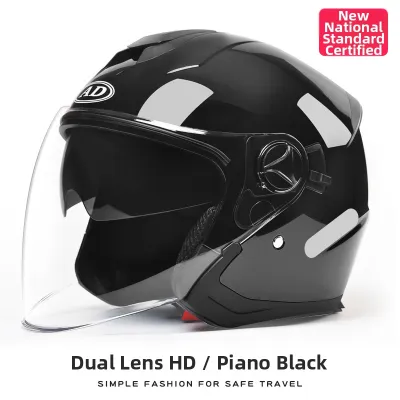
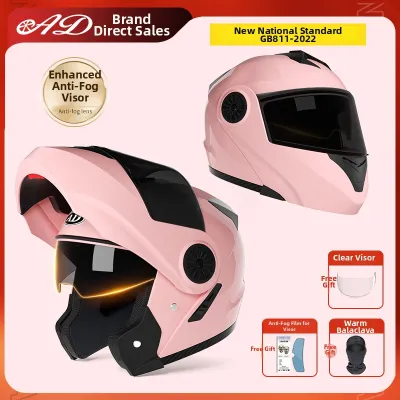
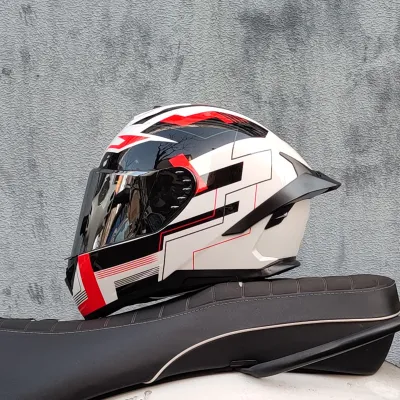
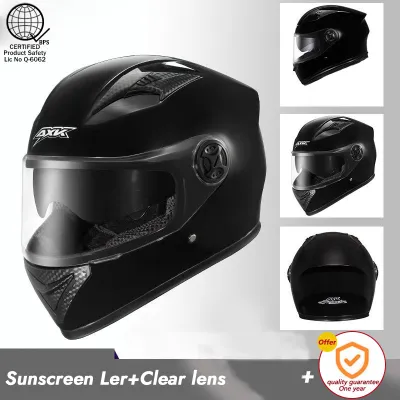
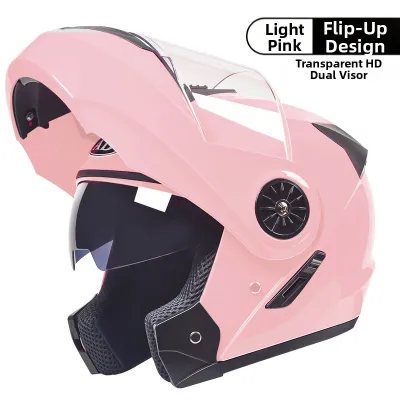
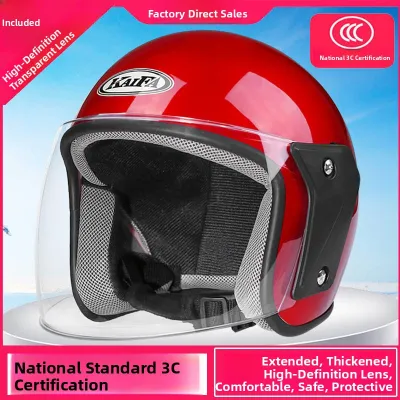
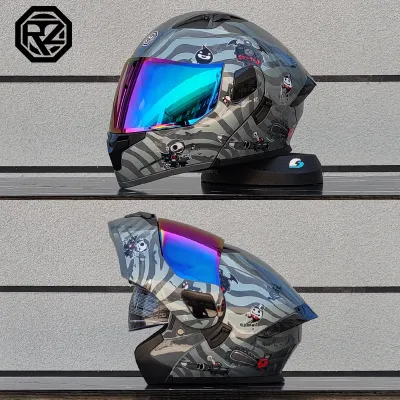
Prices are valid at publication and may change. Please refer to the product page for the latest price.
Be highly cautious when purchasing gear online, as some sellers use edited product photos or misleading titles to claim certification. A simple printed sticker that lacks holographic properties, has blurry text, or is easily peeled off is a major red flag. Never rely solely on a seller’s written assurance; always request clear, unedited close-up photos of the actual certification sticker and its serial number before finalizing your purchase.
Defining Your Budget Priorities and Trade-offs
When allocating your budget for a motorcycle helmet, safety must always take precedence over aesthetic features or brand prestige. The core purpose of a helmet is energy management during an impact, which relies heavily on shell integrity and the shock-absorbing expanded polystyrene (EPS) liner. A secure retention system, such as a double D-ring or a high-quality micrometric buckle, is non-negotiable because it keeps the helmet firmly on your head during a slide or secondary impact. Additionally, a clear, optically correct, and scratch-resistant visor is essential for maintaining visibility during night rides or sudden rainstorms.

If you are working with a limited budget, you will need to make conscious trade-offs on convenience and comfort features rather than safety. Lower-priced certified helmets often use heavier shell materials, which can lead to neck fatigue during long rides. They may also feature simpler, non-adjustable ventilation ports and basic interior fabrics that do not wick moisture as effectively. While these trade-offs affect how comfortable you feel during a hot afternoon commute, they do not compromise the helmet’s ability to protect your skull in an accident.
If your budget only allows for uncertified, suspiciously cheap helmets, it is highly recommended to delay your purchase or save up until you can afford a certified option. Riding with an uncertified helmet exposes you to severe head injuries, as these substandard products often crack easily or fail to absorb impact energy. Investing in a certified helmet is a direct investment in your life, and waiting until you can afford a genuine PS or ICC-marked helmet is the only responsible choice.
What to Expect Across Different Price Tiers
Evaluating motorcycle helmets requires looking beyond the price tag to understand the relationship between manufacturing materials and overall performance. While all certified helmets meet the same baseline safety standards, higher price points reflect advanced engineering, lighter materials, and enhanced rider comfort. As manufacturing costs increase, manufacturers can utilize sophisticated shell constructions and refined aerodynamic designs that minimize wind resistance and cabin noise.
Entry-Level: Budget-Friendly Options
Entry-level certified helmets are designed primarily for short commutes, city riding, or occasional passengers. These helmets, typically priced under ₱2,500, feature shells made from standard Acrylonitrile Butadiene Styrene (ABS) plastic, which is highly impact-resistant but inherently heavy. To keep production costs low, manufacturers equip these models with basic clear visors and simple, non-adjustable ventilation channels.
The primary trade-offs in this tier are weight and interior comfort. The heavier ABS shell can cause noticeable neck strain during extended rides, especially in stop-and-go traffic. The interior padding is usually made of standard foam covered in basic polyester fabric, which may feel scratchy against the skin and retain sweat during hot, humid days. Ventilation is often limited to a few fixed intake and exhaust ports, offering minimal airflow when riding at lower speeds.
Mid-Range: The Daily Commuter Balance
For daily commuters who spend hours on the road, mid-range helmets offer an excellent balance of cost, comfort, and functionality. In this tier, which generally ranges from ₱2,500 to ₱6,000, manufacturers often use advanced polycarbonate shells, which are lighter and stronger than standard ABS. This reduction in weight significantly improves comfort during long daily rides through congested urban areas.
Mid-range helmets frequently feature multi-channel ventilation systems with adjustable sliders, allowing you to control the airflow depending on the weather. They also commonly include integrated drop-down inner sun visors, which protect your eyes from intense tropical glare without requiring you to swap visors. The interior comfort is vastly improved with moisture-wicking, hypoallergenic fabrics, and fully removable, washable cheek pads that help manage sweat and prevent odor buildup over time.
Premium: Advanced Materials and Comfort
Premium helmets represent the pinnacle of riding gear technology, designed for long-distance touring, high-speed riding, or riders who demand the absolute best in comfort and protection. With prices often exceeding ₱8,000, these helmets utilize advanced composite shells made of fiberglass, aramid fibers, or carbon fiber. These materials offer exceptional structural strength while drastically reducing the overall weight of the helmet, virtually eliminating neck fatigue.
In addition to superior materials, premium helmets are engineered with advanced aerodynamic profiles that minimize wind buffeting and significantly reduce wind noise inside the helmet. They come equipped with high-grade, optically correct visors that are ready for anti-fog insert lenses, which are invaluable for maintaining clear vision during heavy monsoon rains. Other high-end safety features include emergency quick-release cheek pads, which allow medical personnel to safely remove the helmet in the event of an accident without straining the rider’s neck.
Purchasing Safely and Avoiding Counterfeits
To ensure you are purchasing a genuine, certified helmet, always buy from authorized dealers, official brand stores, or reputable physical motorcycle accessory shops. Physical stores allow you to try on the helmet to ensure a perfect fit, which is critical for safety, while also giving you the opportunity to inspect the certification marks in person. If you prefer to buy online, stick to official flagship stores on major ecommerce platforms and avoid unverified third-party sellers offering deals that seem too good to be true.
When your helmet is delivered, perform a thorough inspection before wearing it or discarding the packaging. Check the manufacturing date, which is usually printed on a sticker inside the helmet under the comfort liner; helmets older than five years from their production date should generally be avoided as the materials can degrade over time. Verify that the ICC or PS sticker is intact, has sharp printing, and displays a valid hologram. Ensure the helmet is packaged in its original box with a branded dust bag, user manual, and any included accessories.
If you notice any signs of tampering, such as a peeling sticker, mismatched serial numbers, or a lack of proper packaging, do not use the helmet. Utilize the return and refund policies of the ecommerce platform immediately to report the seller and secure a refund. Riding with a counterfeit helmet is extremely dangerous, and taking advantage of buyer protection programs is your best defense against fraudulent sellers.
Frequently Asked Questions (FAQ)
Can I use a helmet with only a DOT or ECE certification in the Philippines?
While Department of Transportation (DOT) and Economic Commission for Europe (ECE) certifications are highly respected international safety standards, they do not automatically grant legal road compliance in the Philippines. By law, all motorcycle riders must wear helmets that bear the official PS or ICC certification marks. If you purchase an imported helmet that carries a DOT or ECE rating, it must still go through the BPS verification process to receive an official ICC sticker before it can be legally used on public roads.
How often should I replace my PSB-certified motorcycle helmet?
As a general rule, helmet manufacturers recommend replacing your helmet every five years from the date of purchase, or seven years from the date of manufacture, whichever comes first. Over time, exposure to sweat, hair oils, UV rays, and extreme tropical heat degrades the protective EPS liner and shell materials, reducing their effectiveness. Crucially, you must replace your helmet immediately after any significant impact or crash, even if there is no visible damage, as the internal EPS liner is designed to deform once to absorb impact energy and cannot protect you a second time.
Are open-face helmets with PSB certification as safe as full-face ones?
While an open-face helmet can receive PS or ICC certification by meeting the required safety standards for the areas it covers, it does not offer the same level of protection as a full-face helmet. Full-face helmets provide critical coverage for the chin, jaw, and face, which are statistically the most common impact zones in motorcycle accidents. Open-face helmets are suitable for low-speed city riding where maximum ventilation is desired, but for high-speed travel or maximum safety, a full-face helmet is always the superior choice.

Community discussion
Share your experience or ask a question. Comments are reviewed before publication.