
Choosing a modular helmet in the Philippines requires balancing the convenience of an open-face design with the robust protection of a full-face model. For daily commuters navigating the congested, humid streets of Metro Manila or embarking on long weekend rides across provincial highways, the modular helmet offers an adaptable solution. You can easily flip up the chin bar for a breath of fresh air while stationary at a red light, then lock it down for full-face protection once you hit the open road. However, finding a helmet that fits your budget while ensuring uncompromising safety requires a systematic approach.
To make an informed decision, you must look beyond aesthetic appeal and focus on verified safety standards, mechanical integrity, and tropical comfort. The market is flooded with various options, making it easy to fall for stylish designs that may lack actual protective capabilities. By understanding how to verify safety certifications, prioritize essential features, and inspect mechanical components, you can secure a reliable helmet that protects your head without breaking the bank.
Verifying Mandatory Safety Certifications
In the Philippines, motorcycle helmets must meet strict national safety standards to be legally road-compliant. The Department of Trade and Industry (DTI) regulates these standards through two primary marks: the Philippine Standard (PS) mark and the Import Commodity Clearance (ICC) sticker. The PS mark is typically issued for locally manufactured helmets, while the ICC sticker is affixed to imported helmets that have successfully passed rigorous safety and impact testing. Riding without a helmet carrying these official marks is not only illegal but also puts your life at serious risk.
Products mentioned in this guide
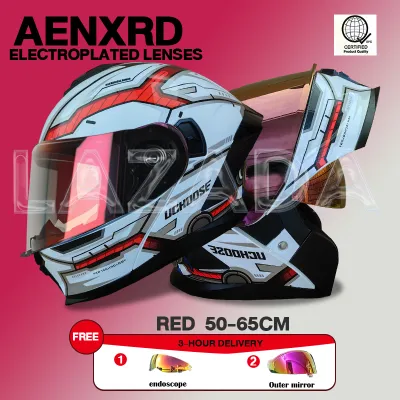
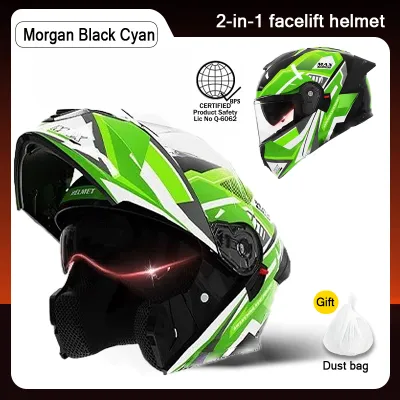
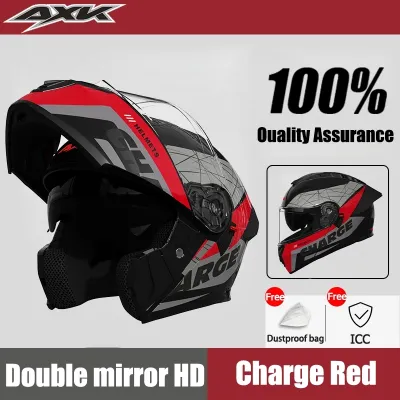
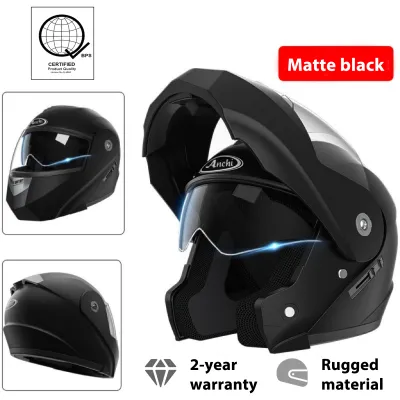
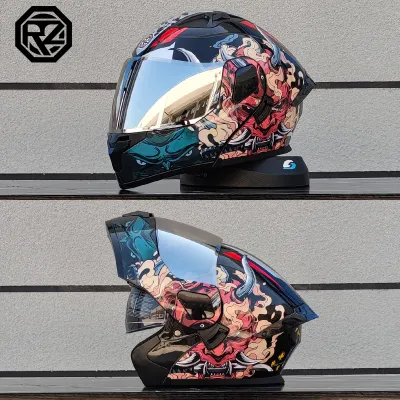
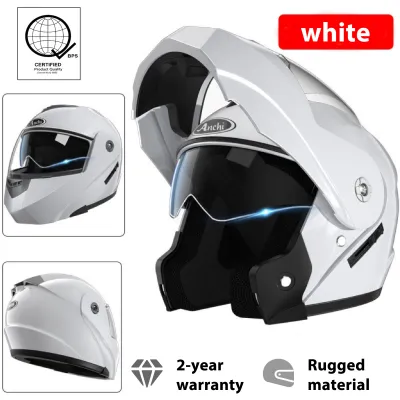
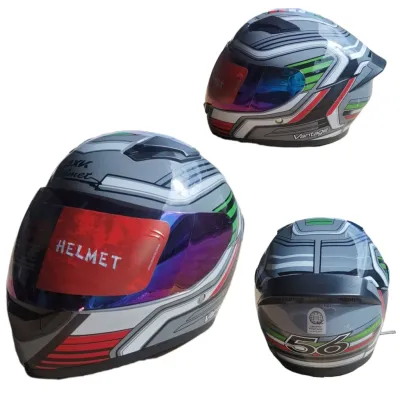
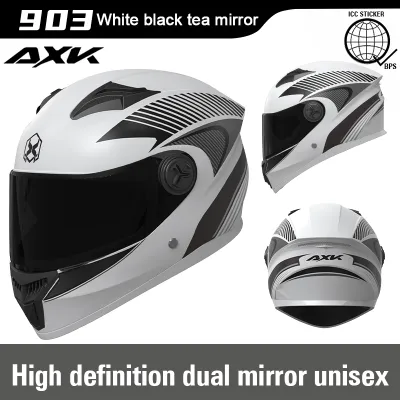
Prices are valid at publication and may change. Please refer to the product page for the latest price.
To physically inspect a helmet for safety compliance, look at the back or lower rear section of the outer shell. A genuine ICC sticker features a unique serial number, a holographic background that shifts color when tilted under light, and often a QR code on newer batches. You can verify the authenticity of these marks by cross-referencing the serial number with the official DTI Bureau of Philippine Standards database or using official government verification apps. If the sticker looks like a cheap, flat photocopy or lacks a unique serial number, treat the helmet as highly suspicious.
While international certifications such as the Economic Commission for Europe (ECE 22.05 or ECE 22.06) and the Department of Transportation (DOT) standard are excellent indicators of global safety testing, they do not replace local legal requirements. A helmet may possess a high ECE rating, but it must still carry the official physical PS or ICC sticker to be legally compliant on Philippine roads. Never rely solely on a seller’s verbal or written claims of certification; always perform a physical check of the sticker and verify it through official channels before completing your purchase.
Setting Budget Priorities and Acceptable Trade-offs
When establishing your budget for a modular helmet, it helps to understand what different price tiers offer. Entry-level helmets focus primarily on basic safety compliance, utilizing standard polycarbonate shells and simpler ventilation systems. Mid-range options introduce better aerodynamics, lighter materials, and more refined interior liners. Premium modular helmets often feature advanced composite shells, such as fiberglass or carbon fiber, which significantly reduce weight and neck fatigue during long rides.

Regardless of how much you plan to spend, certain safety features are completely non-negotiable. The chin bar locking mechanism is the single most critical safety component of a modular helmet. In a crash, a weak mechanism can fail, causing the chin bar to fly open and expose your face to direct impact. You must ensure that the helmet utilizes robust, metal-to-metal locking pins rather than plastic latches. Additionally, a secure retention system, such as a high-quality micrometric buckle or a double-D ring system, is essential to keep the helmet firmly on your head during an accident.
To stay within a lower budget, you must be willing to accept certain practical trade-offs that do not compromise your safety. For instance, budget-friendly helmets are often heavier because they use thicker polycarbonate shells. They may also have higher levels of wind noise at highway speeds due to simpler neck rolls and visor seals. The ventilation ports might be basic, requiring manual adjustment, and the interior padding may wear out faster than the premium, moisture-wicking fabrics found in high-end models. These trade-offs affect comfort and convenience, but they do not reduce the helmet’s ability to absorb impacts.
When calculating your total budget, remember to factor in essential accessories that may not come standard with lower-priced helmets. A Pinlock or anti-fog insert is highly recommended for riding in the Philippines, where sudden tropical downpours can instantly fog up your visor and blind you in heavy traffic. If you plan to ride with a group or use navigation apps, check if the helmet has dedicated speaker pockets for a Bluetooth communication system. Buying a slightly cheaper helmet that already includes these features or has built-in compatibility can save you money in the long run.
Evaluating Core Modular Features Within Your Price Range
Before purchasing any modular helmet, you should perform a hands-on evaluation of its mechanical and functional components. Start by testing the chin bar hinge and locking mechanism multiple times. Operate the release button, which is typically located under the chin curtain. The mechanism should glide smoothly to the fully open position and lock back down with a reassuring, metallic click. If the movement feels gritty, loose, or requires excessive force to latch, the internal springs or pins may be of poor quality.
Next, examine the visor system closely. The primary outer shield should offer excellent optical clarity without distorting your vision, especially at the periphery. Check how easily the visor can be cracked open slightly for demisting, and verify if it has a reliable tool-free removal mechanism for quick cleaning. Most modular helmets also feature a drop-down inner sun visor. Test the slider mechanism for this sun shield; it should deploy and retract smoothly without slipping down on its own when you shake your head or simulate riding over bumpy roads.
Given the intense heat and humidity of the Philippine climate, the interior lining of the helmet deserves careful inspection. Look for a helmet with a fully removable and washable comfort liner, including the cheek pads and crown pad. This allows you to wash away sweat, hair oils, and road grime, preventing the buildup of mold and unpleasant odors. The padding should feel firm and supportive against your cheeks and temples, ensuring a snug fit without creating painful pressure points. If you wear eyeglasses, check if the cheek pads feature dedicated channels to accommodate the frames comfortably.
Navigating Purchases and Avoiding Counterfeit Gear
To protect yourself from substandard and counterfeit riding gear, you must be highly selective about where you shop. Always prioritize purchasing from authorized brand distributors, official flagship stores on major e-commerce platforms, or well-established physical motorcycle accessories shops. These retailers source their inventory directly from manufacturers, ensuring that the safety certifications and warranties are genuine. Avoid buying from unverified third-party sellers who offer deals that seem too good to be true.
Counterfeit helmets are a major hazard on the road, as they are often made of cheap, brittle plastics that shatter upon impact. Common red flags of fake gear include unusually low prices, flimsy or generic packaging, the absence of an official brand box or dust bag, and missing user manuals. Inspect the physical construction of the helmet; poor paint finishes, misaligned seams, loose rubber seals, and chemical-smelling adhesives are clear indicators of a counterfeit product. Additionally, fake safety stickers often have blurry text, incorrect logos, or serial numbers that do not match any official database.
If you choose to buy online, make sure to inspect the helmet immediately upon delivery before confirming the receipt of the item. Put the helmet on to verify the fit, test the modular hinge mechanism, and carefully examine the EPS liner—the shock-absorbing foam inside the shell—for any cracks, compressions, or defects. If you notice any signs of damage, poor craftsmanship, or suspicious safety markings, do not use the helmet. Utilize the e-commerce platform’s return and refund policy immediately to send the product back and report the seller.
Frequently Asked Questions (FAQ)
Is it safe to ride with the chin bar flipped up on a modular helmet?
Generally, it is not safe to ride with the chin bar flipped up unless the helmet is explicitly dual-homologated, which is often indicated by a P/J certification mark on the chin strap or shell. Standard modular helmets are designed and safety-tested to protect you only when the chin bar is fully closed and locked. Riding with the chin bar open exposes your face to road debris, insects, and severe impact during a fall. Furthermore, an open chin bar acts like a sail, catching the wind at high speeds, which can cause severe neck strain and destabilize your ride. You should also check local traffic ordinances, as some local government units in the Philippines strictly prohibit riding with an open-face or flipped-up helmet configuration.
How often should I replace my modular helmet?
Industry standards recommend replacing your motorcycle helmet every three to five years of regular use, or seven years from its manufacture date, whichever comes first. Over time, the protective EPS liner inside the helmet gradually degrades due to exposure to sweat, hair oils, cosmetics, extreme tropical heat, and UV rays, reducing its ability to absorb impacts effectively. You must replace your helmet immediately if it is involved in any accident or dropped from a significant height, even if there is no visible damage on the outer shell. Additionally, if the chin bar locking mechanism becomes loose, fails to latch securely, or if the retention strap shows signs of fraying, you should retire the helmet immediately.

Community discussion
Share your experience or ask a question. Comments are reviewed before publication.