
Selecting the right rubberized raincoat for motorcycle riding in the Philippines is the difference between arriving at your destination bone-dry or completely drenched from both rainwater and trapped sweat. To make the correct choice, you must prioritize complete seam integrity (such as heat-welded or fully taped seams), high-visibility safety features, and a relaxed fit that comfortably accommodates your riding gear. While rubberized materials offer unmatched water resistance against heavy tropical downpours, selecting the wrong style or fit can compromise your safety and comfort on the road.
Evaluating these factors systematically ensures that your rain gear remains a reliable shield rather than a safety hazard. By understanding the unique demands of tropical riding, assessing critical design elements, and choosing the appropriate style for your daily commute, you can confidently navigate the wet season.
Why Daily Commuting in the Philippines Demands Specific Rain Gear
Motorcycle commuting in the Philippines presents a unique set of environmental challenges, particularly during the wet season. The country experiences intense tropical downpours, often brought by the southwest monsoon (habagat) and frequent typhoons. These storms can transform dry streets into flooded, chaotic roadways in a matter of minutes. Navigating high-traffic corridors like EDSA, C5, or busy provincial highways in heavy rain requires undivided attention, making reliable protective gear an absolute necessity.
Products mentioned in this guide
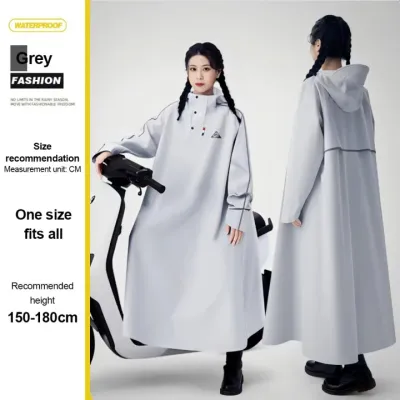
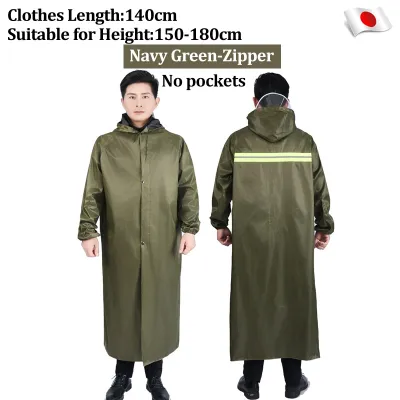
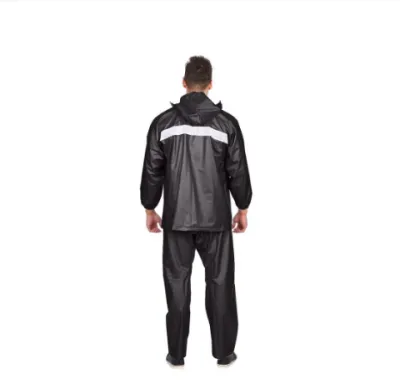
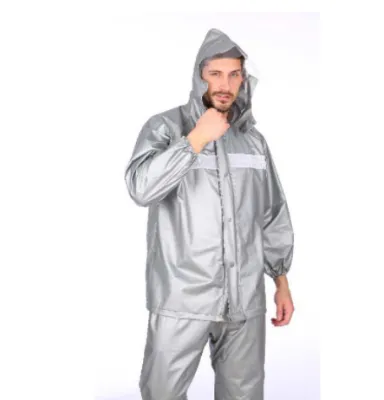
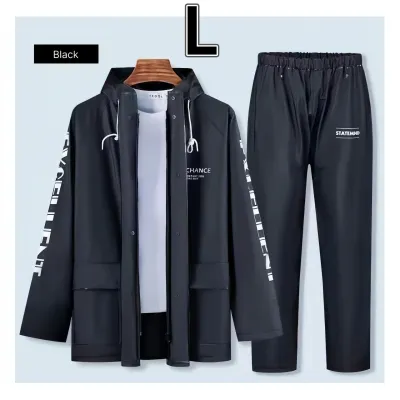
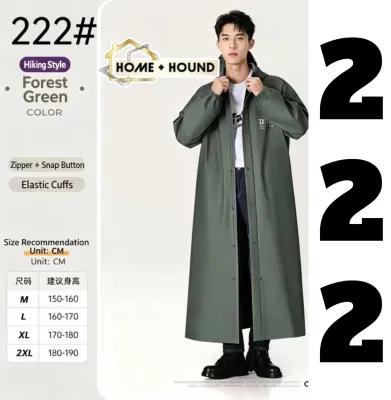
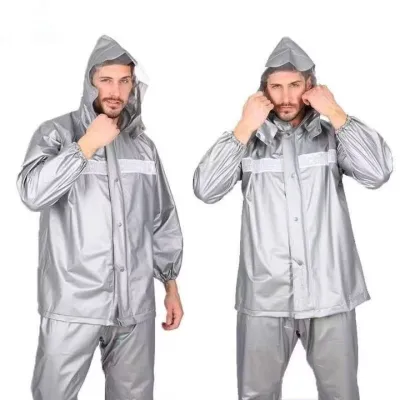
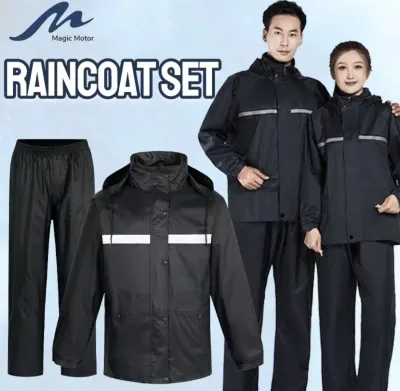
Prices are valid at publication and may change. Please refer to the product page for the latest price.
For the daily commuter, the primary goal of rain gear is straightforward: keep work clothes, uniforms, and personal electronics dry. Because downpours often strike without warning, riders need gear that is quick to put on and take off on the roadside. Furthermore, space is always at a premium on a motorcycle. A practical raincoat must be compact enough to fold down and store easily inside an under-seat compartment (U-box) or a rear top box without taking up all available cargo space.
This is where a rubberized raincoat—typically constructed from heavy-duty polyvinyl chloride (PVC) or rubber-coated polyester—becomes a highly practical choice. Unlike high-end breathable membranes like Gore-Tex, which are expensive and can eventually saturate under the relentless pressure of a tropical deluge, rubberized materials form a literal, impenetrable physical barrier against water. They are highly durable, highly resistant to wind pressure, and generally affordable, with quality options ranging from ₱800 to ₱2,500 in the local market.
However, rubberized materials come with distinct trade-offs that you must manage. Because they are completely non-porous, they offer zero breathability. This lack of ventilation traps body heat and sweat inside the suit, creating a warm “sauna effect” during humid rides. To mitigate this, you must look for rubberized raincoats that incorporate smart design features, such as back ventilation flaps and mesh inner linings, to balance absolute waterproof performance with basic rider comfort.
Key Features to Evaluate for Safety and Comfort
Not all rubberized rain gear is manufactured to the same standard. When shopping for a rubberized raincoat, you must look past the basic material name and evaluate the specific construction details that dictate how well the garment will perform at speed.

Waterproof Construction and Seam Integrity
The most common failure point in any raincoat is not the fabric itself, but the seams where the panels are stitched together. Standard sewing needles leave thousands of tiny holes in the fabric. Under the intense wind pressure of riding at 50 to 60 km/h, rainwater will easily force its way through these needle punctures, resulting in damp spots along your shoulders, chest, and crotch.
To prevent this, you must verify how the seams are sealed. Look for garments featuring high-frequency heat-welded seams or heavy-duty interior waterproof tape. Heat welding fuses the rubberized panels together into a single, continuous sheet, making the seams just as waterproof as the main fabric. Always check the manufacturer’s product description or inspect the inside of the garment to confirm the presence of these sealed seams.
Beyond the seams, pay close attention to potential water entry points:
- Storm Flaps: The main front zipper must be covered by a wide storm flap. Ideally, this flap should feature a double-fold design secured by heavy-duty snaps or velcro to prevent wind-driven rain from penetrating the zipper teeth.
- Adjustable Cuffs: Look for wrists with adjustable velcro straps or tight elastic inner cuffs. These seals prevent rain from blowing up your sleeves as you grip the handlebars.
- Ankle Closures: The pants of a two-piece suit should feature wide openings with snap or velcro adjusters. This allows you to easily slip the pants over your riding boots while still allowing you to cinch the ankles tight to prevent water from riding up your legs.
Visibility and Night Riding Safety
Heavy tropical downpours severely reduce road visibility for all motorists. Spray from passing trucks, fogged-up car windows, and water-streaked helmet visors make it incredibly difficult for other drivers to spot a motorcycle rider. Wearing a dark grey or black raincoat in these conditions makes you virtually invisible, drastically increasing the risk of a collision.
To stay safe, you should prioritize raincoats with high-visibility base colors. Neon yellow, high-visibility green, and bright orange are the most effective options for daytime and twilight riding. These colors stand out sharply against the grey, washed-out background of a rainy highway.
For night riding, retroreflective strips are mandatory. Ensure the raincoat features wide reflective bands positioned strategically across the upper back, chest, and sleeves. This placement ensures that you catch the headlights of approaching and overtaking vehicles from multiple angles, including your side profile when navigating intersections.
When buying, inspect the quality of the reflective material. On cheaper raincoats, reflective elements are often simple silver paint that quickly cracks, peels, or fades after being folded and stuffed into a storage box. Look for heat-transferred reflective tape or stitched-on reflective fabric designed to withstand repeated folding and exposure to wet, humid conditions.
Fit, Mobility, and Helmet Compatibility
A raincoat that is too tight is both uncomfortable and dangerous. When riding, you need a full, unrestricted range of motion to steer, check your blind spots, and react to sudden hazards. A tight raincoat will pull across your shoulders and back when you reach for the handlebars, which not only restricts your controls but also places immense stress on the seams, eventually causing them to tear.
To avoid this, look for a relaxed, “over-gear” fit. The raincoat must be sized generously enough to fit comfortably over your daily work clothes, a light jacket, or a fully armored riding jacket without binding. Look for design features that enhance mobility, such as gusseted underarms, articulated elbows, and adjustable waist straps that allow you to cinch excess fabric and prevent the jacket from ballooning at highway speeds.
Finally, evaluate the design of the hood. A proper motorcycle raincoat should feature a hood that either rolls up and zips neatly into the collar or is completely detachable.
- Safety Warning: Never wear a loose, fabric hood under your motorcycle helmet. Doing so prevents the helmet from fitting securely against your head, compromises the helmet's safety liner, and can severely restrict your neck movement and peripheral vision. In the event of an accident, a bunched-up hood under a helmet can cause severe neck strain or injury. If you must use the hood when walking off the bike, ensure it is fully stowed or detached before putting your helmet on to ride.
Two-Piece Suits vs. Ponchos: Matching the Style to Your Ride
Motorcycle rain gear generally falls into two categories: two-piece suits consisting of a separate jacket and pants, and one-piece rain ponchos (often referred to locally as “kapote”). Choosing between these styles depends heavily on your typical commuting distance, travel speeds, and the type of motorcycle you ride.
Two-Piece Suits (Jacket and Pants)
For the vast majority of daily commuters, a two-piece rubberized suit is the gold standard for safety and protection. This style provides complete, 360-degree coverage from your neck down to your ankles, shielding you from both falling rain and the dirty water splashed up by your own tires and passing vehicles.
- Pros: Exceptional wind resistance, secure fit at high speeds, and complete lower-body protection. It keeps your trousers dry and prevents water from pooling in your lap.
- Cons: It takes longer to put on and take off, requiring you to pull over and remove your shoes or boots to slip the pants on. It also takes up more storage space in your top box or U-box compared to a simple poncho.
- Best For: Riders traveling distances longer than 5 kilometers, those who commute on expressways or major thoroughfares at speeds above 40 km/h, and anyone riding underbones, manual motorcycles, or larger displacement bikes.
Rain Ponchos
Rain ponchos are loose, drape-style garments that slip over your head. While they are incredibly popular due to their low cost and extreme convenience, they carry significant safety risks when used on a moving motorcycle.
- Pros: Extremely fast to put on during a sudden downpour, highly compact, and very cheap. On step-through scooters, a poncho can sometimes be draped over the front apron to keep your hands and legs dry at a standstill.
- Cons: Ponchos offer almost no protection against side-splashes or wind-driven rain, leaving your lower legs and back vulnerable to getting wet. They also trap air, causing them to balloon violently at speed.
- Best For: Short, low-speed trips (under 30 km/h) on quiet residential streets or for scooter riders who only need to travel a few blocks to the local market.
Safety Limitations and Risks of Ponchos
You must understand the severe safety hazards associated with wearing a loose poncho on a motorcycle. At speeds exceeding 30 km/h, the loose fabric of a poncho acts like a sail, catching the wind and creating significant aerodynamic drag. This can destabilize your motorcycle, making it difficult to maintain balance, especially in strong crosswinds.
More critically, the long, flapping tail of a poncho poses a severe entanglement hazard. Loose fabric can easily get caught in the moving parts of your motorcycle, such as the rear wheel, chain, sprocket, or brake assembly. If the fabric snags while you are riding, it can instantly lock up the rear wheel or pull you off the motorcycle, resulting in a catastrophic crash. For this reason, riders of underbones and manual motorcycles with exposed drive chains should never wear a loose poncho. If you choose to use a poncho on a scooter, you must ensure that all loose fabric is tucked securely under your thighs or sat upon to prevent it from flapping.
Practical Care and Storage for Rubberized Materials
To get the longest life out of your rubberized raincoat and maintain its waterproof properties, you must care for it properly. Rubberized coatings like PVC are durable, but they can degrade quickly if subjected to improper cleaning, extreme heat, or poor storage habits.
Cleaning Your Gear
After riding in heavy rain, your raincoat will often be coated in road grime, oil residue, and mud.
- Step 1: Lay the raincoat flat on a clean surface or hang it up.
- Step 2: Use a soft, damp cloth and a mild, non-detergent soap (such as diluted dish soap or baby shampoo) to gently wipe away dirt and grime.
- Step 3: Rinse the soap off with cool, clean water.
- Warning: Never use harsh chemical cleaners, bleach, solvents, or abrasive scrubbing pads. These chemicals will dissolve the rubberized coating and ruin the adhesive tape on the interior seams. Never wash your rubberized raincoat in a washing machine or spin-dry it, as the mechanical agitation will crack the waterproof barrier and peel the seams apart.
Drying Safely
Proper drying is critical to preventing material degradation and hygiene issues.
- Step 1: Hang the jacket and pants on wide, plastic hangers to help them retain their shape.
- Step 2: Place the gear in a shaded, well-ventilated indoor area or a covered outdoor space with good airflow.
- Warning: Never dry your rubberized raincoat under direct sunlight. Intense UV rays and high tropical temperatures will cause the rubber or PVC to dry out, become brittle, crack, and eventually peel off the fabric backing. Additionally, keep the gear far away from artificial heat sources like exhaust pipes, engines, or home heaters, which can melt the rubberized material.
Storage and Preventing "Blocking"
Storing a damp raincoat is a recipe for disaster. Moisture trapped inside folded gear creates a breeding ground for mold, mildew, and foul, sour odors that are incredibly difficult to eliminate. Always ensure the gear is 100% dry inside and out before folding it.
When storing dry gear, avoid compressing it tightly into a tiny pouch for extended periods. Over time, heat and pressure can cause the rubberized surfaces to stick together—a phenomenon known as “blocking.” When you attempt to unfold the raincoat, the fused layers can tear and peel away from the fabric backing, permanently ruining the waterproof seal.
Instead, fold the raincoat loosely and store it in a cool, dry place. If you are storing it for the off-season, hanging it in a closet is the best option. Always check the applied product’s label and the treated item’s manufacturer instructions for specific care guidelines. If instructions conflict, prioritize the manufacturer’s directions to ensure you do not void any warranties or damage the material.
Frequently Asked Questions (FAQ)
Can I wear a rubberized raincoat over a padded riding jacket?
Yes, you can wear a rubberized raincoat over a padded riding jacket, but you must size up significantly to accommodate the extra bulk. If you normally wear a size Medium riding jacket, you will likely need a Large or Extra-Large raincoat. Before purchasing, put on your armored jacket and measure your chest and shoulder width, then compare these measurements to the raincoat’s sizing chart. A tight fit over armor will restrict your arm movement, make it difficult to reach your handlebars safely, and put excessive tension on the raincoat’s seams, leading to premature tearing.
How do I safely repair a small tear in the rubberized coating?
For minor punctures or small tears (under one inch) not located on a seam, you can perform a safe, temporary repair using a flexible waterproof repair tape (such as TPU-based gear tape) or a specialized flexible rubber adhesive. Clean the area thoroughly with water and allow it to dry completely. Apply the patch to the exterior of the coat, rounding the corners of the tape to prevent them from peeling. If the tear is large, located directly on a high-stress seam, or near a zipper, a DIY repair will not hold up to wind pressure at speed, and you should replace the garment to ensure your safety and dryness.
Will a rubberized raincoat keep me completely warm in cold rain?
No, a rubberized raincoat does not provide thermal insulation. Its sole purpose is to act as a windproof and waterproof barrier. While it will protect you from the chilling effects of wind and rain, the non-breathable fabric will trap sweat, which can actually make you feel cold and clammy once you stop moving. If you are riding in cooler upland areas (such as Baguio, Tagaytay, or the Marilaque Highway) or during cold night storms, you should wear a dedicated thermal base layer, fleece, or long-sleeved shirt underneath your riding gear to maintain your body temperature.

Community discussion
Share your experience or ask a question. Comments are reviewed before publication.