
Choosing a retro-style motorcycle helmet in the Philippines means balancing classic aesthetics with modern safety standards. While vintage designs evoke a timeless sense of freedom on the road, your helmet remains your primary line of defense against head injuries. Navigating the local market requires a keen eye for genuine safety certifications, a clear understanding of what different price points offer, and a practical approach to inspecting build quality. Whether you are navigating the congested streets of Metro Manila or cruising along coastal highways, prioritizing certified protection over pure style is the most critical decision you will make before starting your engine.
How to Verify Safety Certifications on Retro Helmets
Safety certifications are non-negotiable when selecting any riding gear, especially retro helmets where minimalist designs can sometimes compromise structural integrity. In the Philippines, every motorcycle helmet used on public roads must comply with local safety regulations. This compliance is typically indicated by the Import Commodity Clearance (ICC) sticker or the Philippine Standard (PS) mark. These local marks signify that the helmet has undergone rigorous testing to meet national safety standards, ensuring it can absorb and distribute impact forces effectively during a collision.
Beyond local markings, reputable retro helmets often carry international certifications such as the United States Department of Transportation (DOT) standard or the Economic Commission for Europe (ECE) 22.05 or 22.06 standards. The ECE 22.06 standard, in particular, involves stringent testing for rotational acceleration and impact resistance at various angles. When inspecting a vintage-style helmet, look for these certification codes clearly printed or sewn into the helmet’s retention system, inner EPS liner, or rear outer shell.
Products mentioned in this guide
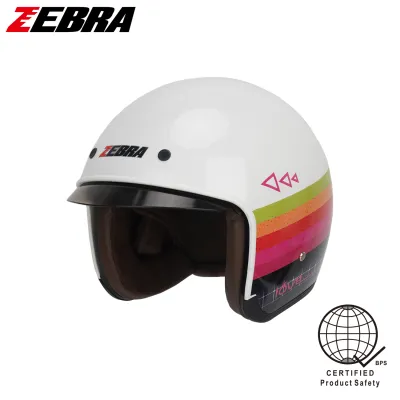
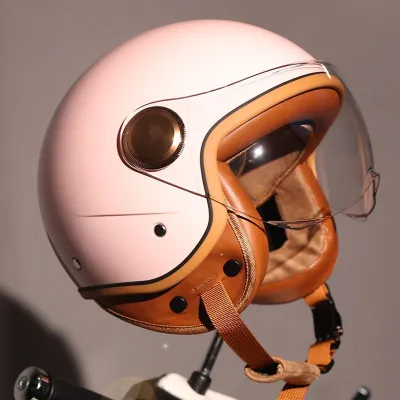
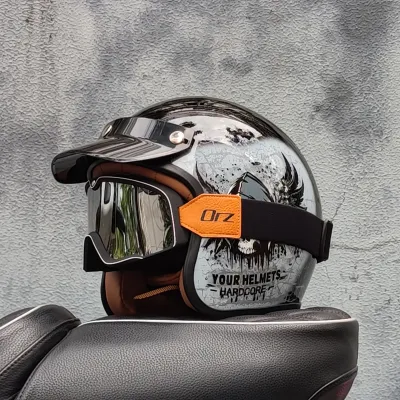
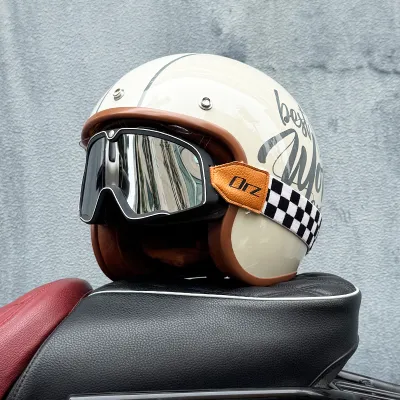
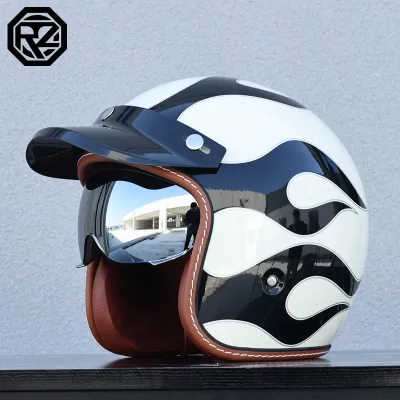
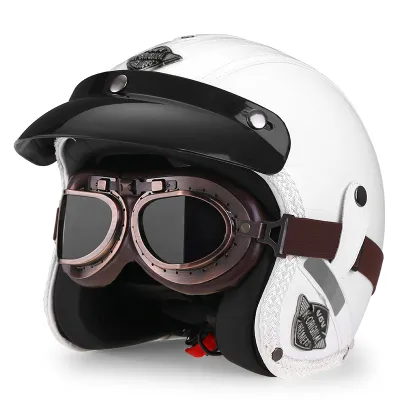
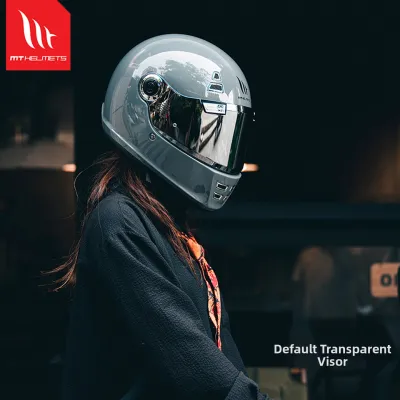
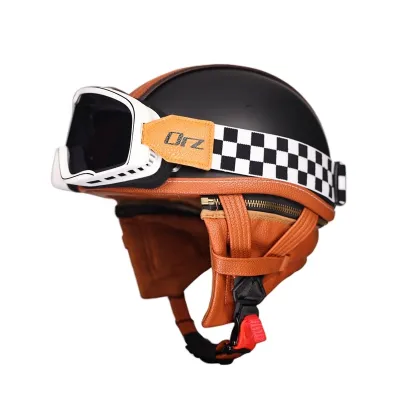
Prices are valid at publication and may change. Please refer to the product page for the latest price.
You must remain highly vigilant against novelty or “costume” helmets that mimic classic designs but offer zero real-world protection. These non-certified helmets are often marketed as “retro half-helmets” or “vintage skull caps” and are constructed from cheap, thin plastics without an energy-absorbing expanded polystyrene (EPS) inner liner. In an accident, these novelty helmets can split open or fail completely, offering no defense against severe head trauma.
To verify that a certification is genuine, perform a physical inspection of the labels. Authentic certification markings are typically molded directly into the helmet shell, printed under a protective clear coat, or securely sewn as high-quality fabric tags onto the chin strap. Be suspicious of cheap, crooked, or easily peel-off stickers on the back of the helmet, which are common indicators of counterfeit products. Additionally, cross-reference the manufacturer’s model name found on the internal tag with official registry databases or the manufacturer’s official documentation to confirm its certified status.
What to Expect from Different Retro Helmet Budget Tiers
Understanding what each budget tier offers helps you set realistic expectations regarding materials, comfort, and longevity. While every helmet you consider must meet baseline safety certifications, higher-priced options introduce advanced materials and refined manufacturing techniques that significantly enhance your riding experience, especially in a hot and humid tropical climate.

At the entry-level tier, helmets are primarily constructed using injection-molded thermoplastic shells. While these shells are highly capable of passing safety standards, they tend to be heavier and bulkier than their premium counterparts. The interiors of entry-level retro helmets usually feature basic, fixed comfort liners that cannot be removed for washing. This is a crucial consideration in the Philippines, where sweat and humidity can quickly lead to odor buildup. Ventilation in this tier is often minimal, relying on a classic, uninterrupted shell design that prioritizes vintage looks over active airflow.
Moving up to the mid-range tier introduces fiberglass composite shells, which offer a superior strength-to-weight ratio compared to thermoplastic. A lighter helmet reduces neck fatigue during long rides along scenic provincial routes. Mid-range retro helmets typically feature removable, washable, and moisture-wicking interior liners, making maintenance much easier in tropical weather. You can also expect improved aerodynamic shaping that helps minimize wind buffeting and reduces the whistling wind noise commonly associated with classic helmet shapes.
The premium tier represents the pinnacle of retro helmet design, utilizing advanced composite fibers, carbon fiber, or aramid weaves. These materials produce incredibly lightweight shells with exceptional impact absorption. Premium retro helmets boast luxurious interior fabrics, such as genuine leather trim, anti-bacterial linings, and highly optimized multi-density EPS liners. Furthermore, premium manufacturers design their helmets with a broader ecosystem in mind, offering integrated speaker pockets for Bluetooth communication systems, dedicated channels for eyewear, and secure attachment points for specialized bubble visors or peak visors.
When planning your purchase, remember to factor in potential hidden costs that extend beyond the initial price tag of the helmet. If you are ordering from international specialty shops, you may encounter shipping fees, local import taxes, and customs duties. Additionally, you should budget for essential aftermarket accessories. For instance, retro visors rarely come with anti-fog treatments pre-installed, meaning you may need to allocate a budget of several hundred pesos ₱ for compatible anti-fog inserts or specialized cleaning solutions separately to maintain clear vision during sudden tropical downpours.
How to Inspect Build Quality and Practical Features
A physical inspection is essential to evaluate the craftsmanship and daily usability of a retro helmet before you commit to wearing it on the road. Start by examining the exterior shell seams and the paint finish. High-quality helmets feature smooth, uniform paint application without bubbles, runs, or rough edges. Pay close attention to retro-specific decorative elements; leather trim should be neatly stitched and securely bonded to the shell, while metal D-rings, rivets, and visor snap buttons must be made of corrosion-resistant materials like stainless steel or brass to withstand salty coastal air and high humidity.
Ventilation is a common shortcoming of vintage helmet designs, which historically prioritized clean, unbroken lines over airflow. When inspecting a retro helmet, check for physical air channels molded into the internal EPS liner and functional exhaust vents at the rear. Even small, well-designed brow vents or chin vents can make a substantial difference in keeping your head cool during slow-moving city traffic.
Next, test the visor mechanism or the snap-on shield system. The visor should operate smoothly, detent securely in different positions, and form a tight seal against the eyeport gasket to prevent rainwater from seeping inside during heavy rain. If the helmet uses a classic goggle strap or snap buttons for external shields, ensure the snaps engage with a positive, firm click and do not easily pop loose under wind pressure.
Finally, prioritize an in-person fitting session rather than relying solely on online size charts. Retro helmets often utilize different internal head shapes, such as a round oval profile, which may fit differently than the intermediate oval shapes common in modern sport helmets. A properly fitted helmet should sit snugly against your cheeks and forehead without creating painful pressure points. Always consult the manufacturer’s specific sizing guidelines and fitment instructions, as a poorly fitting helmet can slip out of position during an impact, severely compromising its protective capabilities.
Where to Buy and How to Avoid Counterfeit Helmets
To guarantee your safety, always purchase your retro helmet from authorized physical dealers, official brand flagship stores, or highly reputable motorcycle gear specialty shops. Authorized distributors not only guarantee product authenticity but also provide access to genuine replacement parts, such as visors, cheek pads, and mounting hardware.
You should exercise extreme caution and avoid buying unusually low-priced “vintage helmets” from unauthorized online marketplaces, unverified social media sellers, or informal roadside stalls. The market is flooded with counterfeit helmets that mimic the branding and aesthetic design of premium retro models but are constructed from substandard materials that fail catastrophically under impact. If a deal seems too good to be true, it is almost certainly a counterfeit product that puts your life at risk.
Once you receive your helmet, establish a thorough post-purchase verification routine before taking it out on the road. Inspect the packaging carefully; genuine helmets are shipped in high-quality, brand-specific boxes with protective dust bags, comprehensive user manuals, and official warranty cards. Verify that the seller offers a clear, documented return policy for defective gear or sizing exchanges. If you detect any loose stitching, misaligned liners, or suspicious certification labels during this initial inspection, contact the manufacturer or authorized distributor immediately to verify the helmet’s authenticity before riding.
Frequently Asked Questions (FAQ)
Are retro-style helmets as safe as modern full-face helmets?
While retro-style helmets that carry genuine safety certifications offer excellent impact absorption, their overall safety depends heavily on their physical design. Open-face retro helmets, such as classic three-quarter designs, inherently lack chin bars and facial coverage, leaving your lower face vulnerable to direct impacts and road debris. For maximum protection, riders should opt for full-face retro helmets that combine vintage styling with complete chin protection. It is highly recommended to match your helmet style to your riding environment, reserving open-face helmets for low-speed city cruising and utilizing certified full-face retro helmets for high-speed highway commuting.
How do I prevent my retro helmet visor from fogging up?
Visor fogging is a frequent issue with retro helmets due to their limited ventilation and the high humidity levels in the Philippines. To prevent this, check if your helmet’s visor is compatible with a Pinlock-ready anti-fog insert, which creates a dual-pane barrier that stops condensation from forming. If an insert is not available for your specific retro model, you can apply a high-quality, label-authorized anti-fog spray to the inner surface of the visor. Additionally, slightly cracking the visor open at low speeds or strategically opening any available chin and brow vents will help manage airflow and balance the internal temperature during humid or rainy rides.

Community discussion
Share your experience or ask a question. Comments are reviewed before publication.