
Choosing the right shift knob cover for your manual transmission vehicle depends on matching the cover’s material and design to your daily driving habits, hand size, and local climate. Unlike automatic cars where you select a gear once and drive, a manual transmission requires constant, active physical interaction. This makes the shift knob one of the most frequently touched surfaces in your vehicle’s cabin. In tropical environments where cabin temperatures can soar dramatically when parked, a high-quality cover does more than customize your interior; it serves as a critical barrier against a scorching shifter while improving your physical connection to the gearbox. By identifying whether you need better grip for spirited driving, heat insulation for hot afternoons, or plush comfort for daily commutes, you can select an accessory that enhances every gear change.
Identify Your Primary Shifting Priority
Every driver interacts with a manual gearbox differently, meaning your primary motivation for buying a cover will dictate the best material and fit. If your daily route involves navigating dense, stop-and-go city traffic, your hand remains on or near the shifter constantly. For these high-frequency shifting scenarios, prioritizing tactile comfort and sweat absorption prevents hand fatigue and keeps your palm from slipping during sudden maneuvers.
Conversely, if your driving consists mostly of long highway cruising, your hand spends less time on the gear stick. In this case, your priority might lean toward long-term durability, aesthetic integration with your cabin, or simple temperature protection for when the car is parked under the sun. A metal or heavy plastic shift knob can become painfully hot in tropical climates, making thermal insulation a top priority for drivers who park outdoors.
Products mentioned in this guide
![[COD] SHGMYD 1PC Manual 6-speed Car Interior Accessories Car Silicone Gear Shift Knob Cover Gear Shift Non-Slip Grip Handle Protective Covers](https://img.lazcdn.com/g/p/78955c82f81a1dfcade1502be5f5e127.jpg_400x400q80.jpg_.webp)
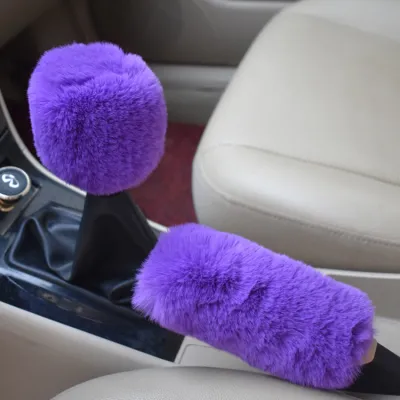

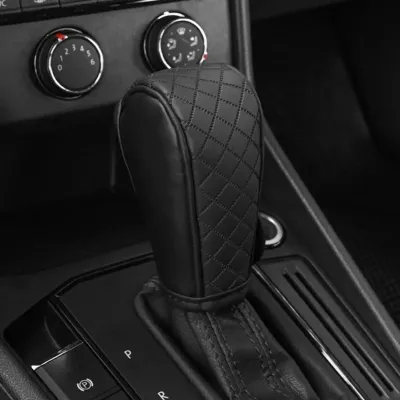
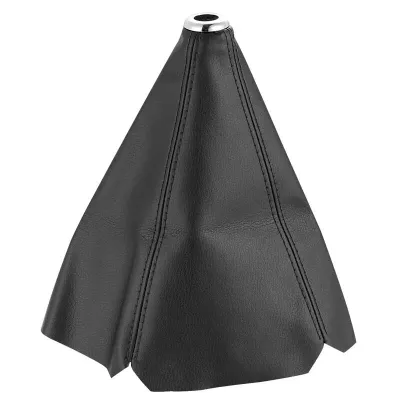
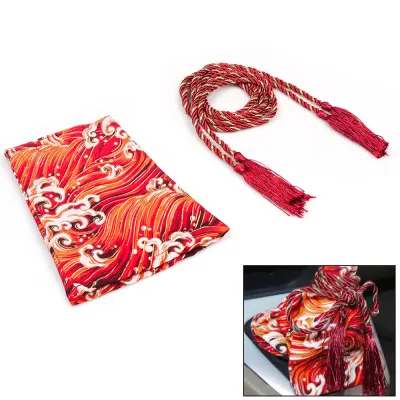
Prices are valid at publication and may change. Please refer to the product page for the latest price.
For those who enjoy weekend drives through winding mountain passes or hilly terrain, grip and tactile feedback become the absolute priorities. In these driving conditions, you need a cover that ensures your hand will not slip even during rapid, decisive gear changes. A loose or overly padded cover can dull the mechanical feel of the transmission, which detracts from the driving experience.
It is essential to recognize that choosing a cover often involves trade-offs. For instance, selecting a highly aesthetic, premium fabric like Alcantara provides an excellent feel and look, but it requires much more frequent cleaning to prevent oil and sweat buildup from ruining the texture. On the other hand, a rugged silicone cover offers outstanding grip and effortless cleaning but may not deliver the sophisticated, classic look of stitched leather. Defining what you value most—whether it is utility, comfort, or style—helps narrow down the options immediately.
Match Cover Materials to Your Driving Priorities
The material of your shift knob cover directly influences how the shifter feels in your hand, how it responds to ambient temperatures, and how much maintenance it will require over its lifespan.

Genuine leather and high-quality synthetic alternatives offer a classic, premium aesthetic that blends seamlessly with most factory interiors. Leather provides a natural, breathable grip that handles mild hand sweat well, but it is highly susceptible to the elements. In humid tropical climates, untreated leather can absorb moisture and develop mold, while intense sunlight can cause it to dry out and crack. To maintain its integrity, you must commit to periodic cleaning with a dedicated leather cleaner and applying a conditioner to keep the material supple. Synthetic leather, while often more resistant to moisture, can still peel or crack if exposed to extreme heat over long periods.
If your primary goal is maximum grip and minimal maintenance, silicone or rubber covers are highly practical choices. These materials provide a high-friction surface that prevents your hand from slipping, even during rapid gear changes. They are completely waterproof, making them incredibly easy to clean with a simple damp cloth. However, silicone has a natural tendency to attract dust, lint, and hair. Additionally, lower-grade silicone can degrade, become sticky, or stretch out of shape when exposed to the extreme cabin heat of a car parked in the sun over several years.
Fabric covers, including plush microfibers, knitted cotton, and premium Alcantara-style synthetics, offer exceptional tactile comfort. They do not get hot in the sun or cold in the winter, providing excellent temperature regulation. They also absorb moisture effectively, keeping your palm dry. The major drawback is their susceptibility to staining, dirt accumulation, and odor buildup. Because your hands naturally transfer oils and sweat to the shifter, fabric covers require regular washing to remain hygienic and presentable.
For drivers focused purely on a modern, sporty aesthetic, hard textured plastic covers or carbon fiber wraps are popular options. These covers provide a sleek, high-tech look and are highly resistant to wear and tear. However, they offer very little in terms of cushioning or temperature insulation. A carbon fiber wrap over a metal knob will still transfer heat rapidly, and if the surface lacks physical texturing or perforations, it can become quite slippery when your hands are sweaty.
Evaluate Ergonomics, Thickness, and Shift Feel
A shift knob cover inevitably alters the physical dimensions of your shifter, which can significantly impact your driving ergonomics and shifting precision.
Before purchasing any cover, consider how the added bulk will affect your hand placement. A cover that is too thick can increase the overall diameter of the knob to a point where it no longer fits comfortably in your palm. For drivers with smaller hands, an oversized knob can lead to hand cramping and muscle fatigue during long drives. Conversely, drivers with larger hands might find that a slightly thicker cover actually improves their grip and comfort.
The added thickness can also alter your perception of the shift throw. In manual cars with close-ratio gearboxes, precise, deliberate movements are required to transition smoothly between gears. A bulky or loose cover can dull the mechanical feedback transmitted through the shifter, making it harder to feel when a gear has fully engaged. In worst-case scenarios, an excessively thick or poorly fitted cover might cause your hand to slip or accidentally bump adjacent controls during quick shifts.
If your car utilizes a weighted shift knob to smooth out gear transitions, adding a thick, lightweight cover can alter the hand-feel of that weight distribution. While it does not change the physical weight of the metal underneath, the added outer volume can change how leverage is applied when you push or pull the stick.
To optimize control, look for covers that feature ergonomic enhancements. Textured zones, strategic perforations, or molded finger grooves can guide your hand into the correct position naturally. Perforated leather or textured silicone panels not only improve grip but also allow air to circulate, reducing sweat buildup during spirited driving sessions.
Crucial Compatibility and Safety Checks for Manual Transmissions
Unlike automatic vehicles, manual cars require constant, precise physical interaction with the shifter, making compatibility and safety checks absolutely paramount before installing any accessory.
First, you must verify the exact physical dimensions and shape of your existing shift knob. Manual shift knobs come in various profiles, including spherical, teardrop, and tall cylindrical shapes. A universal cover designed for a round knob will not fit securely on a teardrop shifter, leading to loose material that can slip mid-shift. Always measure the height and maximum circumference of your knob and compare these specs directly with the product’s fitment guidelines.
Second, pay close attention to manual-specific mechanical features. Many modern manual transmissions utilize a lift-ring reverse lockout mechanism located directly beneath the shift knob. Other vehicles may feature a push-button lockout or a highly specific weighted shifter design. If a cover is too long or bulky at the base, it can physically block the lift-ring from moving upward, preventing you from engaging reverse gear. Ensure the cover’s design leaves ample clearance for these moving parts to operate freely.
Third, consider the visibility of the gear pattern. While experienced drivers shift by muscle memory, keeping the gear pattern visible or easily referenceable is a safety consideration, especially if other people drive your vehicle. If the cover completely obscures the gear diagram on top of the knob, ensure you have another way to verify the layout, and check that the cover does not bunch up at the bottom and interfere with the movement of the shift boot.
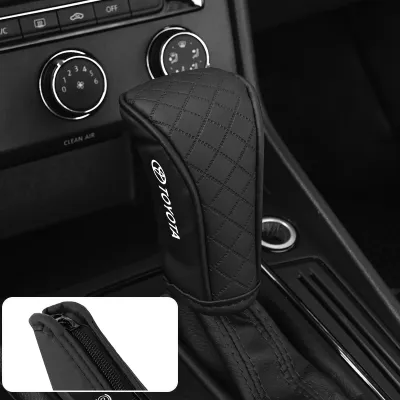
Finally, evaluate the securing mechanism of the cover. Whether the product uses drawstrings, zippers, elastic bands, or light adhesive, it must remain completely immobile under pressure. A cover that slides or rotates during an aggressive gear change poses a severe safety hazard, as it can cause you to miss a gear or lose control of the shifter entirely. Avoid any cover that feels loose or shifts even slightly when twisted.
Installation Precautions and Routine Maintenance
Proper installation and regular upkeep ensure your shift knob cover remains safe, hygienic, and durable over time.
Before installing any cover, thoroughly clean and dry the original shift knob. Dust, body oils, and moisture trapped beneath a tight cover can create a breeding ground for bacteria and mold, particularly in humid climates. Trapped grit can also act as an abrasive, permanently scratching or wearing down the original leather or plastic surface of your shifter as the cover moves slightly during use.
When applying the cover, follow the manufacturer’s specific instructions carefully. Avoid overstretching elastic bands or forcing a tight cover over the knob, as this can tear the seams, snap the stitching, or misalign the grip textures. If the cover uses a lace-up or drawstring design, secure the knots tightly and tuck any excess string away safely so it cannot snag on your fingers or the shift boot during operation.
Establish a routine cleaning schedule based on the cover’s material. Wipe down silicone and plastic covers weekly with a damp microfiber cloth. For leather covers, apply a mild leather cleaner and conditioner every few months to prevent drying. Fabric and Alcantara covers should be gently hand-washed with mild soap and allowed to air dry completely before reinstallation. If you ever notice the material breaking down, becoming sticky, or losing its grip, stop using the cover immediately and consult the manufacturer for guidance or replace the accessory.
Frequently Asked Questions (FAQ)
Will a shift knob cover void my car's warranty?
Generally, installing a non-permanent, removable interior accessory like a shift knob cover will not affect or void your vehicle’s manufacturer warranty. These covers do not alter the mechanical or electrical systems of the car. However, if an aftermarket cover requires permanent modifications, uses harsh adhesives that damage the original shifter, or interferes with mechanical parts like the reverse lockout, the dealer may refuse to cover the cost of repairing those specific damaged components. Always check your vehicle’s warranty terms regarding interior modifications if you are uncertain.
How do I measure my shift knob for a universal cover?
To find the correct size for a universal cover, use a flexible sewing tape measure to determine the dimensions of your bare shift knob. Wrap the tape around the widest part of the knob to find its maximum circumference, and measure from the very top of the knob down to the base where it meets the shift boot to find the height. If you do not have a flexible tape measure, wrap a piece of string around the knob, mark the overlap point, and measure the flat string against a standard ruler. Compare these measurements to the manufacturer’s specified fitment range before purchasing.
Can I use a steering wheel cover material for my shift knob?
It is highly discouraged to repurpose steering wheel cover materials or DIY wraps for a shift knob. Steering wheel covers are designed for a completely different shape, thickness, and stretching capacity. Attempting to wrap a shift knob with material meant for a steering wheel often results in an insecure, bulky fit with loose edges. Because shifting requires multi-directional force, an improper wrap is highly likely to slip or unravel during a gear change, creating a dangerous distraction and compromising your control over the vehicle. Always use accessories specifically engineered for shift knobs.

Community discussion
Share your experience or ask a question. Comments are reviewed before publication.