
Riding a 3-wheel e-bike during the rainy season in the Philippines requires reliable gear, and keeping your seat dry is essential for both comfort and the longevity of your vehicle’s upholstery. Because 3-wheel e-bikes often feature unique seat shapes, wider rear benches, or integrated backrests, finding a cover that fits perfectly and truly repels water can be challenging. Selecting the right cover requires prioritizing heavy-duty materials like Oxford fabric with polyurethane coatings or thick polyvinyl chloride (PVC), combined with precise physical measurements and secure fastening systems. Success relies on matching your vehicle’s specific seat layout with a cover designed to withstand intense tropical downpours and harsh ultraviolet (UV) exposure.
Measuring Your 3-Wheel E-Bike Seat for a Secure Fit
Accurate measurement is the foundation of effective water protection. Because 3-wheel e-bikes do not follow a single standardized seat design, relying on vague labels like “universal” often results in a cover that is either too loose—allowing water to pool—or too tight, which strains the seams and leads to premature tearing. To ensure compatibility, you must verify your specific e-bike model, year, and seat mounting position against the manufacturer’s documentation rather than assuming a generic category term will fit.
Begin by measuring the overall length of the seat from the frontmost tip of the driver’s saddle to the rearmost edge of the passenger bench. If your e-bike features a split-seat configuration where the driver and passenger seats are physically separated, you will need to decide whether to purchase individual covers or a single, large utility cover that spans the entire seating area. Next, measure the width at the widest point, which is typically the rear passenger bench. Ensure you pull the measuring tape flat across the surface without compressing the seat foam.
Products mentioned in this guide
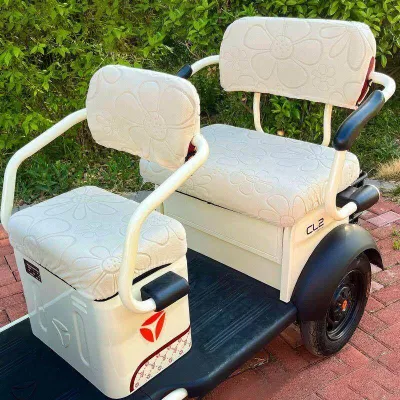
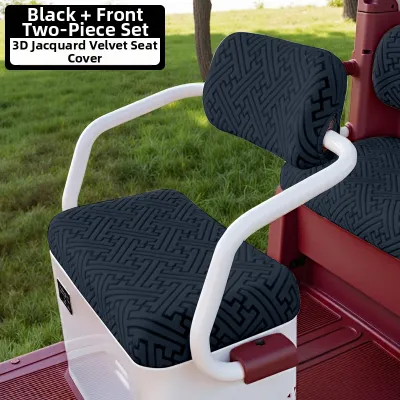
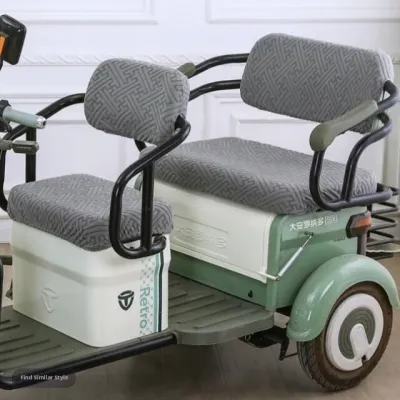
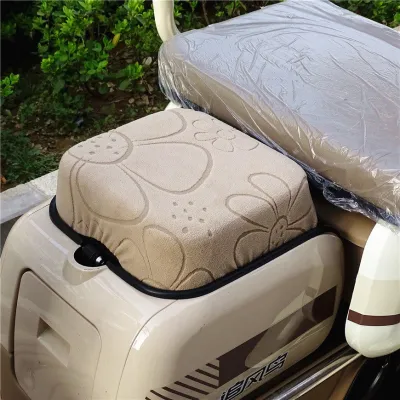
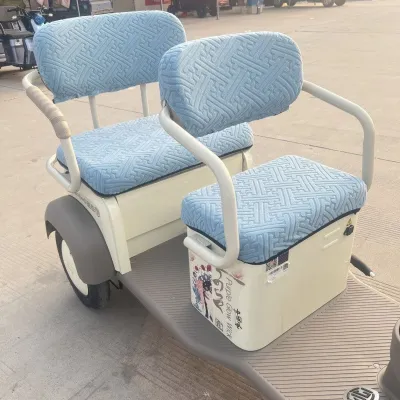
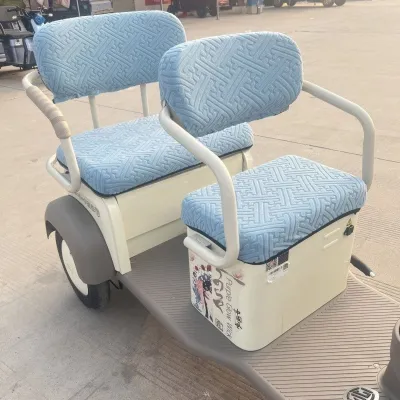
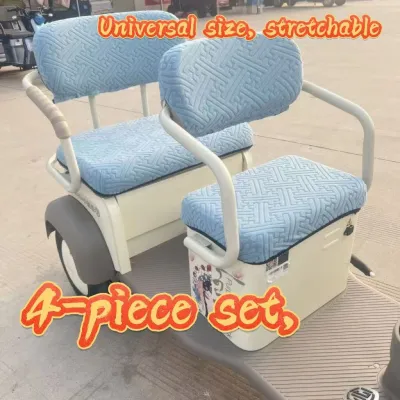
Prices are valid at publication and may change. Please refer to the product page for the latest price.
Measure the seat’s thickness or depth from the top surface of the cushion down to the bottom plastic base where the cover’s elastic hem will wrap around. If your e-bike has an integrated backrest for the driver or passenger, measure its height, width, and thickness separately. Many specialized 3-wheel e-bike covers include a dedicated pocket or contoured section to accommodate these backrests. Once you have these physical measurements, compare them directly with the detailed size charts provided by manufacturers, always choosing a cover that offers a few centimeters of extra clearance to accommodate the natural compression of the seat cushion during use.
Identifying Reliable Waterproof Materials and Seam Construction
The tropical climate of the Philippines subjects outdoor vehicles to extreme weather cycles, transitioning rapidly from intense, direct sunlight to torrential monsoon rains. Consequently, the material composition of your seat cover determines how long it will remain waterproof before cracking or leaking. The most common materials available are PVC, Oxford polyester cloth, and polyurethane (PU) coated textiles, each offering distinct trade-offs in terms of durability, flexibility, and heat retention.

PVC is entirely impervious to water and highly affordable, making it a popular choice for budget-conscious riders. However, unbacked PVC can become exceptionally hot when parked under the midday sun, and prolonged exposure to UV radiation causes it to become brittle and crack over time. Oxford cloth, typically rated by denier (such as 210D, 420D, or 600D), offers superior tear resistance and a more textile-like feel. Because raw Oxford cloth is naturally porous, it must be paired with an internal PU or PVC coating to block water. These coated fabrics remain flexible in all temperatures and do not degrade as quickly under intense sunlight.
Even the highest-quality waterproof fabric will fail if the seam construction is poor. Every time a sewing machine needle punctures the fabric to join panels together, it creates a path for water to seep through. When evaluating seat covers, look for products that feature heat-sealed or taped seams on the interior. This manufacturing process applies a waterproof thermoplastic tape over the stitched seams, effectively sealing the needle holes. If taped seams are not available, ensure the cover utilizes double-stitched seams sewn with water-repellent nylon thread, which swells slightly when wet to block moisture entry. Additionally, verify that the material has an explicit UV-resistant treatment or a silver-reflective inner lining, which helps deflect solar heat and protects the waterproof coating from delaminating.
Evaluating Fastening Systems to Prevent Water Seepage
A waterproof seat cover is only effective if it remains firmly anchored to the seat assembly. High winds during typhoons or the constant movement of passengers can easily dislodge a poorly secured cover, exposing the underlying foam to moisture. Furthermore, a loose cover can shift while the e-bike is in motion, compromising the rider’s control and safety. Therefore, evaluating the fastening mechanism is just as important as choosing the right material.
Elastic hems are the most common fastening system, featuring an elastic band sewn into the bottom edge of the cover that grips the underside of the seat base. While convenient for quick installation, elastic can degrade rapidly in hot, humid environments, losing its tension over time. To counter this, look for covers that combine an elastic hem with adjustable drawstrings or tension cords. Drawstrings allow you to pull the cover tight and lock it in place with a plastic toggle, ensuring a snug fit even as the elastic ages. For maximum security, especially during transport or high-wind storms, prioritize covers equipped with under-seat strap-and-buckle systems. These straps run completely beneath the seat frame, preventing the cover from ballooning or blowing away.
Rider safety must also be factored into the fastening design. A completely smooth, waterproof cover can become incredibly slippery when wet, causing the driver to slide forward during sudden braking. To prevent this, high-quality covers often feature an anti-slip inner lining or a textured, rubberized mesh on the seating surface. This texture provides necessary friction for the rider while keeping the cover from sliding against the original vinyl upholstery. Finally, ensure the cover’s design accommodates the specific physical layout of your 3-wheel e-bike, such as cutouts or adjustable flaps for passenger grab rails, rear cargo baskets, or seat latch mechanisms, allowing you to secure the cover without leaving exposed gaps.
Verifying Waterproof Claims on E-Commerce Platforms
Shopping for e-bike accessories on online marketplaces requires a critical eye, as product descriptions frequently use terms like “100% waterproof” without any technical justification. To avoid purchasing a cover that leaks during its first rainstorm, you must learn to verify these claims using objective criteria and user feedback.
First, check the product specifications for standardized water resistance indicators. While rare in budget accessories, some high-quality outdoor covers list a hydrostatic head rating (measured in millimeters, such as 2000mm or 3000mm), which indicates the amount of water pressure the fabric can withstand before leaking. In the absence of technical ratings, focus your attention on the user review section. Filter the reviews to view feedback from buyers in the Philippines, as they will have tested the product under local weather conditions. Look specifically for reviews written during the rainy season, paying close attention to user-uploaded photos or videos showing the cover after a heavy downpour.
Be skeptical of reviews written immediately after delivery; instead, search for long-term feedback that mentions how the cover performs after several months of daily sun and rain exposure. Common failure points highlighted in honest reviews include peeling inner coatings, tearing at the strap attachment points, and water seeping through unsealed seams. Additionally, review the seller’s return and exchange policies before finalizing your purchase. A reputable seller should offer a straightforward return window, allowing you to perform a manual water test at home—such as pouring a bucket of water over the installed cover—and return it if moisture penetrates the underside.
Installing and Maintaining Your Seat Cover for Maximum Lifespan
Proper installation and routine maintenance are essential to preserve the waterproof integrity of your seat cover and protect your e-bike’s original upholstery. Before installing a new cover, you must thoroughly clean and dry the original seat. Installing a waterproof cover over a damp or dirty seat traps moisture, sweat, and organic matter underneath. In the high humidity of the Philippines, this trapped moisture quickly creates a breeding ground for mold, mildew, and unpleasant odors, which can permanently rot the seat foam and ruin the original vinyl.
Once the seat is completely dry, carefully stretch the cover over the cushion, starting from the front and working your way to the back. Ensure the seams of the cover align with the edges of the seat to prevent uneven tension, which can cause the stitching to pull apart over time. Fasten all straps, drawstrings, or buckles securely, ensuring there are no loose folds where rainwater can pool. Standing water on a cover exerts continuous hydrostatic pressure, which will eventually force moisture through even the best waterproof barriers. Additionally, verify that the installed cover does not obstruct any safety features, lights, reflectors, or seat-release latches.
To clean your seat cover, use only mild dish soap, lukewarm water, and a soft sponge or microfiber cloth. Never use harsh chemical solvents, bleach, gasoline, or abrasive scrubbing pads, as these substances will strip away the protective UV coatings and dissolve the internal polyurethane waterproofing. Specialized care products or vinyl cleaners must only be used according to their label-authorized instructions to avoid damaging the seat’s vinyl or plastic seals. Periodically inspect the cover for early signs of wear, such as fraying threads, thinning fabric, or a powdery residue on the underside, which indicates the waterproof coating is breaking down. Replacing the cover at the first sign of widespread degradation is far more cost-effective than replacing the entire seat assembly due to water damage.
Frequently Asked Questions (FAQ)
Can I use a standard motorcycle seat cover on a 3-wheel e-bike?
Using a standard two-wheel motorcycle seat cover on a 3-wheel e-bike is generally not recommended due to significant differences in seat geometry. Standard motorcycle seats are typically narrow, elongated, and tapered toward the front. In contrast, 3-wheel e-bikes feature much wider, blockier seats, often resembling benches, and frequently include integrated passenger backrests or side rails. Attempting to stretch a standard cover over these wider dimensions will result in excessive tension, causing the seams to split and the waterproof coating to fail. Furthermore, an ill-fitting cover will leave exposed areas where rain can enter, or create loose pockets where water pools, ultimately defeating the purpose of the cover. It is highly advisable to purchase a cover specifically sized for 3-wheel utility vehicles or multi-passenger e-bikes.
How do I fix a waterproof seat cover that has started leaking?
Whether you can repair a leaking seat cover depends entirely on the location and extent of the damage. If you identify a minor leak caused by a small puncture or a slightly separated seam, you can attempt a localized repair using a specialized flexible polyurethane sealant or a waterproof outdoor gear patch kit. Clean the area thoroughly with rubbing alcohol, let it dry completely, and apply the patch or sealant to the underside of the cover to maintain a clean exterior appearance. However, if the leak is caused by widespread degradation—such as the internal waterproof coating peeling off, extensive cracking from UV exposure, or major seam failures across the seating surface—repairs will not hold. In these cases, the material’s structural integrity is compromised, and you must replace the cover entirely to protect your e-bike’s seat foam from water rot.

Community discussion
Share your experience or ask a question. Comments are reviewed before publication.