
Choosing a muffler tip for aerox v2 that balances a sporty, premium aesthetic with strict local noise regulations is a common goal for riders in the Philippines. The Yamaha Aerox V2 is celebrated for its aggressive styling and sharp lines, making it a prime candidate for visual upgrades. However, navigating the balance between style and legal compliance requires a clear understanding of exhaust mechanics, local laws, and material durability.
To achieve the perfect look without risking heavy fines or vehicle impoundment, you must evaluate the physical design of the tip, its internal sound-dampening capabilities, and how well its materials can withstand the country’s demanding tropical climate. Taking a systematic approach to your selection ensures your motorcycle remains road-legal while standing out on the street.
Clarifying the Mod: Muffler Tip vs. Full Slip-On Exhaust
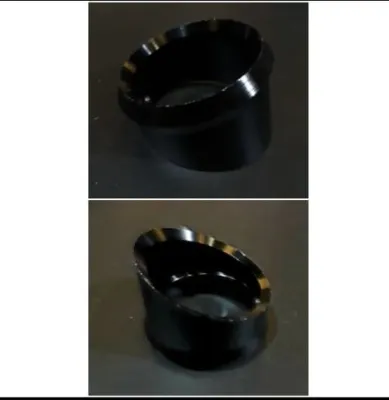
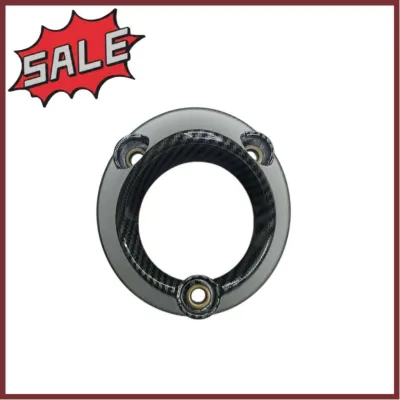
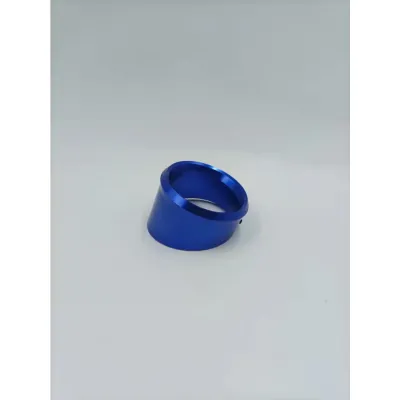
Before purchasing any aftermarket parts, it is essential to distinguish between replacing a muffler tip and installing a full slip-on exhaust system. A muffler tip, often referred to as an end cap, is primarily a cosmetic cover or a small extension attached to the very end of the exhaust pipe. Because it sits after the main silencer body, replacing only the tip generally preserves the stock muffler’s internal baffling and catalytic converter. This means the exhaust volume and emissions profile remain virtually identical to the original factory specifications, making it an incredibly safe option for riders who want an aesthetic upgrade without altering their scooter’s sound level.
Products mentioned in this guide
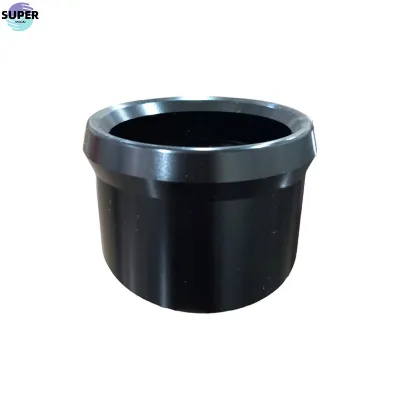
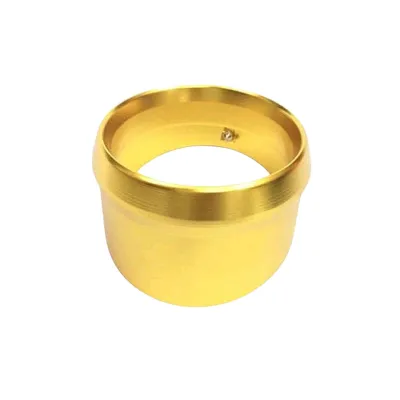
![[GELINE SHOP] MUFFLER TIP RAINBOW FOR UNIVERSAL MOTORCYCLE PARTS](https://img.lazcdn.com/g/ff/kf/S632019aea2dd44989b5d41e0d1411bcdE.jpg_400x400q80.jpg_.webp)
Prices are valid at publication and may change. Please refer to the product page for the latest price.
In contrast, a full slip-on exhaust replaces the entire silencer canister from the mid-pipe backward. This modification eliminates the stock baffling system, replacing it with aftermarket packing and core designs that significantly alter both the volume and the tone of the engine note. While slip-on systems can offer minor weight savings and a deeper rumble, they also carry a much higher risk of exceeding legal decibel limits if they lack proper internal silencing components.
Identifying your primary goal is the first step in this modification process. If you are solely looking to enhance the rear profile of your Aerox V2 with carbon fiber or burnt titanium accents, a simple muffler tip replacement is the most cost-effective and legally compliant route. If you decide to go with a full slip-on system to change the exhaust note, you must be prepared to take extra steps to manage the sound output.
Understanding Philippine Exhaust Noise Regulations
Operating a modified motorcycle in the Philippines requires strict adherence to national laws enforced by the Land Transportation Office (LTO), the Department of Transportation (DOTr), and local government units (LGUs). Under Joint Administrative Order (JAO) No. 2014-01, operating a motor vehicle with an exceptionally loud or modified exhaust system that produces unnecessary or irritating noise is strictly prohibited. Enforcement agencies actively target “boga” or straight-pipe setups that lack functional mufflers or silencers.

While the official standard under the Motor Vehicle Inspection System (MVIS) sets a maximum limit of 99 decibels (dB) when tested at a specific distance and engine RPM, real-world enforcement at roadside checkpoints often relies on visual and physical inspections. Enforcers frequently check for the presence of a functional silencer, physical baffling, or a DB killer. If your exhaust is deemed too loud or lacks visible sound-dampening structures, you may face steep fines, confiscation of the non-compliant part, or temporary impoundment of your scooter.
To prevent these headaches during your daily commute or weekend rides, avoid any exhaust tips or slip-ons marketed as “track use only,” “straight-through,” or “race spec.” These products are engineered for closed-circuit racing where noise limits do not apply, and they lack the internal design required to pass a standard roadside inspection in the Philippines. Choosing parts designed for street use with integrated baffles is the most reliable way to stay compliant.
Step-by-Step Guide to Selecting Your Aerox V2 Muffler Tip
Selecting the right accessory involves matching physical dimensions, verifying internal construction, and choosing materials that can survive the harsh local environment. Follow this structured process to make an informed purchase.
Step 1: Confirm Fitment and Pipe Diameter
Your first task is to ensure physical compatibility with your specific setup. The stock exhaust pipe of the Yamaha Aerox V2 has a distinct outlet shape and diameter. If you are attaching a decorative tip directly to the stock muffler, you must select a part specifically molded to fit the OEM end cap mountings.
For those running an aftermarket slip-on exhaust, you must measure the outer diameter (OD) of the silencer’s exit pipe using a vernier caliper. Most common aftermarket slip-on systems use a standard 51mm (approximately 2-inch) outlet, but variations exist.
Matching the mounting style is critical to preventing exhaust leaks and structural failures. Common styles include:
- Slip-fit with a tension clamp: Uses a metal band clamp to compress the tip onto the pipe.
- Bolt-on flange: Secures the tip directly to the muffler body using pre-drilled holes and bolts.
An improper or forced fit can lead to high-frequency vibrations, rattling, and exhaust leaks. Leaks not only ruin the sound quality of your scooter but can also cause localized overheating, potentially damaging nearby plastic body panels.
Step 2: Inspect the Baffle and Sound-Dampening Design
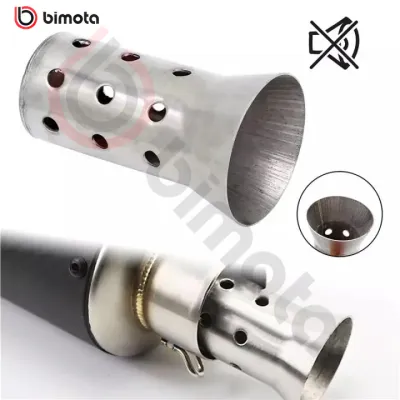
If your chosen muffler tip functions as part of an aftermarket silencer, you must inspect its internal structure. A compliant tip should feature a built-in baffle or a perforated core wrapped in high-quality sound-absorbing material, such as fiberglass or steel wool. This design diffuses exhaust gas flow and absorbs high-frequency sound waves, resulting in a deeper, quieter tone.
Look for tips that feature secure, welded-in baffles or robust, bolt-on DB killers. While removable baffles offer the flexibility to adjust the sound for closed-course events, riding on public roads in the Philippines without the baffle securely installed is highly likely to result in an LTO citation. Ensure that any removable silencer is tightly bolted and secured with thread-locking compound to prevent it from vibrating loose during long rides over uneven road surfaces.
Step 3: Select Aesthetic Materials Suitable for Tropical Climates
The Philippines’ tropical climate—characterized by intense heat, high humidity, and heavy seasonal rainfall—demands durable materials. The wrong material can quickly discolor, rust, or degrade, ruining your scooter’s appearance.
- Carbon Fiber: This material offers a premium, racing-inspired look and remains cool to the touch, reducing the risk of accidental burns. However, cheap or imitation carbon fiber can yellow, crack, or delaminate when exposed to intense UV rays and high exhaust temperatures. Ensure you buy from reputable manufacturers that use UV-resistant resins and high-temperature clear coats.
- Titanium (Burnt Blue): Highly favored in the local motorcycle community, titanium develops beautiful blue, purple, and gold gradients when exposed to heat. It is exceptionally lightweight and completely immune to rust and corrosion, making it an outstanding choice for coastal areas with salty air.
- Stainless Steel and Aluminum: These materials offer excellent durability and mechanical strength at a more accessible price point. To prevent water spots, road grime build-up, and surface oxidation during the rainy season, stainless steel and aluminum tips require regular cleaning and occasional polishing with metal care products.
Regardless of the material you choose, verify that the tip maintains a safe distance from the rider’s leg or the pillion passenger’s footwear. If the tip extends close to passenger footpegs, ensure it features or accommodates a dedicated heat shield.
Post-Installation Checks and LTO Compliance Verification
Once your new muffler tip is mounted, perform a series of checks to ensure safety, performance, and legal compliance before taking your Aerox V2 out onto public roads.
- Exhaust Leak Check: Start your engine and let it idle. Carefully pass your hand around the connection points of the new tip—without touching the hot metal—to feel for escaping exhaust gases. If you detect a draft or hear a hissing sound, loosen the clamps, realign the tip, and retighten the hardware to seal the leak.
- Sound and Vibration Evaluation: Perform a stationary rev test in a safe, open area. Listen closely for any metallic rattling, which indicates a loose baffle, clamp, or internal component. Ensure the overall volume remains moderate and does not produce a harsh, high-decibel bark when the throttle is applied.
- Heat Clearance Inspection: Verify that the newly installed tip has adequate clearance from the rear tire, the rear shock absorber, and the plastic rear fender. The Aerox V2's sporty bodywork sits close to the exhaust routing; inadequate clearance can lead to melted plastics or damaged suspension seals due to radiant heat.
- LTO Readiness: Keep your original stock muffler and all factory mounting hardware in safe, dry storage. If your modified setup ever fails an inspection, draws unwanted attention at a checkpoint, or if you need to register your vehicle at an LTO office, having the stock components ready for a quick reinstallation is your most reliable backup plan.
For any exhaust modification, always refer to the specific product documentation and your vehicle manufacturer’s guidelines. If you are unsure about proper torque specs, clamping forces, or alignment, seek assistance from a qualified motorcycle mechanic to ensure your modification is safe and road-legal.
Frequently Asked Questions (FAQ)
Can I use a universal muffler tip on my Aerox V2?
While universal muffler tips are widely available on online marketplaces, they often require custom fabrication, adapters, or modified brackets to align correctly with the Aerox V2’s specific body lines and mounting points. An ill-fitting universal tip can create awkward visual gaps, touch the rear swingarm, or vibrate loose over time. Choosing a model-specific tip or one with verified compatibility ensures a secure fit, proper heat clearance, and a cohesive look that matches your scooter’s design.
Will changing just the muffler tip void my Yamaha warranty?
Modifying any part of your motorcycle can potentially impact your manufacturer warranty. While a purely cosmetic end cap or clamp-on tip that does not alter engine backpressure or emissions is unlikely to cause mechanical issues, some authorized dealerships may void the warranty on related engine, exhaust, or electrical components if they determine an aftermarket modification contributed to a failure. Before installing any modification, consult your local authorized Yamaha dealer to clarify their specific policies regarding cosmetic versus functional exhaust upgrades.

Community discussion
Share your experience or ask a question. Comments are reviewed before publication.