
Selecting a full face vintage helmet that satisfies both your aesthetic preferences and local safety regulations requires a methodical approach. In the Philippines, riding with a retro-style helmet is not just about capturing a classic look; it is about ensuring your gear can withstand the rigors of daily commuting while remaining fully compliant with national road safety laws. Navigating the market requires distinguishing between genuine protective gear and novelty items that merely look the part. By understanding how safety standards apply to different price points, you can make an informed investment that protects your life while complementing your classic ride.
To ride legally and safely on public roads, every motorcyclist must wear a helmet that bears the appropriate regulatory markings. This guide outlines how to evaluate vintage-style full-face helmets across entry-level, mid-range, and premium tiers, ensuring you do not compromise on safety for the sake of style.
Understanding PS and ICC Safety Certifications
Motorcycle helmet compliance in the Philippines is governed by strict standards enforced by the Bureau of Product Standards under the Department of Trade and Industry. The two primary marks you must look for are the Philippine Standard (PS) mark and the Import Commodity Clearance (ICC) sticker. The PS mark is typically issued to helmets manufactured locally, certifying that the production facility and the product itself undergo regular quality audits. Conversely, the ICC sticker is affixed to imported helmets, indicating that a specific shipment has successfully passed rigorous sample testing upon arrival in the country.
Products mentioned in this guide
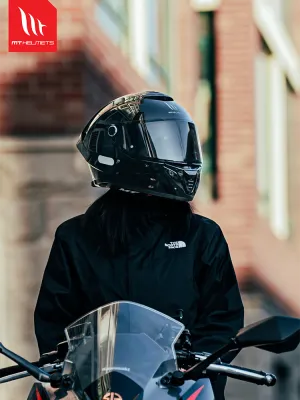
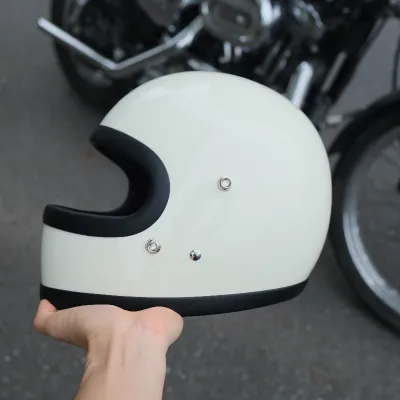
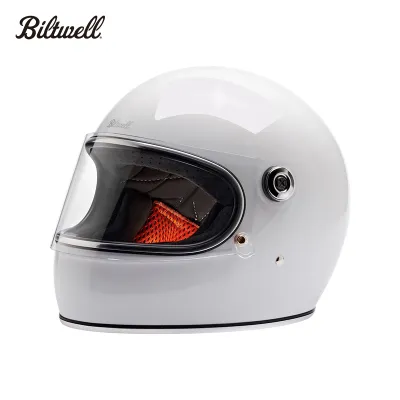
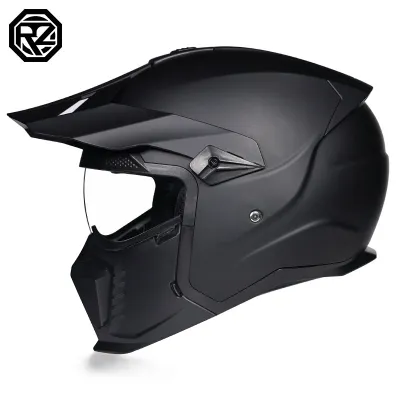
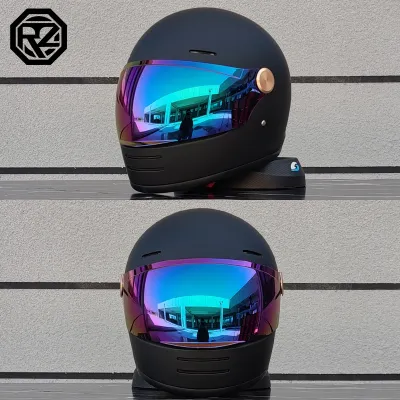
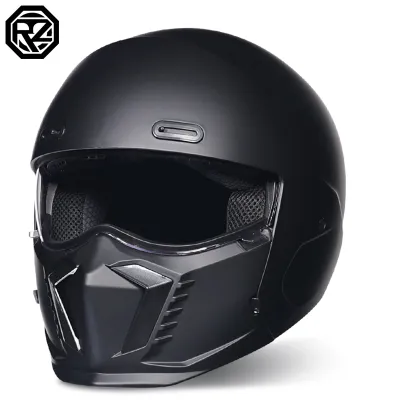
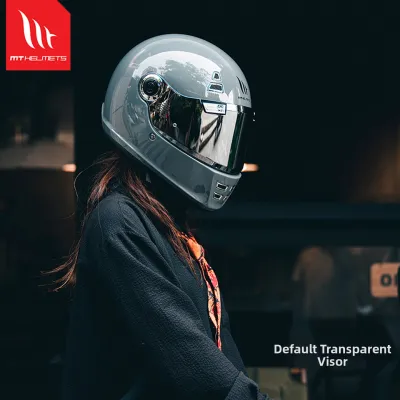
Prices are valid at publication and may change. Please refer to the product page for the latest price.
Verifying the authenticity of these certifications is critical, especially given the prevalence of counterfeit stickers in the market. Genuine PS and ICC marks feature unique holographic elements that shift color when tilted under light, along with a unique serial number printed directly on the sticker. These stickers are usually placed on the rear exterior of the helmet shell or under the comfort liner near the retention strap. You can verify these serial numbers through official government databases or verification platforms to confirm they correspond to the actual brand and model you are purchasing.
Relying on unverified, suspiciously cheap retro helmets poses severe safety risks. Many novelty helmets mimic the vintage full-face silhouette but use thin plastic shells and low-density foam that offer virtually no protection during an impact. These substandard products often carry fake compliance stickers that lack the holographic security details of genuine marks. Investing in a helmet without a verifiable PS or ICC certification not only exposes you to heavy fines at checkpoints but, more importantly, leaves you unprotected in the event of a collision.
How to Evaluate Vintage Full-Face Helmets by Budget
When shopping for a vintage full-face helmet, establishing a clear budget framework helps narrow down your options without sacrificing safety. Helmets generally fall into three distinct tiers: entry-level, mid-range, and premium. While higher-priced helmets offer advanced materials, lighter weights, and superior comfort features, a lower price tag does not mean you have to compromise on basic impact protection. Every helmet, regardless of cost, must pass the same baseline safety tests to earn its PS or ICC certification.

As you move up the budget scale, the primary differences lie in the refinement of the materials, the complexity of the manufacturing process, and the quality of the interior finishes. Understanding what to expect at each tier allows you to identify where your money is going—whether it is paying for a lightweight fiberglass shell, a highly plush moisture-wicking liner, or period-correct metal hardware. Regardless of your budget, safety certification must always serve as your primary filter before considering aesthetics or brand prestige.
Entry-Level Tier: Balancing Cost and Basic Compliance
Entry-level vintage full-face helmets are designed for riders who need reliable, everyday protection on a budget. In this tier, manufacturers primarily utilize Acrylonitrile Butadiene Styrene (ABS) plastic for the outer shell. ABS is a tough, impact-resistant thermoplastic that provides excellent baseline protection, though it tends to be heavier and bulkier than composite materials. Visors in this category are usually basic clear polycarbonate shields with simple pivot mechanisms, and the interior liners, while often removable for washing, use standard synthetic fabrics.
Because budget-friendly helmets are highly sought after, they carry a higher risk of counterfeit compliance stickers. It is vital to purchase entry-level helmets only from authorized physical dealers or official online brand stores rather than unverified third-party sellers on online marketplaces. When inspecting an entry-level helmet, check that the PS or ICC sticker is firmly adhered and possesses the correct holographic properties. Do not accept sellers’ claims of compliance without physically verifying the sticker and its serial number.
While entry-level helmets offer excellent value, they do come with trade-offs. The use of ABS plastic results in a heavier helmet, which can lead to neck fatigue during long rides. Ventilation is also typically basic, often relying on simple, non-adjustable brow or chin vents that may not provide sufficient airflow in hot, humid tropical conditions. Additionally, the interior padding may compress and lose its shape faster over time compared to higher-end models, requiring more frequent replacement or adjustment.
Mid-Range Tier: Upgraded Materials and Daily Comfort
Moving into the mid-range tier introduces a noticeable upgrade in both material quality and daily ride comfort. Helmets in this category often feature advanced thermoplastic shells or lightweight fiberglass composites, which significantly reduce overall weight. The interior safety liner typically utilizes multi-density Expanded Polystyrene (EPS), designed to absorb and distribute impact forces more efficiently across different areas of the head. Visors also receive upgrades, featuring anti-scratch coatings, better optical clarity, and integrated ventilation channels that maintain the classic retro silhouette.
Retention systems in mid-range helmets are generally more robust, often utilizing reinforced double D-ring closures—the gold standard for track and road safety—or high-quality micrometric quick-release buckles. The ventilation systems are more sophisticated, incorporating subtle intake vents in the chin bar and exhaust vents at the rear to draw hot air out of the helmet. This improved airflow is highly beneficial for daily commuting in congested urban traffic, where heat buildup inside the helmet can quickly lead to rider discomfort.
Interior comfort is a major highlight of the mid-range tier. Manufacturers use premium, moisture-wicking fabrics that help manage sweat during warm rides. These liners are fully removable, washable, and often treated with anti-bacterial coatings to prevent odors. The cheek pads are typically 3D-molded to provide a more contoured, secure fit around the jawline, reducing wind noise and preventing the helmet from lifting or shifting at higher cruising speeds.
Premium Tier: Advanced Engineering and Authentic Details
Premium vintage full-face helmets represent the pinnacle of retro style combined with modern safety engineering. In this tier, outer shells are constructed from advanced composite materials such as fiberglass, carbon fiber, or aramid fiber blends. These materials allow manufacturers to create incredibly strong, rigid shells with a very low profile, capturing the authentic, compact look of 1970s racing helmets without sacrificing modern energy-absorption capabilities. The reduction in weight is substantial, greatly minimizing neck strain on long-distance touring rides.
Attention to detail is paramount in premium helmets. You will find authentic vintage design cues such as real leather or premium suede trim along the eyeport and base roll, hand-stitched interior liners, and machined metal visor hardware instead of plastic tabs. Visor mechanisms are often engineered with precise detents or magnetic locking systems that keep the shield securely closed against high winds. Despite their retro appearance, these helmets incorporate modern optical technology to ensure zero distortion across the rider’s field of view.
Furthermore, premium vintage helmets often carry dual or triple safety certifications. In addition to the mandatory local PS or ICC sticker, they frequently meet rigorous international standards such as ECE 22.06 (European) or DOT (American). This multi-certified status provides peace of mind, proving the helmet has undergone extensive testing for rotational impacts, penetration resistance, and retention system strength. While the initial investment is higher, the combination of premium materials, superior comfort, and advanced safety engineering offers exceptional long-term value.
Essential Features to Inspect Before Buying
Before finalizing your purchase of a vintage full-face helmet, conducting a thorough physical inspection is essential to ensure the product meets your safety and comfort expectations. Begin by examining the visor system. Open and close the visor multiple times to check the smoothness of the mechanism and ensure it locks securely in the fully closed position. Look closely at the rubber gasket sealing the eyeport; a tight, continuous seal is necessary to prevent rainwater from leaking inside during sudden tropical downpours and to minimize distracting wind whistle at highway speeds.
Next, turn the helmet over and inspect the interior comfort liner and safety padding. Press your fingers firmly into the cheek pads and comfort liner to assess the density of the foam. High-quality padding should feel firm and resilient, quickly springing back to its original shape when released. Check for the presence of manufacturer tags that detail the materials used and provide washing instructions. Ensure the retention strap is securely riveted to the metal tabs within the shell and that the fastening mechanism operates smoothly without catching or sticking.
Weight and balance are critical factors that directly impact your riding comfort. Hold the helmet by the straps and feel how the weight is distributed. A well-designed helmet should feel balanced, with the center of gravity positioned low so it does not pull your head forward or backward. If possible, wear the helmet for several minutes in the store to check if the weight causes any immediate pressure points on your forehead or the back of your neck.
Finally, locate the manufacturing date stamp, which is typically found on a white tag sewn onto the retention strap or printed on a sticker underneath the comfort liner. Helmet materials, particularly the EPS safety liner and outer resin shells, degrade over time due to exposure to heat, humidity, and UV rays. As a general safety rule, helmets should be replaced five years from their manufacture date or three years from their date of purchase. Avoid buying old-stock helmets that have sat on shelves for years, even if they are offered at a steep discount, as their protective capabilities may already be compromised.
Navigating Fit and Sizing for Retro Shell Designs
Achieving a proper fit is the most critical aspect of helmet safety, yet it can be challenging with vintage-style designs. Classic retro helmets often feature rounder, more compact outer shells to mimic historical profiles. This design choice can result in a different internal volume compared to modern, aerodynamically shaped helmets. A helmet that is too loose can shift or come off during an accident, while one that is too tight will cause painful pressure points, distracting you from the road.
To find your correct size, use a flexible measuring tape wrapped horizontally around your head, about one inch above your eyebrows and ears. This measurement represents your head circumference. Compare this figure to the specific manufacturer’s sizing chart, as sizing can vary significantly between brands. Additionally, identify your head shape: most riders fall into the round oval, intermediate oval, or long oval category. Vintage helmets often lean toward a rounder fit, which may cause discomfort or forehead pressure if you have a more elongated head shape.
When trying on a vintage full-face helmet, pay close attention to how it interacts with your personal accessories. If you wear riding glasses or prescription eyewear, slide them on while wearing the helmet. Ensure the temple arms fit comfortably within the eyeport padding without pressing hard against the sides of your head. If you plan to install a motorcycle communication system, check if the helmet features dedicated speaker pockets molded into the EPS liner; retro helmets with compact shells often lack these pockets, making speaker installation difficult or uncomfortable.
Keep in mind that a new helmet should feel snugly secure around your entire head, particularly across your cheeks. You should not be able to shake your head side-to-side or up-and-down independently of the helmet. However, it should not cause sharp pain. Over the first few hours of riding, the interior padding will undergo a break-in period, compressing slightly to conform to your unique facial structure. If you find yourself between sizes, look for brands that offer customizable cheek pads of varying thicknesses to help you achieve a tailored, secure fit.
Frequently Asked Questions (FAQ)
Can I use a vintage open-face helmet instead of a full-face for legal compliance?
Yes, wearing a vintage open-face helmet is legally permissible in the Philippines, provided it carries a valid, genuine PS or ICC certification sticker. However, from a safety perspective, a full-face vintage helmet offers vastly superior protection. Statistics show that a significant percentage of motorcycle impacts occur in the chin and jaw area, which open-face helmets leave completely exposed. For comprehensive protection against road debris, weather, and impacts, a full-face design is highly recommended, especially for highway riding or long-distance commuting.
How do I clean the interior of a vintage helmet without damaging retro materials?
Always consult the manufacturer’s care label before cleaning your helmet. If the interior liner is removable, hand wash it in lukewarm water using a mild, non-abrasive soap or baby shampoo. Avoid using harsh chemical detergents, bleach, or fabric softeners, as these can degrade the moisture-wicking properties of the fabric and weaken the adhesive holding the padding together. Gently squeeze out excess water and allow the liner to air dry completely in a well-ventilated indoor area away from direct sunlight. For non-removable liners or delicate leather and suede trims, use a damp microfiber cloth and specialized leather cleaner, ensuring you do not saturate the materials.
Are imported vintage helmets automatically legal if they have DOT or ECE stickers?
No, imported helmets are not automatically legal for road use in the Philippines solely because they carry international certifications like DOT or ECE. While these foreign standards indicate high-quality engineering, Philippine law specifically requires all motorcycle helmets to bear a physical, government-issued ICC sticker to prove compliance with local import regulations. Riding with a helmet that lacks a valid ICC sticker can result in traffic citations and fines at law enforcement checkpoints. Always ensure your imported vintage helmet has gone through the proper channels and displays the official ICC mark.

Community discussion
Share your experience or ask a question. Comments are reviewed before publication.