
Riding together on Philippine roads requires a careful balance of safety, comfort, and compliance with local traffic laws. When shopping for a coordinated couple helmet set, many riders struggle to align their aesthetic preferences with budget constraints and strict safety standards. Choosing the right gear involves understanding how safety certifications apply to both the rider and the pillion passenger under local regulations. By focusing on certified protection first, you can find a highly secure, coordinated setup that fits your financial plan without compromising on road safety.
Understanding PSB and ICC Certification Requirements
In the Philippines, motorcycle safety is governed by strict legal frameworks designed to protect riders from severe head injuries. Republic Act No. 10054, also known as the Motorcycle Helmet Act of 2009, mandates that all motorcycle operators and their passengers wear standard protective helmets. To be considered road-legal, a helmet must carry either the Philippine Standard (PSB) quality mark or the Import Commodity Clearance (ICC) sticker. These certifications prove that the helmet model has successfully passed rigorous impact, penetration, and retention tests conducted by the Bureau of Philippine Standards (BPS) under the Department of Trade and Industry (DTI).
No budget constraint should ever tempt you to compromise on these safety certifications. An uncertified helmet is essentially an untested plastic shell that may crack or fail completely during a collision on busy thoroughfares like EDSA or C5. Legitimate safety marks guarantee that the helmet’s internal Expanded Polystyrene (EPS) liner is engineered to absorb and distribute impact energy, keeping both you and your partner safe.
Products mentioned in this guide
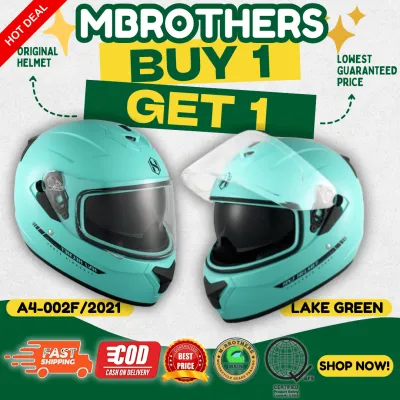
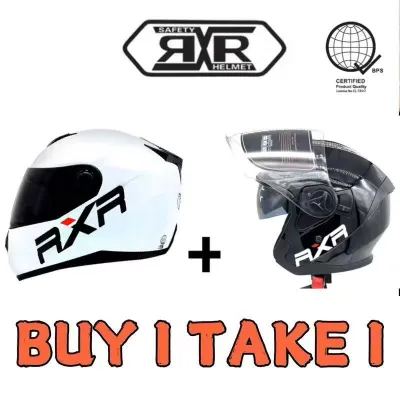
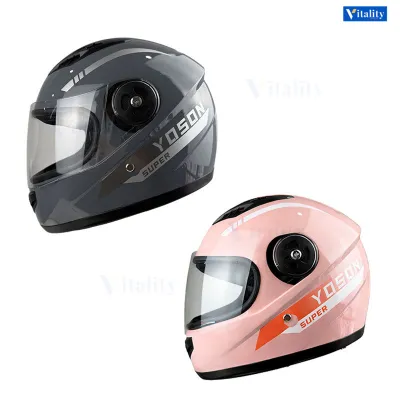
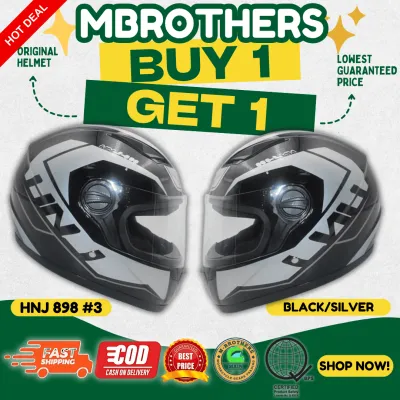
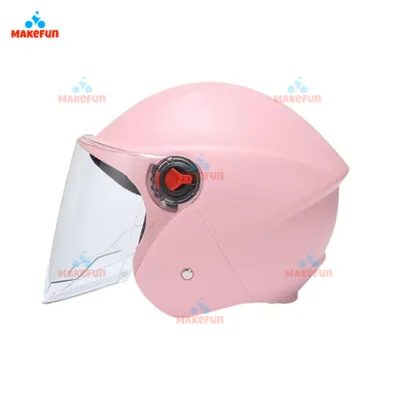
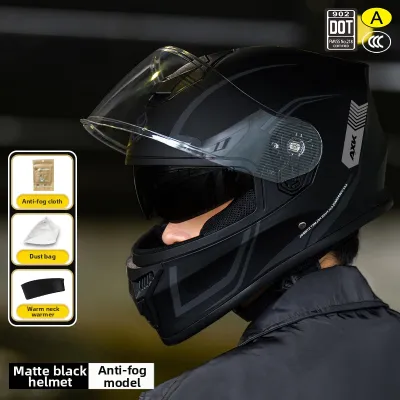
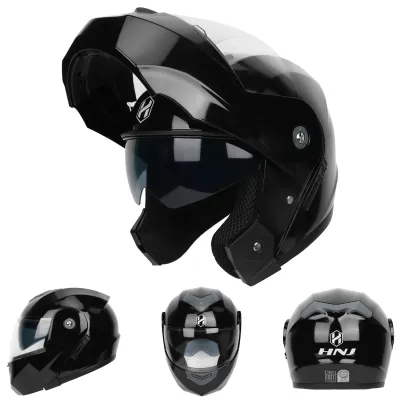
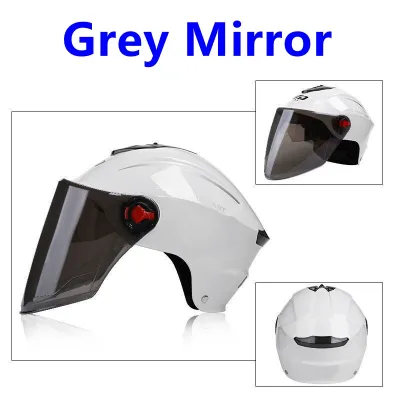
Prices are valid at publication and may change. Please refer to the product page for the latest price.
To verify a helmet’s certification, look for the official physical stickers applied to the back of the shell. A genuine ICC sticker features a unique holographic pattern that shifts color under direct light, along with a distinct serial number and the BPS logo. Authorized physical shops and online distributors should always be able to present official BPS or DTI import documentation upon request to prove their inventory’s legitimacy.
Allocating Your Budget: Must-Haves vs. Nice-to-Haves
When planning your purchase, it helps to categorize helmet features into non-negotiable safety requirements and optional comfort upgrades. This distinction allows you to distribute your funds logically, ensuring that both helmets provide excellent protection even if you choose different price points for each unit.

Your absolute must-haves include a valid PSB or ICC certification sticker, a secure retention system (such as a double D-ring or a high-quality micrometric quick-release buckle), and a clear, distortion-free visor. Adequate ventilation ports are also essential to handle the intense tropical heat and high humidity of daily riding in the Philippines. On the other hand, nice-to-have features include intricate custom graphics, integrated sun shields (dual-visor systems), Bluetooth speaker pockets, and premium quick-release visor mechanisms.
If you have a fixed budget for a pair of helmets, consider a strategic budget split based on your daily riding roles. If the primary rider commutes daily at high speeds on major highways while the partner only joins as a pillion for short weekend trips, you might allocate a larger portion of the budget to the primary rider’s helmet. For example, you can purchase a highly durable, aerodynamically optimized full-face helmet for the primary rider, and select a simpler, fully certified open-face or modular model for the occasional pillion passenger.
Remember to anticipate secondary costs before finalizing your budget. These hidden expenses often include shipping fees for online orders, replacement visors (as clear visors are legally required for night riding under Land Transportation Office rules), anti-fog inserts for the rainy season, and protective helmet bags. Factoring in these small additions ensures that your combined purchase stays strictly within your financial limits.
Balancing Aesthetics and Individual Comfort for Your Couple Helmet Setup
Selecting a coordinated helmet set involves more than just picking matching colors. Because head shapes and physical comfort requirements vary greatly from person to person, you must evaluate how each helmet fits individual riders while still aiming for a cohesive visual style.
The Pros and Cons of Exact Matching Helmets
Buying two identical helmets of the same brand, model, and colorway offers an undeniable aesthetic appeal. It makes your partnership highly visible on the road and simplifies the shopping process since you only need to research a single product line.
However, forcing both partners into the exact same helmet model can be a major safety hazard if you have different head shapes. Helmet manufacturers design internal shapes to fit specific profiles, such as round oval, intermediate oval, or long oval heads. If one partner has a rounder head and the other has a longer, narrower profile, an identical helmet model will cause painful pressure points for one rider and a dangerously loose fit for the other. A poorly fitting helmet compromises safety during an impact, regardless of its certifications.
Coordinating Styles for Different Riding Roles
A practical and comfortable alternative to buying identical units is coordinating your styles across different helmet types. You can achieve a cohesive look by purchasing helmets from the same brand that feature matching color palettes, such as matte black with neon accents, while choosing different shell designs.
For example, the primary rider can wear a robust full-face helmet for maximum chin and facial protection during high-speed commutes. Meanwhile, the pillion passenger can wear a modular or open-face helmet in the same color scheme, which offers better airflow and convenience in slow-moving city traffic. This approach allows you to prioritize specific safety and comfort features where they are most needed while managing your overall budget effectively.
How to Verify Authenticity and Avoid Counterfeits
The market for motorcycle gear in the Philippines contains a significant number of counterfeit products, especially on unverified online platforms. To protect yourself and your partner, you must know how to inspect helmets for authenticity before handovers or online checkouts.
When inspecting a helmet physically, examine the quality of the certification sticker. Genuine ICC and PSB stickers are made of tamper-evident materials; any attempt to peel them off will cause the sticker to tear or leave a distinct pattern behind. The holographic elements should show clear, sharp details under a smartphone light, and the printed serial numbers must not look blurry or smudged.
When shopping on online marketplaces, look for sellers with authorized dealer badges, high ratings, and positive customer feedback that specifically mentions safety certifications. Always request the seller to send real-time, high-resolution photos of the actual helmet’s certification sticker, inner lining labels, and packaging. Avoid sellers who only provide stock manufacturer images or refuse to show the physical stickers.
Be highly suspicious of unrealistically low prices. If a premium-brand helmet that typically retails for ₱5,000 is listed online for ₱1,000, it is almost certainly a dangerous counterfeit. Other common red flags include missing interior safety labels (which should list the manufacturing date, model name, and size), flimsy visor mechanisms that wobble when operated, and an unusually light shell weight that feels like cheap, brittle plastic.
Crucial Fit Checks Before Finalizing Your Purchase
Even the most expensive, certified helmet cannot protect you if it slips out of position or flies off your head during an accident. Taking the time to perform precise fit checks is a critical step in the buying process.
Start by measuring your head circumference at home using a flexible measuring tape. Wrap the tape horizontally around your head, about one inch above your eyebrows and directly above your ears. Compare this measurement to the specific manufacturer’s sizing chart, as sizing standards can vary significantly between different brands.
Once you receive the helmets or try them on in a physical store, perform three essential physical checks:
- The Snugness Test: The helmet should feel snug all around your head, compressing your cheeks slightly (often referred to as "chipmunk cheeks") without causing sharp pain or pressure points on your forehead.
- The Shake Test: Secure the chin strap tightly and shake your head vigorously from side to side. If the helmet rotates or slides independently of your skin, it is too large.
- The Roll-Off Test: With the chin strap fastened, reach behind the base of the helmet and try to pull it forward off your head. If the helmet slips off or shifts forward significantly, the fit is unsafe.
If you are purchasing online, always review the seller’s exchange policy beforehand. Many retailers have strict return limitations on hygiene-sensitive items like helmets. Keep all original tags, protective visor films, and packaging intact until you have fully verified the fit of both helmets in a clean, indoor environment.
Frequently Asked Questions (FAQ)
Can we share a single helmet with interchangeable inner pads?
Sharing a single helmet is highly discouraged for both safety and hygiene reasons. In the hot and humid Philippine climate, sweat, hair oils, and skin cells quickly accumulate in the comfort liner, creating a breeding ground for bacteria. Furthermore, the internal EPS foam liner and comfort padding naturally compress over time to mold specifically to the first user’s head shape. Sharing the helmet prevents a proper, secure fit for both individuals, which significantly reduces the helmet’s ability to absorb impacts correctly during an accident.
Do both the rider and the pillion need certified helmets?
Yes, under Philippine law (Republic Act No. 10054), both the motorcycle operator and the pillion passenger are legally required to wear certified protective helmets at all times on public roads. Failing to comply can result in heavy fines from the Land Transportation Office (LTO) or local traffic enforcers. More importantly, the pillion passenger is just as vulnerable to severe head injuries in a collision as the primary rider, making a certified, properly fitted helmet an absolute necessity for both individuals.

Community discussion
Share your experience or ask a question. Comments are reviewed before publication.