
Riding a bicycle through a sudden tropical downpour in the Philippines requires gear that can handle both intense external moisture and high internal humidity. Standard rain gear often fails during active use because it traps sweat or catches in the moving parts of your bicycle. To stay dry and safe, you need dedicated raincoat pants designed specifically for the unique physical demands of cycling.
The ideal pair of cycling rain pants must balance robust waterproofing with ergonomic tailoring and high breathability. Without these specific features, you risk getting soaked from the inside out by your own sweat, or worse, experiencing a mechanical accident if loose fabric entangles with your drivetrain. Evaluating these technical details before making a purchase ensures your daily commute or weekend ride remains comfortable and secure even during the wettest months of the year.
Essential Waterproofing and Material Checks
When selecting raincoat pants only, the first line of defense is the fabric’s ability to resist water penetration under pressure. Look closely at the manufacturer’s technical specifications, specifically the waterproof rating measured in millimeters (hydrostatic head). For heavy tropical downpours, look for garments rated at 10,000 mm or higher, which indicates the fabric can withstand significant water pressure before moisture begins to seep through.
Products mentioned in this guide
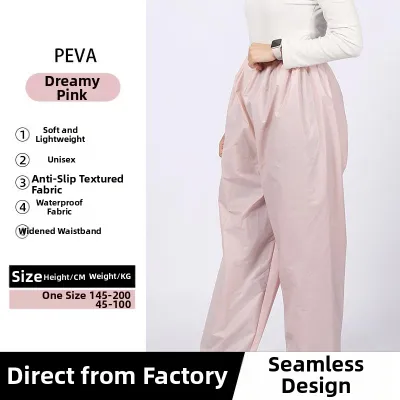
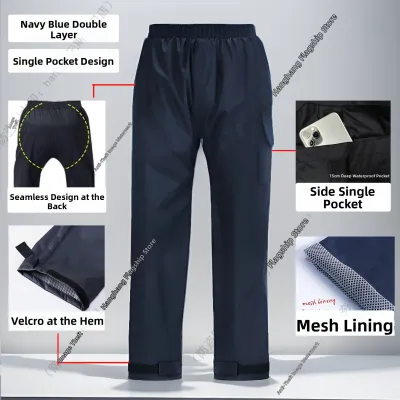

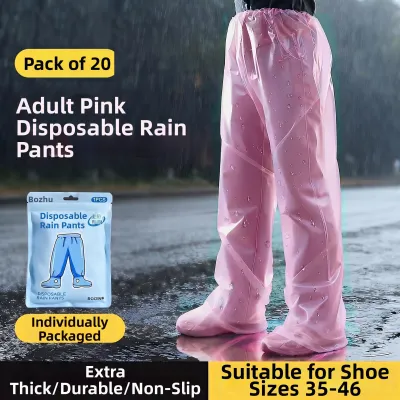

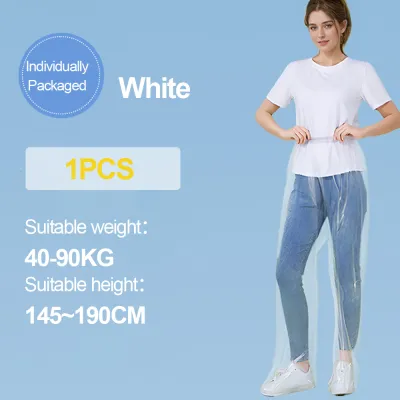


Prices are valid at publication and may change. Please refer to the product page for the latest price.
However, the fabric itself is only as waterproof as its weakest points, which are almost always the seams. Standard sewing needles leave thousands of tiny holes along every seam line that water will easily penetrate under the pressure of riding. Ensure the pants feature fully taped or welded seams, where a waterproof strip is thermally applied over every stitched joint on the interior of the garment. If the product description only mentions “critically taped seams,” it means only high-exposure areas are protected, leaving other zones vulnerable to leaks during prolonged downpours.
Another critical material feature to verify is the presence of a Durable Water Repellent (DWR) coating on the outermost layer. This chemical treatment causes water to bead up and roll off the fabric surface rather than soaking into the fibers. When a garment’s DWR fails, the outer fabric becomes saturated—a condition known as “wetting out.” While the inner membrane might still technically block water, a saturated outer layer prevents the fabric from breathing, makes the pants heavy and cold, and causes them to cling uncomfortably to your legs.
Cycling-Specific Fit and Safety Features
Standard rain pants are typically cut straight and loose, which poses a serious safety hazard on a bicycle. The excess fabric around the lower leg can easily catch on the chainring, chain, or front derailleur, leading to sudden stops, torn gear, or dangerous falls. Look for raincoat pants only that feature a tapered leg design or robust ankle management systems. Adjustable hook-and-loop straps, snap buttons, or zippered cuffs allow you to cinch the fabric tightly around your ankles, keeping the material clear of the spinning drivetrain.

Visibility drops dramatically during heavy rainstorms, making active safety features a top priority for road sharing. When you are bent forward in a cycling posture, standard reflective strips on the jacket or upper body can become obscured by backpacks or natural body angles. Choose rain pants equipped with high-visibility reflective elements strategically placed on the calves, side seams, and ankles. Because your legs are constantly in motion while pedaling, reflective materials in these areas create a moving visual cue that is far easier for motorists to spot through wet windshields.
The physical motion of pedaling also requires specialized tailoring that standard walking pants do not provide. Standard pants tend to pull down at the waist and ride up at the ankles when you bend your knees and lean forward. To prevent this, look for cycling-specific rain pants designed with articulated knees—pre-curved fabric panels that mimic the natural bend of your legs. A gusseted crotch, which replaces the traditional four-way seam intersection with a triangular panel of fabric, reduces friction, prevents chafing, and distributes seam stress more evenly to prevent premature tearing.
Managing Breathability in Humid Conditions
In the tropical climate of the Philippines, staying dry is not just about keeping the rain out; it is also about letting sweat escape. Wearing a completely sealed, non-breathable plastic pant while pedaling creates a greenhouse effect, leaving you drenched in perspiration within minutes. To prevent this, check the garment’s breathability rating, often expressed in grams per square meter (g/m²/24h). A rating of 10,000 g/m² or higher is generally recommended for active cycling to allow moisture vapor to escape.
Physical ventilation features offer immediate relief when fabric breathability alone cannot keep up with high humidity. Look for rain pants that incorporate zippered thigh vents or mesh-lined openings. These vents are typically shielded by fabric flaps to prevent rain from entering while allowing fresh air to circulate as you pedal. Being able to unzip these vents during a warm, humid drizzle can make the difference between a comfortable ride and an incredibly stuffy, overheated commute.
The interior construction of the pants also plays a major role in overall comfort. Direct contact between a wet waterproof membrane and bare skin or damp clothing feels clammy and restrictive. Look for pants with a lightweight mesh lining or a 2.5-layer fabric construction where a raised print pattern is applied to the interior. This inner layer keeps the waterproof barrier slightly raised off your skin, promoting airflow and preventing the fabric from sticking to your legs. Additionally, prioritize lightweight, highly packable materials that can be rolled up tightly to fit into a small frame bag or backpack when the rain suddenly stops.
Step-by-Step Inspection Guide Before Buying
Before finalizing your purchase of raincoat pants only, performing a systematic physical inspection can save you from mid-ride gear failures. Start by examining the zippers, which are common entry points for water. Verify that all external zippers are either highly water-resistant polyurethane-coated models or are fully covered by wide storm flaps that secure with hook-and-loop fasteners. Gently pull on the seams to check that the interior seam tape is perfectly flat, smooth, and free of bubbles or peeling edges, as loose tape will quickly let water in.
Next, evaluate the fit by simulating the physical movements of cycling. Put the pants on and assume a deep squat or a forward-leaning stance similar to your riding position on your bicycle. Pay close attention to the waistband; it should rise high enough in the back to keep your lower spine covered when you lean forward over the handlebars. Check if the fabric tightens uncomfortably across your thighs or glutes during this movement, as restrictive tension will cause fatigue and eventually strain the seams to the point of failure.
Finally, test the compatibility of the ankle closures with your typical riding footwear. Bring the shoes or boots you plan to wear during rainy commutes and try on the pants with them. Ensure the ankle straps or zippers can cinch tightly enough to seal out road spray kicked up by your front wheel, while still allowing enough room to easily slip the pants on and off over your shoes when a sudden downpour begins on the roadside.
Frequently Asked Questions (FAQ)
Can I use regular hiking rain pants for cycling?
While hiking rain pants offer excellent protection against vertical rainfall, they generally lack the specific design elements required for safe cycling. Hiking pants are typically cut with a loose, straight leg that can easily get caught in your bicycle’s chainring or drivetrain, creating a serious safety hazard. They also lack the articulated knees needed for a continuous pedaling motion, which can cause the pants to pull down at the waist and restrict your movement. Furthermore, the reflective elements on hiking gear are rarely positioned to account for the forward-leaning posture and constant leg movement of a cyclist, reducing your visibility to motorists in low-light storm conditions.
How do I maintain the waterproof coating on my raincoat pants?
To preserve the performance of your raincoat pants only, you must clean them regularly according to the manufacturer’s care label. Dirt, sweat, and road grime clog the breathable pores of the waterproof membrane and wear down the outer Durable Water Repellent (DWR) coating. Wash the pants using a gentle, technical liquid detergent designed specifically for waterproof fabrics, and completely avoid standard household detergents, fabric softeners, or bleach, which strip away protective coatings. After washing, check the manufacturer’s instructions regarding heat; many garments require a short tumble dry on low heat to reactivate the DWR coating, while others must be air-dried away from direct sunlight. If water stops beading on the surface after washing, you may need to spray on a specialized aftermarket DWR treatment.

Community discussion
Share your experience or ask a question. Comments are reviewed before publication.