
Finding a universal motorcycle seat cover that truly fits your ride requires looking beyond the “one-size-fits-all” label. While universal covers offer a cost-effective way to protect your seat or refresh its look, achieving a secure, comfortable, and weather-resistant fit depends on verifying exact dimensions, material properties, and tension mechanisms. In the Philippines, where motorcycles are exposed to intense tropical sun, high humidity, and sudden torrential downpours, choosing the right seat cover is crucial for both rider comfort and the longevity of the vehicle’s original upholstery. By understanding how to measure your seat, evaluate materials, and secure the cover properly, you can ensure your daily commute remains comfortable and your seat stays protected year-round.
Verifying "Universal" Fit and Sizing
The term “universal” in the motorcycle accessory market is often a misnomer. Rather than indicating a single product that fits every motorcycle perfectly, it typically refers to a cover designed to accommodate a broad range of standard seat shapes within specific size brackets. Standard underbones, modern scooters, and backbone street bikes all feature vastly different seat profiles, meaning a cover that fits a compact scooter will likely fail to stretch over a larger touring seat. Before making a purchase on any online marketplace, it is essential to understand these size categories and measure your specific seat rather than relying solely on compatibility lists.
To obtain accurate measurements, you will need a flexible sewing tape measure that can follow the contours of your seat. Start by measuring the maximum length of the seat from the tip of the front nose to the very back edge, keeping the tape pressed flat against the center line of the seating surface. Next, measure the widest point of the seat, which is typically located near the rear passenger section. Be sure to wrap the tape measure down around the sides to the bottom edge of the plastic seat pan to account for the seat’s full width and curvature. Finally, measure the vertical thickness of the seat foam at its deepest point, as a thick, plush seat requires more material wrap than a low-profile one.
Products mentioned in this guide
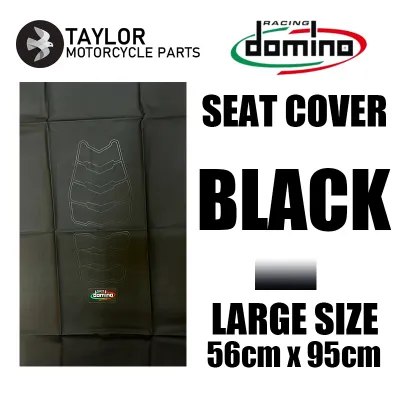
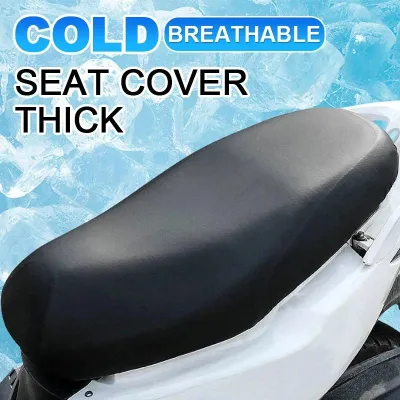
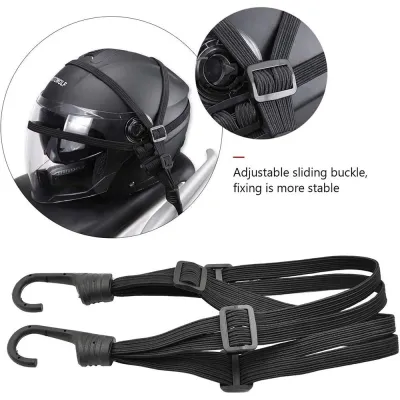
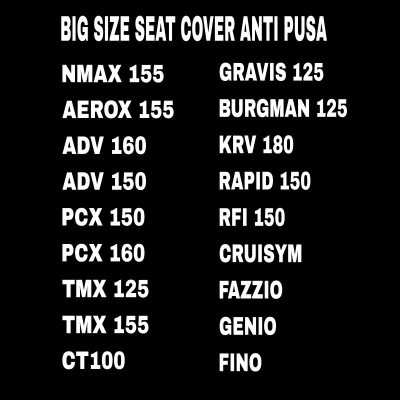

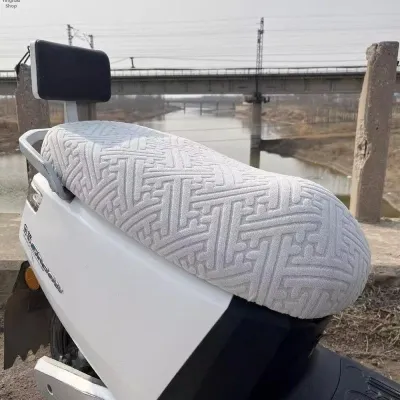
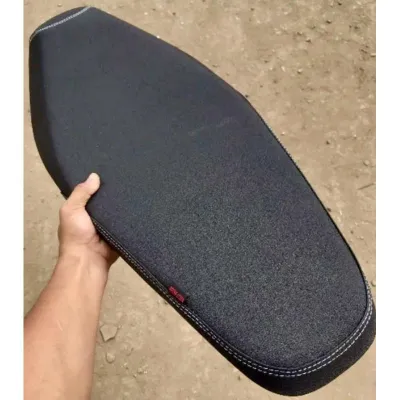

Prices are valid at publication and may change. Please refer to the product page for the latest price.
Once you have these dimensions, compare them carefully against the manufacturer’s sizing chart. Pay close attention to the edge design of the cover, which is critical for securing a proper wrap underneath the seat pan. Covers with elasticized hems offer quick, tool-free installation, but they must have enough depth to wrap fully under the seat edge without slipping off. Alternatively, covers featuring integrated drawstrings allow you to pull the material taut and tie it off securely. Whichever style you choose, verify that the wrapped material and fastening cords do not obstruct the seat hinge, the locking latch, or any under-seat storage compartments.
Evaluating Materials for Tropical Weather Conditions
Selecting the right material for a motorcycle seat cover in the Philippines requires balancing water resistance, breathability, and heat tolerance. Synthetic leather, typically made from polyurethane (PU) or polyvinyl chloride (PVC), is highly popular for its excellent water-shedding capabilities and classic appearance. After a heavy downpour, a synthetic leather cover can be wiped dry instantly with a cloth, allowing you to ride without getting wet. However, synthetic leather tends to absorb and retain heat rapidly when parked under direct sunlight, making the seat uncomfortably hot to sit on, and it lacks the breathability needed to prevent sweat buildup during long, humid rides.

For riders prioritizing heat management, 3D spacer mesh covers offer an effective alternative. These covers feature a raised, open-weave structure that creates a continuous air gap between the rider and the seat surface. This design allows air to circulate freely, keeping the seat cool even after hours of exposure to the sun. The primary trade-off is water resistance; mesh covers are inherently porous, meaning rainwater will pass directly through to the original seat. While the mesh itself dries relatively quickly, the underlying seat may remain damp, and water can pool in the mesh pockets during heavy rain, requiring you to shake out or dry the cover before riding.
Waterproof Oxford fabric represents a middle ground, offering high durability and moderate water resistance. When evaluating any fabric cover, check the product specifications for UV-resistant treatments and waterproof polyurethane coatings on the underside. Without proper UV protection, synthetic fabrics will quickly fade, become brittle, and tear under intense tropical sun exposure. Additionally, pay close attention to the anti-slip backing material on the underside of the cover. Low-quality rubber or silicone backing dots can degrade, melt, or chemically fuse with your original vinyl seat when subjected to high temperatures, leaving a sticky, destructive residue that is incredibly difficult to remove.
Comparing Comfort and Security Features
A universal seat cover must do more than just shield the seat from the elements; it must also enhance rider comfort and remain stable during operation. For daily commuters navigating uneven city roads or long highway stretches, covers featuring integrated padding can significantly reduce fatigue. High-density memory foam inserts provide firm, structured support that helps distribute body weight evenly across the seat. For superior shock absorption, gel inserts are highly effective at dampening engine vibrations and road impacts, though they can retain heat longer than standard foam if left exposed to the sun.
The fastening system is the most critical factor in preventing the cover from shifting, sliding, or bunching up during acceleration, braking, and cornering. While simple elastic bands are convenient, they can stretch out and lose their tension over time due to heat and moisture. For a more secure and durable fit, look for covers that utilize adjustable nylon webbing straps equipped with heavy-duty plastic buckles. These straps pass underneath the seat pan, allowing you to pull the cover tight and lock it in place. Ensure that the buckles are low-profile so they do not interfere with the seat’s locking mechanism or scratch the motorcycle’s frame.
Rider stability is also heavily influenced by the surface texture of the seat cover. Smooth, untextured covers can become incredibly slick, especially when wet or when the rider is wearing synthetic rain gear. This lack of grip can cause you to slide forward during sudden stops, compromising your control over the motorcycle. To maintain a secure riding position, choose a cover that features embossed patterns, matte finishes, or specialized high-grip panels in the seating area. These textures provide the necessary friction to keep you securely positioned, enhancing safety and reducing strain on your arms and knees.
Installing and Adjusting the Seat Cover Properly
Proper installation is essential to ensure your universal seat cover looks professional, stays secure, and does not damage your motorcycle. Before attempting to install the cover, prepare the original seat by cleaning it thoroughly. Use a mild, pH-neutral soap mixed with warm water and a soft cloth to remove accumulated road grime, sweat, and oils from the vinyl. Allow the seat to dry completely in a well-ventilated area. Installing a seat cover over a damp surface traps moisture underneath, creating an ideal environment for mold, mildew, and rot, which can permanently damage the original seat foam and create unpleasant odors.
Once the seat is clean and dry, open it fully to access the underside of the seat pan. Begin the alignment process by hooking the front nose of the cover over the front tip of the seat. Carefully stretch the cover backward, pulling it evenly over the rear corners of the seat. Work your way along the sides, smoothing out any wrinkles or folds as you go. It is important to distribute the material symmetrically; pulling too hard on one side will cause the seams to sit crookedly and can create loose pockets of fabric that will shift when you ride.
With the cover aligned, secure the fastening straps, buckles, or drawstrings underneath the seat pan. Tighten the fasteners progressively, starting from the center and working your way toward the ends to ensure even tension across the entire surface. The installed cover should be taut and smooth, with no sagging or loose edges. Finally, carefully close the seat to verify that the cover and its straps do not interfere with the latch, lock mechanism, or seat hinge. Sit on the motorcycle and shift your weight to confirm that the cover remains firmly in place and does not restrict your movement or footing.
Maintaining and Cleaning Your Seat Cover
To maximize the lifespan of your universal seat cover and preserve its protective qualities, establish a regular cleaning routine. For weekly maintenance, wipe the cover down with a soft microfiber cloth dampened with clean water and a mild soap. Avoid using harsh chemical solvents, gasoline, kerosene, or abrasive scrubbers, as these substances can strip away waterproof coatings, degrade UV inhibitors, and weaken the synthetic stitching. If your cover accumulates heavy mud or road grime, rinse it gently with a low-pressure hose rather than a high-pressure washer, which can force water through the seams and damage the material.
Deep cleaning requirements vary depending on the cover’s material and construction. Always consult the manufacturer’s care label or instructions before attempting a deep clean. Some fabric and mesh covers can be completely removed and hand-washed in cool water with a gentle detergent, then hung to air-dry in a shaded, well-ventilated area. Never place a motorcycle seat cover in a washing machine or tumble dryer unless the manufacturer explicitly states it is safe to do so, as the mechanical action and high heat can warp elastic bands, melt anti-slip backings, and ruin the cover’s shape.
In addition to regular cleaning, protecting your seat cover from prolonged environmental exposure will significantly extend its service life. The intense ultraviolet rays of the Philippine sun are the leading cause of material degradation, causing synthetic leather to crack and fabrics to fade and weaken. Whenever possible, park your motorcycle in shaded areas, under a carport, or indoors. If you must park in an open lot for extended periods, using a full-body motorcycle cover provides an extra layer of defense, shielding both your seat cover and the rest of your bike from sun damage and heavy rain.
Frequently Asked Questions (FAQ)
Will a universal seat cover fit a scooter with a stepped seat?
Standard flat universal seat covers generally do not fit stepped or two-tier scooter seats properly. Because of the distinct height difference between the rider and passenger sections, a flat cover will bridge across the gap, leaving an empty space underneath that sags and slides during rides. For stepped seats, look for universal covers specifically labeled as contoured, or opt for multi-piece designs that cover the front and rear sections separately to maintain the seat’s original shape.
Can I install a seat cover over a torn or damaged original seat?
Yes, you can install a slip-on cover over a damaged seat to improve its appearance and protect it from further weather damage. However, this is only a temporary cosmetic fix. If the original seat foam is torn, water-logged, or crumbling, a slip-on cover will not restore the structural support. Moisture trapped inside damaged foam will eventually rot the seat pan and cause the new cover to sag or wear out prematurely. For the best results, patch any deep tears with heavy-duty vinyl tape or replace damaged foam sections before installing the cover.
How do I prevent the seat cover from slipping during heavy rain?
To prevent slipping in wet weather, ensure the original seat surface and the cover’s anti-slip backing are completely clean and dry before installation. Road grime and dust act as lubricants when wet. Additionally, make sure the fastening straps or drawstrings are pulled as tight as possible. If the cover relies solely on an elastic hem that loses tension when wet, you can add supplementary hook-and-loop straps or thin bungee cords underneath the seat pan to keep the cover firmly anchored during heavy downpours.

Community discussion
Share your experience or ask a question. Comments are reviewed before publication.