
Protecting your Honda Click from the elements in the Philippines requires a waterproof cover that balances a precise fit, durable materials, and reliable wind resistance. With the country’s intense tropical climate—characterized by sudden monsoon downpours, high humidity, and scorching afternoon sun—leaving your scooter exposed can lead to paint fading, rusted components, and electrical issues. A high-quality cover acts as a primary shield, but finding the right one involves looking beyond generic “waterproof” labels to understand how specific designs interact with your scooter’s unique dimensions.
To make an informed decision, you must evaluate how a cover handles local environmental stressors. The Honda Click, whether the 125i or 160 variant, features sharp, modern fairings, sensitive digital instrument panels, and exposed mechanical parts that are vulnerable to moisture buildup. Choosing the right cover means matching the physical layout of your scooter—including any aftermarket modifications like top boxes or side mirrors—with a fabric that keeps water out while allowing trapped moisture to escape.
Key Fit and Design Features to Keep Your Cover Secure
A secure fit is the foundation of effective scooter protection. Because the Honda Click has a relatively compact, aerodynamic profile with sharp angles, a loose or poorly shaped cover will easily catch the wind, acting like a sail. When a cover billows in strong winds, the constant friction can scratch your scooter’s clear coat and fairings, while also risking being blown off entirely during severe tropical storms.
Products mentioned in this guide
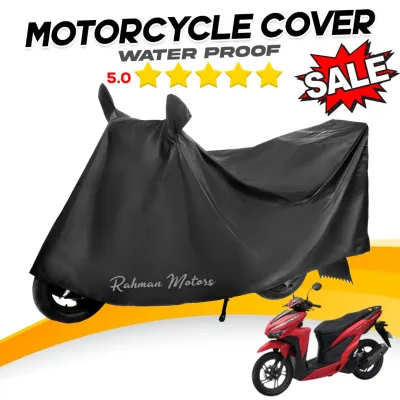
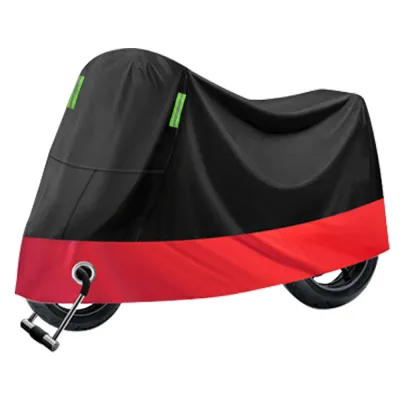
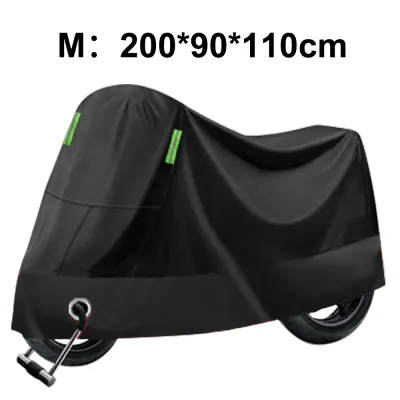
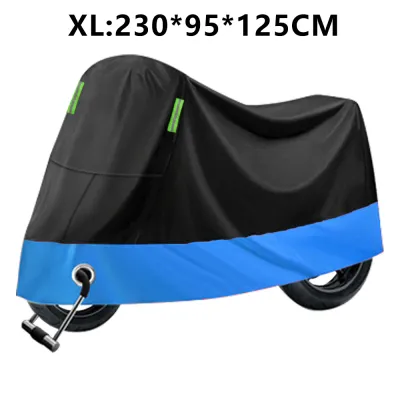
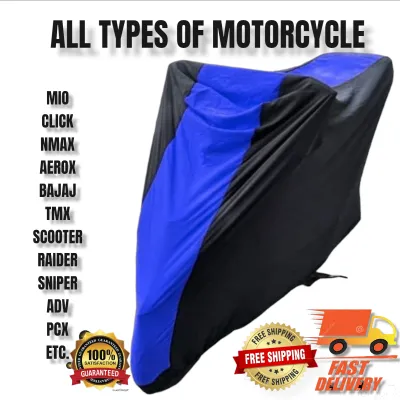
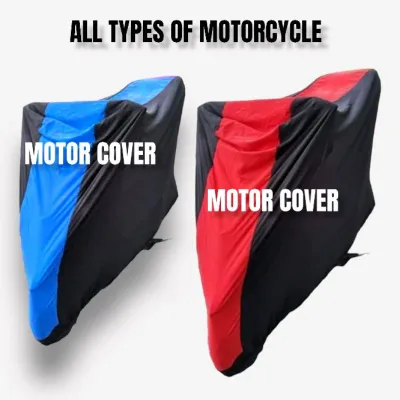
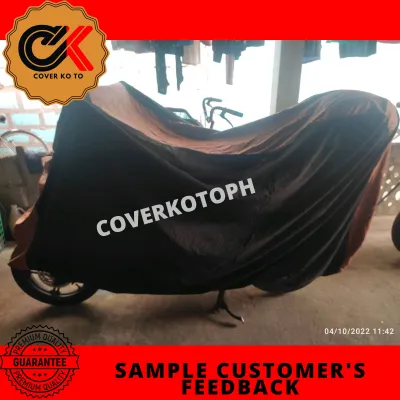
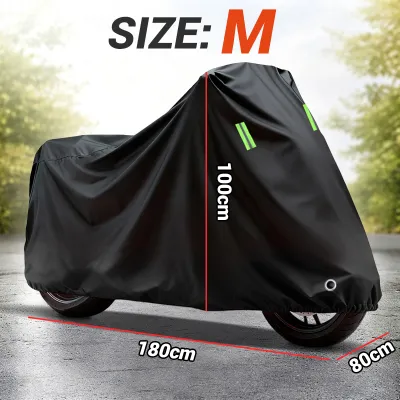
Prices are valid at publication and may change. Please refer to the product page for the latest price.
When evaluating dimensions, always refer to your specific Honda Click model year manual for exact length, width, and height measurements. A standard Honda Click 125i, for instance, typically measures around 1,919 mm in length and 1,062 mm in height, but these numbers can vary slightly across different generations and engine displacements. Look for covers that offer dedicated scooter-specific sizing rather than broad, multi-vehicle categories. Additionally, check if the cover features integrated mirror pockets; these pockets allow the fabric to drape naturally over the handlebars without stretching the material taut, which reduces stress on the seams and prevents water from pooling on top.
Windproof fastening systems are non-negotiable for outdoor parking in the Philippines, where sudden gusts and typhoons are common. Look for a cover equipped with a heavy-duty elastic hem around the front and rear wheels, which helps the fabric grip the underside of the tires. This should be complemented by an adjustable under-chassis buckle strap that clips securely beneath the frame, preventing the cover from lifting upward. Some designs also include adjustable drawstrings at the base, allowing you to cinch the material tightly around the lower fairings for a customized fit.
Security is another critical design aspect to consider, especially if you park your scooter in shared residential areas or street-side slots. High-quality covers feature reinforced grommets or lock holes near the front and rear wheels. These openings, often lined with rust-resistant metal or heavy-duty fabric patches, allow you to slide a U-lock, chain lock, or disc lock directly through both the cover and the wheel. This setup not only deters opportunistic theft of the cover itself but also keeps your scooter securely locked without compromising the cover’s protective positioning.
Understanding Waterproof Materials and Coatings
The durability of a scooter cover depends heavily on its base fabric and the chemical coatings applied to it. In the Philippine market, you will commonly encounter covers made from polyester or Oxford cloth. Polyester is lightweight, easy to fold, and naturally resistant to stretching and shrinking, making it a convenient option for daily commuters who need to pack their cover quickly. However, for long-term outdoor parking, Oxford cloth is generally preferred due to its superior tear resistance and heavier weave.

When comparing fabrics, pay close attention to the denier (D) or thread count (T) ratings provided by the manufacturer. A higher denier rating, such as 300D or 420D Oxford cloth, indicates thicker, stronger threads that can withstand prolonged exposure to harsh UV rays and heavy rain without thinning or tearing. Conversely, lighter ratings like 190T or 210D are highly portable but may degrade faster under the intense tropical sun.
The actual waterproofing capability comes from internal coatings, typically Polyurethane (PU) or Polyvinyl Chloride (PVC). PU coatings are flexible, lightweight, and perform well in fluctuating temperatures, allowing the cover to remain pliable even after months of sun exposure. PVC coatings offer excellent water resistance and are highly durable, but they tend to be heavier and can become stiff or prone to cracking if exposed to extreme heat over long periods. When shopping, verify the manufacturer’s water pressure resistance rating, often measured in millimeters (e.g., 2000mm); a higher rating indicates the fabric can withstand heavier downpours before water begins to seep through.
However, keeping water out is only half the battle; managing internal moisture is equally important. High humidity levels in the Philippines mean that temperature drops at night can cause condensation to form on the inside of a fully sealed cover. If this moisture cannot escape, it creates a humid microclimate that accelerates rust on metal parts and mold on the seat. To prevent this, look for covers with built-in ventilation flaps or breathable mesh panels that allow air to circulate while keeping rain out. Furthermore, ensure the cover features heat-resistant inner panels near the rear right side where the exhaust muffler sits, protecting the fabric from melting if it accidentally contacts a warm engine.
How to Verify Quality and Fit When Shopping Online
Shopping on local e-commerce platforms requires a critical eye, as product listings often use generic terms like “universal fit” or “100% waterproof” without providing technical specifications. To avoid purchasing a cover that is either too small to cover your wheels or so large that it drags on the ground, you must take active steps to verify the product’s actual dimensions.
Begin by measuring your Honda Click, taking into account any aftermarket accessories you have installed. If you have added a top box, a front windshield, modified side mirrors, or extended crash guards, your scooter’s physical footprint will be significantly larger than the stock dimensions listed in the owner’s manual. Compare your custom measurements against the seller’s detailed size chart. If a listing only offers generic “M, L, XL” sizing without explicit centimeter or inch measurements, ask the seller directly for the exact dimensions of the cover before making a purchase.
User reviews are an invaluable resource for assessing real-world performance in tropical climates. When browsing feedback on online marketplaces, look past simple five-star ratings and search for specific keywords such as “basa” (wet), “ulan” (rain), “init” (heat), “punit” (tear), or “tunaw” (melt). Pay close attention to reviews written by other Honda Click owners, as they often share photos showing exactly how the cover fits over the scooter’s sharp front fairing and rear fender. Look for long-term reviews that mention how the fabric holds up after several months of exposure to sun and rain, as this is a reliable indicator of UV resistance and coating durability.
Finally, scrutinize the product specifications for manufacturing details that indicate high quality. Look for mentions of double-stitched seams, which prevent the fabric from pulling apart under tension. More importantly, verify if the seams are taped or heat-sealed on the inside. Unsealed stitched seams contain thousands of tiny needle holes that will inevitably leak during a heavy tropical downpour, regardless of how waterproof the main fabric is.
Safe Installation and Daily Maintenance Tips
Proper usage and regular maintenance are essential to maximize the lifespan of your waterproof cover and protect your Honda Click’s delicate surfaces. Before applying the cover, always ensure that your scooter is clean and dry. Placing a cover over a dusty or muddy scooter can trap abrasive dirt particles between the fabric and the paint, leading to fine scratches and swirl marks as the cover moves in the wind.
Safety must be your primary concern when parking after a ride. Never drape a standard cover over your Honda Click immediately after turning off the engine. The exhaust pipe and engine components reach extremely high temperatures that can easily melt synthetic fabrics like polyester or nylon, potentially damaging your scooter’s components and creating a fire hazard. Even if your cover features heat-resistant panels, it is best practice to let the exhaust cool down completely—typically requiring 15 to 30 minutes depending on your riding duration—before securing the cover.
Cleaning your cover regularly prevents dirt, bird droppings, and tree sap from degrading the waterproof coatings. Refer to the manufacturer’s care label for specific instructions, but generally, you should hand wash the cover using cool water and a mild, non-abrasive soap. Avoid using harsh chemical detergents, bleach, or stiff brushes, as these can strip away the PU or PVC waterproof layers. Never place the cover in a washing machine or mechanical dryer. Instead, hang it up to air-dry completely in a shaded, well-ventilated area before folding and storing it in its carrying pouch. Storing a damp cover will lead to mold growth and unpleasant odors.
Periodically inspect your cover for signs of wear and tear. Look closely at the inner lining for flaking or peeling coatings, which indicate that the waterproof barrier is breaking down. Check the seams for loose threads or separation, and test the elastic bands and plastic buckles to ensure they still hold tension. If you notice significant thinning of the fabric or persistent leaks during rain, it is time to replace the cover to ensure your scooter remains fully protected.
Frequently Asked Questions (FAQ)
Can I use a universal motorcycle cover for my Honda Click?
While universal covers are widely available, they often do not provide an optimal fit for the specific geometry of a Honda Click. A cover that is too large will sag, allowing water to pool in the excess fabric and increasing the risk of it catching the wind and blowing away. Conversely, a cover that is too small may leave the lower fairings, wheels, and brake discs exposed to rain and road grime. For the best protection, look for a cover specifically sized for compact scooters, taking into account any modifications like a top box.
Will the cover melt if I put it on right after riding?
Yes, standard synthetic covers can melt if they come into direct contact with a hot exhaust pipe or engine casing. This can leave melted plastic residue on your scooter’s exhaust guard and permanently ruin the cover. To prevent this, always allow your Honda Click to cool down for at least 15 to 30 minutes after a ride before putting the cover on. If you must cover it immediately, ensure you purchase a premium cover that explicitly features high-temperature heat-resistant inner linings in the exhaust zone.
How do I prevent mold or rust from forming under the cover?
Mold and rust are caused by trapped moisture and high humidity levels. To prevent this, never cover your scooter while it is wet from rain or a wash; dry it thoroughly with a microfiber towel first. Additionally, choose a cover equipped with built-in ventilation flaps or breathable fabric panels that allow air to circulate and dissipate condensation. On dry, sunny days, it is also beneficial to temporarily remove the cover for a few hours to let both the scooter and the cover air out completely.

Community discussion
Share your experience or ask a question. Comments are reviewed before publication.